Side-by-Side Cognitive Profiles: Afghan Hound vs. Puli
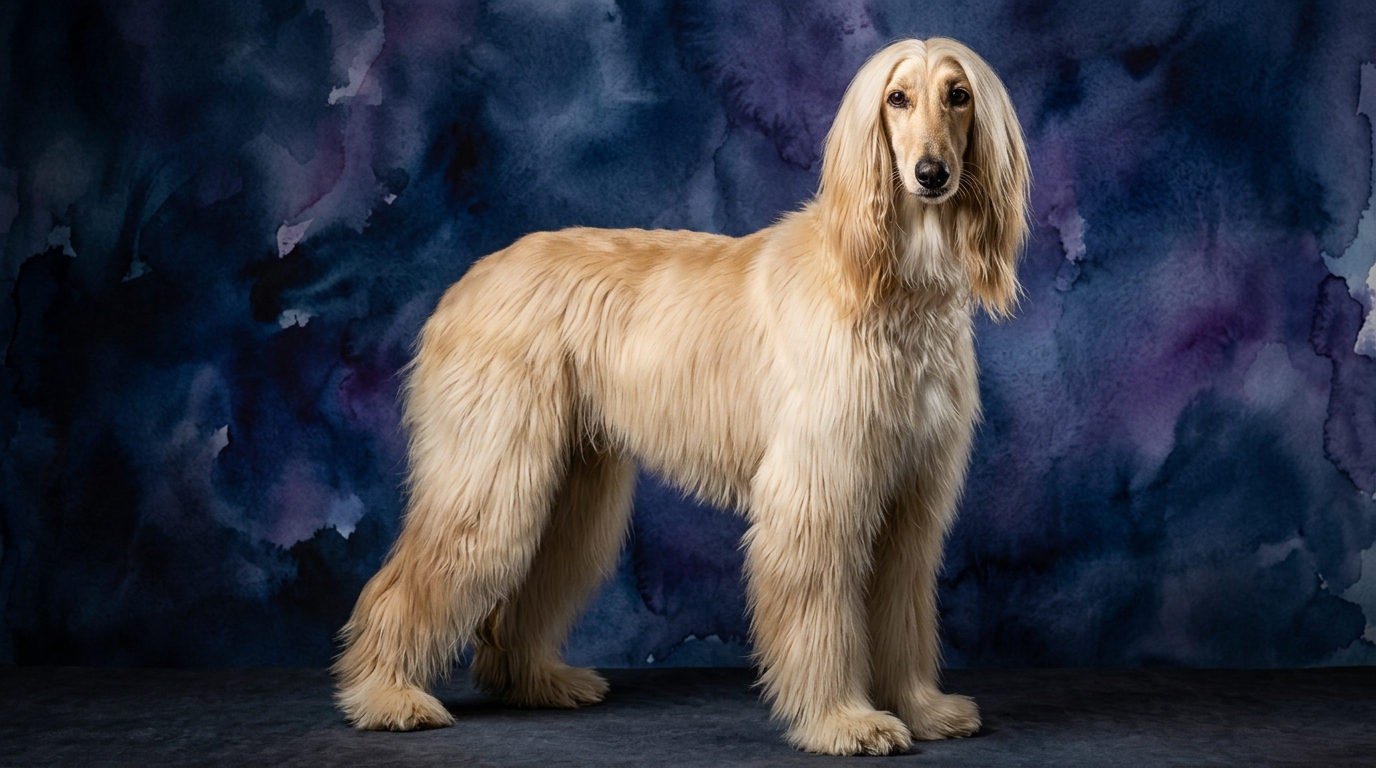
At The Cosmic Pet Pet IQ Lab, we delve beyond superficial observations to understand the intricate mental landscapes of different dog breeds. The Afghan Hound, ranking #79 in Coren's intelligence scale, presents a unique cognitive blueprint. Their problem-solving ability scores a respectable 4/5, indicating a strong capacity for independent thought, often applied to achieving their own objectives rather than following human directives. However, their training speed is a challenging 1/5, reflecting a profound independence that makes rote obedience a slow, arduous process. Social intelligence for the Afghan Hound is rated at 2/5, suggesting a preference for selective bonding and less reliance on human cues for guidance. Their instinctive drive is a formidable 5/5, showcasing an intense, unwavering focus on their natural prey drive and independent hunting behaviors. Memory for this breed stands at 3/5, enabling them to recall past experiences and routines, but perhaps not commands they deem irrelevant to their core instincts.
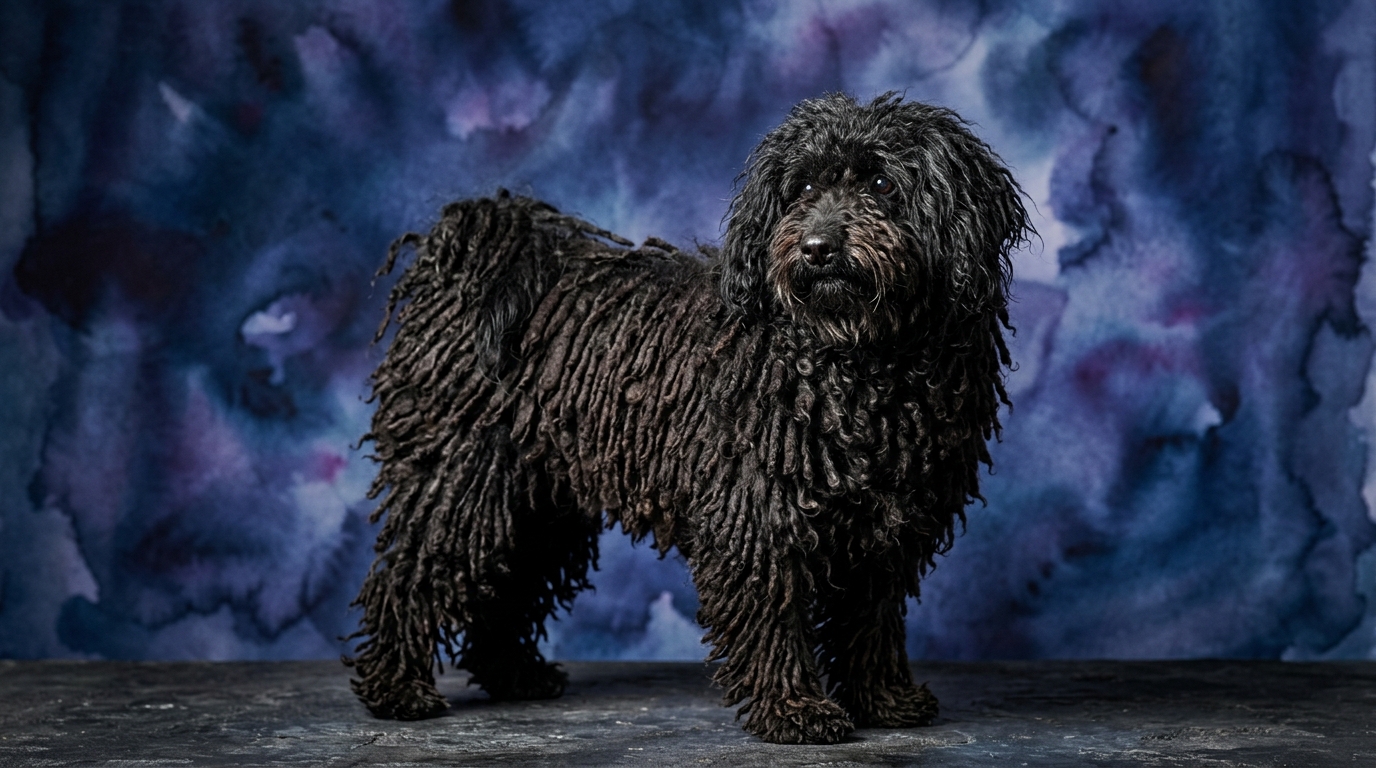
In contrast, the Puli, with a Coren rank of #25, demonstrates a distinctly different cognitive architecture. Their problem-solving ability also scores 4/5, but this is often channeled into tasks and cooperative efforts, indicative of their herding heritage. A significant differentiator is their training speed, rated at 4/5, meaning Pulis are eager and quick to grasp new concepts and commands, thriving on mental engagement. Their social intelligence is a solid 3/5, highlighting a greater attunement to human companionship and a readiness to interpret social cues. The Puli's instinctive drive is 3/5, centered around herding and control, a more manageable and cooperative drive compared to the Afghan Hound's. Finally, their memory is rated 4/5, allowing them to efficiently retain learned behaviors and complex routines, making them highly receptive to ongoing education.
Where the Afghan Hound Shows Unique Cognitive Strengths
The Afghan Hound truly excels in areas demanding self-sufficiency and an unyielding commitment to innate purpose. Their 4/5 problem-solving score manifests not as a desire to please, but as a remarkable capacity to navigate their environment and achieve personal goals autonomously. This might involve strategizing how to access a forbidden treat or finding the most efficient route during an unsupervised exploration. This cognitive strength is deeply intertwined with their extraordinary 5/5 instinctive drive. When an Afghan Hound locks onto a scent or spots potential prey, their focus becomes singular and absolute. This isn't merely a physical act; it's a cognitive process of prioritizing, tracking, and executing a deeply ingrained behavioral sequence with unwavering determination, demonstrating a profound, self-directed intelligence in their natural domain. Owners who appreciate this independent, almost primal intelligence find it captivating, recognizing a dog that thinks for itself with a quiet, confident resolve.
Puli's Cognitive Advantages: Adaptability and Engagement
The Puli's cognitive strengths lie in their adaptability, cooperative spirit, and impressive capacity for learning within a structured environment. Their 4/5 training speed is a direct reflection of a mind that is not only quick to process new information but also eager to participate in shared learning experiences. This makes them highly receptive to complex command sequences and intricate dog sports. Coupled with a 4/5 memory, Pulis retain these lessons with remarkable efficiency, building a robust repertoire of skills over time. Furthermore, their 3/5 social intelligence allows for a deeper, more nuanced understanding of human intentions and emotional states, fostering a strong, communicative bond. This enables them to anticipate commands and react appropriately to subtle cues, making them exceptional partners in tasks requiring close collaboration and mutual understanding. Their problem-solving, also 4/5, is often applied to figuring out how to best execute a given task, rather than inventing their own agenda, a clear advantage for owners seeking a responsive and engaged companion.
Trainability: A Tale of Two Temperaments
When it comes to trainability, the contrast between the Afghan Hound and the Puli is stark, rooted in their fundamental behavioral differences. The Puli, with its 4/5 training speed and 3/5 social intelligence, actively seeks to understand and comply with human directives. They are observant and responsive, often interpreting a handler's subtle body language or tone to anticipate expectations. This innate desire to cooperate, stemming from centuries of herding work where quick, precise responses were crucial, makes them highly amenable to positive reinforcement training. They enjoy the mental exercise of learning new commands and thrive on the partnership aspect of training sessions, remembering lessons efficiently due to their 4/5 memory.
Conversely, the Afghan Hound's training speed of 1/5 is a direct consequence of their profound independence and low social intelligence (2/5). They are not inherently driven to please or to follow commands they perceive as arbitrary or uninteresting. Their formidable 5/5 instinctive drive means that external stimuli, particularly scents or moving objects, can easily override any learned commands, making consistent focus a significant challenge. Training an Afghan Hound demands extraordinary patience, creativity, and an understanding that motivation must come from within the dog's own perceived self-interest, rather than an eagerness to cooperate. They will learn, but on their own timeline and often requiring highly engaging, varied methods to hold their attention against their powerful innate impulses.
Matching Breeds to Owner Lifestyles
The ideal owner for an Afghan Hound is someone who appreciates a dog with a distinct, independent personality and is prepared for a lifestyle that accommodates their unique needs. These dogs require owners who are active in providing outlets for their profound instinctive drive, such as secure spaces for galloping, lure coursing, or structured activities that tap into their tracking abilities. They are not dogs for owners seeking constant interaction or immediate obedience. Instead, they thrive with individuals who respect their aloof nature, are patient with training, and can manage a dog whose primary motivation often stems from its own internal compass. A 'relaxed' owner in this context would be someone who is relaxed about conventional obedience, but highly diligent about environmental management and providing appropriate, self-directed forms of exercise.
The Puli, on the other hand, is an excellent match for active owners who relish a highly engaged and cooperative canine partner. Their cognitive makeup, characterized by high trainability and strong memory, means they thrive on mental stimulation and physical activity that involves partnership, such as agility, obedience trials, or even real-world herding tasks. Owners must be prepared to integrate the Puli into their daily lives, providing consistent training, interactive play, and opportunities to 'work' their minds. A 'relaxed' owner attempting to manage a Puli might quickly find themselves with a bored and potentially mischievous dog, as their cognitive needs demand regular engagement and purpose. They are best suited for individuals who enjoy an active, hands-on approach to dog ownership and value a dog that actively participates in family life.
The Verdict
Choose the Afghan Hound if you seek an elegant, independent companion, are prepared for significant training challenges, and can provide specific outlets for powerful instinctive drives, embracing a dog with a unique, self-directed spirit.
Opt for the Puli if you desire an intelligent, highly trainable, and engaged partner for dog sports, obedience, or a working role, who enjoys active, cooperative training, and thrives on mental stimulation and close family bonds.
🧠 Find Your Pet's IQ Score
Our Pet IQ Lab assessment covers 25+ tests across 5 cognitive dimensions — personalized to your breed.
Take the Full IQ Test →Frequently Asked Questions
Are Afghan Hounds difficult to train?
Afghan Hounds are not 'difficult' in the sense of being unintelligent, but their training requires exceptional patience, consistency, and an understanding of their independent nature. They respond best to motivation that aligns with their self-interest and innate drives, rather than strict compliance.
Do Pulis need a lot of mental stimulation?
Yes, Pulis, as herding dogs, possess a keen intellect and thrive on mental challenges and tasks. Without sufficient engagement through training, puzzles, or dog sports, they can become bored, potentially leading to destructive behaviors or excessive barking.
Which breed is better for a first-time dog owner?
Generally, the Puli is a more suitable choice for first-time owners due to their higher trainability, eagerness to please, and cooperative nature. The Afghan Hound's profound independence and specific management needs often require experienced handling and a deep understanding of sighthound temperament.