Side-by-Side IQ Profile
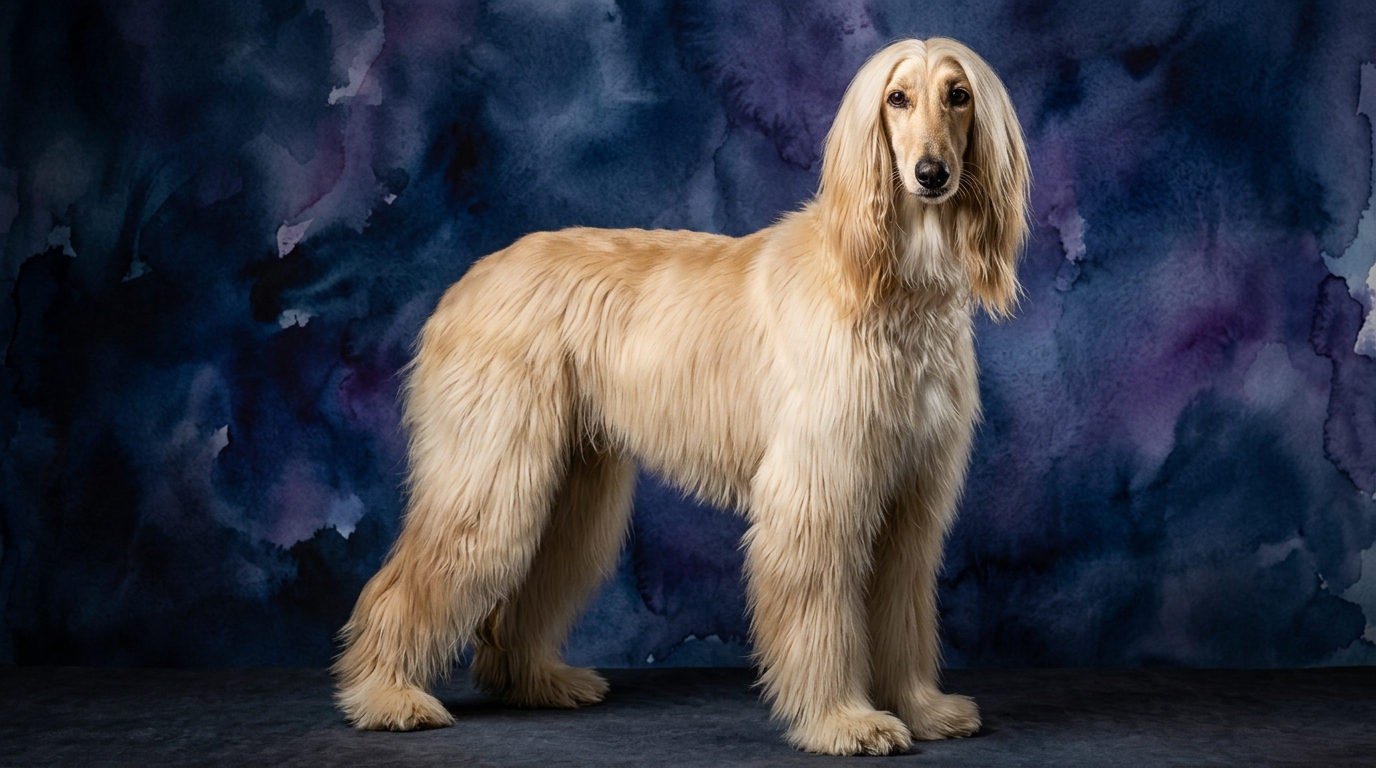
The Cosmic Pet Pet IQ Lab employs a multi-dimensional framework to assess canine cognition, revealing a nuanced spectrum of abilities. For the Afghan Hound, a breed often noted for its aloof charm, its Coren rank of #79 places it among breeds requiring more repetitions for new commands. Our lab data illuminates its Problem Solving at 4/5, indicating a strong capacity for independent thought and finding solutions, often on its own terms. Training Speed, however, registers at 1/5, reflecting its renowned independence and disinterest in repetitive instruction. Social Intelligence is 2/5, suggesting a more reserved approach to interactions, valuing personal space over constant engagement. Its Instinctive Drive, an impressive 5/5, highlights a powerful genetic predisposition for its sighthound heritage – the urge to chase and hunt by sight is deeply ingrained. Memory stands at 3/5, indicating a moderate ability to recall learned behaviors and experiences, though its selective nature might make it seem less consistent.
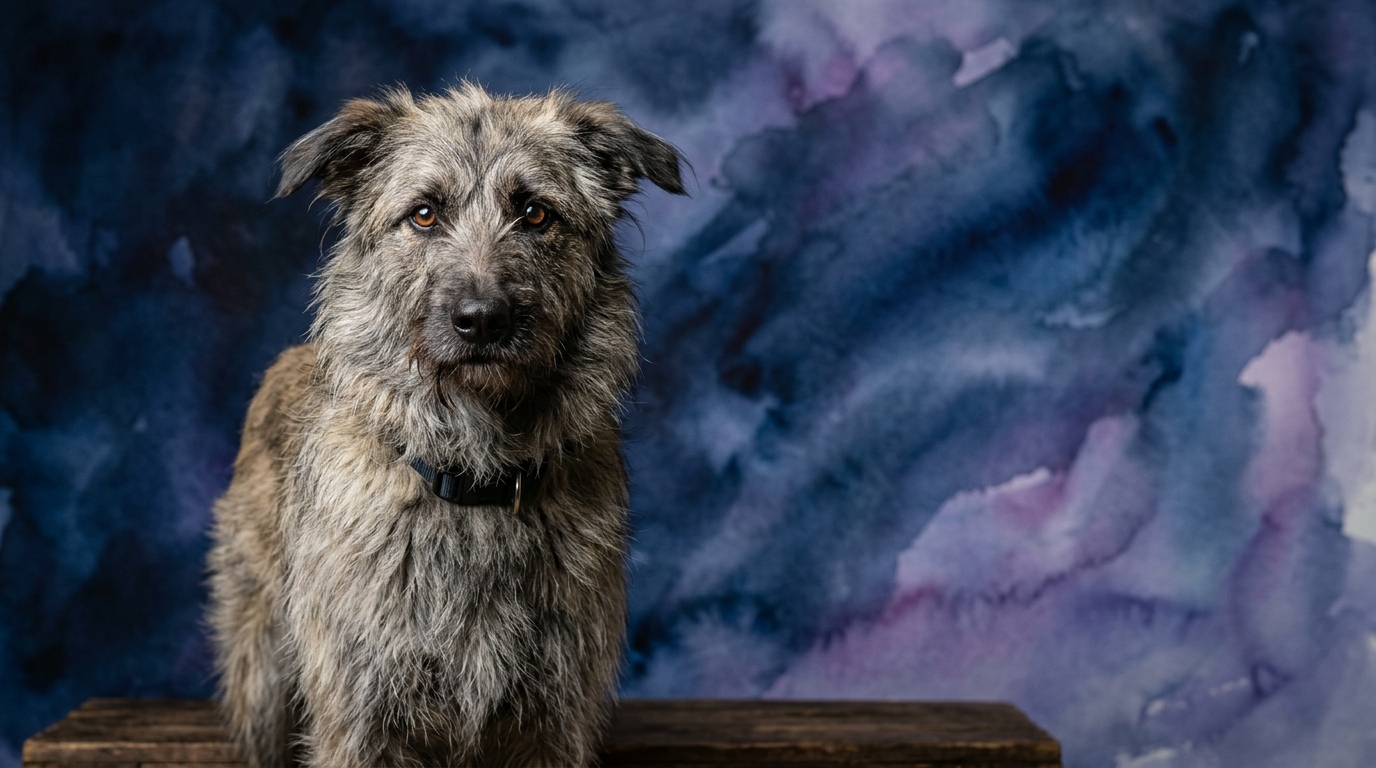
In contrast, the Pyrenean Shepherd, a spirited herding dog, does not feature on Coren's traditional ranking, but its cognitive profile paints a picture of a responsive and engaged worker. Its Problem Solving is rated 3/5, suggesting a practical intelligence focused on task completion, often in collaboration. Training Speed scores 3/5, indicating a willingness and moderate ease in learning new commands, though consistency is key. Social Intelligence is also 3/5, reflecting its historical role in managing flocks and interacting with its human handlers – it's attentive and can read cues effectively. Instinctive Drive, at 3/5, points to a balanced herding instinct; strong enough for duties but generally manageable. Memory is 3/5, similar to the Afghan Hound, suggesting a solid capacity for retaining information pertinent to its tasks and routines. These profiles underscore how ancestry and purpose profoundly influence a breed's mental architecture.
Where Afghan Hound Wins Cognitively
The Afghan Hound truly excels in independent Problem Solving, scoring 4/5. This isn't about solving puzzles for human approval, but rather about autonomous decision-making. Its historical role as a sighthound required it to track and hunt prey across vast, varied terrains without direct human command, necessitating a high degree of self-reliance and strategic thinking. This translates to a dog capable of devising its own solutions, often independently. Furthermore, its Instinctive Drive, a perfect 5/5, is a cognitive win in terms of pure genetic programming. This powerful, innate motivation for sight-hunting is unparalleled, making it supremely adapted for its original purpose and manifesting as an unwavering focus when a visual target presents itself. This drive, while challenging domestically, is a testament to its highly specialized and effective cognitive design.
Where Pyrenean Shepherd Wins Cognitively
The Pyrenean Shepherd demonstrates clear cognitive advantages in areas centered around cooperation and responsiveness. Its Training Speed, rated 3/5, significantly surpasses the Afghan Hound's 1/5, indicating a quicker grasp of new commands and a greater inclination to engage in learning sessions. This aptitude stems from its herding lineage, where rapid understanding and execution of handler cues were crucial for effective flock management. Similarly, its Social Intelligence, also 3/5, is a distinct win. This breed is more attuned to human communication and emotional states, making it more receptive to social learning and developing a strong working partnership. Its balanced Instinctive Drive (3/5) is also a practical win; while present, it's typically channeled into constructive activities like herding or dog sports, rather than solely into an overwhelming prey chase.
Which is Easier to Train and Why
Without question, the Pyrenean Shepherd presents an easier training journey compared to the Afghan Hound. This difference is rooted directly in their respective cognitive profiles. The Pyrenean Shepherd's Training Speed of 3/5 means it picks up new commands at a moderate pace, often eager to please its handler and engage in structured learning. Its Social Intelligence of 3/5 further aids this, as it is more likely to pay attention to human cues, body language, and vocalizations, fostering a more collaborative learning environment. Real behavioral differences include the Pyrenean Shepherd's tendency to form strong bonds and seek partnership, making it receptive to positive reinforcement and consistent guidance.
Conversely, the Afghan Hound's Training Speed of 1/5 reflects its profound independence and selective hearing. This breed was bred to make decisions far from its handler, prioritizing its own instincts over human directives. Its lower Social Intelligence (2/5) means it's less inclined to seek constant interaction or validation from humans during training. Behaviorally, an Afghan Hound might understand a command perfectly well but choose not to execute it if it perceives no immediate benefit or if a more interesting sensory input captures its attention. Training an Afghan requires immense patience, creativity, and a deep understanding of its sighthound motivations, often feeling more like negotiation than instruction.
Which Suits Active Owners vs. Relaxed Owners
The Pyrenean Shepherd is undoubtedly better suited for active owners. Its moderate Instinctive Drive (3/5) needs an outlet, often manifesting as a desire for structured activity, whether it's herding, agility, or long, engaging hikes. Its higher Training Speed and Social Intelligence mean it thrives on mental stimulation that comes from learning and working alongside its owner. An active owner can channel its energy and cognitive abilities into productive tasks, preventing boredom and potential destructive behaviors. This breed wants a job and a partner in its adventures.
The Afghan Hound, despite its athletic build and 5/5 Instinctive Drive for chasing, can paradoxically appeal to owners who might be considered more 'relaxed' in terms of structured daily activity, though not in terms of patience or management. While it requires bursts of intense running in a secure area to satisfy its chase drive, it often transitions quickly into a more serene, independent indoor presence. It doesn't typically demand constant mental engagement from its owner in the same way a herding dog does. A 'relaxed' owner, in this context, is one who appreciates a dog's independence, is prepared for occasional bursts of high-speed activity, and is comfortable with a companion that isn't always seeking direct, interactive play or training sessions. However, 'relaxed' certainly doesn't mean neglecting its exercise needs or the diligent management required to prevent its powerful prey drive from causing issues.
The Verdict
Choose Afghan Hound if: You admire profound independence, are prepared for a dog that makes its own decisions, and can provide secure, expansive areas for its intense, instinct-driven sprints, appreciating its calm, dignified presence indoors.
Choose Pyrenean Shepherd if: You seek an active, cooperative partner for various dog sports or outdoor adventures, value a dog that learns readily and thrives on human interaction, and are prepared to engage its keen mind and moderate herding drive daily.
🧠 Find Your Pet's IQ Score
Our Pet IQ Lab assessment covers 25+ tests across 5 cognitive dimensions — personalized to your breed.
Take the Full IQ Test →Frequently Asked Questions
Does the Afghan Hound's high Problem Solving score mean it's 'smarter' than the Pyrenean Shepherd?
Not necessarily. The Afghan Hound's 4/5 Problem Solving reflects its capacity for independent decision-making and finding solutions in its sighthound work. The Pyrenean Shepherd's 3/5 Problem Solving indicates a more collaborative, task-oriented intelligence; both are effective within their respective contexts.
How does the Pyrenean Shepherd's 'Not Coren-ranked' status impact understanding its intelligence?
Coren's ranking primarily assesses 'working and obedience intelligence,' focusing on trainability for commands. The Pyrenean Shepherd's absence simply means it wasn't part of that specific study; our multi-dimensional IQ Lab data offers a more comprehensive view of its cognitive strengths beyond obedience.
Can an Afghan Hound ever be as obedient as a Pyrenean Shepherd?
While an Afghan Hound can learn commands, achieving the consistent, prompt obedience often seen in a Pyrenean Shepherd is significantly more challenging due to the Afghan's low Training Speed and profound independence. Success with an Afghan requires exceptional patience, high-value motivation, and an acceptance of its inherent selective responsiveness.