Side-by-Side IQ Profile
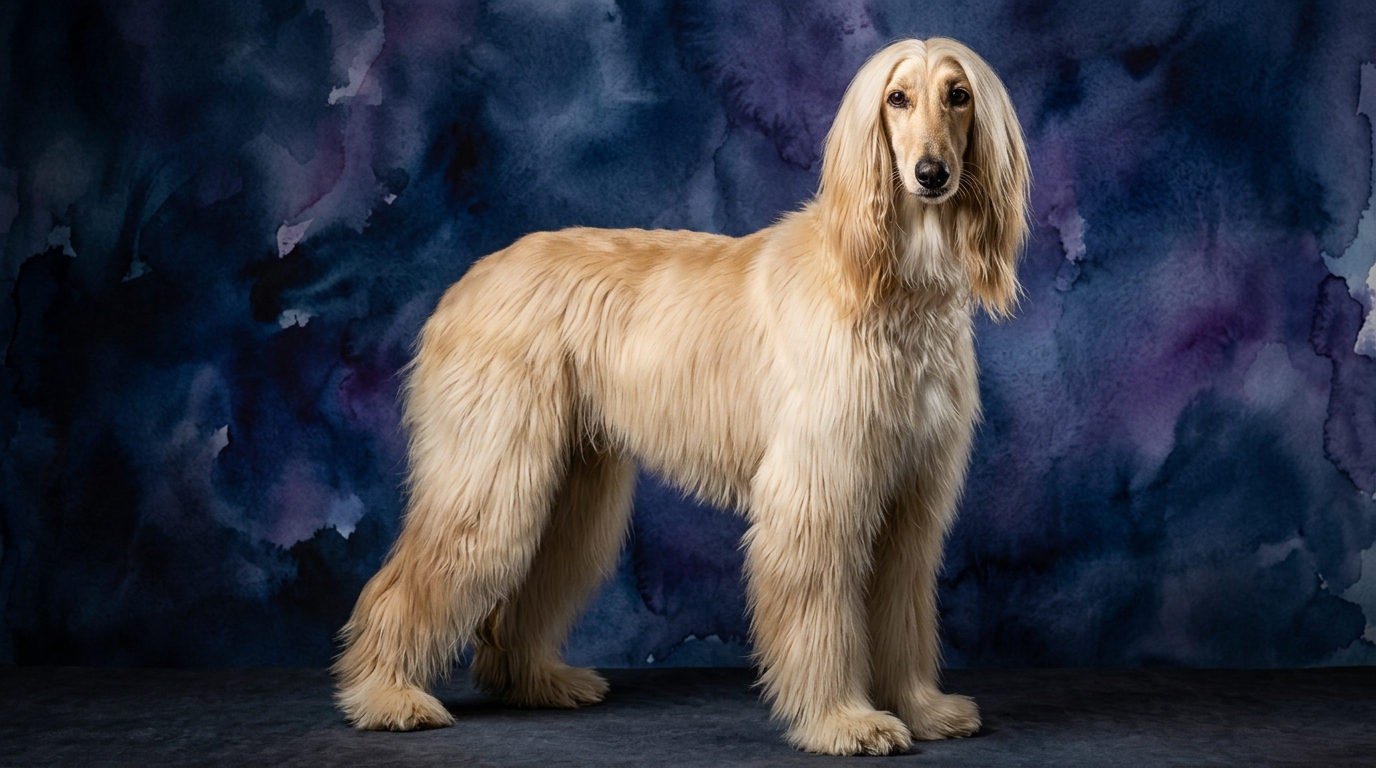
The Cosmic Pet Pet IQ Lab's profiles highlight significant differences between these two majestic Hound breeds. The Afghan Hound, ranking #79 on Coren's scale, exhibits a unique cognitive blend: exceptional Problem Solving at 4/5, indicating a strong capacity for independent thought and navigating complex situations on their own terms. However, their Training Speed is notably low at 1/5, suggesting a predisposition to learn human-directed commands at a much slower pace. Social Intelligence for the Afghan Hound is 2/5, pointing to a more independent nature less focused on human cues, while their Instinctive Drive soars at 5/5, reflecting an overwhelming inclination to follow their sighthound urges. Memory is an average 3/5.
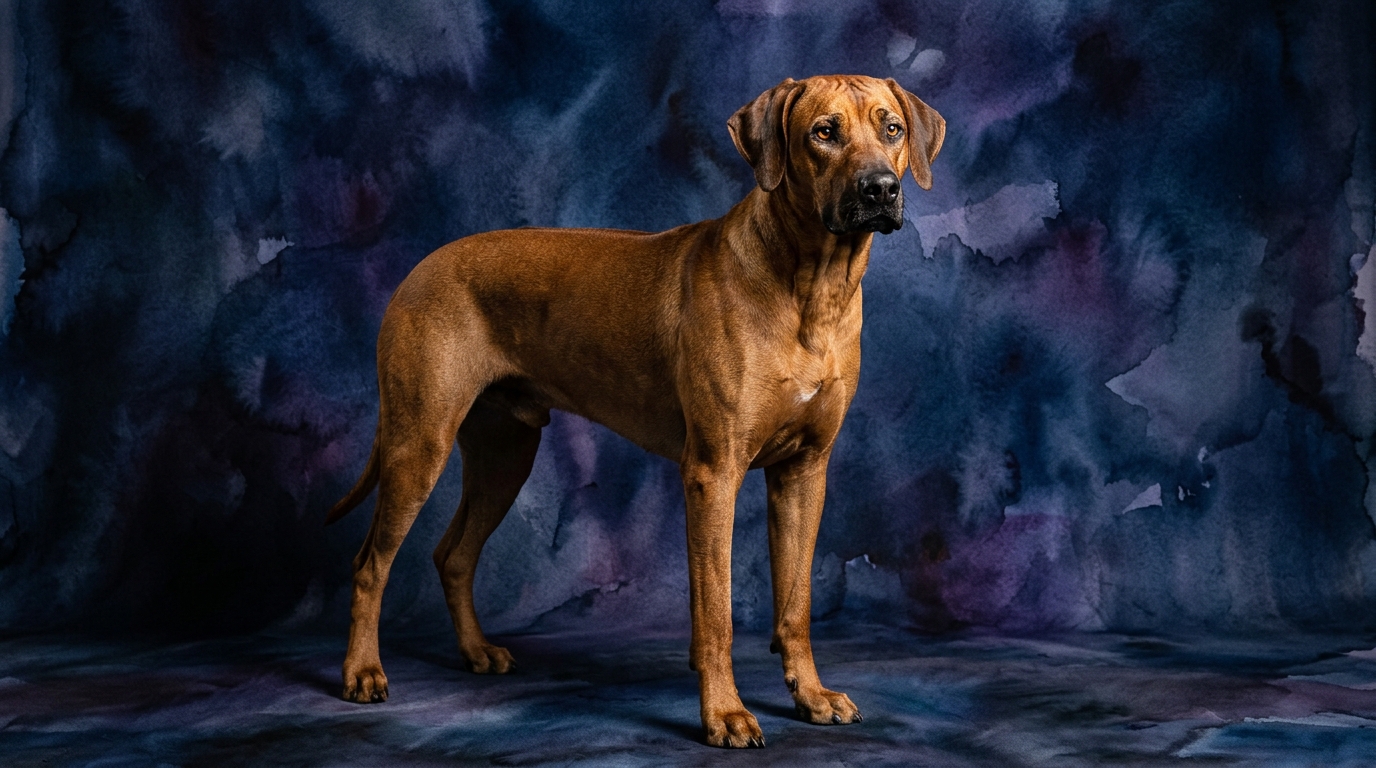
In contrast, the Rhodesian Ridgeback, holding a more central Coren rank of #52, presents a balanced cognitive profile. Their Problem Solving aptitude is 3/5, demonstrating capability without the same independent flair as the Afghan. Training Speed is 3/5, indicating a moderate and more receptive learning pace for commands. Social Intelligence is also 3/5, suggesting a greater attunement to human interaction and cues. Their Instinctive Drive is 3/5, present but perhaps more manageable than the Afghan's, and their Memory is also an average 3/5.
Where Afghan Hound Wins Cognitively
The Afghan Hound's cognitive prowess shines brightest in its Problem Solving ability, rated an impressive 4/5. This isn't about solving puzzles for human approval, but rather an innate capacity to independently assess and navigate their environment to achieve their own objectives. This high score reflects their historical role as hunters in rugged terrain, where autonomous decision-making was paramount for survival. An Afghan might cleverly figure out how to open a gate or bypass an obstacle to pursue a perceived quarry, demonstrating a sophisticated form of intelligence that prioritizes self-directed action over learned obedience. This cognitive strength means they can often devise creative solutions to challenges, even if those solutions aren't what their human companion intended.
Where Rhodesian Ridgeback Wins Cognitively
The Rhodesian Ridgeback demonstrates clear cognitive advantages in areas crucial for cooperative living and training. Their Training Speed, at 3/5 compared to the Afghan's 1/5, means they acquire new commands and routines much more efficiently. This aptitude for learning human-directed tasks makes them significantly more responsive to traditional training methods. Furthermore, their Social Intelligence, rated 3/5 against the Afghan's 2/5, indicates a greater predisposition to understand and react to human social cues, intentions, and communication. This enhances their ability to form cooperative bonds and work alongside their owners, leading to a more harmonious training experience and a stronger sense of partnership in daily life. Their higher Coren rank of #52 reinforces this general aptitude for working intelligence.
Which is Easier to Train and Why
When it comes to trainability, the Rhodesian Ridgeback presents a considerably more straightforward experience than the Afghan Hound. The Ridgeback's average Training Speed (3/5) means they grasp commands and desired behaviors within a reasonable number of repetitions. Their balanced Social Intelligence (3/5) contributes to this, as they are generally more attuned to their owner's instructions and eager to engage in collaborative activities. This predisposition for partnership, stemming from their history as big-game hunters requiring close coordination with humans, translates into a dog that often seeks to understand and comply. Conversely, the Afghan Hound's low Training Speed (1/5) demands immense patience and creativity. Their high Problem Solving (4/5) combined with their intense Instinctive Drive (5/5) means their independent thought and chase instincts often override human commands. They may understand what you want but choose to prioritize their own internal motivations, making them appear “stubborn” or “willfully disobedient.” Training an Afghan requires understanding their sighthound nature, utilizing positive reinforcement, and accepting that perfect recall might always be a challenge when a compelling chase opportunity arises.
Which Suits Active Owners vs Relaxed Owners
Both breeds require active owners, but their activity needs and how they integrate into an owner's lifestyle differ significantly. The Afghan Hound, with its extreme Instinctive Drive (5/5), thrives on opportunities for bursts of high-speed running in securely fenced areas. Their exercise often involves intense, independent sprints rather than long, structured endurance activities. An owner must provide outlets for this innate need to run and chase, understanding that off-leash excursions in unsecured areas are often risky due to their powerful prey drive. For a more “relaxed” owner, the Afghan can be surprisingly calm indoors once adequately exercised, but their independence means they might not be constantly seeking interaction. The Rhodesian Ridgeback also requires substantial daily exercise, but their needs often lean towards sustained activity like jogging, hiking, or participation in dog sports that involve owner collaboration. Their balanced Instinctive Drive (3/5) makes them generally more manageable on a leash and more receptive to engaging with their owner during exercise. For an owner seeking a dog that can keep pace on a long trail run or enjoy a structured game of fetch, the Ridgeback is often a better fit. While they enjoy lounging, they need consistent physical and mental engagement to prevent boredom and destructive behaviors.
The Verdict
For those who admire a dog with profound independent problem-solving skills, are prepared for a unique training journey rooted in deep sighthound instincts, and value a companion whose affection is earned and expressed on their own terms, choose the Afghan Hound.
For owners desiring a more cooperative and trainable companion, one who learns commands efficiently and is eager to engage in collaborative activities, offering a balanced blend of independence and responsiveness, choose the Rhodesian Ridgeback.
🧠 Find Your Pet's IQ Score
Our Pet IQ Lab assessment covers 25+ tests across 5 cognitive dimensions — personalized to your breed.
Take the Full IQ Test →Frequently Asked Questions
Are Afghan Hounds untrainable?
No, Afghan Hounds are not untrainable, but their low Training Speed and high independent Problem Solving mean they require a patient, consistent, and highly motivating approach, often differing from traditional obedience methods. Success comes from understanding their sighthound nature and using positive reinforcement.
Do Rhodesian Ridgebacks need a lot of mental stimulation?
Yes, Rhodesian Ridgebacks benefit significantly from mental stimulation beyond just physical exercise. Their average Problem Solving and Social Intelligence mean they thrive on consistent training, puzzle toys, and engaging activities that challenge their minds and foster their cooperative nature.
Which breed is better for a first-time dog owner?
Generally, the Rhodesian Ridgeback's higher Training Speed and Social Intelligence make them a more manageable option for a dedicated first-time dog owner, though both breeds require commitment. The Afghan Hound's extreme independence and training challenges typically suit more experienced owners.