Side-by-Side Cognitive Profiles: Decoding Distinct Minds
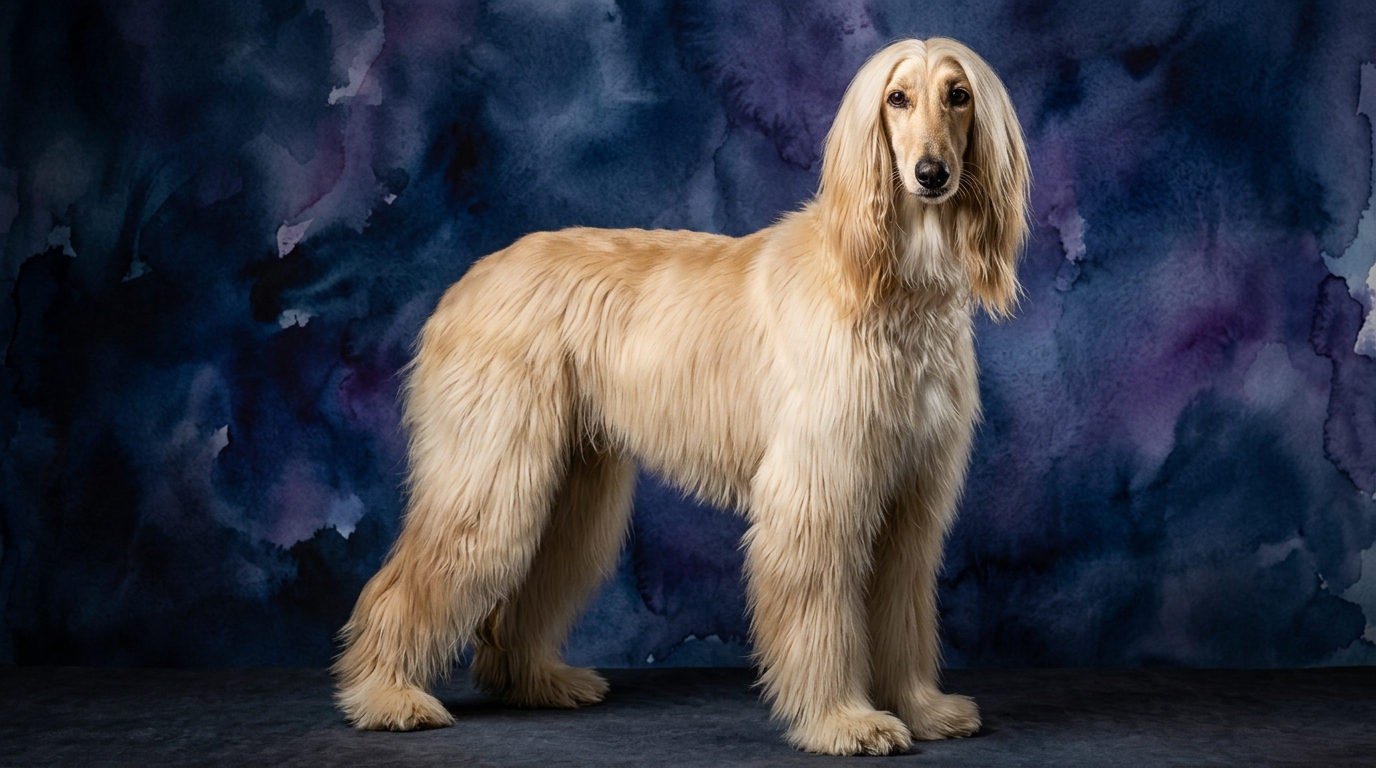
**Afghan Hound (Coren Rank #79):** These hounds exhibit strong independent problem-solving (4/5), particularly in complex environments where they must navigate obstacles or strategize during a chase; their historical role demanded self-reliance, fostering a mind adept at finding solutions without direct human instruction. The Afghan Hound's training speed is notably low (1/5), reflecting their independent nature rather than a lack of capacity; they process commands, but their motivation often prioritizes their own instincts and desires over human directives, requiring immense patience and creative engagement. While capable of forming deep bonds, their social intelligence (2/5) leans towards independence; they are less driven to constantly seek human approval or interpret subtle emotional cues, often appearing aloof or self-contained in social interactions. Their instinctive drive is exceptionally high (5/5), primarily focused on sight-hunting behaviors; this powerful urge to pursue anything that moves is a defining cognitive feature, influencing their attention, motivation, and environmental responses. Afghan Hounds possess a moderate memory (3/5), particularly effective for recalling routes, terrain, or the locations of perceived “prey”; they can remember commands and routines, but their recall might be selective, often overshadowed by their strong instinctive impulses.
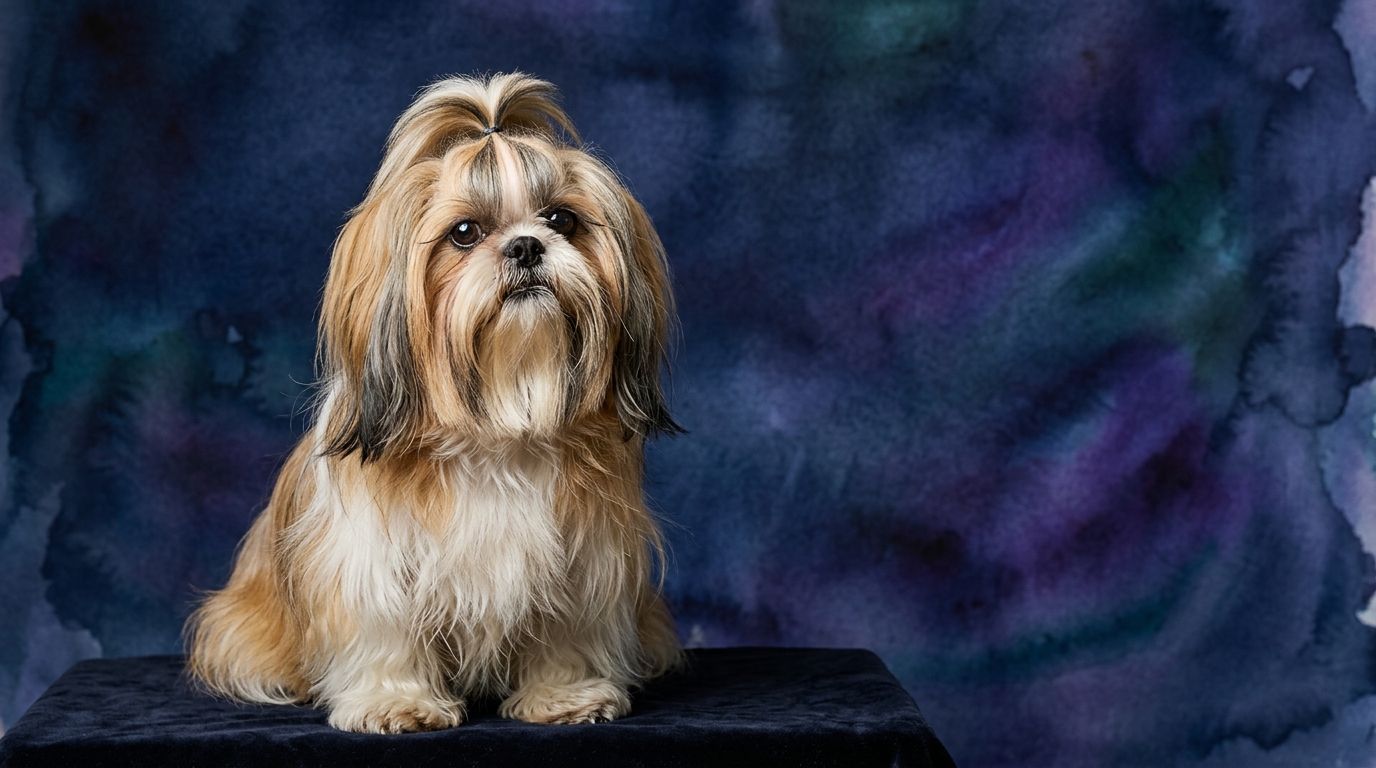
**Shih Tzu (Coren Rank #70):** Shih Tzus demonstrate a moderate capacity for problem-solving (3/5), often focused on navigating their immediate domestic environment or devising strategies to gain human attention; their solutions are typically less about independent outdoor survival and more about social dynamics. With a slightly higher training speed (2/5) than the Afghan Hound, Shih Tzus are generally more amenable to learning basic obedience and house rules; their desire to please and connect with their human companions provides a stronger motivational foundation for training. This breed excels in social intelligence (5/5), possessing an acute ability to read human emotions, intentions, and social cues; they thrive on interaction, often anticipating desires and adapting their behavior to fit household dynamics, making them highly attuned companions. The Shih Tzu's instinctive drive is comparatively low (2/5), having been selectively bred away from hunting or working roles towards companionship; while they retain some natural curiosity, their primary motivation is social interaction and comfort rather than primal urges. Shih Tzus also exhibit a moderate memory (3/5), particularly strong for recalling people, routines, and the specific behaviors that lead to positive human responses; they are adept at remembering where favorite toys are or which actions earn a treat.
Where the Afghan Hound's Cognition Shines Brightest
The Afghan Hound's cognitive strengths are deeply rooted in its ancestral purpose as a sighthound, excelling in areas demanding independent action and environmental mastery. Their exceptional problem-solving (4/5) truly comes alive when faced with complex spatial challenges, such as navigating varied terrain during a pursuit or finding their way through an unfamiliar outdoor environment. This isn't about solving puzzles for human approval, but about intrinsic motivation to achieve a goal, like locating a scent or sighting potential prey. Their instinctive drive (5/5) is a powerful cognitive engine, enabling them to maintain intense focus on a target, filtering out distractions that would deter other breeds. This single-mindedness, while challenging in a domestic setting, is a testament to their specialized intelligence for independent hunting, where split-second decisions and sustained effort are paramount. Their memory (3/5), while moderate, supports this drive by recalling the layout of a hunting ground or previous successful paths, contributing to their impressive self-sufficiency in the field.
The Shih Tzu's Cognitive Niche: Mastering Social Worlds
Conversely, the Shih Tzu’s cognitive prowess lies squarely in the realm of social intelligence, a trait honed over centuries for intimate human companionship. Their perfect 5/5 score in social intelligence means they are maestros at interpreting human communication, from subtle body language to shifts in vocal tone. This allows them to anticipate needs, offer comfort, or even gently manipulate situations to their advantage, such as charming their way onto a lap or into a treat. Their problem-solving (3/5), while not as geared for wilderness survival, is highly effective within a domestic context; they excel at figuring out how to get attention, open a cabinet, or find the most comfortable sunbeam. This cognitive focus on social dynamics makes them incredibly adaptable to family routines and emotional states, allowing them to integrate seamlessly into human households. Their moderate training speed (2/5) is also supported by this social acumen, as they are often eager to engage with their owners and learn behaviors that foster connection and positive reinforcement.
Training: Navigating Distinct Motivational Landscapes
The disparity in training ease between the Afghan Hound and the Shih Tzu stems directly from their divergent intrinsic motivations and social orientations. The Afghan Hound’s low training speed (1/5) is not an indicator of inability to learn, but rather a reflection of their profound independence and powerful instinctive drive (5/5). They process commands, but their decision to comply is often secondary to their innate desire to chase, explore, or follow an intriguing scent. Training an Afghan Hound requires exceptional patience, consistency, and a deep understanding of positive reinforcement tailored to their sighthound nature, often involving high-value rewards or incorporating their natural drive into training games. They are not dogs that live to please; they live to pursue. In contrast, the Shih Tzu’s slightly higher training speed (2/5) is amplified by their outstanding social intelligence (5/5). They are inherently motivated by human interaction, praise, and the desire to maintain harmony within their social group. This makes them significantly more responsive to traditional obedience training and house rules. While not always quick to grasp complex commands, their eagerness to engage and their sensitivity to human feedback make them generally easier to guide through learning processes, thriving on positive reinforcement and consistent, gentle methods.
Matching Breeds to Lifestyles: Active Explorers vs. Relaxed Companions
When considering which breed aligns with an owner's lifestyle, their cognitive profiles offer clear guidance. The Afghan Hound, with its dominant instinctive drive (5/5) and strong independent problem-solving (4/5), is best suited for active owners who appreciate and can accommodate a dog with an adventurous spirit and a need for substantial physical and mental exertion. These owners should be prepared for long, secure off-leash runs in safe, enclosed areas, or consistent engagement in sighthound-specific sports like lure coursing, which taps into their primal chase instincts. They thrive with owners who understand and respect their independent nature, who are patient with training, and who seek a companion that often makes its own decisions. Conversely, the Shih Tzu, defined by its high social intelligence (5/5) and lower instinctive drive (2/5), is an ideal match for relaxed owners seeking a devoted, emotionally attuned indoor companion. These dogs flourish in environments where they receive ample human attention, cuddles, and consistent, gentle interaction. Their exercise needs are moderate, typically met with daily walks and indoor play, making them suitable for apartment living or less physically demanding lifestyles. Owners who value a dog that is highly responsive to their moods and integrates seamlessly into a calm household will find the Shih Tzu a perfect fit.
The Verdict
Choose the Afghan Hound if you are an active, patient owner who appreciates an independent spirit, can provide ample outlets for their strong chase drive, and are prepared for a dog whose primary motivation is not human approval.
Opt for the Shih Tzu if you desire a highly social, emotionally responsive companion who thrives on close interaction, enjoys a more relaxed indoor lifestyle, and will readily integrate into your family's daily rhythm.
🧠 Find Your Pet's IQ Score
Our Pet IQ Lab assessment covers 25+ tests across 5 cognitive dimensions — personalized to your breed.
Take the Full IQ Test →Frequently Asked Questions
Are Afghan Hounds difficult to train because they are not smart?
Afghan Hounds are not 'not smart'; their intelligence is simply geared towards independent problem-solving and instinctive drives, not human-directed obedience. Their low training speed reflects their independent nature and preference for following their own instincts over commands, requiring patient and creative training methods.
How does a Shih Tzu's social intelligence manifest in daily life?
A Shih Tzu's high social intelligence means they are incredibly adept at reading human cues, such as your mood or intentions. They might offer comfort when you're sad, anticipate when you're about to leave, or subtly nudge you for attention, making them highly intuitive and responsive companions.
Which breed requires more mental stimulation?
Both breeds benefit from mental stimulation, but in different ways. Afghan Hounds require outlets for their problem-solving and instinctive drive, often through activities like lure coursing or complex scent games. Shih Tzus thrive on social interaction, puzzle toys that involve human engagement, and learning new tricks that deepen their bond with their owner.