Side-by-Side Cognitive Profiles
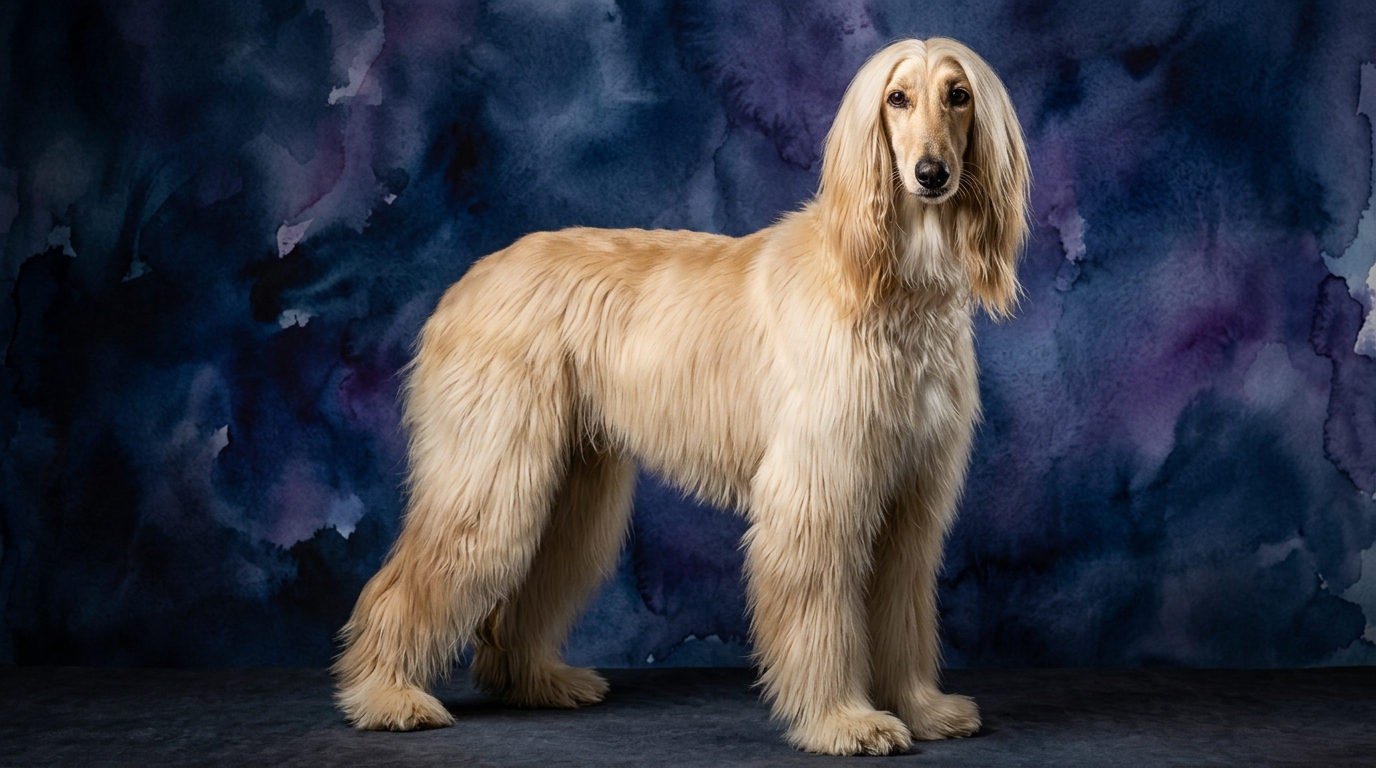
The Afghan Hound, a breed steeped in ancient history, exhibits a cognitive profile deeply shaped by its origins as a sighthound. Their problem-solving capacity, rated at 4 out of 5, suggests a strong aptitude for independent thought and navigating complex environments without constant human direction. This translates into a dog capable of devising its own strategies to achieve goals, whether it’s finding a way around an obstacle during a chase or securing a comfortable resting spot. However, this independent streak comes with a trade-off in training speed, which stands at a challenging 1 out of 5. For owners, this means that while an Afghan Hound can certainly learn, they require an extraordinary number of repetitions—often 80 to 100—to grasp new commands, and even then, their compliance is frequently contingent on their own motivation rather than a strong desire to please. Their social intelligence, at 2 out of 5, further underscores this self-reliance, indicating a selective engagement with human cues and a tendency to prioritize their internal impulses over external social pressures, making them less inclined to seek constant validation or direction from their human companions. Their instinctive drive is exceptionally strong at 5 out of 5, highlighting a profound prey drive and an inherent inclination towards their original sighthound purpose, demanding outlets for this powerful instinct. Memory, at 3 out of 5, suggests a moderate ability to retain information, but this memory is often applied to their independent tasks rather than rote commands, contributing to their Coren rank of #79.
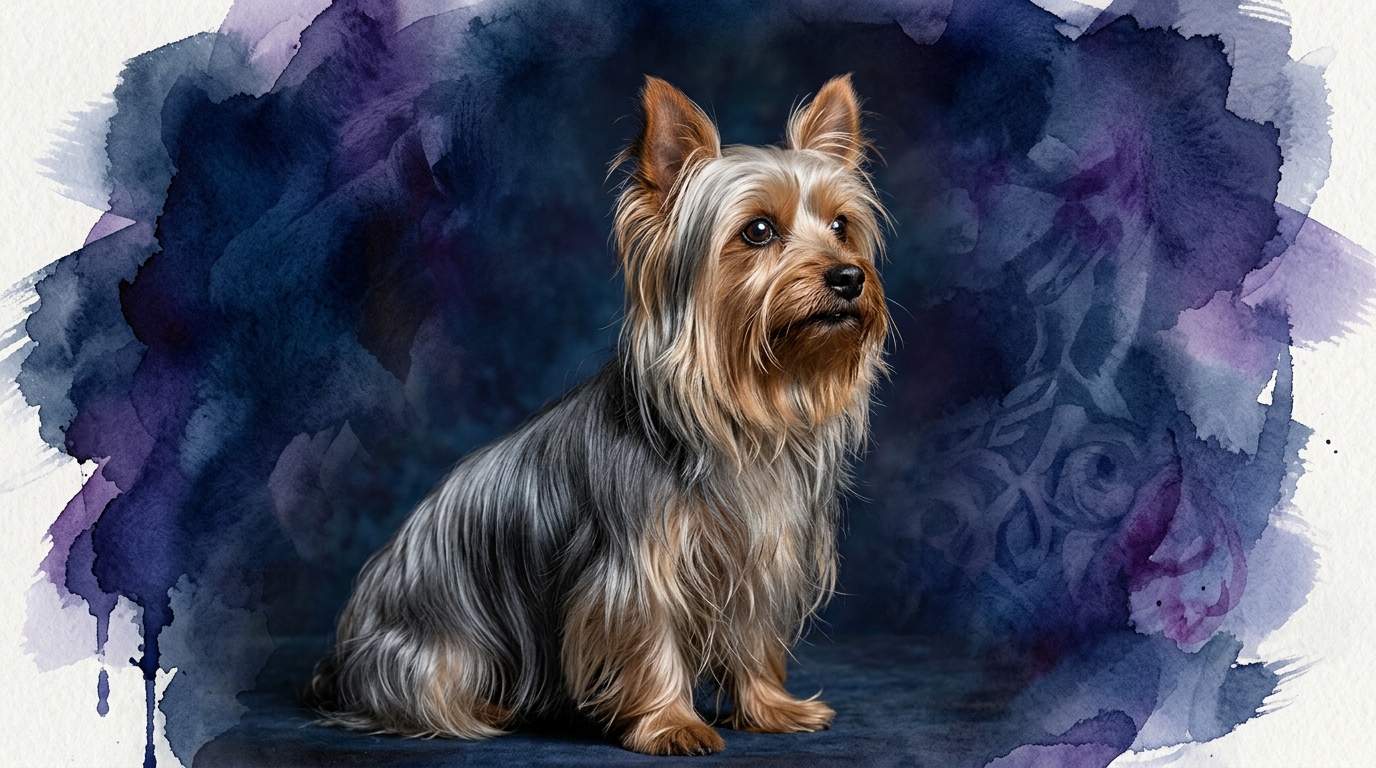
In contrast, the Silky Terrier presents a more balanced, versatile cognitive profile, despite not being included in Dr. Stanley Coren's traditional rankings. Their problem-solving ability, rated at 3 out of 5, reflects a solid capacity to tackle challenges, often seeking solutions that involve their human companions or learned behaviors. This balanced approach means they are less likely to act entirely on their own initiative but are quite capable of working through puzzles with some guidance. Their training speed, also 3 out of 5, indicates a reasonable pace of learning new commands and a willingness to respond to consistent, positive reinforcement, making them generally more amenable to structured training. Social intelligence, at 3 out of 5, shows a moderate capacity for understanding and responding to social cues, making them generally amiable and interactive within their family unit, though they possess a terrier’s characteristic sass. Their instinctive drive, rated at 3 out of 5, suggests a discernible terrier inclination for chasing and digging, but one that is typically more manageable and less overwhelming than the focused drive of a dedicated sighthound. Finally, their memory, at 3 out of 5, indicates a solid ability to recall information, contributing to their trainability and consistent behavior once a lesson is learned, making them reliable companions in daily routines.
Where the Afghan Hound Excels Cognitively
The Afghan Hound’s cognitive strengths lie profoundly in their capacity for independent problem-solving and their unwavering instinctive drive. With a problem-solving score of 4 out of 5, these dogs demonstrate a remarkable ability to assess situations and formulate solutions without relying on human intervention. This isn't about solving puzzle toys for treats; it's about navigating complex terrains, outsmarting perceived prey, or finding the most efficient path during a long chase. Their cognition is geared towards self-sufficiency in the field, making them adept at tasks that require sustained focus and autonomous decision-making. This translates into a dog that, when given a task aligned with its natural inclinations, can display impressive ingenuity and persistence. For instance, an Afghan Hound might expertly navigate a new, sprawling dog park, quickly identifying escape routes or optimal vantage points, leveraging their innate spatial reasoning and drive. Their 5 out of 5 instinctive drive fuels this cognitive process, meaning their minds are constantly engaged in processing environmental stimuli through the lens of their sighthound heritage, making them unparalleled in tasks requiring keen observation and swift, self-directed action based on visual cues.
Where the Silky Terrier Shines Cognitively
The Silky Terrier’s cognitive advantages are rooted in their balanced adaptability and more approachable social intelligence. While their individual scores of 3 out of 5 might not stand out as extreme, their consistency across the board—problem-solving, training speed, social intelligence, instinctive drive, and memory—makes them highly versatile. Their 3 out of 5 social intelligence means they are more attuned to human companionship and emotional nuances compared to the Afghan Hound, leading to more reciprocal interactions. This fosters a better environment for learning and cooperation, as they are more likely to seek engagement and cues from their owners. Their problem-solving skills, while not as fiercely independent as the Afghan, are often applied in a context that involves their human family, such as figuring out how to get a favorite toy from a high shelf or learning complex sequences of tricks. This adaptability makes them excellent candidates for various dog sports or advanced obedience, where a willingness to work collaboratively with a handler is paramount. They excel in environments where their cognitive abilities can be channeled through human partnership, demonstrating a readiness to learn and apply new information in a structured, interactive setting.
Ease of Training: A Tale of Two Temperaments
When it comes to ease of training, the differences between these two breeds are stark, largely due to their inherent temperaments and motivations. The Afghan Hound, with a training speed of 1 out of 5 and a Coren ranking of #79 (out of 79 breeds evaluated for obedience and working intelligence), presents a significant challenge for traditional obedience. Their low social intelligence of 2 out of 5 means they are not primarily motivated by a desire to please their human companions. Instead, their decisions are often driven by their powerful instinctive drive (5 out of 5) and independent problem-solving (4 out of 5). This manifests as a dog that requires immense patience, creativity, and consistency in training. Basic commands might take 80-100 repetitions to be internalized, and even then, compliance is often conditional. For example, a recall command might be ignored if a squirrel crosses their path, as their instinct to chase overrides any learned behavior. Owners must understand that an Afghan Hound's 'disobedience' is rarely malicious; it's simply a strong preference for their own agenda, deeply ingrained by centuries of independent hunting. Training them effectively means finding ways to make desired behaviors align with their natural drives, often through lure-and-reward techniques that appeal to their sighthound nature, rather than expecting eager submission.
Conversely, the Silky Terrier, with a training speed of 3 out of 5, is generally much more amenable to training. While they possess a terrier's spirited personality, their balanced social intelligence (3 out of 5) and moderate instinctive drive (3 out of 5) make them more responsive to human instruction and positive reinforcement. They are often eager to engage in learning activities, especially when treats or praise are involved, and their solid memory (3 out of 5) ensures that once a lesson is learned, it tends to stick. Silky Terriers thrive on interaction and mental stimulation, making training sessions an enjoyable bonding experience. They respond well to consistent, clear commands and can quickly grasp a wide range of obedience cues, tricks, and even agility courses. While they may exhibit typical terrier stubbornness from time to time, it is generally manageable with firm but gentle guidance. Their willingness to cooperate and their capacity for understanding social cues make them a much more straightforward breed to train for general companionship and even competitive activities, rewarding owners with a responsive and engaged partner.
Matching Breeds to Lifestyles: Active vs. Relaxed Owners
The distinct cognitive and behavioral profiles of the Afghan Hound and Silky Terrier dictate very different ideal owner lifestyles. The Afghan Hound is best suited for active owners who understand and can accommodate a dog with a powerful, independent spirit. Their profound instinctive drive (5 out of 5) means they require significant physical exercise, ideally in large, securely fenced areas where they can gallop freely. A short walk around the block is insufficient for this breed; they need opportunities to stretch their long legs and satisfy their urge to run. However, their 'active' requirement is less about constant human interaction in exercise and more about providing the space and freedom for them to engage their sighthound instincts independently. Owners must be prepared for their reserved social intelligence (2 out of 5), meaning they may not be the type of dog to constantly seek attention or readily engage with strangers. They thrive with owners who appreciate their dignified aloofness and can provide consistent, patient guidance through their unique training challenges, understanding that their compliance is often a negotiation. An ideal owner for an Afghan Hound is someone who is active outdoors, values a dog’s independent spirit, and is willing to invest substantial time in management and specialized training approaches to channel their strong drives safely.
The Silky Terrier, on the other hand, suits owners who are active in an interactive sense, valuing mental engagement and companionship. While they certainly require regular exercise to satisfy their moderate instinctive drive (3 out of 5) and maintain their terrier energy, their needs are more manageable than an Afghan Hound's. Daily walks, engaging playtime in a yard, and opportunities for mental stimulation through training or puzzle toys are generally sufficient. Their balanced social intelligence (3 out of 5) means they thrive on being an integral part of family activities, enjoying interactive games and training sessions with their humans. They are generally more adaptable to various living situations, including apartments, provided their exercise and mental needs are met. Owners who enjoy consistent training, teaching tricks, and including their dog in daily outings will find a rewarding companion in the Silky Terrier. They are a good fit for individuals or families who want a spirited, responsive, and affectionate dog that is eager to participate in shared experiences and forms strong bonds, without the extreme independent streak of a sighthound.
The Verdict
Choose the Afghan Hound if you are an experienced owner, value an independent and dignified companion, and are committed to meeting the extensive exercise and specialized training needs of a sighthound with a unique cognitive approach.
Opt for the Silky Terrier if you desire a spirited, interactive companion, appreciate a dog that is more responsive to training, and enjoy a balanced temperament that thrives on engagement within a family setting.
🧠 Find Your Pet's IQ Score
Our Pet IQ Lab assessment covers 25+ tests across 5 cognitive dimensions — personalized to your breed.
Take the Full IQ Test →Frequently Asked Questions
Is an Afghan Hound difficult to live with due to its low training speed?
An Afghan Hound's low training speed (1/5) means they require a patient, understanding owner who can embrace their independent nature. While basic obedience can be challenging, their intelligence manifests in problem-solving and self-sufficiency, rather than eager compliance to commands. Living with one requires adapting expectations and finding motivators beyond traditional obedience.
Do Silky Terriers require a lot of mental stimulation?
Yes, Silky Terriers benefit significantly from mental stimulation due to their balanced problem-solving and training speed scores (3/5). They enjoy learning new tricks, engaging with puzzle toys, and participating in interactive games with their owners. Providing regular mental challenges helps keep them engaged and prevents boredom-related behaviors.
Which breed is better for a first-time dog owner?
For a first-time dog owner, the Silky Terrier is generally a more suitable choice due to their moderate training speed, balanced social intelligence, and overall adaptability. Their willingness to engage and learn makes them more forgiving and rewarding for those new to dog ownership. The Afghan Hound's extreme independence and training challenges are typically better suited for experienced owners.