A Side-by-Side Look at Cognitive Profiles
The Cosmic Pet Pet IQ Lab employs five distinct dimensions to evaluate canine intelligence: Problem Solving, Training Speed, Social Intelligence, Instinctive Drive, and Memory. By examining these facets, we gain a nuanced understanding of how breeds like the Afghan Hound and Smooth Fox Terrier perceive and interact with their world, revealing the unique strengths and challenges each presents.
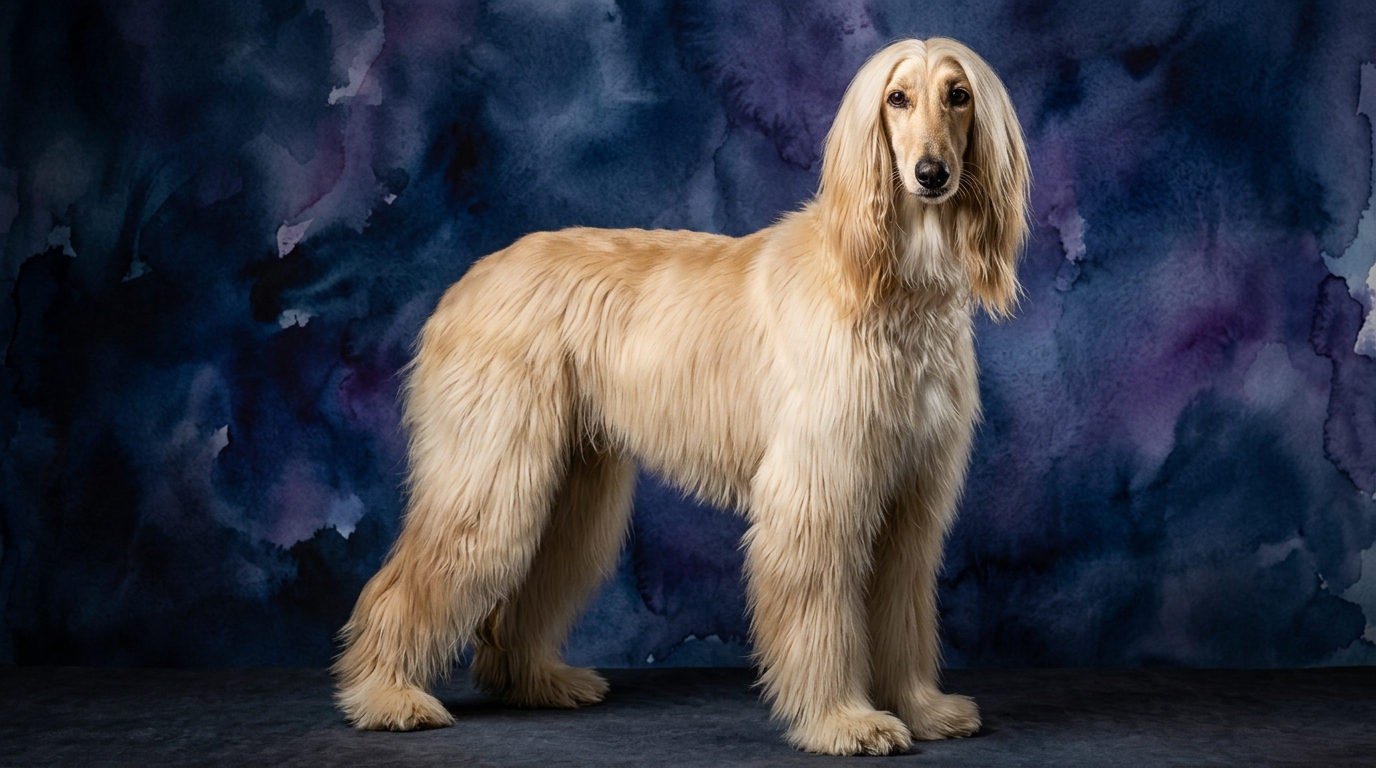
The Afghan Hound, a sighthound of regal bearing, scores a solid 4/5 in Problem Solving, indicating a capacity for complex thought, though often applied to self-serving objectives like navigating obstacles or achieving independent goals. Its Training Speed is notably low at 1/5, reflecting a deep-seated independence rather than a lack of comprehension. Social Intelligence stands at 2/5, suggesting a more aloof nature, forming bonds on its own terms and less reliant on human social cues. A powerful 5/5 in Instinctive Drive highlights its profound sighthound prey drive, dictating much of its interaction with the environment. Memory is moderate at 3/5, retaining information but often overridden by stronger instincts or preferences.
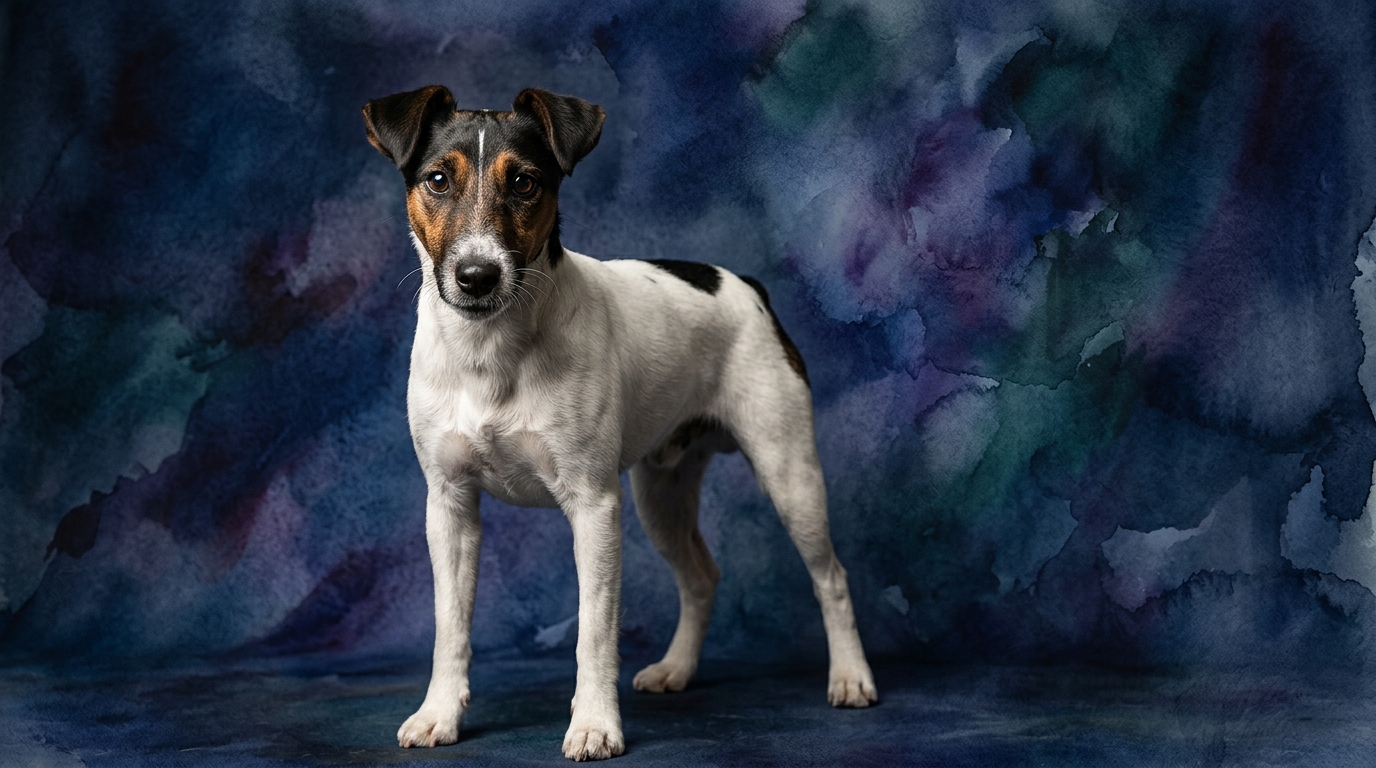
In contrast, the spirited Smooth Fox Terrier presents a more balanced cognitive profile. Its Problem Solving is rated 3/5, demonstrating practical resourcefulness in navigating its surroundings and engaging with challenges. Training Speed is 3/5, indicating an average learning pace, responsive to consistent and engaging methods, albeit with a terrier's characteristic tenacity. Social Intelligence is also 3/5, signifying a generally sociable nature within its family unit, capable of reading human cues but with an independent streak. Its Instinctive Drive at 3/5 is strong, reflecting typical terrier tendencies for digging and chasing, but often more manageable than a sighthound's. Memory is a reliable 3/5, allowing it to retain routines, commands, and experiences effectively.
Where the Afghan Hound's Mind Shines Brightest
The Afghan Hound's cognitive strengths are deeply rooted in its heritage as a sighthound, primarily evident in its Problem Solving (4/5) and unmatched Instinctive Drive (5/5). While not always directed towards pleasing an owner, their capacity for independent thought allows them to figure out complex solutions, whether it's navigating challenging terrain during a chase or cleverly bypassing barriers in a home environment. This isn't about rote learning; it's about applying intelligence to achieve personal objectives.
Their 5/5 instinctive drive is the defining characteristic of their cognitive processing. This profound, hardwired desire for chase means the world is often interpreted through movement and visual stimuli. This deep-seated instinct makes them exceptional at tasks requiring autonomous pursuit, swift and agile reactions, and an ability to make split-second decisions without human intervention. They are masters of independent action when their prey drive is engaged, showcasing a specialized form of intelligence honed for centuries.
The Afghan Hound's lower Social Intelligence (2/5) isn't a cognitive deficiency but rather a reflection of this independent, task-oriented brain. They are less inclined to rely heavily on human social cues because their historical role demanded self-sufficiency and focus on the hunt. This contributes to their often-aloof and dignified demeanor, indicating a mind that operates on its own terms, less concerned with constant human validation or direction.
Smooth Fox Terrier's Cognitive Edge
The Smooth Fox Terrier's cognitive profile, marked by more balanced scores across the board, highlights a different kind of mental agility, one that is highly adaptable and engaging. Its Problem Solving (3/5) is practical and often geared towards interaction or overcoming immediate obstacles with a directness that contrasts with the Afghan's more aloof approach. Terriers are inherently resourceful, quick to assess situations, and find straightforward solutions, especially when curiosity or a task is involved.
A key advantage for the Smooth Fox Terrier lies in its balanced Training Speed (3/5) and Social Intelligence (3/5). This combination means they are generally more receptive to human guidance and social interaction, making them more pliable in various training regimes and domestic environments. While they possess an independent spirit typical of terriers, their greater willingness to engage in cooperative tasks allows for easier integration into family life and a stronger response to human cues.
Their Instinctive Drive (3/5), though potent, is often channeled into more interactive or manageable forms compared to the Afghan Hound's overwhelming prey drive. Activities like digging, exploring, or engaging in playful 'hunting' games are common outlets for their cognitive energy. This allows owners to more effectively redirect and integrate these instincts into a structured lifestyle, making them highly responsive to mental stimulation and interactive challenges that tap into their natural curiosity.
Training Dynamics: A Tale of Two Temperaments
When it comes to training, the Afghan Hound's 1/5 training speed score is a direct indicator of its independent and often self-serving motivation. They are capable of understanding commands, but their compliance is frequently low, as their own instincts or comfort often take precedence. This necessitates an owner with exceptional patience, a nuanced understanding of positive reinforcement, and a willingness to approach training as an engaging collaboration rather than a strict command-and-obey dynamic. Their 3/5 memory means they recall what is asked, but often choose whether or not to comply.
The Smooth Fox Terrier, with its 3/5 training speed, presents a more willing, though still spirited, participant in training. They respond effectively to consistent, engaging training methods that tap into their 3/5 problem-solving and social intelligence. While they can exhibit a stubborn streak characteristic of terriers, their desire for interaction and mental stimulation often outweighs their independence, making them more adaptable and eager to learn when the process is made fun and rewarding.
Real-world behavioral differences highlight these cognitive contrasts. An Afghan Hound's recall is notoriously challenging, as its powerful 5/5 instinctive drive to chase often overrides any human command, making off-leash excursions risky without secure fencing. A Smooth Fox Terrier, while also prone to chasing, might be more easily re-engaged with a high-value reward or a familiar game, leveraging its social intelligence and moderate instinctive drive. Training an Afghan requires understanding and working within its sighthound brain, whereas training a Smooth Fox Terrier benefits from channeling its intelligent terrier tenacity.
Ideal Companions for Diverse Lifestyles
An owner best suited for an Afghan Hound is one who deeply appreciates a majestic, independent companion and understands the specific needs of a sighthound. This means providing ample, securely fenced space for running, respecting their need for independent exploration, and valuing their often-aloof affection. They thrive with owners who celebrate a sophisticated, sometimes detached, elegance and who are not seeking constant obedience or effusive displays of devotion, but rather a unique bond built on mutual respect for their distinct personality.
The Smooth Fox Terrier also demands an active owner, but of a different kind. This is an owner who enjoys interactive play, consistent mental challenges, and structured training, and who can provide productive outlets for their terrier's digging and investigating instincts. They flourish with individuals who are consistent, enjoy engaging their dog's boundless energy and curiosity, and are prepared for varied activities like agility, earthdog trials, or long, stimulating walks that cater to their spirited nature.
Crucially, neither breed is ideal for a truly 'relaxed' owner seeking a low-maintenance, couch-potato companion. Both the Afghan Hound and the Smooth Fox Terrier require significant physical and mental engagement, though the nature of that engagement differs. The Afghan needs space and respect for its autonomy, while the Smooth Fox Terrier needs interactive stimulation and consistent guidance to thrive.
The Verdict
Choose the Afghan Hound if you appreciate a majestic, independent companion with profound problem-solving abilities for its own pursuits, and you are prepared for a low training speed and a powerful prey drive.
Opt for the Smooth Fox Terrier if you desire an energetic, interactive partner with balanced cognitive skills, who enjoys engaging in training and activities, and you can channel its spirited terrier instincts.
🧠 Find Your Pet's IQ Score
Our Pet IQ Lab assessment covers 25+ tests across 5 cognitive dimensions — personalized to your breed.
Take the Full IQ Test →Frequently Asked Questions
Is the Afghan Hound truly difficult to train?
Yes, their 1/5 training speed score indicates significant challenge. They understand commands but often prioritize their strong instinctive drives and independent nature over immediate compliance, requiring immense patience and positive reinforcement to motivate them.
How do their problem-solving skills differ in practical terms?
The Afghan Hound excels at independent problem-solving for self-serving goals like escaping enclosures or finding food, driven by instinct. The Smooth Fox Terrier's problem-solving is often more interactive, geared towards engagement or overcoming obstacles in a more direct, less aloof manner.
Which breed is better with other pets?
The Afghan Hound's 5/5 instinctive drive means a very high prey drive, making them potentially challenging with smaller pets unless raised with them from a young age and carefully managed. The Smooth Fox Terrier's 3/5 instinctive drive is also significant, but often more manageable and can be channeled with consistent training, making integration potentially easier depending on individual temperament.