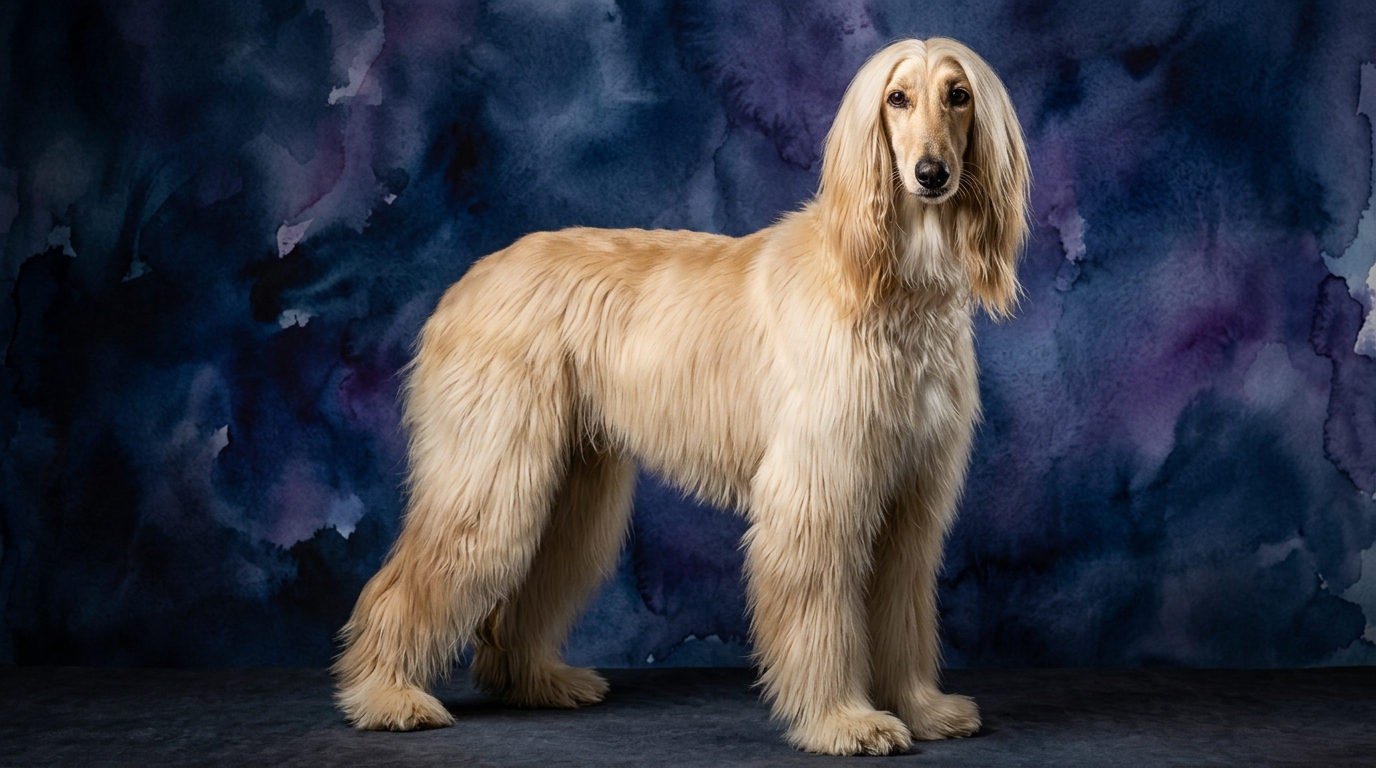
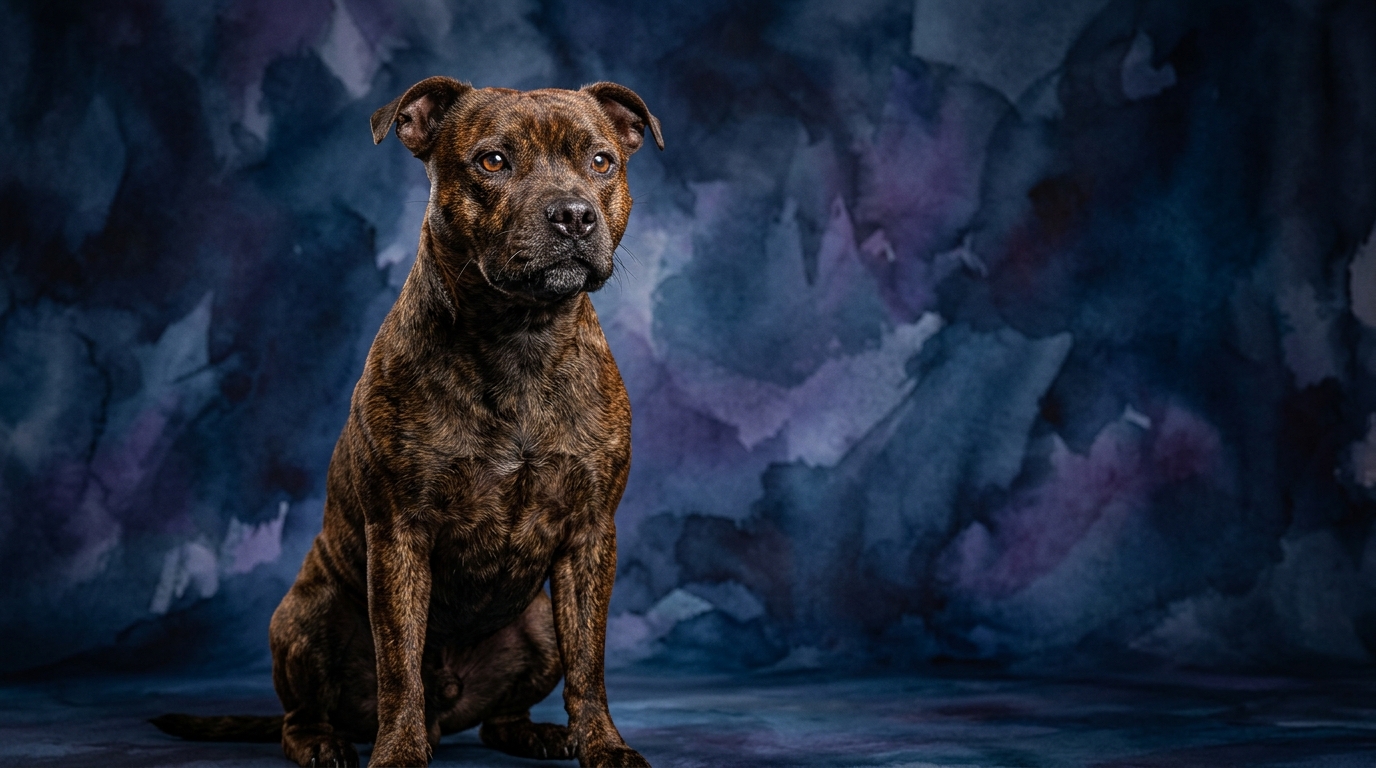
Side-by-Side IQ Profile: Afghan Hound vs. Staffordshire Bull Terrier
The Cosmic Pet Pet IQ Lab offers a detailed look into the cognitive strengths of these two distinct breeds. The Afghan Hound, a sighthound, is Coren-ranked #79, a position reflecting its unique blend of independence and specialized capabilities. Its IQ profile reveals a Problem Solving score of 4/5, indicating a strong capacity for independent thought, particularly in complex scenarios. However, its Training Speed is a challenging 1/5, highlighting a disinclination for repetitive instruction. Social Intelligence is rated at 2/5, suggesting a reserved nature in social interactions. Crucially, its Instinctive Drive is an exceptional 5/5, underpinning much of its cognitive framework, while its Memory stands at a moderate 3/5.
In contrast, the Staffordshire Bull Terrier, a terrier breed, is not Coren-ranked but offers a balanced and practical cognitive profile. Its Problem Solving ability is rated 3/5, demonstrating a capacity for practical solutions, often with human interaction. Its Training Speed is a moderate 3/5, indicating a reasonable receptiveness to learning new commands. Social Intelligence also scores 3/5, reflecting a generally adaptable and engaging social demeanor. The Staffy's Instinctive Drive is 3/5, a balanced level that allows for redirection and integration into family life, and its Memory matches the Afghan Hound at 3/5, capable of retaining routines and learned behaviors.
Where the Afghan Hound Excels Cognitively
The Afghan Hound's cognitive prowess shines brightest in its profound capacity for independent problem-solving and an unparalleled instinctive drive. With a problem-solving score of 4/5, these sighthounds demonstrate an advanced ability to assess complex situations, particularly in open environments, and devise their own solutions without constant human direction. This isn't about solving basic puzzle toys; it's about making sophisticated, split-second decisions to navigate challenging terrain, predict prey movements, and execute intricate chase strategies, all driven by their ancient hunting heritage.
Their 5/5 instinctive drive is not merely a physical trait but a deeply integrated cognitive function, shaping their perception of the world and fueling their independent thought processes. This powerful drive translates into an intense focus and persistence when pursuing a perceived goal, demonstrating a sophisticated, self-directed form of intelligence that prioritized the hunt above all else. Owners often witness this as a dog making complex calculations about speed, distance, and trajectory during a chase, showcasing a highly specialized and effective cognitive architecture for its original purpose.
Where the Staffordshire Bull Terrier Wins Cognitively
The Staffordshire Bull Terrier shines in areas reflecting their role as adaptable companions, particularly in training speed and social intelligence. Scoring 3/5 in both categories, the Staffy exhibits a more receptive and interactive form of cognition compared to the Afghan Hound. Their moderate training speed indicates a willingness to engage with human instruction and a capacity to learn new commands and routines with reasonable consistency. This contrasts sharply with the Afghan's independent nature, as Staffies often find motivation in pleasing their owners and thrive on collaborative learning experiences.
Furthermore, their 3/5 social intelligence highlights their adeptness at reading and responding to human cues, fostering strong bonds and making them highly attuned to the emotional atmosphere of their environment. This ability to integrate seamlessly into a family unit, understanding social dynamics and expectations, is a cognitive advantage that promotes harmonious living. Their balanced instinctive drive (3/5) also contributes to their cognitive flexibility, allowing their focus to be more easily redirected towards training and social interaction rather than being overwhelmingly dominated by a single, powerful instinct.
Training Dynamics: Which is Easier and Why
When considering ease of training, the Staffordshire Bull Terrier unequivocally holds the advantage over the Afghan Hound. The Staffy's training speed is rated at 3/5, a moderate pace that reflects their eagerness to interact and generally strong desire to please their human companions. They respond well to positive reinforcement, clear communication, and consistent routines, often thriving on the mental engagement that training provides. Their moderate instinctive drive (3/5) also means they are less likely to be entirely consumed by external distractions like a fleeting squirrel, allowing for more focused and productive training sessions.
In stark contrast, the Afghan Hound possesses a training speed of a mere 1/5. This isn't an indication of a lack of problem-solving ability, but rather a profound independence and a sighthound's inherent disinterest in repetitive commands or tasks not immediately relevant to their powerful prey drive. Their 5/5 instinctive drive means that even the most well-intentioned training can instantly unravel if a visual stimulus triggers their chase instinct, requiring an extraordinary level of patience, creativity, and understanding from their trainer. For the Afghan, compliance is often a negotiation, not an automatic response, making their training a marathon of consistency and innovative engagement rather than a sprint.
Tailoring to Lifestyles: Active vs. Relaxed Owners
The choice between these two breeds for active versus relaxed owners hinges significantly on their inherent cognitive drives and physical needs. The Afghan Hound, with its 5/5 instinctive drive and high physical demands as a sighthound, is unequivocally suited for highly active owners. These dogs require extensive opportunities to run and express their natural chasing behaviors in secure environments. Their cognitive stimulation often comes from engaging with their environment in a physically demanding way, making independent exploration and bursts of speed crucial for their mental well-being. A relaxed owner who cannot provide outlets for this intense drive will likely find themselves with a frustrated and potentially destructive companion.
Conversely, the Staffordshire Bull Terrier, while certainly an active breed, offers more adaptability. With a moderate instinctive drive (3/5) and a generally robust, energetic disposition, Staffies thrive with owners who enjoy regular walks, playtime, and mental challenges like training or puzzle toys. While they appreciate activity, their needs are more manageable than the Afghan's, allowing for periods of relaxation and indoor companionship. A moderately active owner who enjoys consistent engagement and can provide structured activities would find a Staffy a rewarding partner, as their cognitive needs are met through interaction and learning rather than solely through high-speed pursuit.
The Verdict
Opt for the Afghan Hound if you are a highly active, patient owner who understands and values profound canine independence and can provide extensive, safe outlets for a powerful sighthound's chase instinct. This breed is for those who appreciate a dog that thinks for itself and finds joy in self-directed action rather than constant human instruction.
Select the Staffordshire Bull Terrier if you seek an engaging, moderately active companion who thrives on human interaction, enjoys learning, and appreciates a balanced routine of play, training, and companionship. This breed suits owners who desire a cooperative partner and appreciate a dog that is socially adaptable and eager to please.
🧠 Find Your Pet's IQ Score
Our Pet IQ Lab assessment covers 25+ tests across 5 cognitive dimensions — personalized to your breed.
Take the Full IQ Test →Frequently Asked Questions
Are Afghan Hounds difficult to live with due to their independence?
Afghan Hounds are certainly independent, which can translate to a perceived stubbornness in training and a tendency to follow their nose or eyes over human commands. However, for owners who understand and appreciate this sighthound trait, providing ample exercise and mental stimulation, they can be elegant and affectionate companions. Their independence is a core part of their unique personality.
Is the Staffordshire Bull Terrier a good choice for first-time dog owners?
A Staffordshire Bull Terrier can be a good choice for dedicated first-time dog owners who are committed to consistent training, early socialization, and providing plenty of physical and mental stimulation. Their eagerness to please and social nature make them trainable, but their terrier tenacity requires a firm, fair, and patient approach. They thrive on clear boundaries and positive reinforcement.
How do their social intelligence scores impact their family life?
The Afghan Hound's 2/5 social intelligence suggests they might be more reserved, forming deep bonds with a select few and being less outwardly demonstrative or immediately welcoming of strangers. The Staffordshire Bull Terrier's 3/5 social intelligence indicates a greater adaptability and eagerness to engage with family members and generally be more open to social interactions, making them often perceived as more 'people-oriented' and integrated into daily family life.