The Cognitive Landscape: A Side-by-Side IQ Profile
At The Cosmic Pet Pet IQ Lab, we analyze canine intelligence across five key dimensions, offering a nuanced view beyond simple obedience. Comparing the Airedale Terrier, ranked #29 by Coren, with the Chow Chow, ranked #76, reveals distinct mental architectures that shape their behavior and suitability for various lifestyles. While both possess unique strengths, their cognitive profiles diverge significantly across our metrics, painting a clear picture of their intrinsic mental aptitudes.
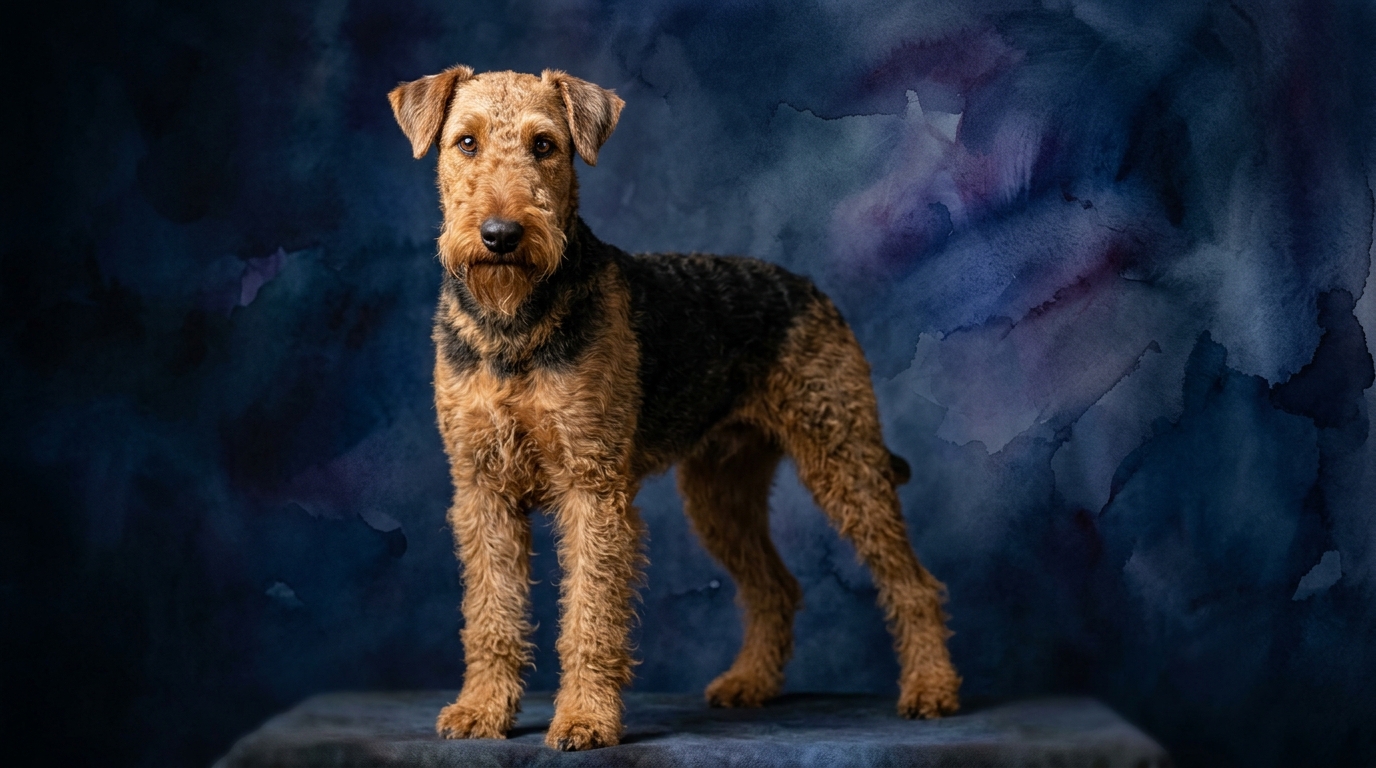
The Airedale Terrier exhibits a strong aptitude for Problem Solving (4/5), demonstrating a robust capacity to navigate novel situations and figure out solutions independently. Their Training Speed (4/5) is equally impressive, indicating a quick grasp of new commands and an eagerness to learn. Social Intelligence (3/5) suggests they understand human cues and form strong bonds, though they retain a characteristic terrier independence. Instinctive Drive (3/5) points to a moderate but focused prey drive and an investigative nature, typical of their heritage. Their Memory (4/5) is excellent, allowing them to retain complex information and build upon past learning experiences effectively.
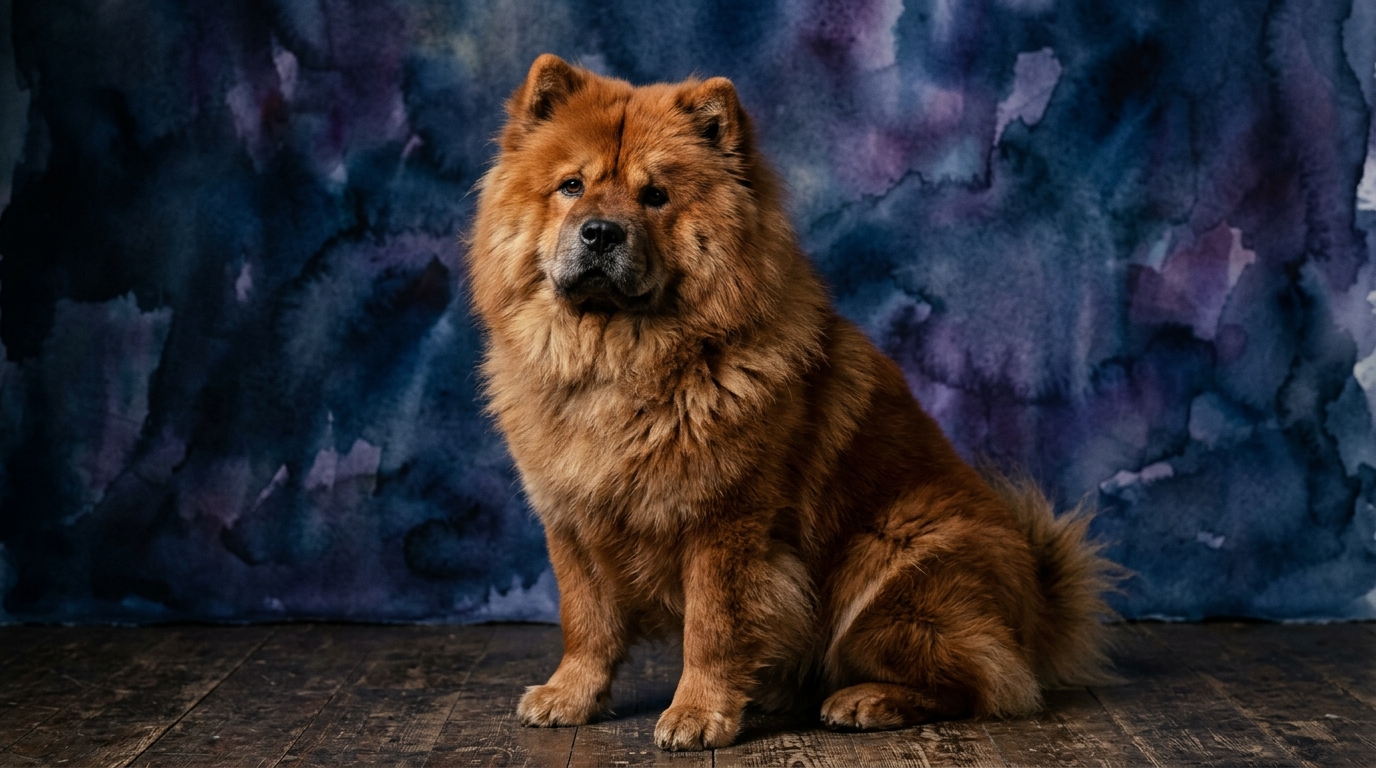
In contrast, the Chow Chow presents a different cognitive blueprint. Their Problem Solving (3/5) is adequate, meaning they can resolve issues but might prefer simpler paths or require more direct guidance. Training Speed (3/5) is steady; they learn consistently but often at their own pace, demanding patience and repetition. Social Intelligence (3/5) indicates an ability to comprehend social dynamics, though they typically express this through reserved loyalty rather than overt engagement. Instinctive Drive (3/5) manifests as a moderate protective instinct and some hunting drive, but generally with a calm, self-possessed demeanor. Their Memory (3/5) is functional, allowing them to remember routines and commands, but perhaps requiring more consistent reinforcement for long-term retention compared to breeds with higher scores.
Airedale's Cognitive Edge: Agility and Retention
The Airedale Terrier's cognitive strengths shine brightest in areas demanding mental agility and information retention. With a Problem Solving score of 4/5, they are adept at navigating complex environments, often devising ingenious, albeit sometimes mischievous, ways to achieve their goals. This translates into a dog that can quickly assess situations, learn from trial and error, and adapt their behavior to new challenges, making them engaging companions for owners who enjoy interactive problem-solving games or intricate obedience routines. Their innate curiosity drives them to explore and understand their surroundings, leading to continuous mental engagement.
Coupled with their superior Memory (4/5), Airedales are exceptionally good at retaining learned behaviors and past experiences. This strong recall makes advanced training not just possible, but often a rewarding endeavor, as they build upon a cumulative knowledge base. An Airedale remembers commands, routines, and even the specific ways certain puzzles are solved, allowing for a progressive learning curve. This robust memory also contributes to their ability to anticipate events and understand patterns in their daily lives, making them highly predictable in established routines but also capable of surprising owners with their cleverness in novel situations.
Chow Chow's Unique Cognitive Strengths: Discernment and Self-Possession
While the Chow Chow's scores don't reflect overt 'wins' in raw processing speed or complexity compared to the Airedale, their cognitive profile represents a distinct form of intelligence centered on discernment, self-reliance, and a profound sense of self-possession. Their Social Intelligence (3/5) isn't about eager participation but rather a deep, selective understanding of their chosen human companions, leading to an unwavering, quiet loyalty. This means they excel at observing and processing social cues to form incredibly strong, albeit exclusive, bonds, often anticipating their owner's needs without needing explicit instruction.
The Chow Chow's Problem Solving (3/5) and Instinctive Drive (3/5) contribute to a cognitive style that prioritizes efficiency and independence over constant engagement. They are capable of solving problems, but often prefer a straightforward approach, or will simply choose to disengage if a task seems unnecessary or overly complicated from their perspective. Their cognitive strength lies in their ability to be content with their own company, requiring less constant mental stimulation from their owners. This self-contained nature is a valuable cognitive trait for owners seeking a dignified companion that is not overly demanding of constant interaction, but rather offers a calm, steadfast presence.
Training Dynamics: Airedale's Eagerness vs. Chow Chow's Deliberation
When it comes to ease of training, the Airedale Terrier generally presents a more straightforward path for most owners. Their Training Speed of 4/5 means they grasp new commands quickly, often with just a few repetitions. This rapid learning is fueled by their high Problem Solving (4/5) and excellent Memory (4/5), allowing them to connect actions with consequences and retain that information over time. Airedales typically enjoy the mental engagement of training and view it as an opportunity for interaction, making them responsive to positive reinforcement and eager to please within their independent terrier spirit. Their natural curiosity and desire to engage make them active participants in the learning process.
The Chow Chow, with a Training Speed of 3/5, requires a different approach to training. They are capable of learning, but their independent and discerning nature means they often need more patience, consistency, and a clear understanding of 'what's in it for them.' Unlike the Airedale's eagerness, a Chow Chow might process commands deliberately, and if they don't see the immediate value, they may choose not to comply. Their social intelligence, while strong in loyalty, doesn't translate into an overt desire to please a wide array of people; rather, they reserve their efforts for those they deeply trust. Training a Chow Chow demands respect for their self-possessed nature and a commitment to consistent, positive methods that build trust without being overly demanding or repetitive in a way they perceive as pointless.
Lifestyle Match: Active Engagement vs. Calm Companionship
The cognitive profiles of these two breeds clearly delineate their suitability for different owner lifestyles. The Airedale Terrier, with its high problem-solving capacity, quick training speed, and robust memory, thrives with active owners who can provide consistent mental and physical engagement. They excel in activities like agility, advanced obedience, tracking, or even just complex puzzle toys and long, varied walks that stimulate their curious minds. Owners who enjoy teaching new tricks, engaging in interactive play, and providing a structured yet stimulating environment will find the Airedale to be an incredibly rewarding and responsive companion. Their need for mental work means they are not content to simply 'be' without purpose.
Conversely, the Chow Chow is better suited for more relaxed owners who appreciate a dignified, less overtly demanding companion. While they still require regular, moderate exercise to maintain physical health, their cognitive makeup means they are content with less structured, constant mental stimulation. Their self-possessed nature and discernment allow them to enjoy quiet companionship, observing their surroundings rather than constantly seeking active participation. Owners who value a loyal, independent presence and are prepared to offer patient, consistent guidance without expecting effusive enthusiasm will find the Chow Chow's calm demeanor and deep affection a perfect match. They are not a dog for those seeking a constant playmate or an 'always-on' mental partner.
The Verdict
Choose an Airedale Terrier if you seek an interactive, mentally agile companion who thrives on learning, problem-solving, and active participation in varied activities, appreciating their quick wit and independent spirit.
Opt for a Chow Chow if you value a dignified, self-possessed companion offering quiet loyalty and deep, selective affection, and are prepared to offer patient, consistent guidance to a dog content with its own thoughtful presence.
🧠 Find Your Pet's IQ Score
Our Pet IQ Lab assessment covers 25+ tests across 5 cognitive dimensions — personalized to your breed.
Take the Full IQ Test →Frequently Asked Questions
Are Airedale Terriers good for first-time dog owners?
Airedale Terriers can be suitable for first-time owners who are committed to consistent training and providing ample mental and physical stimulation. Their intelligence and independent streak mean they require an owner who can guide them firmly and patiently, channeling their energy constructively.
Do Chow Chows generally get along with other pets?
Chow Chows can coexist with other pets, especially if raised with them from a young age, but their independent and sometimes dominant nature means careful introductions are crucial. They often prefer to be the sole canine companion or require very specific social dynamics with other animals within the household.
How much exercise does a Chow Chow need compared to an Airedale Terrier?
An Airedale Terrier typically requires significantly more vigorous exercise and mental stimulation daily, often needing long walks, runs, and engaging play sessions. A Chow Chow, while still needing regular walks to maintain health, is generally content with moderate activity and less intense, structured exercise, preferring a calmer routine.