The Cosmic Pet Pet IQ Lab: Side-by-Side Profiles
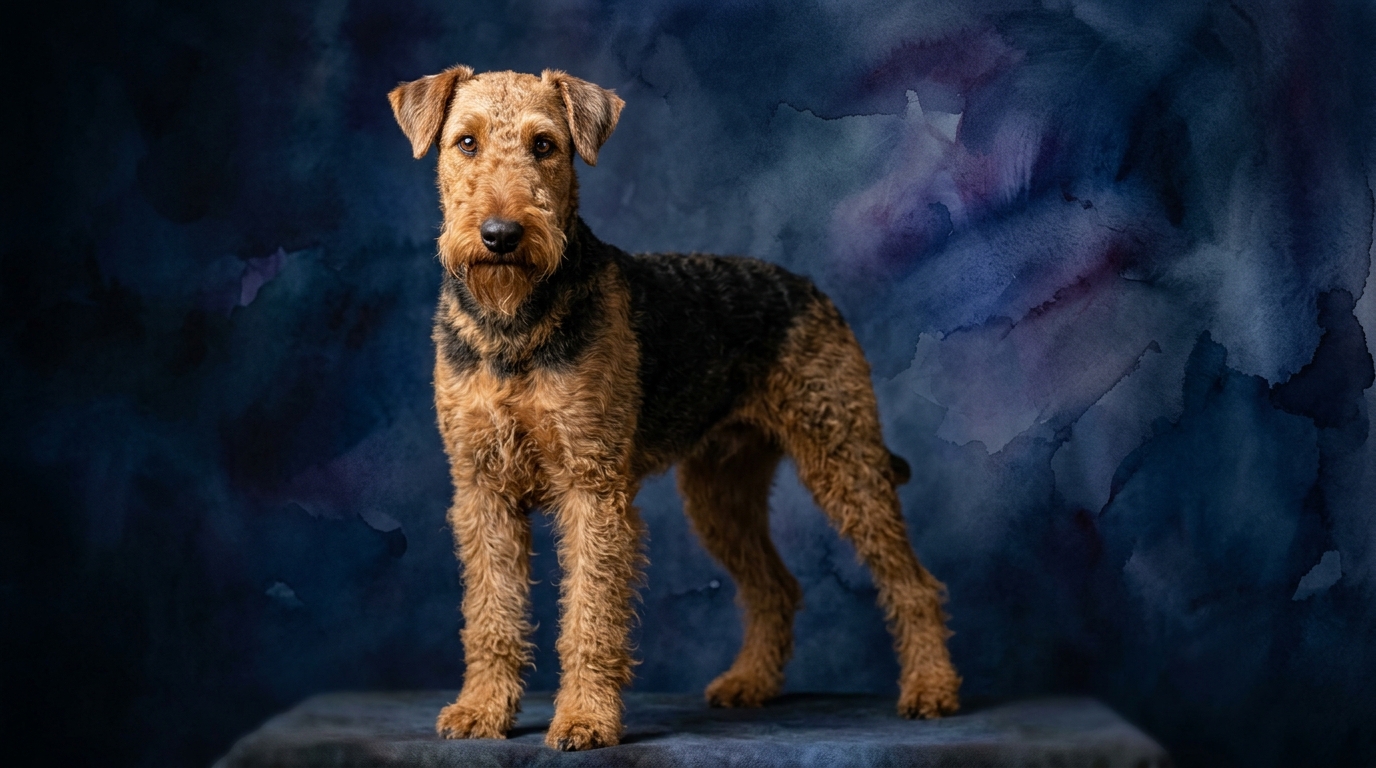
The Cosmic Pet Pet IQ Lab employs five key dimensions to evaluate canine intelligence, offering a nuanced view beyond simple obedience. For the Airedale Terrier, we observe a Coren rank of #29, placing it among breeds with a notable capacity for understanding new commands. Its Problem Solving is rated 4/5, suggesting a strong ability to independently figure out solutions to novel challenges. Training Speed also scores 4/5, indicating a quick grasp of new concepts and commands. Social Intelligence is 3/5, reflecting a balanced capacity for interacting with humans and other canines. Instinctive Drive, at 3/5, points to a moderate but focused set of natural behaviors, typical of terriers. Memory stands at 4/5, signifying a robust ability to recall learned behaviors and experiences over time.
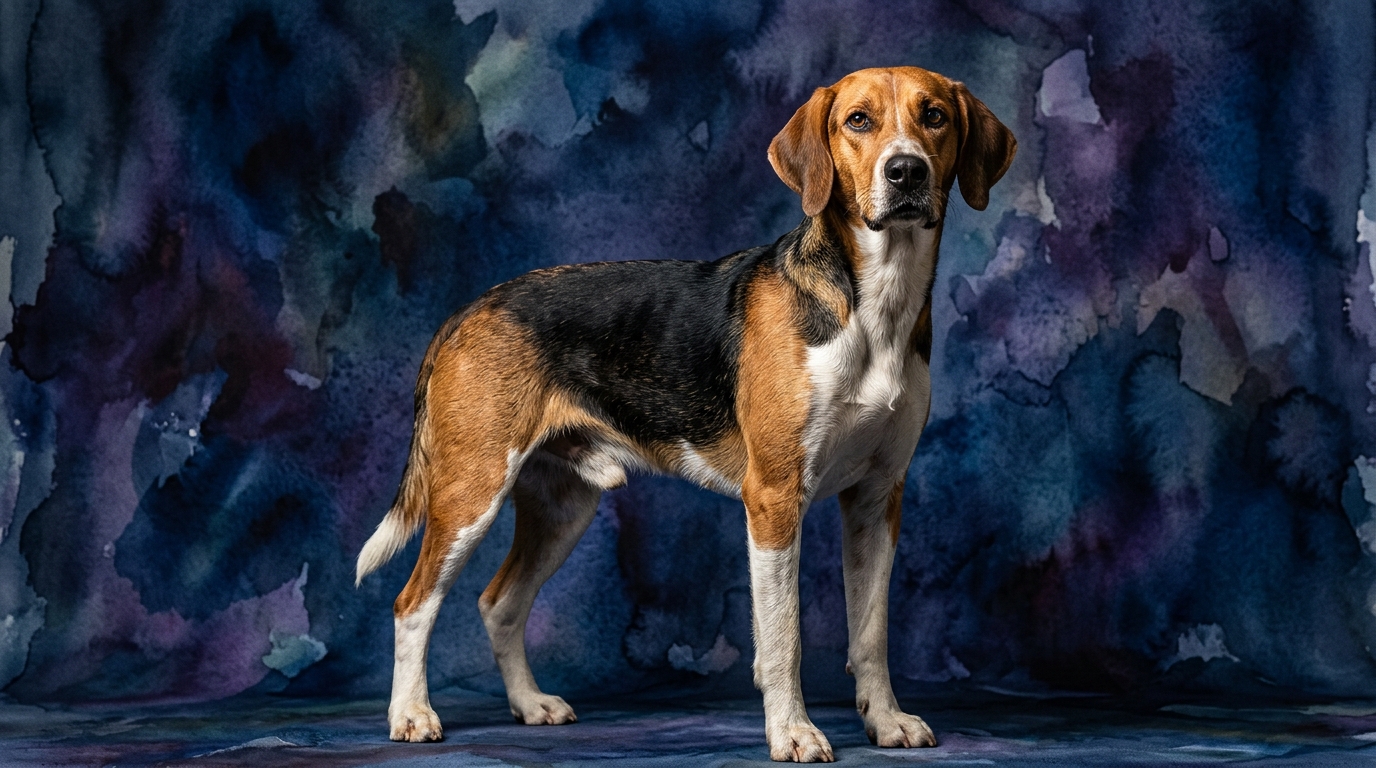
The English Foxhound, while not Coren-ranked, presents a different cognitive blueprint, reflecting its millennia-old role as a cooperative hunting companion. Its Problem Solving is rated 3/5, suggesting a practical intelligence geared towards navigating its environment rather than abstract puzzles. Training Speed also sits at 3/5, implying a steady, perhaps slower, but ultimately consistent learning curve. Social Intelligence is 3/5, indicating a strong capacity for pack dynamics and cooperative interaction. Instinctive Drive is 3/5, but critically, this drive is hyper-focused on scenting and tracking, a specialized cognitive strength. Memory is 3/5, suggesting a reliable recall for familiar routines and scent patterns, though perhaps less for complex, multi-step sequences.
Where the Airedale Terrier Excels Cognitively
The Airedale Terrier's higher scores in Problem Solving (4/5), Training Speed (4/5), and Memory (4/5) paint a picture of a canine capable of independent thought and rapid learning. Its Problem Solving prowess means an Airedale is more likely to assess a situation and devise its own strategy, whether that's figuring out how to open a cabinet or bypass an obstacle. This isn't about blind obedience but an active engagement with its environment, seeking solutions.
The superior Training Speed signifies that an Airedale will typically absorb new commands and routines with fewer repetitions. This quick cognitive uptake makes them responsive to varied training methodologies and capable of advancing to more complex tasks swiftly. Coupled with a strong Memory, the Airedale can retain a vast repertoire of commands and experiences, making them adaptable to different roles, from family companion to performance sport participant, recalling intricate sequences long after initial learning.
Where the English Foxhound's Strengths Lie
While the English Foxhound's general IQ scores are numerically lower or equal to the Airedale's, its cognitive strengths are highly specialized and perfectly aligned with its purpose. Its Instinctive Drive (3/5) is profoundly dedicated to scent work, representing an extraordinary sensory intelligence. This isn't just about following a trail; it involves complex cognitive processing of scent discrimination, memory for scent patterns, and strategic navigation based purely on olfactory input, a 'problem-solving' of a different, highly evolved nature.
The English Foxhound's Social Intelligence (3/5), while numerically equal, manifests differently. It excels in cooperative pack dynamics, communicating effectively with other hounds and human handlers during a hunt. This is a cognitive strength in collaborative effort, less about individual human-dog bonding and more about seamless group function. Its Problem Solving (3/5) and Memory (3/5) are robust within its domain, enabling it to track over vast distances and remember complex routes, prioritizing the hunt above all else.
Training: A Contrast in Approaches
Training an Airedale Terrier benefits significantly from its 4/5 Training Speed and 4/5 Problem Solving. They learn quickly, but their independent terrier spirit means an owner must be consistent and engaging. An Airedale will likely challenge commands if they don't see the purpose, requiring clear motivation and a firm but fair hand. Their quick memory means mistakes can be learned just as fast as good habits, so early, positive reinforcement is key to channeling their cognitive abilities effectively.
The English Foxhound's 3/5 Training Speed and powerful Instinctive Drive (3/5 for scent) present a different training challenge. Their primary motivation is often the scent trail, making recall and focus in distracting environments particularly difficult. Training requires immense patience, consistency, and an understanding that their nose is their world. While they can learn commands, the process is typically slower, and breaking focus from a scent can be a lifelong endeavor. Their social intelligence means they respond well to cooperative training within a group but might be less inclined to individual obedience drills if a more compelling scent is present.
Matching Owners: Active Lifestyle, Different Demands
Neither the Airedale Terrier nor the English Foxhound is suited for a truly relaxed, sedentary owner; both require significant engagement. The Airedale, with its higher Problem Solving and Memory, thrives with owners who can provide consistent mental challenges alongside physical exercise. This might involve advanced obedience, agility, puzzle toys, or varied training sessions that keep its quick mind occupied. They need an owner who appreciates and can channel their independent, sometimes mischievous, cognitive energy.
The English Foxhound demands an owner dedicated to providing extensive physical exercise, ideally in large, secure areas where they can run freely and engage their powerful scenting abilities. Their cognitive needs are met through sustained physical activity and opportunities to follow their nose, rather than complex mental puzzles. An owner must understand that this breed's primary cognitive fulfillment comes from exploring and tracking, making long walks, hikes, or even scent work games essential for their well-being. A relaxed owner simply cannot meet the profound physical and olfactory drive of this breed.
The Verdict
Choose the Airedale Terrier if you seek a quick-witted, independent companion who thrives on mental challenges and varied training, and you are prepared for a dog that thinks for itself. They excel with owners who appreciate their cognitive agility and can channel their terrier tenacity into productive activities.
Opt for the English Foxhound if your lifestyle revolves around extensive outdoor activity, and you are willing to embrace a dog whose world is defined by scent and the joy of the chase. They are best suited for owners who understand and can accommodate their deep-seated instinctive drives and preference for a more cooperative, less individually focused relationship.
🧠 Find Your Pet's IQ Score
Our Pet IQ Lab assessment covers 25+ tests across 5 cognitive dimensions — personalized to your breed.
Take the Full IQ Test →Frequently Asked Questions
Is the English Foxhound difficult to train due to its lower training speed?
The English Foxhound's 3/5 Training Speed indicates it learns at a steady pace, but its strong scent drive can make training challenging, especially recall. Consistency, patience, and positive reinforcement are vital, focusing on rewarding attention and disengagement from scents.
Do Airedale Terriers require a lot of mental stimulation?
Yes, with Problem Solving and Memory both at 4/5, Airedale Terriers thrive on mental challenges. Without adequate engagement through training, puzzles, or varied activities, their independent nature can lead them to invent their own, potentially unwelcome, forms of entertainment.
Which breed is better for a first-time dog owner?
Neither breed is typically recommended for a truly novice owner due to their specific needs and strong personalities. However, the Airedale Terrier's higher training speed and adaptability might make it a slightly more manageable choice for a dedicated first-timer willing to invest heavily in training and mental enrichment, compared to the English Foxhound's profound exercise and scenting demands.