
Side-by-Side Cognitive Profiles
The Cosmic Pet Pet IQ Lab's assessment provides a detailed look into five key cognitive dimensions for each breed. For the Airedale Terrier, known for its versatile working background, we observe a Problem Solving score of 4/5, indicating a strong capacity for independent thought and strategic planning. Their Training Speed is also rated 4/5, reflecting their quick grasp of new commands and routines. Social Intelligence for the Airedale stands at 3/5, suggesting a solid understanding of family dynamics but sometimes prioritizing their own terrier inclinations. Their Instinctive Drive, rated 3/5, points to a moderate but persistent urge for activities like hunting and digging. Finally, their Memory is strong at 4/5, allowing them to retain complex information and experiences.
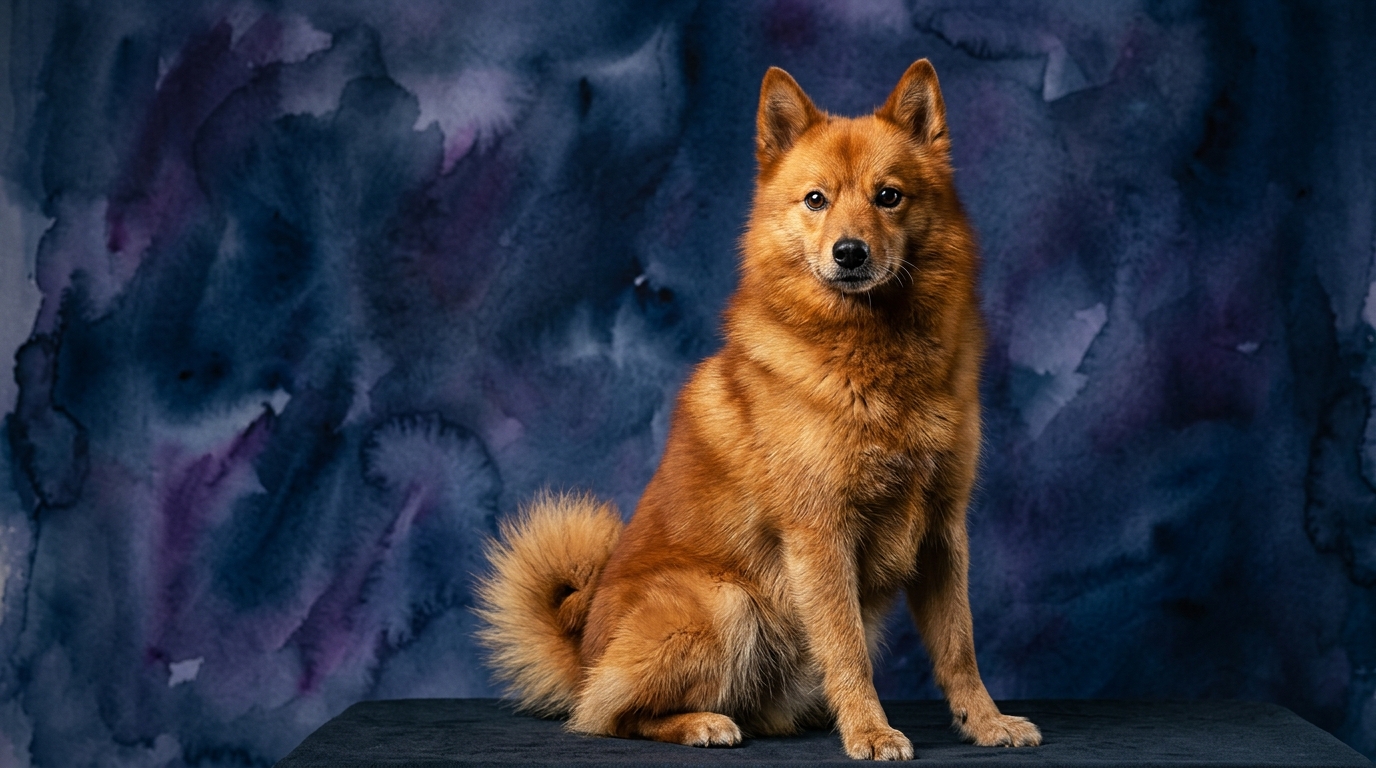
The Finnish Spitz, a breed celebrated for its unique vocalizations and hunting prowess, presents a slightly different cognitive fingerprint. Their Problem Solving ability scores 3/5, meaning they are practical learners who benefit from guidance, though they may not always devise novel solutions independently. Training Speed for the Finnish Spitz is 3/5, indicating a steady learning pace that thrives on consistent, positive reinforcement. Their Social Intelligence also rates 3/5; they form deep bonds within their family but can be reserved with strangers, showcasing a discerning social awareness. Instinctive Drive is likewise 3/5, predominantly focused on their heritage as a barking bird dog with keen observation and alerting behaviors. Their Memory is rated 3/5, providing reliable recall for routines and learned behaviors, sufficient for their daily life and roles.
Where the Airedale Terrier Excels Cognitively
The Airedale Terrier demonstrates clear cognitive advantages in areas requiring proactive thought and retention. Their Problem Solving score of 4/5, compared to the Finnish Spitz's 3/5, means an Airedale is more likely to independently figure out how to open a cabinet, escape a yard, or manipulate a puzzle toy without direct human intervention. This isn't just about physical dexterity; it's about the mental process of strategizing and adapting to achieve a desired outcome.
In terms of Training Speed, the Airedale's 4/5 rating surpasses the Finnish Spitz's 3/5. An Airedale will typically pick up a new command or a complex sequence of behaviors with fewer repetitions. They generalize learned concepts more readily, applying a 'sit' command from the living room to a busy park with greater ease. This quicker comprehension allows for more advanced and nuanced training, making them adept at learning intricate tasks or sports like agility. Their superior Memory (4/5 versus 3/5) underpins this, ensuring that once a lesson is learned, it is retained for a considerable duration, making retraining less frequent and skill progression more fluid.
Unique Strengths of the Finnish Spitz's Cognition
While the Finnish Spitz may not outscore the Airedale in raw cognitive metrics, its 3/5 scores across most dimensions represent a balanced and functional intelligence perfectly suited for its specialized historical role. Its Instinctive Drive at 3/5 is specifically channeled into its 'barking bird dog' behavior, a unique cognitive adaptation where vocalization is a primary problem-solving tool for alerting hunters to game. This is not merely generic barking but a sophisticated, purposeful communication system, a distinct cognitive strength for its purpose.
The Finnish Spitz's consistent 3/5 in Social Intelligence and Problem Solving suggests a self-sufficient and independent nature. Unlike breeds that might become anxious or destructive without constant human interaction, the Finnish Spitz is content to observe its surroundings and engage on its own terms. This independence, a product of its cognitive makeup, means it thrives in environments where it can exercise its own judgment, making it a robust companion for owners who appreciate a dog with a strong sense of self, rather than one constantly seeking direction.
Ease of Training: Airedale Terrier vs. Finnish Spitz
Based on their respective Training Speed scores, the Airedale Terrier (4/5) is generally easier to train than the Finnish Spitz (3/5). The Airedale's quicker comprehension and memory mean they absorb new commands and routines with fewer repetitions. They are often eager to engage in mental challenges and can excel in various dog sports or complex obedience tasks, provided training remains engaging and consistent to counter their independent streak.
The Finnish Spitz, while certainly trainable, requires more patience and a nuanced approach. Their 3/5 Training Speed indicates they learn at a steady pace but may take longer to grasp new concepts. Their independent nature and sometimes sensitive disposition mean that harsh methods are counterproductive; positive reinforcement, short sessions, and clear communication are essential. Owners may find the Finnish Spitz more prone to 'selective hearing' if not sufficiently motivated, reflecting their innate self-reliance rather than a lack of ability.
Matching Breeds to Owner Lifestyles
The Airedale Terrier's higher scores in Problem Solving, Training Speed, and Memory make them an excellent fit for active owners who relish engaging their dog in various activities. These include advanced obedience, agility, tracking, or even roles as working companions. Owners who enjoy teaching new tricks and providing consistent mental stimulation will find the Airedale a rewarding partner, as their cognitive capacity thrives on challenge and purpose. Their energy and quick wit demand an owner who can match their enthusiasm and provide structured outlets for their intelligence.
The Finnish Spitz, with its balanced 3/5 scores and strong instinctive drive for observation and vocalization, is well-suited for owners who appreciate a dog with a unique character and a degree of independence. While still needing regular exercise, they might appeal to owners who enjoy hiking, birdwatching, or simply having a keen-eyed, vocal companion who is self-sufficient indoors. Their cognitive profile suits an owner who understands and values their ancestral purpose and is prepared to manage their vocal nature, rather than seeking a constantly compliant or highly dependent companion.
The Verdict
Choose the Airedale Terrier if you seek a highly trainable, versatile companion eager to engage in complex problem-solving and learn advanced commands quickly.
Opt for the Finnish Spitz if you appreciate an independent, vocal companion with a unique hunting heritage, content with steady learning and a distinct personality.
🧠 Find Your Pet's IQ Score
Our Pet IQ Lab assessment covers 25+ tests across 5 cognitive dimensions — personalized to your breed.
Take the Full IQ Test →Frequently Asked Questions
Which breed is better for first-time dog owners?
The Airedale Terrier's quicker training speed might make it seem easier, but its independence and need for mental stimulation can be challenging. The Finnish Spitz's independence also requires an understanding owner, so neither is a 'beginner's dog' in the traditional sense, but the Airedale's trainability might be slightly more forgiving for a dedicated novice.
Do Finnish Spitz bark excessively due to their instinctive drive?
Yes, the Finnish Spitz's 3/5 Instinctive Drive is heavily tied to their heritage as a 'barking bird dog,' meaning they have a natural inclination to vocalize, especially when excited or observing their surroundings. This is a core part of their cognitive makeup and needs to be understood and managed, not suppressed, through appropriate training and outlets.
Can Airedale Terriers live in apartments?
Airedale Terriers can adapt to apartment living if their significant exercise and mental stimulation needs are consistently met. Their 4/5 problem-solving and memory means they get bored easily without engagement, which can lead to destructive behaviors if not properly channeled, regardless of living space.