Side-by-Side IQ Profile: Airedale Terrier vs. West Highland White Terrier
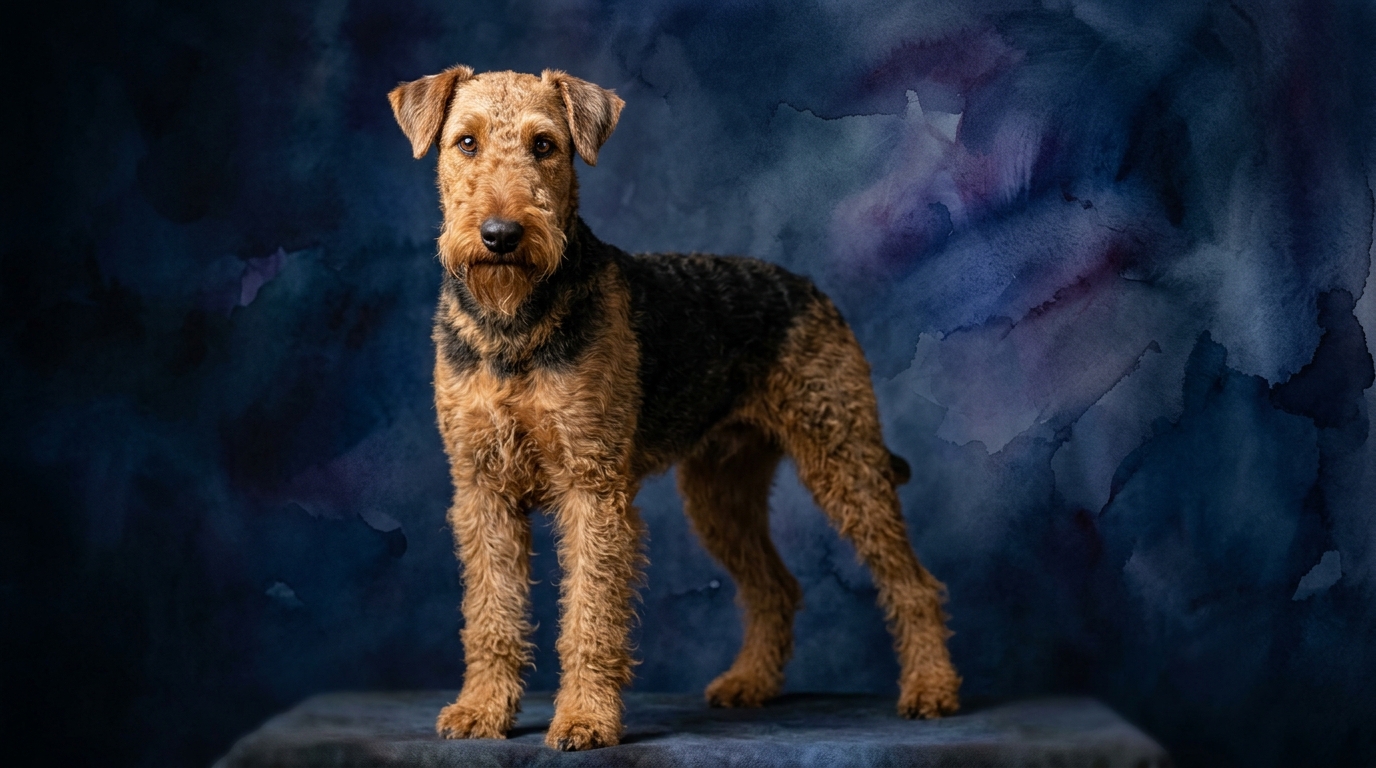
The Cosmic Pet Pet IQ Lab provides a structured framework for understanding canine cognitive abilities across five key dimensions. For the Airedale Terrier, ranked #29 on the Coren scale of working intelligence, its profile includes a Problem Solving score of 4/5, indicating a strong capacity for independent thought and navigating novel situations. Its Training Speed is also 4/5, suggesting a quick grasp of new commands and an enjoyment of the learning process. Social Intelligence stands at 3/5, meaning they are adept at reading human cues but retain a degree of independence. An Instinctive Drive of 3/5 reflects a moderate prey drive and working aptitude, typical of its heritage. Finally, a Memory score of 4/5 signifies an effective retention of commands and experiences.
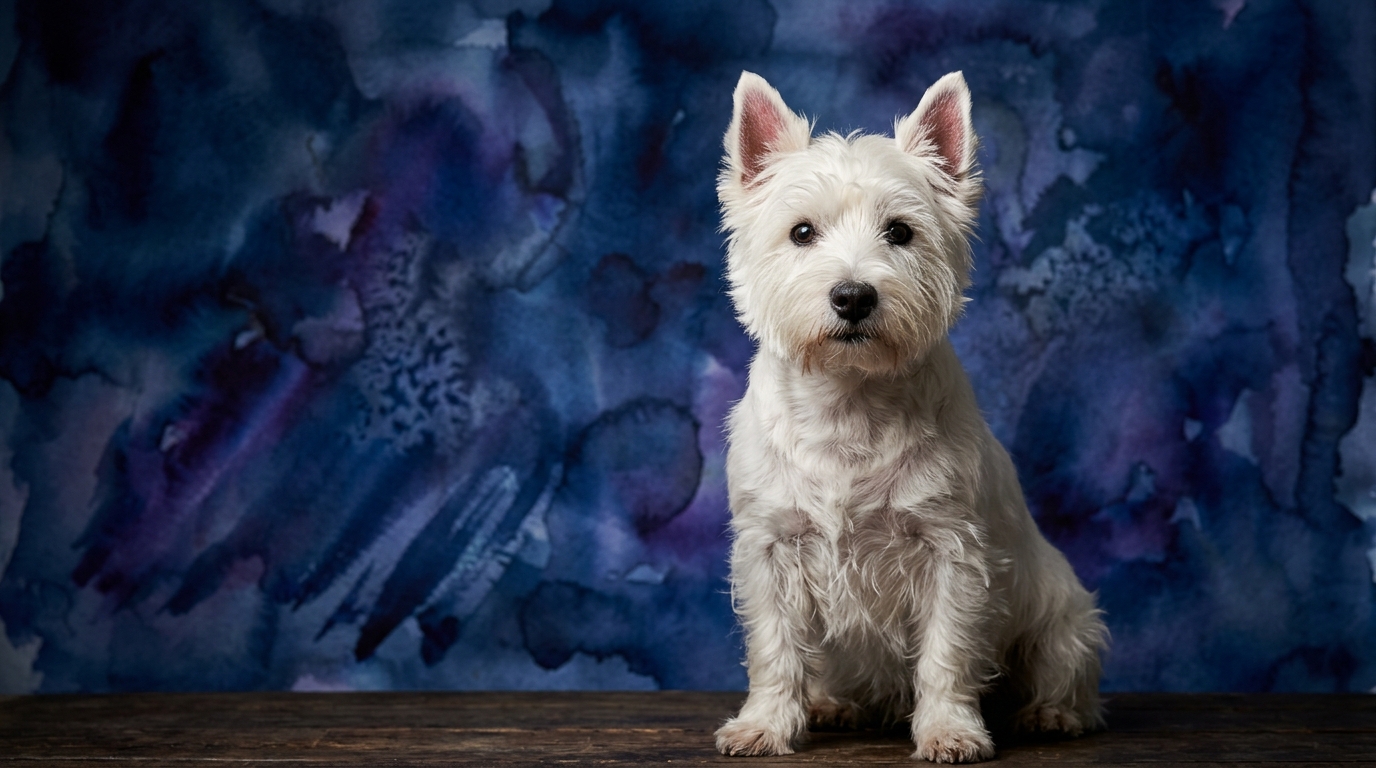
In contrast, the West Highland White Terrier, with a Coren rank of #47, presents a slightly different cognitive emphasis. Its Problem Solving score is 3/5, indicating an ability to figure things out, though potentially requiring more guidance in complex scenarios. Training Speed is 3/5, meaning they learn consistently but might benefit from more repetition to solidify new behaviors. Like the Airedale, their Social Intelligence is 3/5, showing good engagement with family while maintaining their opinionated terrier charm. Their Instinctive Drive is also 3/5, embodying the tenacious terrier spirit for hunting small prey. Notably, their Memory score matches the Airedale's at 4/5, demonstrating excellent recall of routines and learned behaviors.
Where Airedale Terrier Wins Cognitively
The Airedale Terrier, often called the 'King of Terriers,' exhibits a clear cognitive edge in problem-solving and training speed, reflected in its Coren rank of #29. This breed demonstrates a more pronounced ability to independently assess and navigate complex situations, a valuable trait for tasks requiring initiative and ingenuity. Their superior training speed means they typically grasp new commands and multi-step routines with fewer repetitions, making them highly responsive to consistent, engaging instruction. This cognitive agility allows them to excel in advanced obedience, agility, and even protection sports, where quick thinking and rapid learning are paramount. Their capacity for independent thought means they can often 'figure things out' on their own, whether it's opening a gate or devising a novel play strategy, showcasing a higher degree of cognitive flexibility compared to many other breeds in the Terrier group.
Where West Highland White Terrier Wins Cognitively
While the Airedale shows advantages in specific areas, the West Highland White Terrier possesses its own unique cognitive strengths that contribute to its charm and adaptability. With a Coren rank of #47, the Westie's cognitive profile, particularly its strong memory score of 4/5, allows it to master routines and retain learned behaviors with impressive consistency. This reliable memory contributes to a predictable and stable companion, making them excellent at adhering to household rules once established. Although their problem-solving and training speed scores are slightly lower than the Airedale's, their determined nature, combined with good social intelligence (3/5), means they are persistent learners who thrive on positive reinforcement and clear communication. Their cognitive makeup makes them particularly astute at remembering their people's habits and preferences, often appearing to anticipate next steps in the daily routine, creating a sense of predictability and comfort for their owners.
Which is Easier to Train and Why
Based on their cognitive profiles, the Airedale Terrier generally presents as the easier breed to train for a wide range of tasks and behaviors. Its training speed score of 4/5, coupled with a problem-solving ability of 4/5, means Airedales typically pick up new cues and concepts more rapidly. They tend to generalize learned behaviors to new situations with less effort and are often more motivated by the challenge of learning itself. For instance, teaching a complex sequence of commands or a new trick might require significantly fewer repetitions with an Airedale. The West Highland White Terrier, with a training speed of 3/5 and problem-solving of 3/5, requires more patience and consistent repetition. While equally capable of learning, Westies may take longer to solidify new behaviors and might need more explicit guidance through novel situations. Their strong memory (4/5) ensures retention once a behavior is learned, but the initial acquisition phase can be slower. Real behavioral differences include the Airedale's greater enthusiasm for collaborative tasks and their capacity for independent action in problem-solving, which can be channeled into task-oriented training. Westies, while tenacious, can sometimes be more single-minded, requiring trainers to be more creative in maintaining engagement and making training a rewarding game.
Which Suits Active Owners vs. Relaxed Owners
Considering their cognitive and instinctive profiles, the Airedale Terrier is generally better suited for active owners who can provide consistent mental and physical engagement. Their higher problem-solving and training speed scores indicate a breed that thrives on intellectual challenges, such as advanced obedience, agility, or scent work. An Airedale with insufficient mental stimulation might invent its own 'problems' to solve, which could manifest as unwanted behaviors like excessive digging or chewing. Their instinctive drive (3/5), while moderate, still requires outlets for their terrier energy and desire to explore. Owners who enjoy outdoor activities, hiking, or regular, structured training sessions will find the Airedale a keen and capable partner, appreciating its zest for engagement.
In contrast, the West Highland White Terrier, with slightly lower scores in problem-solving and training speed, and an equal instinctive drive (3/5), can be a good fit for owners seeking a more relaxed yet still engaged companion. While they certainly need daily walks and play, their mental stimulation requirements are often met with consistent routines, puzzle toys, and moderate training sessions. They are adaptable to apartment living provided their exercise needs are met, making them suitable for owners who might not dedicate hours each day to intense physical activity or complex training, but still appreciate an interactive and devoted presence. The Westie's strong memory ensures they quickly adapt to and remember household rhythms, making them predictable and charming companions for a more settled lifestyle.
The Verdict
Choose the Airedale Terrier if you seek a highly trainable, problem-solving companion eager for advanced training and consistent mental challenges.
Choose the West Highland White Terrier if you prefer a consistent, charming companion who thrives on routine and moderate engagement, adapting well to a predictable home life.
🧠 Find Your Pet's IQ Score
Our Pet IQ Lab assessment covers 25+ tests across 5 cognitive dimensions — personalized to your breed.
Take the Full IQ Test →Frequently Asked Questions
Do Airedale Terriers and West Highland White Terriers have similar memory capabilities?
Yes, both the Airedale Terrier and the West Highland White Terrier score 4/5 in memory, indicating excellent retention of learned behaviors and routines. This means both breeds are capable of remembering commands and experiences effectively over time, contributing to their reliability once trained.
How does their social intelligence compare?
Both breeds share a social intelligence score of 3/5, suggesting they are generally adept at understanding human cues and forming strong bonds with their families. While they are connected to their people, they also retain a degree of terrier independence, making them engaging but not overly clingy companions who appreciate their own space.
Are Airedale Terriers more independent than Westies?
The Airedale Terrier's higher problem-solving score (4/5) suggests a greater capacity for independent thought and initiative compared to the Westie's 3/5. This means Airedales might be more inclined to act on their own judgment in novel situations, while Westies may prefer more direct guidance, though both retain a characteristic terrier self-reliance.