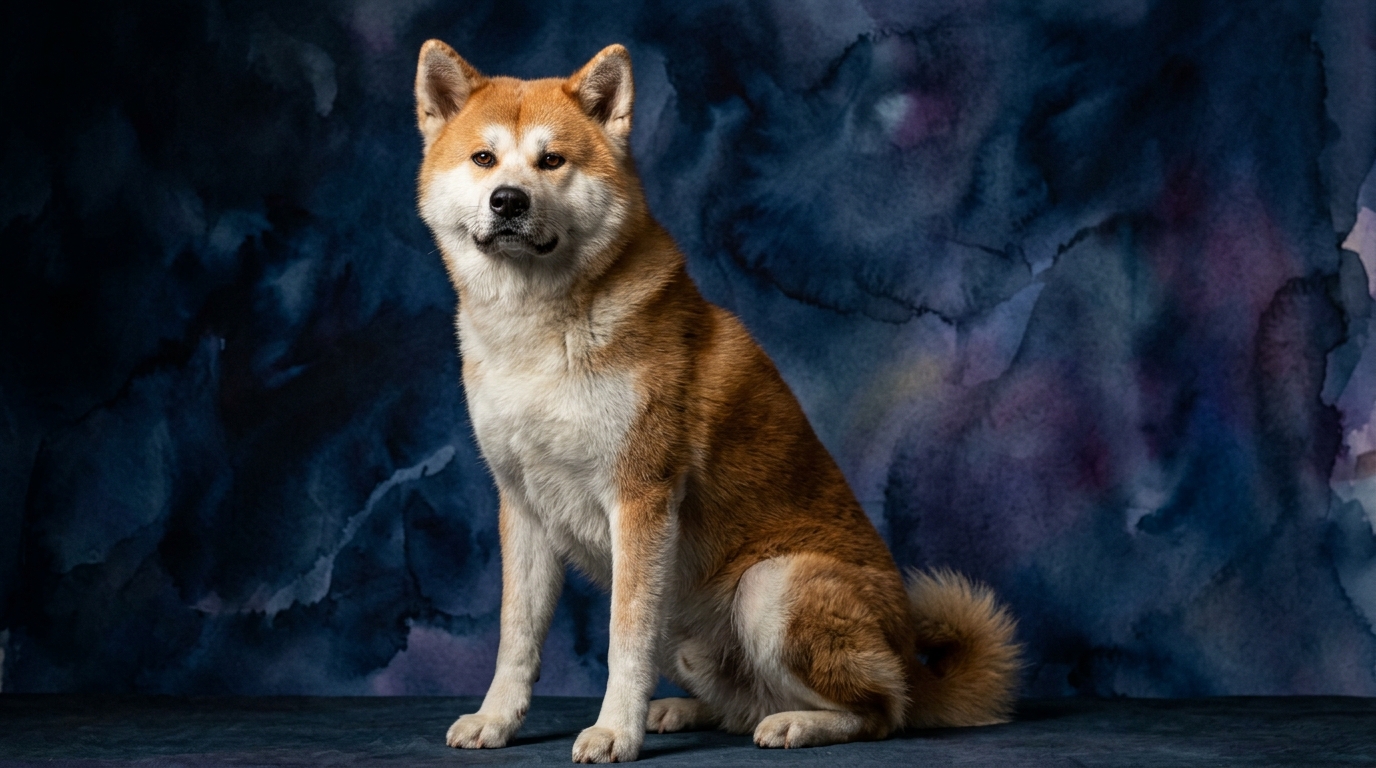

Side-by-Side IQ Profile: Akita vs. Boerboel
Originating from Japan, the Akita's cognitive makeup reflects its heritage as a hunting and guarding dog. Its Problem Solving is rated at 3/5, suggesting a capacity for independent thought and finding solutions, though not always through human-preferred methods. Training Speed, at 2/5, indicates a breed that requires patience and consistent, engaging methods, often preferring to analyze rather than immediately comply. Social Intelligence, at 3/5, points to an ability to understand and navigate social cues, albeit often with a reserved demeanor. A standout Instinctive Drive of 5/5 highlights a profound innate motivation for tasks like guarding, hunting, and territory protection. Finally, its Memory, rated at 4/5, suggests a strong capacity to recall experiences, commands, and routines, which can be a double-edged sword in training.
Hailing from South Africa, the Boerboel was bred as a farm guardian, a role that demands a different set of cognitive attributes. Its Problem Solving mirrors the Akita at 3/5, indicating an ability to assess situations and react, particularly in protective contexts. Training Speed, at 3/5, suggests a more moderate pace of learning commands and new behaviors compared to the Akita, often showing a greater willingness to engage with an instructor. Social Intelligence also stands at 3/5, implying a similar aptitude for reading social cues, often expressed through a calm, watchful presence. The Boerboel's Instinctive Drive is 3/5, reflecting a strong protective instinct but perhaps less intense or generalized than the Akita's diverse drives. Its Memory, rated at 3/5, shows a solid ability to retain information, crucial for its guarding duties, though not as pronounced as the Akita's recall.
Where the Akita Wins Cognitively
The Akita showcases distinct cognitive advantages in two key areas: Instinctive Drive and Memory. Its Instinctive Drive, rated at an impressive 5/5, is a significant differentiator. This isn't merely about physical energy, but a deep-seated, inherent motivation for specific behaviors like guarding, tracking, and independent decision-making in the absence of human direction. This drive manifests as a powerful internal compass, guiding their actions and making them highly self-reliant. For instance, an Akita might instinctively assess a perceived threat and react without needing a direct command, a trait honed over generations for protecting livestock or family.
Furthermore, the Akita's Memory, scoring 4/5, surpasses the Boerboel's. This strong recall allows them to remember complex sequences, past interactions, and environmental details with remarkable clarity. This means they can learn and retain intricate routines or patterns, and similarly, they will remember perceived slights or negative experiences for a longer duration. An Akita owner might observe their dog remembering a specific hidden toy location from weeks ago or recalling a particular training method that proved successful or unsuccessful.
Where the Boerboel Wins Cognitively
The Boerboel's primary cognitive edge lies in its Training Speed, rated at 3/5 compared to the Akita's 2/5. While this difference might appear slight on paper, it translates into a noticeable distinction in real-world training scenarios. A higher training speed indicates a dog that typically forms associations between commands and actions more readily and is often more receptive to new information from its handler. This means a Boerboel might grasp a new obedience cue or a complex chain of behaviors in fewer repetitions than an Akita. Their willingness to engage in structured learning, processing instructions and responding with a degree more alacrity, makes them generally more amenable to diverse training regimens. Owners often find the Boerboel a more straightforward partner in learning foundational obedience and even more advanced tasks, as their cognitive processing allows for quicker adoption of desired behaviors.
Which is Easier to Train and Why
When evaluating ease of training, the Boerboel generally holds an advantage over the Akita, largely due to its superior Training Speed (3/5 versus Akita's 2/5) and a more moderate Instinctive Drive. The Akita’s strong independent nature and lower training speed mean it often requires more repetitions, greater patience, and highly creative, motivating techniques to learn new commands. An Akita might understand what you want but choose not to comply if it doesn't see the immediate value or if its strong instinctive drives pull it in another direction. For example, recalling an Akita from tracking a scent can be a significant challenge due to its 5/5 instinctive drive overriding a learned command.
In contrast, the Boerboel's 3/5 training speed suggests a more willing participant in structured lessons. While still possessing a strong will, their instinctive drive (3/5) is less all-encompassing, making them generally more attentive to their handler’s directions. This translates into a dog that often learns foundational obedience more quickly and responds more consistently to commands, making the training journey less arduous for the average owner.
Which Suits Active Owners vs. Relaxed Owners
The distinction between Akita and Boerboel suitability for owner lifestyles isn't purely about physical activity, but rather about mental engagement and management style. An Akita, with its 5/5 instinctive drive and 4/5 memory, thrives with owners who are prepared for a mentally stimulating relationship, not necessarily constant high-impact exercise. They suit owners who appreciate an independent thinker and are adept at channeling strong natural instincts into appropriate outlets, like scent work or vigilant guarding tasks. These aren't dogs for "relaxed" owners in the sense of minimal engagement; they require consistent, thoughtful management to prevent their powerful drives from becoming problematic.
Conversely, the Boerboel, with its 3/5 training speed and more moderate instinctive drive, is often better suited for owners who desire a more biddable companion for various activities. They can adapt well to a range of family dynamics, from active outdoor pursuits to more relaxed home environments, provided they receive consistent training and clear leadership. Their temperament allows for a more "relaxed" ownership experience in terms of direct cognitive management, though they still demand adequate exercise and mental engagement to prevent boredom.
The Verdict
Opt for an Akita if you are an experienced owner who values a profoundly independent, highly instinctive, and deeply loyal companion, prepared to engage with a strong-willed dog that remembers everything and requires consistent, patient training tailored to its unique cognitive profile.
Select a Boerboel if you are seeking a formidable guardian that is generally more amenable to training and family integration, appreciating a dog with a solid work ethic and good biddability that can adapt to various lifestyles with clear leadership.
🧠 Find Your Pet's IQ Score
Our Pet IQ Lab assessment covers 25+ tests across 5 cognitive dimensions — personalized to your breed.
Take the Full IQ Test →Frequently Asked Questions
Does the Akita's high instinctive drive make it difficult to live with?
The Akita's 5/5 instinctive drive means it possesses powerful innate motivations, often requiring experienced owners to manage and channel these instincts appropriately through consistent training and clear boundaries. With proper socialization and guidance, this drive can manifest as exceptional loyalty and protective behavior.
How does the Boerboel's 3/5 social intelligence compare to other guarding breeds?
A social intelligence rating of 3/5 for the Boerboel indicates a solid capacity to understand social cues and interact appropriately within its established pack and territory. While not overly gregarious, this allows them to be watchful and discerning, engaging as needed without being overly reactive.
Is the Akita's 4/5 memory a benefit or a challenge for owners?
The Akita's strong memory is both a benefit and a challenge; it helps them retain commands and routines, but also means they remember negative experiences or perceived slights vividly. This necessitates positive reinforcement training and careful management of all interactions to build a trusting relationship.