Side-by-Side IQ Profile: Poodle (Standard) vs. Akita
At The Cosmic Pet Pet IQ Lab, we evaluate canine intelligence across five key dimensions, revealing a nuanced picture of each breed's cognitive strengths. For the Poodle (Standard), their profile showcases a remarkable breadth of mental abilities, while the Akita demonstrates a focused intensity rooted in their heritage.
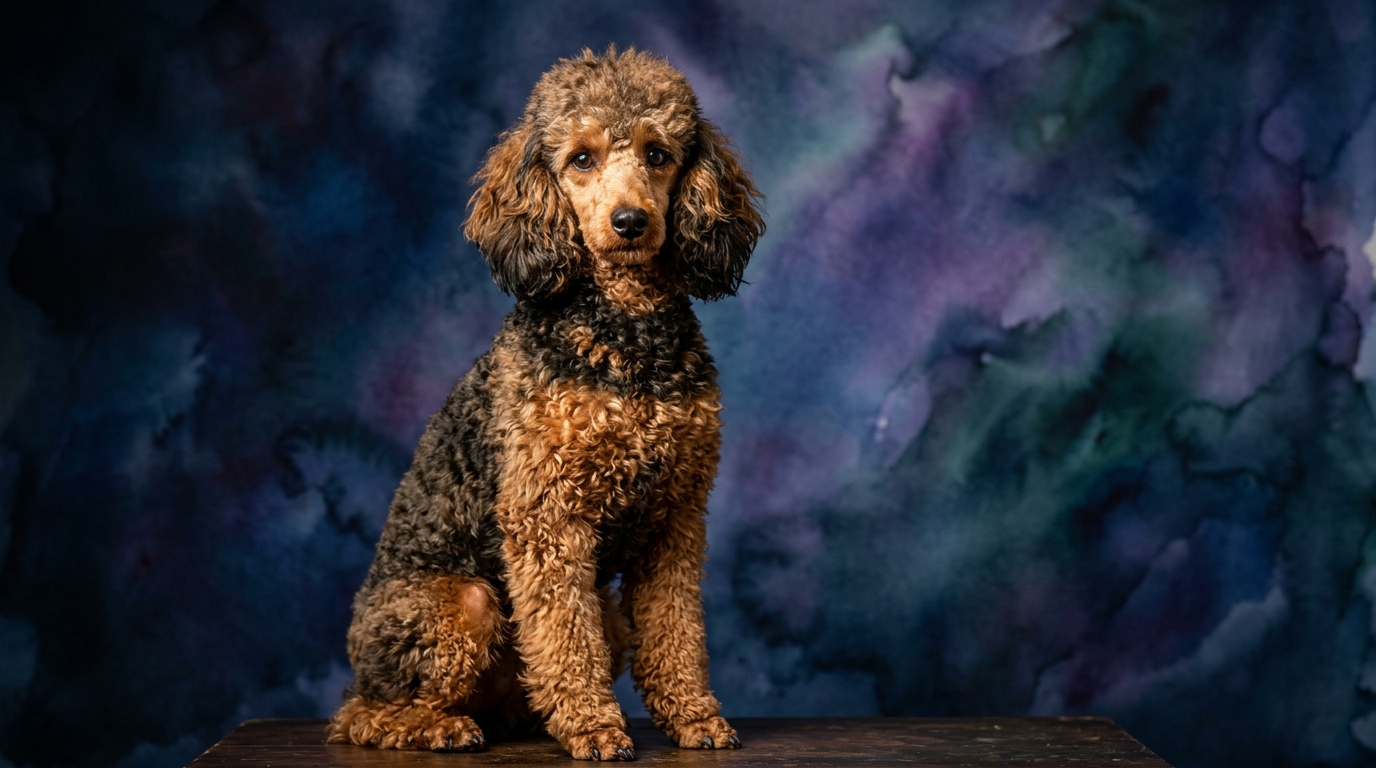
The Standard Poodle, a Non-Sporting breed with a Coren rank of #2, consistently scores at the top of our cognitive assessments. Their Problem Solving is rated 5/5, indicating an exceptional capacity to analyze and navigate complex situations, often devising novel solutions. Training Speed is also 5/5, reflecting their rapid acquisition of new commands and routines. Social Intelligence, at 5/5, highlights their profound understanding of human emotions and social cues. Their Instinctive Drive, though strong at 4/5, is balanced by other cognitive strengths, and their Memory is an outstanding 5/5, ensuring long-term retention of learned information.
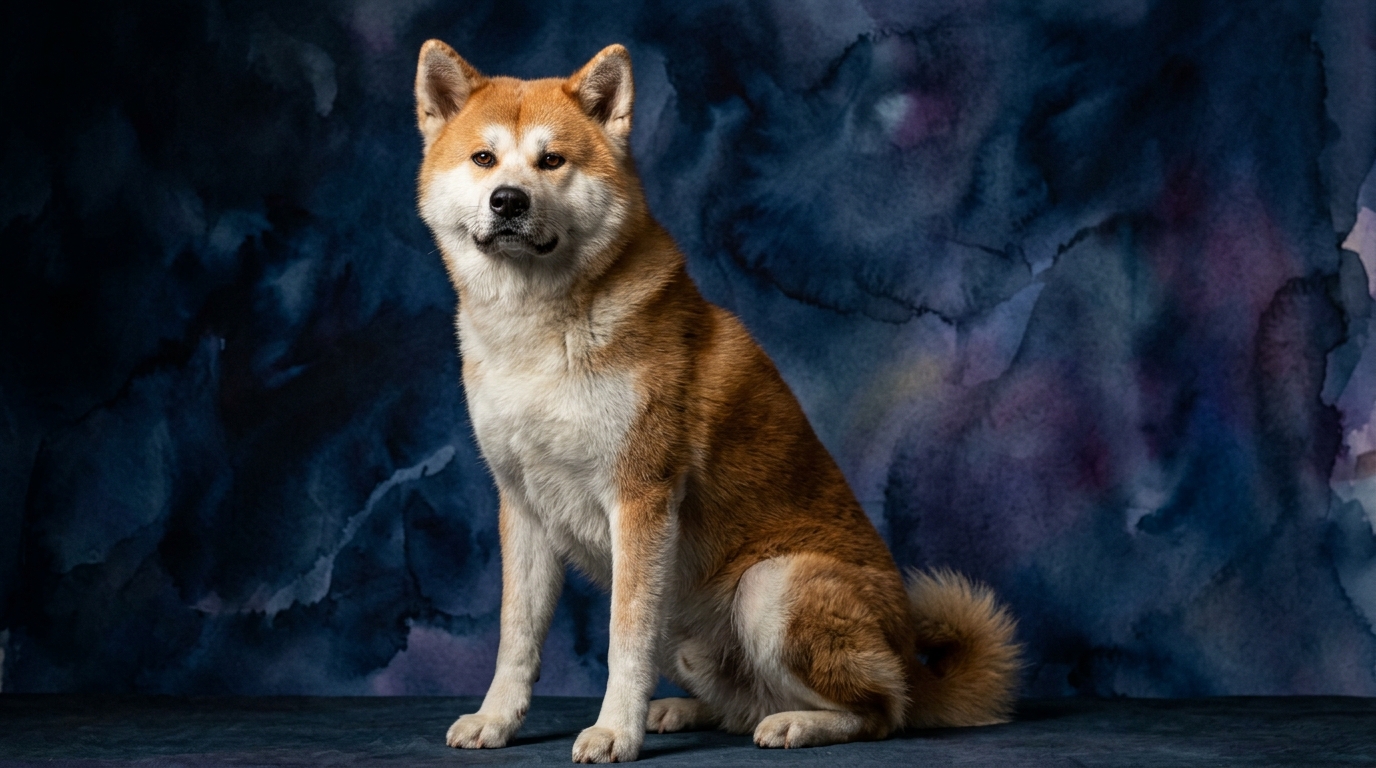
In contrast, the Akita, a Working breed with a Coren rank of #54, presents a distinct cognitive blueprint. Their Problem Solving is rated 3/5, suggesting a more pragmatic, perhaps less abstract, approach to challenges, often relying on instinct and established patterns. Training Speed is 2/5, indicating a slower pace of learning new commands, often linked to their independent nature. Social Intelligence is 3/5, showing a discerning understanding of their immediate human family but less broad adaptability than the Poodle. Where the Akita truly excels is in Instinctive Drive, scoring a perfect 5/5, reflecting their powerful guarding and hunting heritage. Their Memory is a strong 4/5, allowing them to retain important experiences and routines effectively.
Where the Standard Poodle Wins Cognitively
The Standard Poodle clearly demonstrates a superior capacity for abstract thought, rapid learning, and nuanced social understanding across multiple cognitive domains. Their 5/5 scores in Problem Solving, Training Speed, Social Intelligence, and Memory indicate an exceptional cognitive toolkit for adapting to complex human environments.
For instance, a Standard Poodle can readily learn intricate multi-step commands like “find your leash, bring it here, then sit by the door,” showcasing their ability to sequence actions and remember specific objects. Their high social intelligence means they are acutely attuned to human moods and intentions, often anticipating needs or reacting appropriately to subtle shifts in tone or body language, making them highly intuitive partners in communication. Furthermore, their rapid training speed means they internalize new information quickly, requiring fewer repetitions to master a skill, and their outstanding memory ensures these skills are retained for life, making them highly consistent performers.
Where the Akita Wins Cognitively
The Akita's cognitive strengths lie profoundly in their Instinctive Drive, rated at a perfect 5/5, alongside a strong memory. This intense drive translates into unwavering loyalty, formidable guardianship, and a tenacious approach to tasks that align with their natural inclinations.
An Akita excels in situations requiring independent decision-making based on instinct, such as patrolling a property or assessing potential threats without needing direct human command. Their robust instinctive drive also supports their strong prey drive, which, while needing careful management, is a testament to their deep-seated operational capabilities. While their problem-solving is rated 3/5, within the context of their instinctive roles, they are highly effective, making autonomous choices to protect their family or territory based on their ingrained predispositions and impressive recall of experiences. Their 4/5 memory ensures they remember past threats and successful strategies, contributing to their reliability in their chosen duties.
Which is Easier to Train and Why
The Standard Poodle is unequivocally easier to train, primarily due to their 5/5 Training Speed and 5/5 Social Intelligence, contrasting sharply with the Akita’s 2/5 Training Speed and 3/5 Social Intelligence. A Poodle’s eagerness to please, combined with their keen ability to understand human cues and motivations, makes them highly receptive students.
They actively seek to engage with their trainers, absorbing information quickly and responding enthusiastically to positive reinforcement. For example, a Poodle will often attempt to offer behaviors they think might earn a reward, demonstrating proactive learning and a desire to collaborate. Conversely, the Akita's independent nature and strong instinctive drive often mean they view commands through the lens of their own perceived utility or desire.
Training an Akita requires immense patience, consistency, and a deep understanding of canine behavior, as they are less inclined to perform simply to please and may challenge authority if not convinced of the command's value. Their slower training speed isn't a lack of learning capacity, but rather a reflection of their selective engagement and self-directed focus, requiring a trainer to earn their respect and demonstrate the value of cooperation.
Which Suits Active Owners vs. Relaxed Owners
For owners seeking a highly interactive, adaptable companion for a wide range of activities, the Standard Poodle is an excellent fit. Their high social intelligence (5/5) and problem-solving abilities (5/5) make them ideal for active pursuits like agility, obedience trials, or even complex service work, where they thrive on mental engagement and collaboration with their human. They adapt readily to new environments and social situations, making them suitable for owners who enjoy frequent outings or social gatherings. A Poodle's energy levels require consistent outlets, but their cognitive flexibility means these can vary from structured training to exploratory walks, catering to an owner who enjoys varied engagement.
The Akita, with its profound instinctive drive (5/5) and more discerning social intelligence (3/5), aligns better with confident, consistent owners who appreciate an independent spirit and are prepared for specific, often physically demanding, activities. While they require regular exercise, an Akita often prefers a predictable routine and may not be as enthusiastic about constant novelty or broad social interactions. They excel in roles where their protective instincts and loyalty can be channeled, such as guarding or companionship within a stable family unit. Owners who prefer a dog with a strong, self-reliant personality, and are committed to clear, firm leadership without overly demanding constant effusive social interaction, will find the Akita a rewarding companion.
The Verdict
Opt for a Standard Poodle if you seek a highly adaptable, rapidly trainable companion that thrives on complex mental engagement and close, nuanced social interaction, excelling in diverse activities and learning environments.
Select an Akita if you are a confident, experienced owner prepared to guide a profoundly loyal, independent, and protective companion whose strengths lie in unwavering instinctive drive and discerning devotion within a stable, predictable routine.
🧠 Find Your Pet's IQ Score
Our Pet IQ Lab assessment covers 25+ tests across 5 cognitive dimensions — personalized to your breed.
Take the Full IQ Test →Frequently Asked Questions
Do Standard Poodles get bored easily if not mentally stimulated?
Yes, with their 5/5 problem-solving and social intelligence, Standard Poodles require consistent mental engagement to prevent boredom. Without adequate challenges, they may devise their own less desirable "problems" to solve, like counter-surfing or excessive vocalization.
How does the Akita's instinctive drive impact their daily life?
An Akita's 5/5 instinctive drive means they possess strong guarding and prey instincts, making them naturally protective of their family and territory. This requires early, consistent socialization and training to channel these powerful predispositions appropriately, ensuring they are well-adjusted companions.
Can an Akita participate in advanced obedience or dog sports?
While Akitas can certainly learn obedience and some dog sports, their 2/5 training speed and independent nature mean it will require more dedication, consistency, and motivation than with breeds like the Poodle. Success hinges on a trainer who understands their unique motivations and respects their self-reliant character.