Side-by-Side IQ Profile: Akita vs. Cairn Terrier
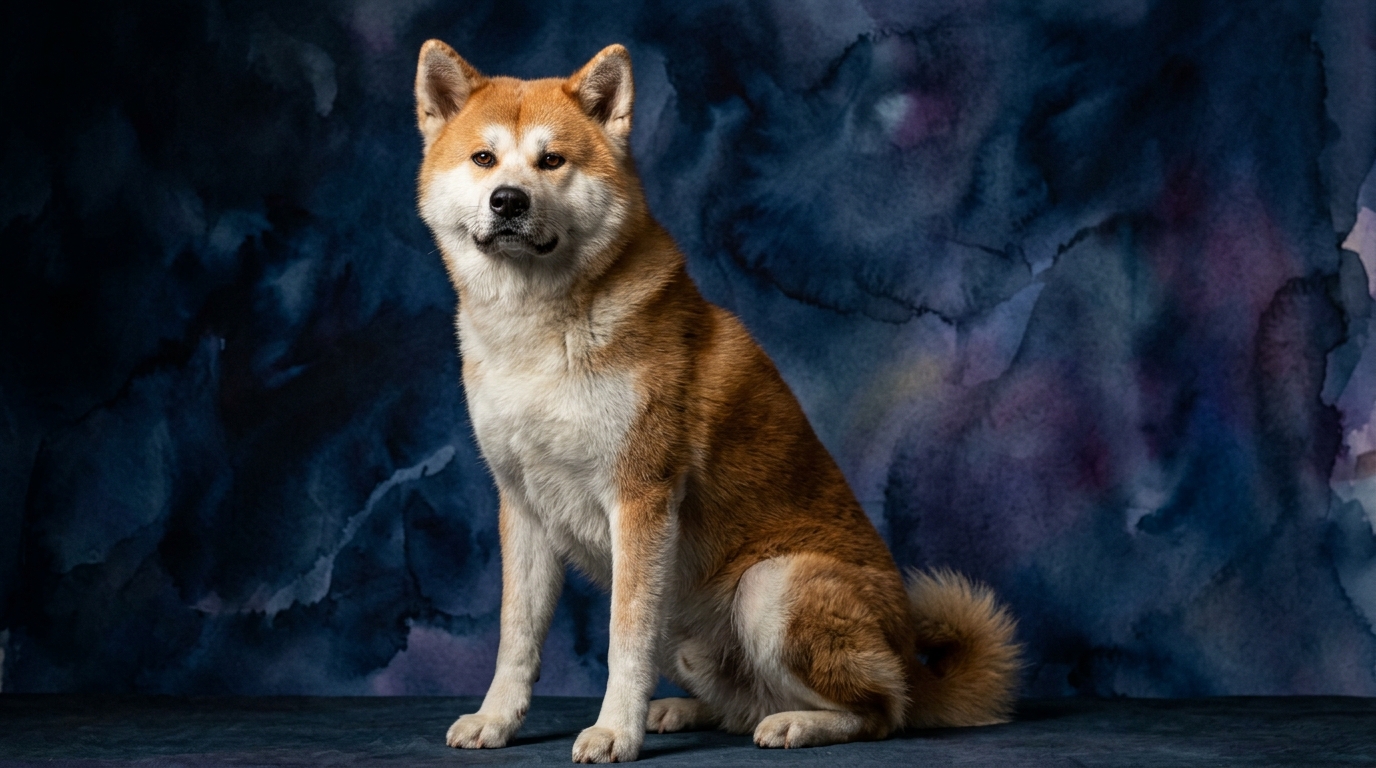
The Pet IQ Lab utilizes a five-dimensional framework to assess canine intelligence, offering a nuanced view beyond simple ranking. For the Akita, a robust working dog, its Coren rank of #54 places it squarely in the average working intelligence category, yet its individual scores paint a more detailed picture. Its problem-solving capacity registers at 3/5, indicating an ability to navigate complex situations but often with an independent, self-directed approach. Training speed is 2/5, suggesting a breed that requires patience and consistent methods, not quick repetition. Social intelligence stands at 3/5, meaning they understand human cues but often choose to respond based on their own assessment. Instinctive drive is exceptionally high at 5/5, reflecting a powerful innate inclination towards specific tasks like guarding or hunting. Memory is strong at 4/5, allowing them to retain routines, commands, and experiences effectively.
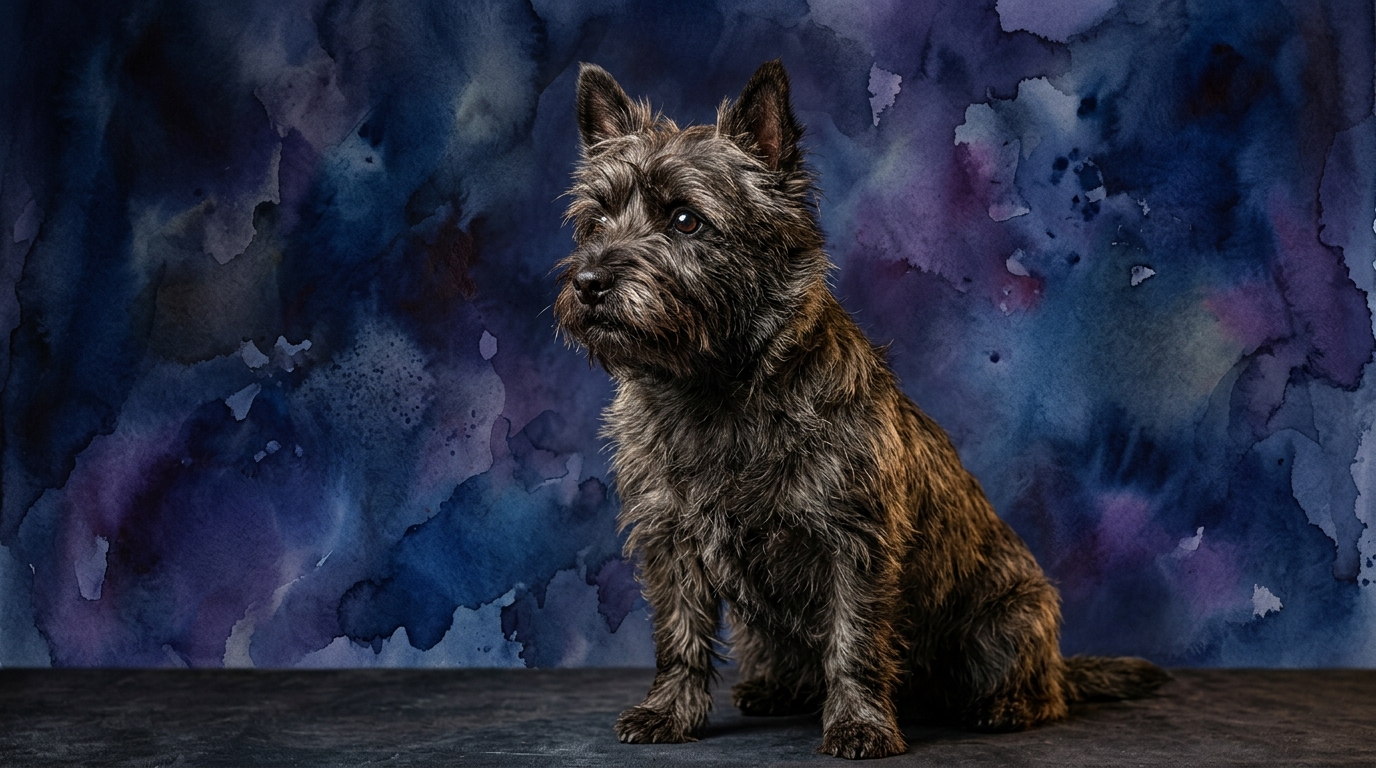
In contrast, the Cairn Terrier, a lively terrier breed, boasts a higher Coren rank of #35, placing it in the above-average working intelligence group. Its problem-solving score is 4/5, indicating a quick-thinking and adaptable mind, often eager to figure things out. Training speed is also higher at 4/5, suggesting they pick up new commands and behaviors with relative ease and enthusiasm. Social intelligence mirrors the Akita at 3/5, showing an understanding of social cues but often coupled with a characteristic terrier independence. Their instinctive drive is 3/5, present but typically less overwhelming than a working breed, often manifesting as a keen desire to dig or chase small prey. Memory, like the Akita, is strong at 4/5, enabling them to recall learned behaviors and past events with clarity.
Where the Akita Excels Cognitively
The Akita’s cognitive strengths are deeply rooted in its heritage as a guard and hunting dog, emphasizing self-sufficiency and discerning judgment. Its 5/5 instinctive drive is a standout, translating into an acute awareness of its surroundings and a natural inclination to protect its family and territory. This isn't just a physical trait; it’s a cognitive one, involving constant environmental scanning and a sophisticated threat assessment system. Their 3/5 problem-solving, while not the highest, is highly practical and often executed independently; an Akita faced with an obstacle might not seek human guidance immediately but will attempt to resolve it through its own initiative, reflecting a strong sense of autonomy. Furthermore, their 4/5 memory is crucial for retaining complex routines, recognizing familiar faces even after long absences, and remembering past interactions, allowing them to build deep, lasting bonds and maintain consistent behavioral patterns within their established social structure.
Where the Cairn Terrier Wins Cognitively
The Cairn Terrier shines in areas demanding quick wit, adaptability, and an eagerness to engage in interactive learning. Its 4/5 problem-solving score indicates a nimble mind that enjoys mental challenges, making them adept at puzzle toys or navigating novel environments with curiosity and resourcefulness. This extends to their ability to quickly adapt to new situations or household rules. Complementing this is their 4/5 training speed, which means Cairns are generally receptive to learning new commands and tricks, often showing a keen desire to please when properly motivated. While their instinctive drive is 3/5, it fuels their persistent curiosity and zest for exploration, making them excellent companions for varied activities. Their 4/5 memory ensures that once they learn something, it tends to stick, whether it's the location of a hidden treat or a complex sequence of agility commands, facilitating consistent performance in training and daily life.
Ease of Training: Understanding Behavioral Differences
When it comes to training, the Akita and Cairn Terrier present distinct challenges and rewards, largely due to their differing training speeds and problem-solving approaches. The Akita's 2/5 training speed signifies that they are not inherently quick to comply or repeat commands without a strong, clear reason they understand. Their problem-solving (3/5) is often geared towards their own objectives rather than fulfilling human requests, meaning they might weigh a command against their own perceived needs or desires. This independence can manifest as stubbornness, requiring an owner with immense patience, consistency, and a deep understanding of positive reinforcement tailored to their strong motivation. Akita's might question the necessity of a command, making repetition and varied rewards crucial to maintaining engagement. Their strong instinctive drive (5/5) means they might be more focused on external stimuli like a perceived threat or a scent than on a training cue, demanding a very structured and distraction-free learning environment initially.
Conversely, the Cairn Terrier's 4/5 training speed and 4/5 problem-solving capacity make them generally more amenable to traditional training methods. They often enjoy the process of learning and figuring out what is expected of them, responding well to positive reinforcement and interactive games. Their quicker grasp of commands means fewer repetitions are typically needed, and they often show enthusiasm for new challenges. However, their 3/5 instinctive drive, while lower than an Akita's, still imbues them with a characteristic terrier tenacity and independence. This can translate into a selective hearing when something more interesting (like a squirrel or a digging opportunity) presents itself, or a stubborn streak if they decide a command isn't worth their effort. While easier to train in terms of speed, their strong-willed nature means consistency and clear boundaries are still paramount to prevent them from developing undesirable behaviors.
Matching Canine Cognition to Owner Lifestyles
The cognitive profiles of the Akita and Cairn Terrier naturally align with different owner lifestyles. An Akita's robust instinctive drive (5/5) and independent problem-solving (3/5) mean they thrive with active owners who can provide consistent leadership, ample structured exercise, and mental engagement that respects their self-sufficient nature. They are not dogs that will endlessly fetch or perform tricks on command, but rather companions who appreciate purposeful activities like long hikes, scent work, or guarding duties. Their discerning social intelligence (3/5) means they bond deeply with their family but can be reserved with strangers, suiting owners who prefer a devoted, protective companion over an overtly gregarious one. Owners who appreciate a dog that thinks for itself and is less reliant on constant human direction will find the Akita a rewarding match. They are not ideal for relaxed owners seeking an easily managed, highly compliant pet, as their intelligence demands respect, understanding, and a clear, consistent framework.
The Cairn Terrier, with its quicker training speed (4/5) and higher problem-solving (4/5), is well-suited for active owners who enjoy engaging in interactive training, dog sports like agility, or simply exploring the world together. Their energetic yet adaptable nature means they can thrive in various environments, from apartments to houses with yards, provided they receive sufficient physical and mental stimulation. Their robust memory (4/5) and willingness to learn make them excellent candidates for owners who enjoy teaching new tricks and maintaining a mentally active companion. While they possess a terrier's independent streak, their overall trainability makes them more adaptable to a wider range of activities and social situations than the Akita. They are also suitable for moderately relaxed owners who are still committed to daily walks and regular mental enrichment but might not need a dog with the intense, independent purpose of an Akita.
The Verdict: When to Choose Each Companion
The Verdict
Choose an Akita if you are an experienced, active owner seeking a deeply devoted, independent, and protective companion who requires consistent leadership and respects a dog with a strong, self-reliant mind. You must be prepared for their strong instinctive drive and slower training speed, appreciating their discerning loyalty.
Opt for a Cairn Terrier if you are an active or moderately active owner who enjoys engaging in interactive training, appreciates a quick-thinking and adaptable companion, and can provide consistent mental and physical stimulation. You will thrive with their eager-to-learn yet spirited personality, embracing their terrier tenacity.
🧠 Find Your Pet's IQ Score
Our Pet IQ Lab assessment covers 25+ tests across 5 cognitive dimensions — personalized to your breed.
Take the Full IQ Test →Frequently Asked Questions
Are Akitas truly difficult to train?
Akitas are not necessarily difficult, but their 2/5 training speed and independent nature mean they require immense patience, consistency, and a deep understanding of their motivations. They often question commands and respond best to owners who build a relationship of mutual respect rather than demanding blind obedience.
Do Cairn Terriers get along with other pets?
Cairn Terriers, with their 3/5 instinctive drive and terrier heritage, can have a strong prey drive towards smaller animals. While their social intelligence is 3/5, early socialization is crucial for them to coexist peacefully with other pets, especially cats or small rodents.
Which breed requires more exercise?
Both breeds benefit from regular exercise, but the Akita's 5/5 instinctive drive often translates to a need for more purposeful, structured activity like long walks, hikes, or guarding tasks to satisfy their mental and physical requirements. Cairn Terriers are energetic but can often be satisfied with daily walks and interactive play sessions, making them more adaptable to various living situations.