Side-by-Side Cognitive Profiles
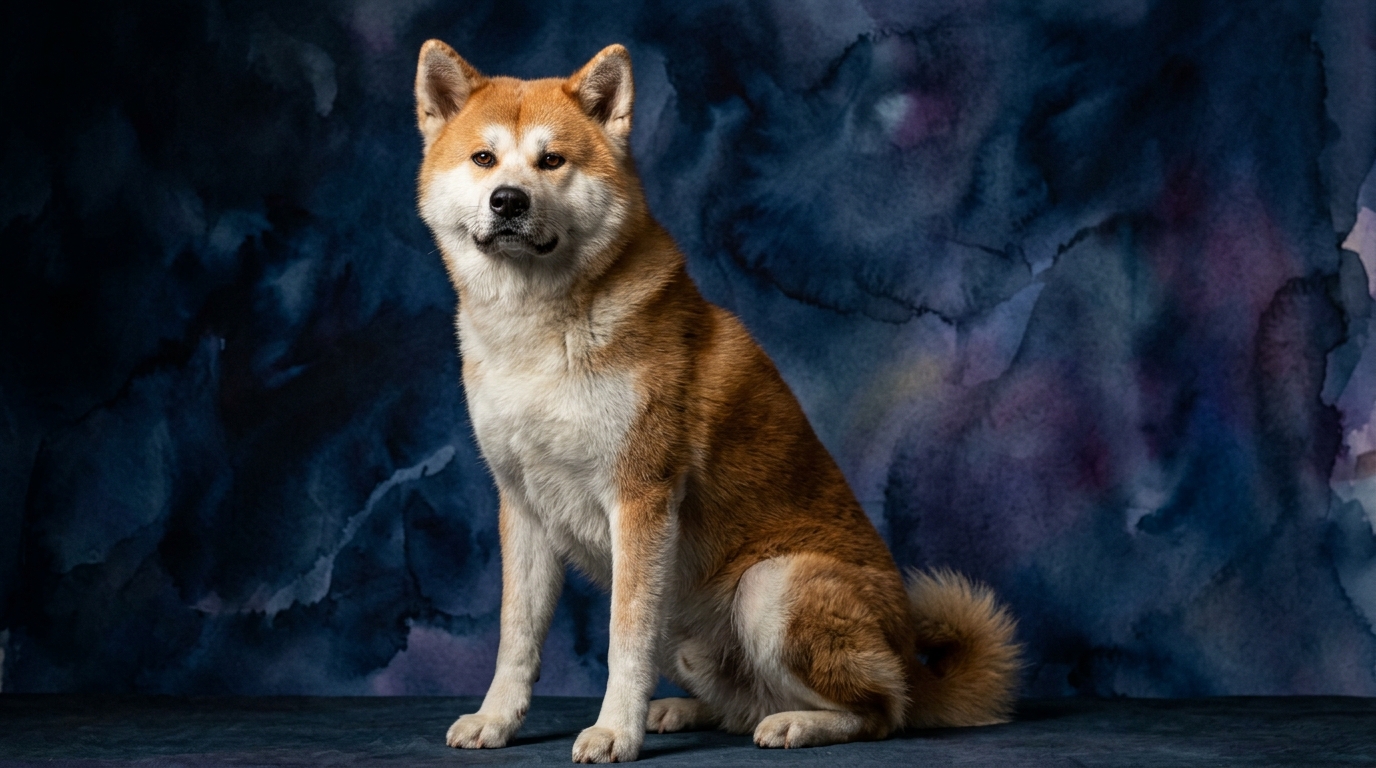
In The Cosmic Pet's IQ Lab, we evaluate canine cognition across five distinct dimensions, offering a granular view beyond broad labels. For the Akita, a breed ranked #54 by Coren, its profile highlights a unique blend of independence and deep-seated purpose. Its Problem Solving is rated 3/5, indicating an ability to think independently but often preferring established methods or self-directed solutions rather than immediate human instruction. Training Speed scores 2/5, suggesting a need for significant patience and consistent reinforcement, as Akitas can be deliberate learners. Social Intelligence is 3/5, reflecting a discerning nature, typically reserved with strangers and selective in their social circles. Instinctive Drive is a powerful 5/5, showcasing intense prey and guarding instincts rooted in its heritage, demanding careful management. Finally, Memory stands at 4/5, indicating an exceptional capacity to recall experiences, commands, and routines, influencing their future interactions significantly.
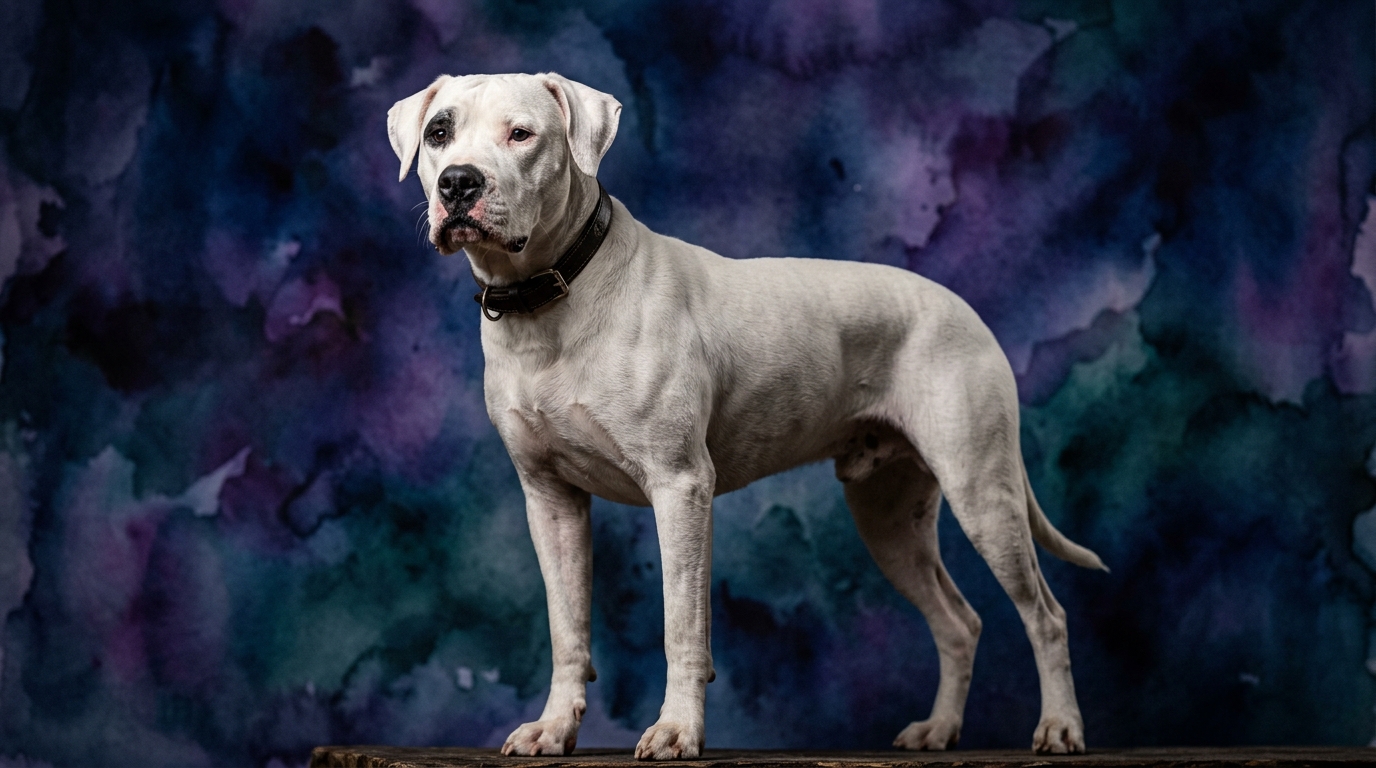
The Dogo Argentino, while not listed in Coren's ranking, presents a different yet equally compelling cognitive blueprint. Its Problem Solving is also rated 3/5, signifying practical intelligence and an aptitude for assessing situations, particularly relevant to its historical role as a big-game hunter and protector. Training Speed scores 3/5, suggesting a more responsive nature to clear, consistent training, showing a willingness to learn when adequately motivated. Social Intelligence is 3/5, indicating a capacity for group interaction and strong family bonds, though they approach outsiders with a characteristic wariness. Instinctive Drive is 3/5, reflecting a potent prey and protective drive that, while strong, may be more amenable to redirection compared to the Akita's intense focus. Memory is rated 3/5, demonstrating a solid ability to retain learned behaviors and recognize familiar individuals and environments, contributing to their reliability.
Where the Akita Wins Cognitively
The Akita's standout cognitive advantage lies significantly in its Memory, scoring 4/5 compared to the Dogo Argentino's 3/5. This superior recall means Akitas retain information, both positive and negative, for extended periods, shaping their interactions and perceptions over time. This manifests as an unwavering loyalty to their core family unit and a lasting wariness of individuals or situations associated with past negative experiences. Their ability to remember complex sequences or routines, once thoroughly learned, makes them capable of sophisticated tasks, even if the initial learning phase is prolonged by their independent nature.
Furthermore, the Akita's Instinctive Drive, rated a formidable 5/5 against the Dogo Argentino's 3/5, represents a distinct cognitive strength. This isn't merely about physical drive, but a deeply ingrained mental framework for purposefulness and vigilance. This intense focus translates into exceptional dedication as a guardian and an unwavering commitment to tasks they deem vital. When appropriately channeled through consistent training and clear boundaries, this powerful drive enables the Akita to exhibit remarkable determination and persistence in roles requiring sustained attention and a profound protective instinct.
Where the Dogo Argentino Wins Cognitively
The Dogo Argentino's primary cognitive edge emerges in its Training Speed, scoring 3/5 compared to the Akita's 2/5. This indicates a generally greater receptiveness to human instruction and a quicker ability to grasp new commands, provided the training is clear, consistent, and motivating. While still possessing an independent streak, the Dogo Argentino often exhibits less of the pronounced stubbornness sometimes seen in Akitas during novel task learning, potentially leading to smoother initial training periods. Their responsiveness often stems from a desire to engage with their handler and fulfill a role within the family structure.
While both breeds share a 3/5 in Problem Solving and Social Intelligence, the Dogo Argentino's overall more balanced cognitive profile across these dimensions, coupled with its slightly more adaptable Instinctive Drive (3/5), suggests a greater cognitive versatility in various domestic and working contexts. Their practical problem-solving, combined with a social intelligence that allows for effective group work (historically in hunting packs), makes them adaptable to diverse environments and roles, provided their significant physical and mental stimulation needs are consistently met. This balance can make them a more versatile partner for owners seeking a responsive yet robust companion.
Which is Easier to Train and Why
When considering ease of training, the Dogo Argentino generally presents as the more approachable of the two breeds. Its Training Speed score of 3/5, compared to the Akita's 2/5, directly indicates a higher likelihood of responding positively and more quickly to training cues. Dogo Argentinos often display a stronger desire to work collaboratively with their handler and may integrate new commands with less resistance. Their practical problem-solving allows them to apply learned behaviors efficiently to new situations, and their Instinctive Drive, while strong, can be more readily guided and redirected, making them more pliable in structured training environments.
The Akita, conversely, demands a much deeper level of patience and understanding in training. Its lower Training Speed (2/5) and powerful Instinctive Drive (5/5), combined with a significant Memory (4/5), mean that while they are capable of learning complex tasks, the process is often prolonged. Akitas can be highly independent and may exhibit stubbornness if they do not perceive the value in a command or if the trainer lacks consistency and firm, fair leadership. Their profound memory means they remember both positive and negative training experiences vividly, making early, positive socialization and consistent methods absolutely crucial to avoid ingrained resistance.
Which Suits Active Owners vs. Relaxed Owners
It's crucial to understand that neither the Akita nor the Dogo Argentino are suited for truly 'relaxed' owners in the sense of minimal engagement. Both are working breeds with substantial physical and mental stimulation requirements. However, their cognitive profiles dictate different types of active ownership. The Dogo Argentino, with its higher Training Speed (3/5) and more balanced Instinctive Drive (3/5), aligns well with an active owner who enjoys direct, structured activities such as advanced obedience, tracking, or certain dog sports. They thrive on having a 'job' and appreciate being a responsive partner in these endeavors, making them a good fit for hands-on, consistent trainers.
The Akita, while also needing activity, benefits from an owner who understands and respects its profound independence and intense instinctive drives. An Akita owner needs to be active in managing and understanding their dog's mental landscape, providing outlets for its strong memory and focused purpose, such as extensive secure off-leash exploration, scent work, or guarding duties where their vigilance is utilized. This breed suits an owner who is not just physically active, but also mentally engaged in understanding a dog with a powerful will and a selective approach to partnership, valuing deep loyalty over constant compliance.
The Verdict
Choose an Akita if you value profound loyalty, a vigilant guardian with exceptional memory, and are prepared for a long-term commitment to understanding and working with a dog of immense independent spirit and intense instinctive drives.
Opt for a Dogo Argentino if you seek a powerful, responsive companion for structured activities, appreciate a dog that can be trained with consistent effort, and are ready to channel its strong protective instincts into a well-adjusted family member.
🧠 Find Your Pet's IQ Score
Our Pet IQ Lab assessment covers 25+ tests across 5 cognitive dimensions — personalized to your breed.
Take the Full IQ Test →Frequently Asked Questions
Is the Akita truly stubborn during training?
Yes, the Akita's 2/5 training speed and independent problem-solving often manifest as stubbornness, requiring immense patience and consistent, positive reinforcement during training. They respond best when they perceive value in the command or task, and their strong memory means negative experiences can create lasting resistance.
How do their social behaviors differ with strangers?
Both breeds score 3/5 in social intelligence, meaning they are discerning. The Akita tends to be more reserved and aloof with strangers and other animals, often preferring to observe. The Dogo Argentino, though cautious and protective of its family, was historically bred to work in groups and can often integrate well within its immediate human family, though it will remain wary of outsiders.
Which breed is better for a first-time dog owner?
Neither breed is generally recommended for a first-time dog owner due to their powerful instincts, strong wills, and significant training and socialization needs. However, if forced to choose, the Dogo Argentino's slightly higher training speed and more balanced instinctive drive might make it marginally less challenging for a very dedicated, well-researched novice committed to professional guidance.