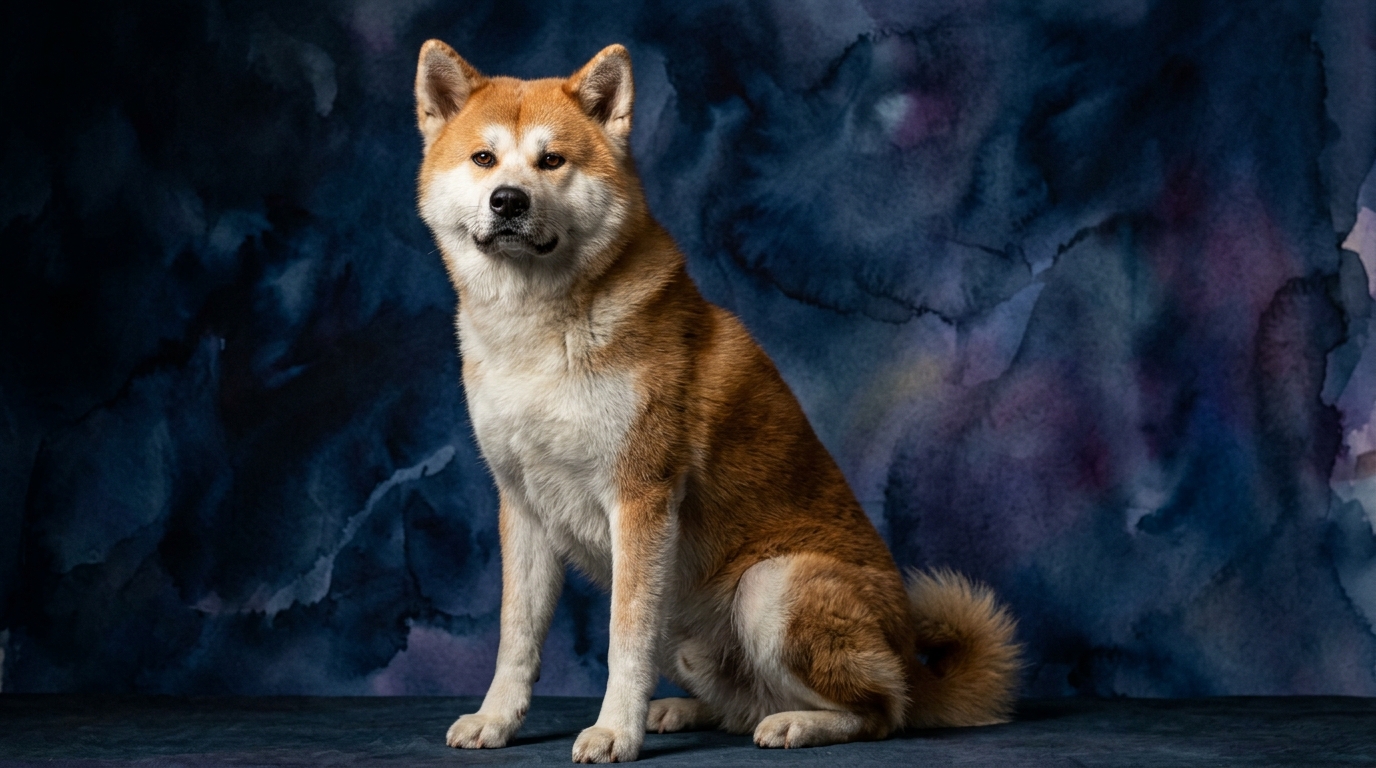
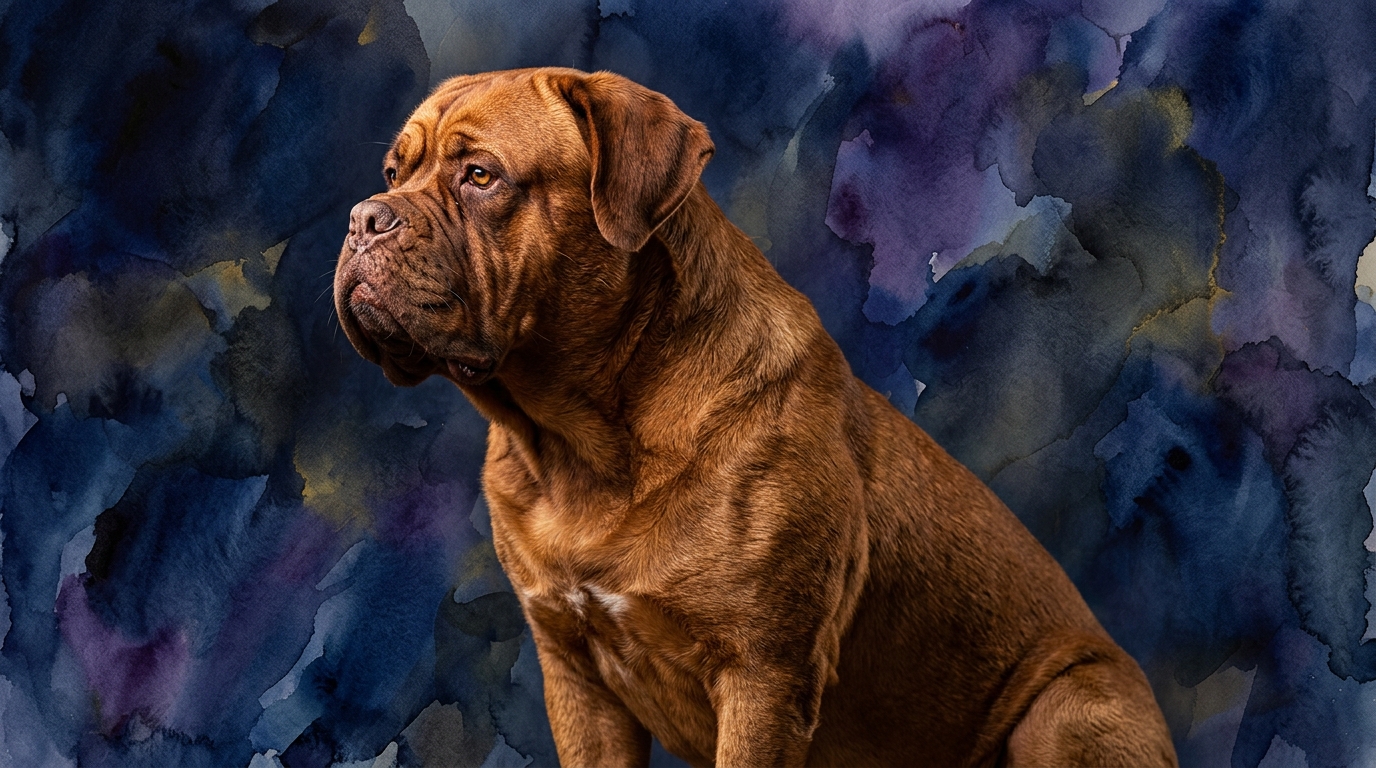
Side-by-Side IQ Profile: Akita vs. Dogue de Bordeaux
The Cosmic Pet Pet IQ Lab employs a five-dimensional framework to assess canine cognition, offering a granular view beyond generic labels. For the Akita, with a Coren rank of #54, and the Dogue de Bordeaux, these scores paint a detailed picture of their inherent mental aptitudes and behavioral tendencies.
Akita (Coren Rank #54): Problem Solving 3/5 – These dogs demonstrate a moderate ability to navigate challenges, often preferring to observe and strategize before acting. Their solutions can be quite resourceful, yet they may not always seek human guidance initially, preferring to work things out independently. Training Speed 2/5 – The Akita often requires significant repetition and a deep understanding of motivation during training. They process new commands at a deliberate pace, frequently questioning the value or necessity of an instruction, which can be interpreted as stubbornness rather than a lack of capacity. Social Intelligence 3/5 – Akitas possess a solid grasp of social hierarchies and cues within their established family unit. However, their social circle tends to be exclusive; they are discerning with strangers and other animals, often preferring to maintain a watchful distance rather than immediate engagement. Instinctive Drive 5/5 – This breed is propelled by an exceptionally powerful inherent drive. Whether it's guarding their territory, exhibiting a strong prey instinct, or forming an intense, almost primal bond with their chosen people, this drive is a dominant force shaping their behavior and decision-making. Memory 4/5 – Akitas exhibit a strong capacity for recall, retaining both positive and negative experiences with remarkable clarity. This contributes significantly to their cautious nature and their ability to learn complex routines, making early, consistent, and positive experiences crucial for their development.
Dogue de Bordeaux (Not Coren-Ranked): Problem Solving 3/5 – The Dogue de Bordeaux also shows a moderate capacity for problem-solving, approaching dilemmas with a steady, often more straightforward methodology. They are capable of figuring out solutions but typically without the same independent, strategic depth seen in the Akita. Training Speed 3/5 – This breed generally responds well to training, grasping new commands at a consistent and respectable pace. They are often eager to please and more cooperative in learning environments, making them a more predictable student for many handlers. Social Intelligence 3/5 – Dogue de Bordeaux dogs display a robust understanding of social dynamics within their family, typically presenting as calm, watchful, and affectionate companions. They are generally more tolerant and less reserved than Akitas in social settings, though still discerning. Instinctive Drive 3/5 – Their inherent drives are moderate, primarily centering on guardianship and companionship. This drive is strong enough to make them protective and loyal but lacks the overwhelming intensity that can sometimes make managing a 5/5 drive challenging. Memory 3/5 – Dogue de Bordeaux dogs have a competent memory for routines, commands, and familiar faces. While solid, it may not be as acutely detailed or long-lasting as the Akita's, meaning consistent reinforcement helps maintain learned behaviors over time.
Where the Akita Wins Cognitively
The Akita’s cognitive profile reveals distinct advantages, particularly in its profound instinctive drive, rated at a perfect 5/5. This isn't merely a strong urge; it's a deep-seated, unwavering purposefulness that guides much of their behavior. Whether manifesting as an exceptional territorial vigilance, a focused prey drive, or an almost spiritual devotion to their human family, this powerful inner compass means an Akita often operates with an unshakeable conviction. This drive is not easily swayed and contributes to their formidable presence and reliability in protective roles. Furthermore, their memory score of 4/5 means they retain experiences and learned behaviors with remarkable tenacity. An Akita rarely forgets a slight or a kindness, contributing to their discerning nature and the long-term impact of early socialization. This robust recall allows them to build complex mental maps of their environment and social interactions, making them astute observers and formidable guardians who learn from every encounter.
Where the Dogue de Bordeaux Wins Cognitively
While both breeds share a 3/5 score in problem-solving and social intelligence, the Dogue de Bordeaux distinguishes itself with a superior training speed, rated at 3/5 compared to the Akita's 2/5. This indicates a generally more amenable and less resistant approach to learning new commands and routines. The Dogue de Bordeaux tends to be more straightforward in its responses, often eager to please its handler and more readily accepting of direction, which translates into a smoother training experience for the average owner. Their cognitive strengths also lie in a more balanced instinctive drive and memory, both at 3/5. This equilibrium means their internal world is often less intensely focused on single-minded pursuits, allowing for greater adaptability and a calmer disposition. This balanced profile can lead to a more predictable and less challenging learning curve, as their natural predispositions are less likely to override training objectives, making them a more collaborative partner in structured learning.
Which Is Easier to Train and Why?
When evaluating ease of training, the Dogue de Bordeaux generally offers a more straightforward path than the Akita. The Dogue de Bordeaux’s training speed of 3/5 reflects a greater inherent willingness to engage with instruction and a quicker uptake of new commands. Their instinctive drive, rated at 3/5, is present but not overwhelming, meaning their natural predispositions are less likely to clash with training objectives. They typically respond very well to positive reinforcement, clear communication, and consistent methods, often motivated by a desire to cooperate with their human companions. This makes them a more forgiving student for less experienced trainers. In stark contrast, the Akita’s training speed of 2/5, coupled with its formidable 5/5 instinctive drive, demands exceptional patience, consistency, and a deep understanding of its independent nature. Akitas often possess a strong will, evaluating the utility or necessity of a command before complying. Their formidable memory (4/5) ensures that both good and bad training experiences are firmly etched, meaning early, positive, and meticulously correct training is not just advisable, but absolutely paramount to avoid entrenched undesirable behaviors. Training an Akita is less about rapid instruction and more about building a respectful, trusting partnership that acknowledges their independent intellect.
Matching Breeds to Owner Lifestyles
For owners leading an active lifestyle who appreciate a dog with profound purpose and a robust independent spirit, the Akita is often an ideal match. Its 5/5 instinctive drive means it thrives when given a clear 'job' or a consistent role, whether that involves diligent guarding, structured obedience work, or simply being a vigilant, ever-present companion. These dogs demand consistent mental stimulation and physical exercise to channel their strong drives constructively, preventing boredom and potential behavioral issues. Their discerning social intelligence (3/5) and powerful memory (4/5) enable them to form deep, exclusive bonds, making them superb companions for owners who not only understand but also respect their unique temperament and are prepared for a committed, active partnership that engages both body and mind. Conversely, the Dogue de Bordeaux, with its more moderate instinctive drive (3/5) and training speed (3/5), typically suits more relaxed owners. While they still require regular exercise and mental engagement to stay healthy and content, their energy levels are generally more manageable, and their temperament tends to be calmer and more laid-back indoors. They thrive on a steady routine and appreciate being a central part of a family environment where they can offer affectionate, watchful companionship without the intense demands of a high-drive working breed. Their social intelligence (3/5) allows them to integrate smoothly into a family dynamic, offering a loyal, steadfast presence without excessive independence or constant need for intense engagement.
The Verdict
Choose an Akita if you are an experienced owner seeking a supremely loyal, independent, and discerning companion with a powerful sense of purpose, ready to invest deeply in consistent, respectful training and socialization.
Opt for a Dogue de Bordeaux if you desire a calm, affectionate, and watchful companion who is generally more amenable to training and thrives in a relaxed family setting, providing a steadfast presence without intense demands.
🧠 Find Your Pet's IQ Score
Our Pet IQ Lab assessment covers 25+ tests across 5 cognitive dimensions — personalized to your breed.
Take the Full IQ Test →Frequently Asked Questions
Do Akitas or Dogue de Bordeaux learn tricks faster?
The Dogue de Bordeaux, with its training speed rated at 3/5, is generally quicker to pick up new tricks and commands than the Akita, which has a training speed of 2/5. Akitas often require more repetition and motivation to engage with novel tasks, due to their independent nature.
How do their social intelligence scores impact family life?
Both breeds share a 3/5 social intelligence score, meaning they understand family dynamics well. Akitas tend to be more reserved with strangers and other animals, requiring careful socialization, while Dogue de Bordeaux are typically more outwardly calm and accepting of new people within the family's established social circle.
Which breed is more prone to stubbornness during training?
The Akita, due to its lower training speed (2/5) and very strong instinctive drive (5/5), is often perceived as more stubborn. Its independent nature means it will often weigh the necessity of a command, requiring a trainer who can make learning consistently engaging and rewarding.