
Side-by-Side IQ Profile
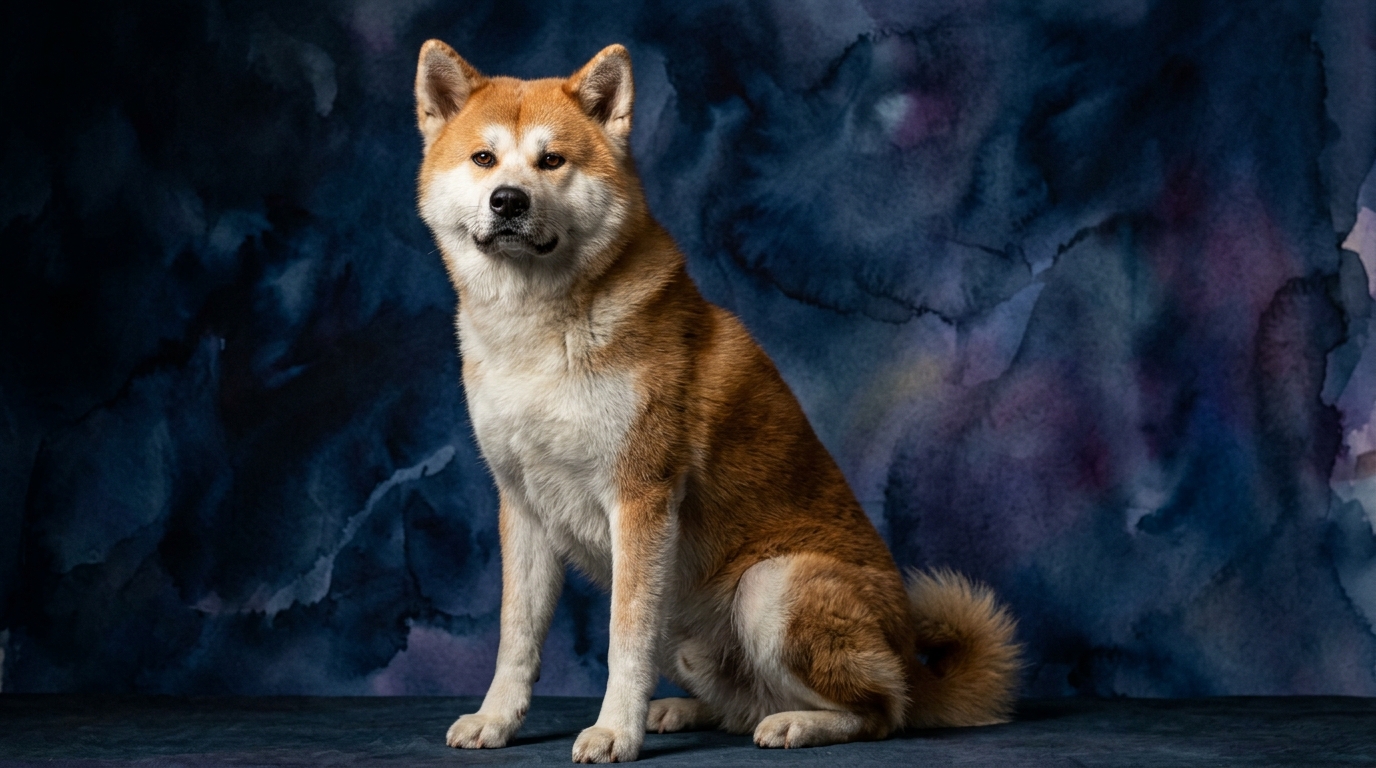
**Akita:** Akitas exhibit a moderate Problem Solving (3/5) capacity, often devising their own solutions, which requires a discerning owner. Their Training Speed (2/5) is deliberate, demanding consistent, patient, and engaging methods due to their independent nature. Social Intelligence (3/5) is moderate, meaning they read cues within their established pack but are reserved with strangers, preferring selective engagement. Instictive Drive (5/5) is exceptionally powerful, guiding their actions with profound loyalty, guarding instincts, and a strong sense of purpose for their family unit. Memory (4/5) is robust, ensuring they retain learned behaviors, routines, and experiences over long periods, making lessons, both positive and negative, deeply ingrained.
**English Toy Spaniel:** The English Toy Spaniel also scores 3/5 in Problem Solving, capable of adapting to situations but not noted for complex strategic thinking. Their Training Speed (3/5) is moderate, allowing them to learn new commands at a reasonable pace, often enjoying the positive interaction of training sessions. Social Intelligence (3/5) is moderate; they are generally amiable and attuned to family moods, though not always initiating complex social engagements. Instictive Drive (3/5) is moderate, manifesting primarily as a desire for companionship, comfort, and gentle play rather than strong working predispositions. Memory (3/5) is moderate, enabling recall of commands and routines, though occasional refreshers might be beneficial to keep less frequently used skills sharp.
Where Akita Wins Cognitively
The Akita's profound instinctive drive (5/5) and robust memory (4/5) are its standout cognitive strengths. This exceptional drive provides an unwavering internal compass, primarily geared towards protection and loyalty. An Akita might instinctively position itself between a child and a perceived threat or patrol territory without explicit instruction, showcasing an innate understanding of its role. This high drive ensures consistent motivation for tasks aligned with these predispositions. Paired with strong memory, the Akita retains experiences and lessons with remarkable tenacity. Once a lesson or boundary is truly understood, it's etched into their cognitive map for significant durations. This underpins their deep loyalty and ability to recall complex routines or threats, creating a dog that acts with consistent, internally driven purpose, profoundly aware of its environment and place within it.
Where English Toy Spaniel Wins Cognitively
The English Toy Spaniel's primary cognitive advantage lies in its training speed (3/5), surpassing the Akita's 2/5. While both share similar problem-solving and social intelligence, the English Toy Spaniel generally absorbs new commands with more readiness and less resistance. Their moderate instinctive drive (3/5) means they are less likely to be sidetracked by powerful, independent motivations that could conflict with human directives. For instance, they might learn a 'stay' command quicker because their innate desire for closeness and to please often outweighs strong urges to patrol or chase. Their moderate memory (3/5) complements this, allowing retention without the intense, sometimes stubborn, recall of higher drive breeds. This smoother learning curve makes training sessions more collaborative, reflecting a cognitive makeup that prioritizes companionship and adaptability within a domestic setting, making them receptive learners for household manners.
Which Is Easier to Train and Why
The English Toy Spaniel is generally easier to train than the Akita, stemming from their contrasting training speed and instinctive drive. The English Toy Spaniel's 3/5 training speed and temperament, which often seeks to please, makes them more amenable to consistent instruction. Their moderate instinctive drive (3/5) means fewer powerful, intrinsic motivations like intense guarding or prey drive interfere with training objectives. Teaching an English Toy Spaniel to walk politely on a leash involves fewer battles against strong innate pulling desires, as their drives are less intense. In contrast, the Akita's 2/5 training speed indicates a slower, more deliberate learning process, demanding significant patience. Their exceptionally high instinctive drive (5/5) for guarding and independence means a strong will; they might understand a command but choose not to execute it if it conflicts with their assessment or inherent drive. This powerful self-determination requires a highly consistent, firm, and respectful training approach. Thus, the English Toy Spaniel typically offers a more straightforward and less demanding training experience.
Which Suits Active Owners vs. Relaxed Owners
The Akita, with its powerful instinctive drive (5/5) and moderate problem-solving (3/5), thrives with active, experienced owners who can channel its inherent purpose. Owners enjoying extensive outdoor activities like long hikes or structured protection training, providing consistent mental stimulation, will find the Akita a fulfilling companion. Their strong memory (4/5) benefits from routines and clear boundaries, making them suitable for owners valuing consistency and dedicating time to managing powerful drives. A relaxed owner unable to provide this engagement might find an Akita's independence overwhelming. Conversely, the English Toy Spaniel, with its moderate instinctive drive (3/5) and higher training speed (3/5), suits more relaxed owners. Their desire for companionship aligns perfectly with a quieter home life, enjoying cuddles, short walks, and gentle play. While still benefiting from enrichment, it's less intense. Their moderate social intelligence (3/5) makes them content with their immediate family, ideal for owners preferring a less demanding social calendar for their pet.
The Verdict
Choose an Akita if you are an experienced dog owner seeking a deeply loyal, powerful companion with a strong protective instinct and are prepared for consistent, patient training to manage their independent nature and high drives.
Opt for an English Toy Spaniel if you desire an affectionate, adaptable companion for a relaxed home environment, valuing a breed that is generally more amenable to training and thrives on close human companionship without intense physical or mental demands.
🧠 Find Your Pet's IQ Score
Our Pet IQ Lab assessment covers 25+ tests across 5 cognitive dimensions — personalized to your breed.
Take the Full IQ Test →Frequently Asked Questions
Do Akitas understand commands quickly?
Akitas have a training speed of 2/5, indicating they learn commands at a deliberate pace. They require consistent, patient, and engaging methods, often needing more repetition than some other breeds to truly integrate new instructions due to their independent nature.
Are English Toy Spaniels good at solving problems?
English Toy Spaniels have a problem-solving score of 3/5, suggesting a moderate ability to figure out new situations. While they can adapt and learn from experience, they are not typically known for complex strategic thinking or devising intricate solutions independently.
How does instinctive drive impact these breeds?
The Akita's 5/5 instinctive drive means profound innate behaviors like guarding and loyalty, requiring channeling. The English Toy Spaniel's 3/5 drive is more moderate, focusing on companionship and comfort, leading to fewer conflicts with human training goals.