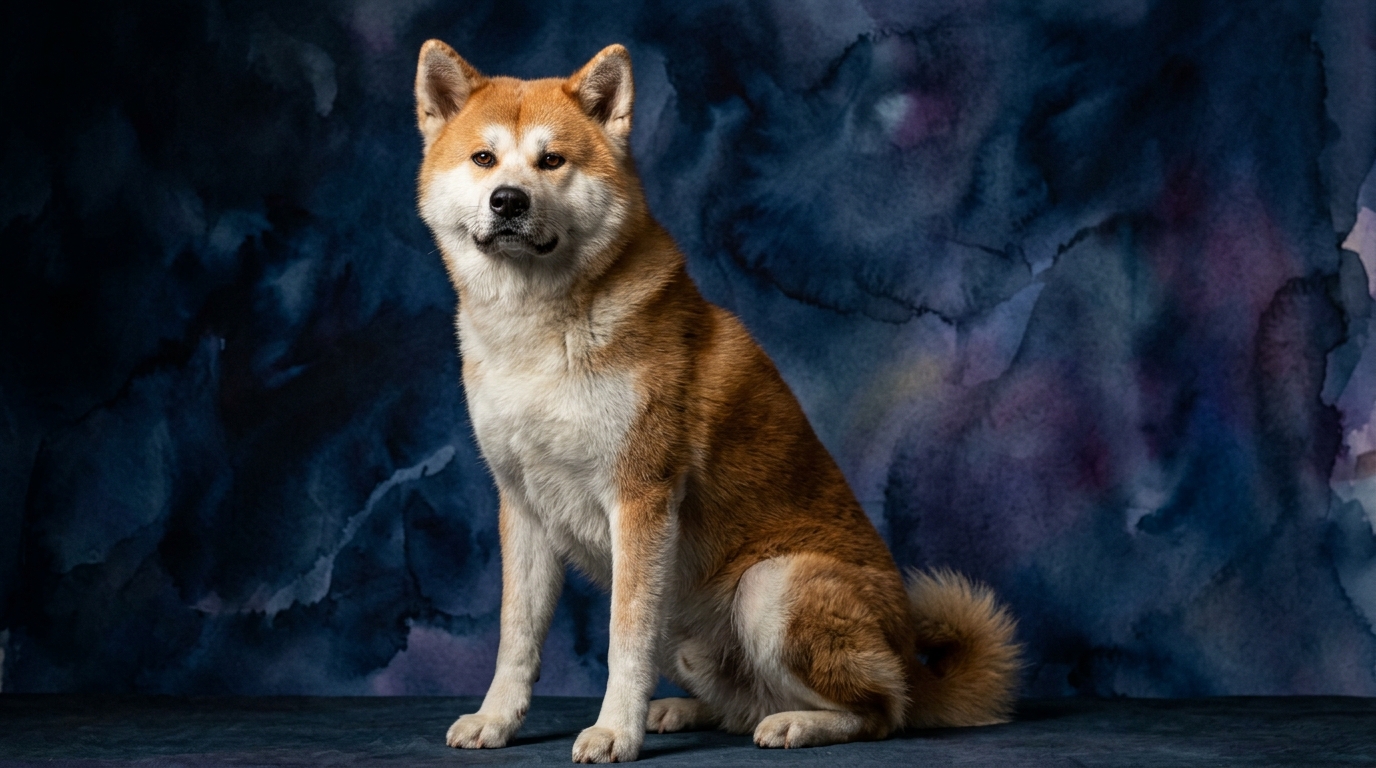
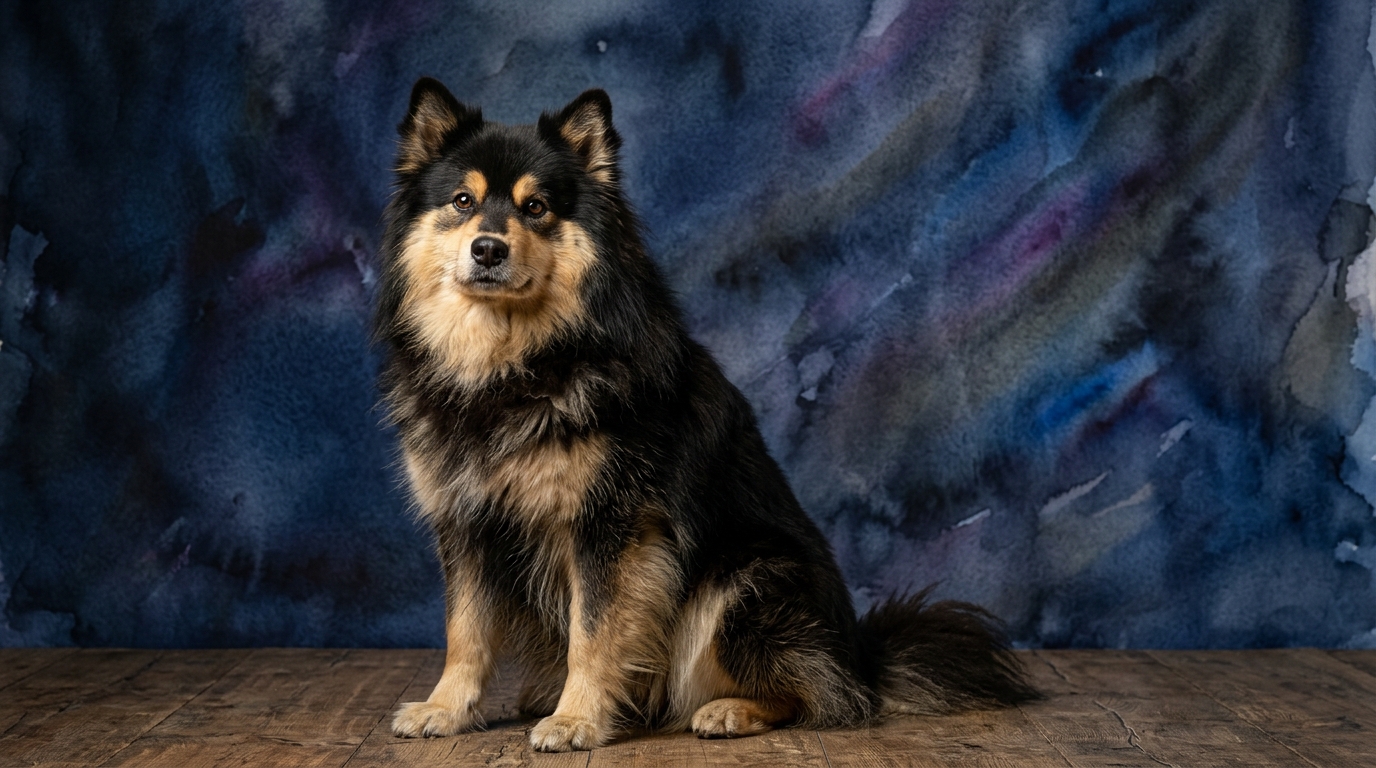
Side-by-Side IQ Profile: Akita vs. Finnish Lapphund
The Cosmic Pet Pet IQ Lab utilizes a five-dimensional framework to assess canine intelligence, capturing the nuanced cognitive abilities of breeds like the Akita and Finnish Lapphund. For the Akita, a breed with a Coren rank of #54, its cognitive blueprint reveals a Problem Solving score of 3/5, indicating a capacity for independent thought, often applied on its own terms. Its Training Speed, at 2/5, suggests a deliberate approach to learning, requiring patience and consistent methods. Social Intelligence, also 3/5, points to a discerning nature, forming deep bonds within its inner circle but often reserved with strangers. The Akita’s Instinctive Drive is exceptionally high at 5/5, reflecting powerful guardian instincts and a strong prey drive. Its Memory, at 4/5, allows it to retain complex information and experiences, influencing future behaviors.
In contrast, the Finnish Lapphund, a Herding breed not ranked by Coren, presents a different cognitive landscape. It matches the Akita in Problem Solving at 3/5, demonstrating practical intelligence for everyday tasks and adapting to changing environments, often with a cooperative spirit. It diverges significantly in Training Speed, scoring 3/5, signifying a more eager and responsive learner, generally keen to engage. Its Social Intelligence, also 3/5, leans towards an affable and communicative disposition, readily engaging with its family and often more open to new acquaintances. The Lapphund’s Instinctive Drive is a moderate 3/5, focused on herding behaviors and vigilance rather than intense guarding. Finally, its Memory score is 3/5, indicating a solid ability to recall commands and routines.
Where the Akita Wins Cognitively
The Akita's cognitive strengths distinctly emerge in areas demanding profound independence and unwavering purpose. Its exceptional Instinctive Drive, rated 5/5, manifests as an unparalleled aptitude for guardianship and territorial awareness. This isn't merely a tendency; it's a deeply ingrained cognitive framework that processes environmental cues with extreme vigilance, enabling the Akita to identify and respond to perceived threats with decisive action. Owners will observe this as a profound sense of responsibility for their home and family, often without direct instruction, making them formidable protectors. This high drive also encompasses a potent prey drive, meaning their focus can intensely lock onto moving objects or small animals, a cognitive predisposition requiring careful management.
Furthermore, the Akita's Memory score of 4/5 provides it with a robust capacity for recalling past experiences, routines, and the nuances of interactions. This cognitive advantage means an Akita can learn complex sequences and remember specific individuals or situations, both positively and negatively. They form strong, lasting impressions of training methods, past encounters, and established boundaries. This acute memory contributes to consistent behavior patterns and their ability to anticipate events, but it also implies that negative experiences or inconsistent training can be deeply ingrained, requiring thoughtful and patient remediation. Their problem-solving, while 3/5, often leverages their memory and instinctive drives for independent solutions.
Where the Finnish Lapphund Wins Cognitively
The Finnish Lapphund’s cognitive advantages shine in areas emphasizing cooperation, adaptability, and responsiveness. Its Training Speed, rated 3/5, significantly surpasses the Akita's, indicating a greater eagerness to engage in learning and a quicker grasp of new commands and routines. This cognitive predisposition makes them generally more biddable and responsive to positive reinforcement, interpreting human cues with an open mind and a desire to please. Owners often find the Lapphund a more fluid partner in training, enjoying the process of acquiring new skills and adapting to various tasks with enthusiasm, a stark contrast to the Akita's more self-directed learning approach.
While both breeds score 3/5 in Social Intelligence, the Lapphund’s manifestation of this trait is distinctly more outward and adaptable. Their social cognition is geared towards harmonious interaction within a family unit and a broader social sphere. They exhibit a nuanced understanding of social dynamics, often using barks, nudges, and body language to communicate effectively with their human companions and other animals. This makes them generally more welcoming and less reserved with strangers, demonstrating a cognitive flexibility in social settings that allows them to integrate more smoothly into diverse environments and new social structures. Their problem-solving, also 3/5, often manifests in practical, cooperative ways, such as navigating an obstacle course with a handler, rather than the Akita's independent, often guarding-related, solutions.
Which is Easier to Train and Why
When considering ease of training, the Finnish Lapphund unequivocally holds an advantage over the Akita, a difference rooted deeply in their respective cognitive profiles and historical roles. The Lapphund's Training Speed score of 3/5 reflects a breed generally eager to please and highly responsive to positive reinforcement. Their herding background cultivated a cognitive framework that values cooperation and responsiveness to handler cues, making them naturally inclined to learn and follow directions. They typically enjoy the mental engagement of training sessions and are less prone to the independent, sometimes stubborn, tendencies that can challenge Akita owners. Their social intelligence also contributes, as they are often more attuned to human emotions and intentions, facilitating a smoother communication channel during training.
Conversely, the Akita's Training Speed score of 2/5 and its strong independent nature present a more significant training challenge. Akitas possess a deep-seated self-reliance, meaning they often weigh commands against their own perceived interests. Their problem-solving ability, while present, frequently leads them to make their own decisions rather than automatically deferring to a handler. Training an Akita demands immense patience, unwavering consistency, and a profound understanding of their motivations. They are not a breed that responds well to harsh methods; instead, they require positive reinforcement, clear boundaries, and a handler who can establish leadership through trust and respect. Their memory, while excellent, means they will also remember inconsistent training or perceived injustices, complicating future sessions.
Which Suits Active Owners vs. Engaged Owners
Neither the Akita nor the Finnish Lapphund are truly suited for "relaxed" owners in the sense of minimal engagement; both require significant investment. However, their cognitive and instinctive drives dictate distinct activity needs. The Akita, with its 5/5 Instinctive Drive and independent problem-solving, is better suited for owners prepared for consistent, structured activity and assertive leadership. This active ownership involves not just physical exercise but also extensive mental stimulation, often via training that reinforces boundaries and provides outlets for their guardianship and prey drives. An Akita thrives with owners who understand their need for a "job" and can provide consistent, firm guidance to channel their powerful instincts constructively. They are not a breed for casual walks; they require purpose-driven engagement and secure environments.
The Finnish Lapphund, while also requiring an active lifestyle, offers a different kind of engagement. Its 3/5 Instinctive Drive, primarily focused on herding, means it enjoys activities involving movement, problem-solving, and working alongside its owner. Owners who enjoy dog sports like agility, obedience, or long, engaging hikes will find the Lapphund a willing and enthusiastic participant. Their higher training speed and more cooperative social intelligence mean they enjoy learning new things and being part of family activities. While they need regular exercise and mental challenges, their needs are often more flexible and less intense in terms of requiring constant management of potent guardian instincts compared to the Akita. They suit owners who are active and want a cooperative companion for various endeavors.
The Verdict
Choose an Akita if you are an experienced owner seeking a profoundly loyal, independent guardian, prepared for rigorous training and consistent leadership to manage its strong instincts and discerning social nature.
Opt for a Finnish Lapphund if you desire a cooperative, responsive companion eager to engage in activities, valuing a dog that readily learns and integrates into family life with a communicative, adaptable temperament.
🧠 Find Your Pet's IQ Score
Our Pet IQ Lab assessment covers 25+ tests across 5 cognitive dimensions — personalized to your breed.
Take the Full IQ Test →Frequently Asked Questions
Are Akitas genuinely stubborn, or is it a misunderstanding of their intelligence?
Akitas are not stubborn in a negative sense but possess a strong independent problem-solving ability and self-reliance. Their lower training speed score reflects a tendency to weigh commands against their own judgment, requiring consistent, trust-based training rather than automatic compliance.
How does the Finnish Lapphund's herding instinct influence its daily cognitive needs?
The Finnish Lapphund's moderate herding instinct means they thrive on activities that involve movement, problem-solving, and working cooperatively with their owner. This translates to a need for engaging mental and physical tasks that mimic their historical role, keeping them mentally stimulated and content.
Considering their social intelligence, which breed tends to be more adaptable to diverse social environments and new people?
The Finnish Lapphund, with its more outward and communicative social intelligence, generally adapts more smoothly to diverse social environments and new people. While both score 3/5, the Lapphund's disposition is typically more affable and less reserved than the Akita's discerning nature.