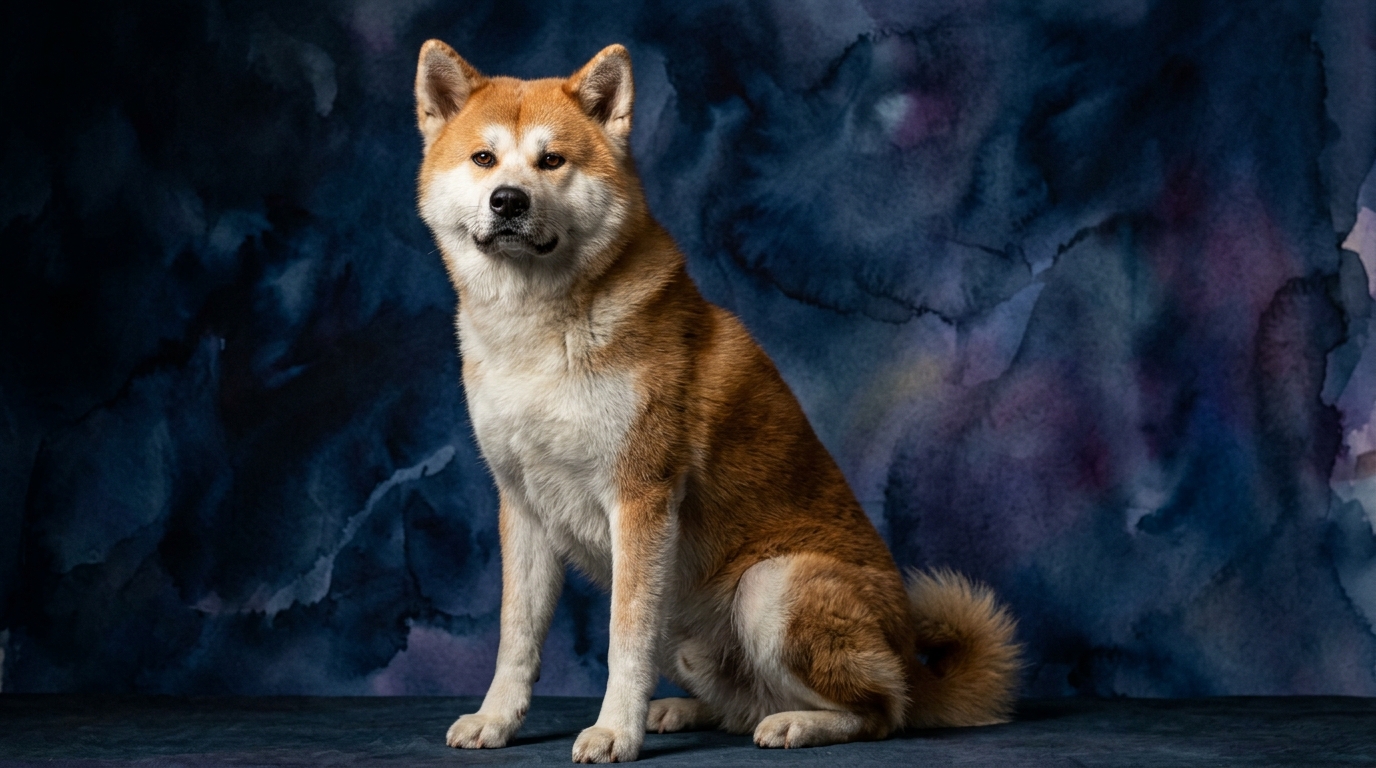

Side-by-Side IQ Profile: Akita vs. Löwchen
The Akita, a breed developed for hunting large game and guarding, exhibits a distinct cognitive blueprint. Its Coren rank of #54 reflects its independent spirit rather than high obedience. In problem-solving, the Akita scores 3/5, demonstrating an ability to independently assess situations and devise solutions, which might not always align with an owner’s desired outcome. Training speed is rated 2/5, indicating a need for exceptional patience and consistency due to their strong will and selective motivation. Social intelligence stands at 3/5; Akitas are profoundly loyal to their core family but typically reserved, even aloof, with strangers and often prefer limited social circles. Their instinctive drive is a formidable 5/5, encompassing powerful prey drives and an inherent guarding nature that requires careful management. Memory is a robust 4/5, meaning Akitas retain experiences, routines, and perceived injustices with remarkable clarity, influencing their long-term behavior.
In contrast, the Löwchen, or 'Little Lion Dog,' cherished as a companion, possesses a different cognitive makeup, not appearing on the Coren ranking list. For problem-solving, the Löwchen also scores 3/5, adept at figuring out how to achieve their wants, often employing charm or persistent, playful tactics. Their training speed is a moderate 3/5, making them generally responsive and eager to learn when motivated by positive reinforcement and interaction. Social intelligence matches the Akita at 3/5, but manifests differently; Löwchens are typically outgoing, highly sociable, and thrive on companionship, often seeking broad engagement with people and other animals. Their instinctive drive is a balanced 3/5, primarily driven by play and interaction rather than intense hunting or guarding instincts. Memory is rated 3/5, allowing them to recall routines and familiar faces well, though perhaps not with the same depth or long-term retention as breeds like the Akita.
Where the Akita Wins Cognitively
The Akita’s cognitive strengths shine particularly in areas demanding independence, vigilance, and enduring recall, directly stemming from their ancestral roles. Their 5/5 instinctive drive isn't merely a raw impulse; it's a sophisticated cognitive system for evaluating environmental cues, recognizing potential threats, and acting decisively to protect their territory or family with minimal human prompting. This manifests as an acute awareness of their surroundings and a profound sense of responsibility. Furthermore, the Akita’s 4/5 memory prowess is a significant cognitive advantage. They possess an exceptional ability to form lasting associations and recall specific events, routines, and individuals over extended periods. This detailed memory contributes to their unwavering loyalty to their chosen family, but also means they will remember negative experiences or perceived slights, which can impact future interactions.
Where the Löwchen Wins Cognitively
The Löwchen’s cognitive profile offers distinct advantages, particularly in adaptability, broad social engagement, and responsiveness, making them wonderfully integrated companions. While its social intelligence is rated 3/5, similar to the Akita, the Löwchen’s expression of this trait is markedly different and, for many owners, a cognitive win. They demonstrate a natural aptitude for wide social interaction, easily forming bonds with a diverse array of people and often enjoying the company of other animals. This makes them highly adaptable to varied social settings. Their moderate training speed of 3/5, coupled with a genuine desire to please their human companions, gives them an edge in the ease and enjoyment of learning. Unlike the Akita’s independent problem-solving, the Löwchen often leverages its social intelligence to figure out how to best interact with humans to achieve desired outcomes, making them highly responsive to cues and reinforcement.
Which is Easier to Train and Why
When considering ease of training, the Löwchen generally presents a more straightforward experience than the Akita. The Löwchen's training speed is rated 3/5, indicating a moderate pace of learning, but crucially, this is coupled with a strong desire to engage with and please their owners. They thrive on positive reinforcement, praise, and interactive play, making training sessions enjoyable and productive. Their social intelligence (3/5) means they are attuned to human emotions and cues, often eager to cooperate to maintain harmony and receive affection. The Akita, with a training speed of 2/5, presents a more significant challenge. Their powerful independent streak and problem-solving ability (3/5) often mean they will weigh a command against their own motivations or perceived benefits. An Akita might understand a command perfectly but choose not to execute it if they don't see the immediate value or if their strong instinctive drive (5/5) is focused elsewhere. Training an Akita requires immense patience, unwavering consistency, and a deep understanding of canine behavior, often needing owners to be more creative in their motivation.
Which Suits Active Owners vs. Relaxed Owners
For active owners who relish a challenge and are prepared to dedicate substantial time to consistent, structured engagement, the Akita can be an incredibly rewarding companion. Their high instinctive drive (5/5) and independent problem-solving (3/5) mean they require regular mental and physical outlets that tap into their innate abilities. This includes rigorous exercise, advanced obedience training that respects their intelligence while guiding their strong will, and activities that provide a sense of purpose. Owners must be proactive in managing their strong prey drive and ensuring extensive, careful socialization. An Akita thrives with an owner who respects their profound loyalty and independence, providing clear boundaries and consistent leadership.
Conversely, for relaxed owners seeking a joyful, adaptable, and less demanding companion, the Löwchen is an excellent fit. While they certainly enjoy walks and play, their moderate instinctive drive (3/5) and innate sociability mean they are content with a more varied pace of life, equally happy with a vigorous romp in the park or a quiet evening on the couch. Their higher training speed (3/5) and eagerness to please make them amenable to basic obedience and tricks without requiring an expert trainer. Owners who appreciate a dog that integrates seamlessly into family activities, thrives on companionship, and offers a more straightforward training journey will find the Löwchen’s cognitive profile aligns perfectly with their lifestyle.
The Verdict
Choose the Akita if you seek a fiercely loyal, independent protector who thrives with experienced, patient owners dedicated to consistent training and providing outlets for their profound instincts and problem-solving capabilities.
Opt for the Löwchen if you desire an amiable, sociable companion who learns readily, integrates well into family life, and brings joyful, adaptable energy to a range of household dynamics.
🧠 Find Your Pet's IQ Score
Our Pet IQ Lab assessment covers 25+ tests across 5 cognitive dimensions — personalized to your breed.
Take the Full IQ Test →Frequently Asked Questions
Are Akitas good family dogs?
Akitas can be devoted family dogs, forming intense bonds with their immediate human family; however, their reserved nature and strong protective instincts mean they require early socialization and careful management around strangers and other animals. Their loyalty is profound, but it's often selectively given and fiercely guarded once earned.
What kind of mental stimulation do Löwchens need?
Löwchens benefit from regular interactive play, puzzle toys that challenge their moderate problem-solving skills, and short, engaging training sessions to keep their minds active. Their social nature also means that companionship and varied experiences with their human family provide significant mental enrichment.
How does Coren ranking relate to Pet IQ Lab scores?
Coren rankings primarily assess a breed's 'working intelligence' or obedience, indicating how quickly they learn commands, whereas Pet IQ Lab scores offer a broader, multi-dimensional view of canine cognition. The Pet IQ Lab dissects specific cognitive traits like problem-solving, social intelligence, and instinctive drive, providing a more nuanced understanding beyond just trainability.