
Side-by-Side IQ Profile
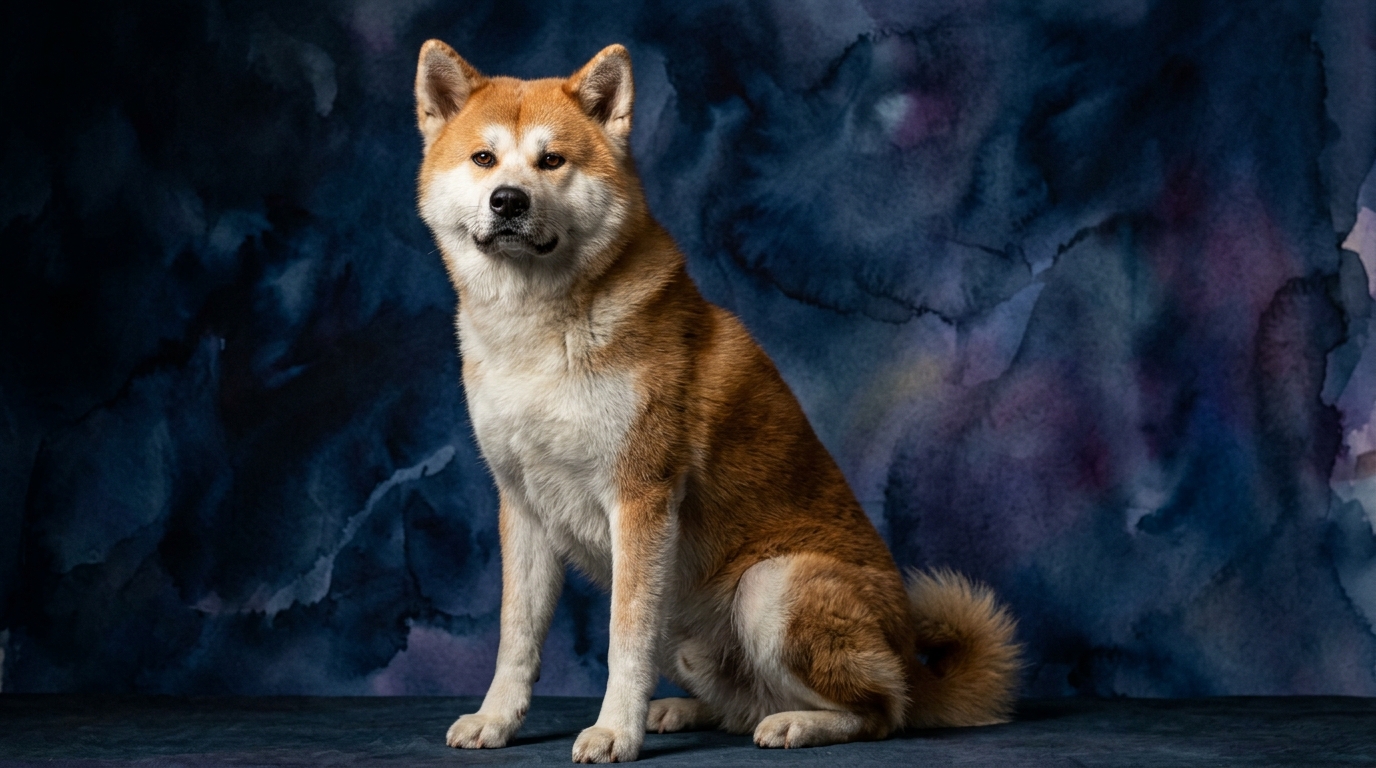
The Akita, a breed descending from ancient Japanese lines and ranked #54 by Coren, presents a unique cognitive blueprint. Its problem-solving capacity sits at a solid 3 out of 5, indicating an ability to navigate challenges, often with an independent approach rather than seeking human direction. Training speed is a more deliberate 2 out of 5; these dogs learn, but they require consistent, patient methods tailored to their self-assured temperament. Social intelligence registers at 3 out of 5, reflecting a discerning nature where deep bonds are formed with family members, while interactions with outsiders are often reserved. A striking 5 out of 5 for instinctive drive highlights their powerful guardian instincts and strong prey drive, deeply rooted in their heritage. Finally, the Akita's memory is robust at 4 out of 5, allowing them to retain complex information and experiences over time.
In contrast, the Toy Fox Terrier, while not included in Coren's rankings, offers a distinct cognitive profile. Its problem-solving skill, like the Akita, is rated 3 out of 5, showcasing a quick wit often applied to figuring out how to get what it wants or navigate its environment with agility. Training speed for the Toy Fox Terrier is a moderate 3 out of 5, suggesting a quicker uptake of commands than the Akita, though their spirited nature can sometimes introduce distractions. Social intelligence also stands at 3 out of 5; they are often charming and engaging with their familiar circle, yet can display a confident wariness towards the unfamiliar. Their instinctive drive is a balanced 3 out of 5, encompassing a terrier's natural inclination to chase and explore, but without the intense guardian focus of the Akita. Memory for the Toy Fox Terrier is rated 3 out of 5, indicating a practical recall for routines and learned behaviors.
Where Akita Wins Cognitively
The Akita truly distinguishes itself in two key cognitive dimensions: instinctive drive and memory. With an instinctive drive rated 5 out of 5, the Akita possesses an unparalleled intensity in its inherent behaviors. This manifests as a profound sense of loyalty and a formidable protective instinct towards its family and territory, often making them vigilant guardians. Their historical role demanded a breed capable of independent decision-making in defense, and this deeply ingrained trait means they are wired to assess threats and react decisively, sometimes without direct human command. This isn't merely a physical attribute, but a cognitive one, involving complex threat assessment and strategic responses. Furthermore, the Akita's memory, scoring 4 out of 5, is notably superior. This robust memory allows them to recall specific interactions, routines, and boundaries with remarkable clarity, forming lasting impressions of both positive and negative experiences. This means an Akita remembers a kind gesture or a perceived injustice for a very long time, influencing their future interactions and learning processes. Their capacity for detailed recall aids in their territorial understanding and the recognition of familiar faces versus strangers, reinforcing their guardian role with a sophisticated internal database of past events.
Where Toy Fox Terrier Wins Cognitively
The Toy Fox Terrier's cognitive edge becomes apparent in its training speed, rated 3 out of 5 compared to the Akita's 2 out of 5. This difference signifies a breed that generally grasps new commands and concepts more readily and with less repetition. Their inherent eagerness to engage in interactive tasks, coupled with their spirited and often playful disposition, means they are typically more responsive to learning sessions. Toy Fox Terriers often exhibit a quick uptake for tricks and obedience cues, thriving on positive reinforcement that makes learning feel like a game. While they possess a terrier's independent streak, it is often expressed as curiosity and enthusiasm rather than the Akita's stoic self-reliance, making them more amenable to guided learning. This quicker learning curve can make initial obedience training a smoother, more rewarding experience for many owners, as the Toy Fox Terrier shows a more immediate desire to understand and perform what is asked of them, provided the training is engaging and consistent. Their agility and focus, when properly channeled, translate into a dog that can pick up a diverse range of behaviors with relative efficiency.
Which is Easier to Train and Why
When considering ease of training, the Toy Fox Terrier generally presents a more straightforward path due to its higher training speed and different motivational drivers. Their 3/5 training speed reflects a quicker absorption of new information and a greater propensity to engage in cooperative learning. Toy Fox Terriers often respond well to positive reinforcement, eagerly participating in sessions that involve treats, toys, or praise. Their natural athleticism and desire for mental stimulation mean they often enjoy the challenge of learning new cues, turning training into an engaging activity rather than a chore.
The Akita, with its 2/5 training speed, requires a significantly more nuanced and patient approach. Their working breed heritage instilled a powerful sense of independence; they are not inherently driven by a strong desire to please in the same way many other breeds are. Instead, an Akita often evaluates a command based on its own perceived value or whether it aligns with their internal logic. This means training requires consistent, firm, but fair leadership, establishing trust and respect rather than relying solely on repetition or simple rewards. Behavioral differences like their strong-willed nature and discerning social intelligence mean that an Akita might choose not to comply if they don't see the point, or if their handler hasn't earned their full cooperation. While capable of learning complex tasks, their cognitive process involves a deeper assessment, making the journey longer and demanding a more experienced hand.
Which Suits Active Owners vs. Relaxed Owners
The choice between these breeds hinges significantly on an owner's lifestyle and energy levels. The Akita, with its profound instinctive drive (5/5) and need for mental engagement, is best suited for active owners who understand the demands of a working breed. These dogs require consistent, purposeful activity that taps into their guardian instincts, whether through structured training, long walks in varied environments, or tasks that provide a sense of purpose. A relaxed owner who cannot provide sufficient outlets for their Akita's deep-seated drives may find themselves with a bored and potentially destructive companion. Their independent nature also means they thrive with owners who can provide clear leadership and boundaries, rather than a passive approach.
Conversely, the Toy Fox Terrier, while energetic, can often thrive with owners who are active but perhaps not seeking the intense, purpose-driven engagement required by an Akita. Their 3/5 instinctive drive translates into a need for regular play, walks, and mental games, but these are often satisfied with less intensity than the Akita requires. They are adaptable companions who enjoy being involved in family activities, whether it's a brisk walk, a game of fetch in the yard, or cuddling on the couch. Their moderate social intelligence and quicker training speed mean they can adjust to various home environments, making them suitable for owners who appreciate a lively, responsive companion without the specific demands of a large guardian breed. A relaxed owner who still enjoys daily interaction and short bursts of activity would find a Toy Fox Terrier a more manageable and joyful fit.
The Verdict
Choose an Akita if you are an experienced, active owner seeking a profoundly loyal, independent guardian who thrives on purposeful engagement and deep, lasting bonds forged through consistent leadership.
Opt for a Toy Fox Terrier if you desire an agile, spirited companion who learns quickly, enjoys interactive play, and can adapt to a moderately active lifestyle with a cheerful disposition.
🧠 Find Your Pet's IQ Score
Our Pet IQ Lab assessment covers 25+ tests across 5 cognitive dimensions — personalized to your breed.
Take the Full IQ Test →Frequently Asked Questions
Does the Akita's high memory score mean they hold grudges?
An Akita's strong memory means they form lasting impressions of experiences, both positive and negative. While not necessarily "holding grudges" in a human sense, they will remember past interactions and adjust their behavior accordingly, emphasizing the importance of consistent, fair treatment.
Can a Toy Fox Terrier live in an apartment despite its energy?
Yes, a Toy Fox Terrier can adapt well to apartment living, provided their daily needs for physical exercise and mental stimulation are met through walks, play sessions, and interactive toys. Their compact size makes them suitable, but their energetic nature requires dedicated engagement from their owner.
How does the Akita's instinctive drive influence its suitability for first-time dog owners?
The Akita's powerful instinctive drive, especially for guarding and prey, makes them a challenging choice for first-time dog owners. Their independence and need for experienced, consistent leadership often require a nuanced understanding of canine behavior that novices may find overwhelming.