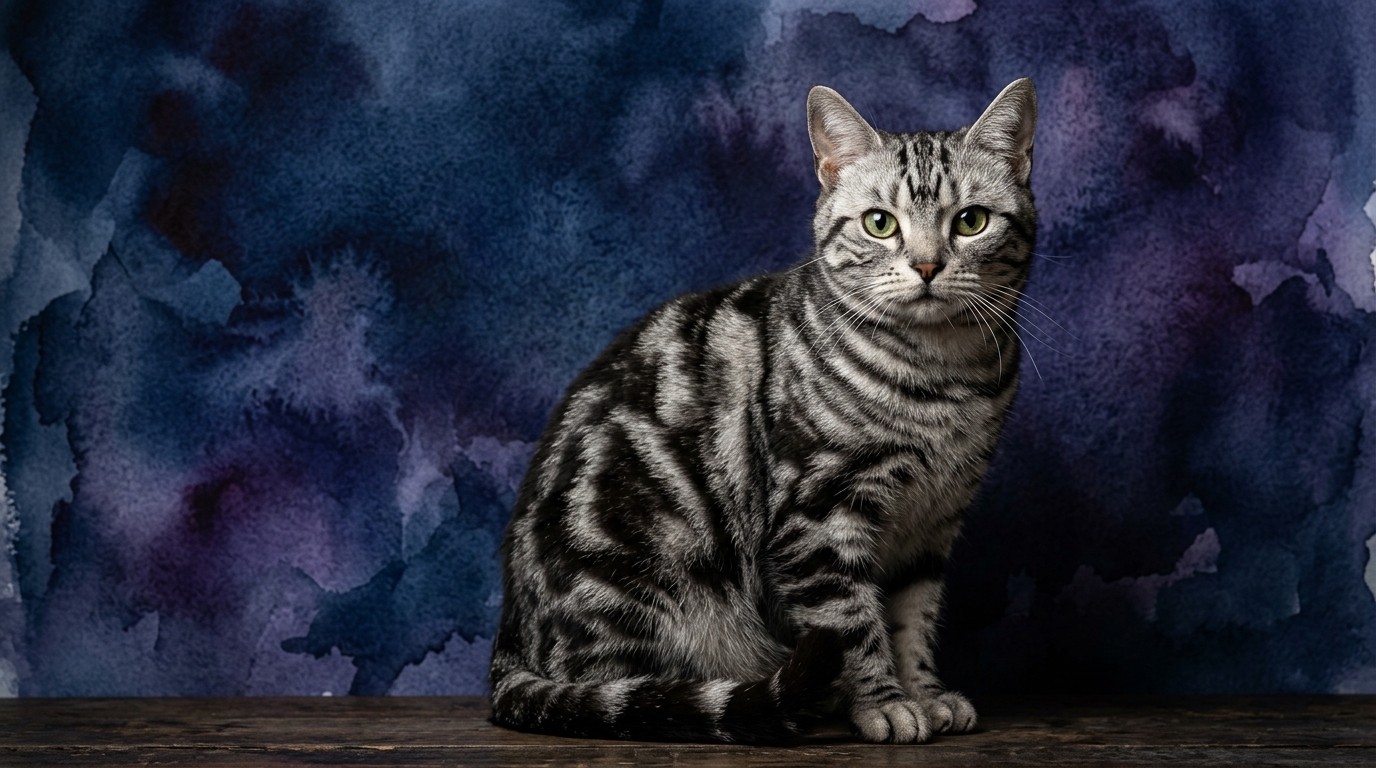
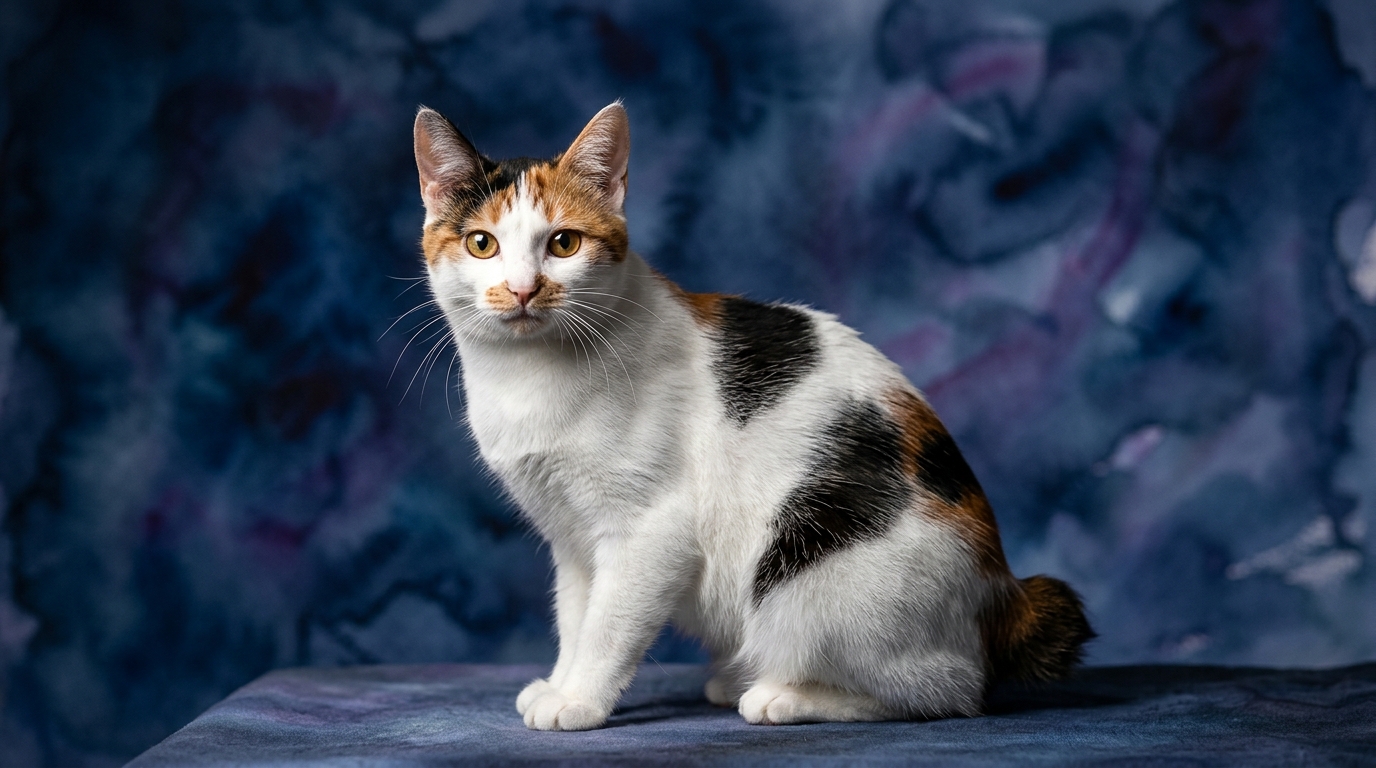
Side-by-Side IQ Profile: American Shorthair vs Japanese Bobtail
Delving into the specifics of their intelligence scores, both the American Shorthair and the Japanese Bobtail register a uniform 3/5 across the board. This numerical parity, however, conceals fascinating differences in how these cognitive abilities are expressed in their daily lives and interactions.
**Problem Solving (3/5):** The American Shorthair approaches novel challenges with a steady, observational demeanor, methodically assessing situations like puzzle toys with calm persistence. Their solutions often reflect practical efficiency, demonstrating a quiet understanding of cause and effect without frantic attempts. In contrast, the Japanese Bobtail tackles problems with an energetic, curious zest, employing a wider, more improvisational range of strategies. They engage enthusiastically with puzzle toys, driven by innate playfulness and a desire for interaction, often trying various approaches until a solution is found or engagement achieved.
**Training Speed (3/5):** American Shorthairs respond well to consistent, calm training, reliably learning routines and basic cues over time with positive reinforcement. Their learning is often quiet and steady, demonstrating long-term retention of behaviors and household expectations. Japanese Bobtails, eager to engage and please, often appear quicker to learn tricks or respond to their name due to their vocal nature and playful disposition. Training sessions become enjoyable, interactive games, accelerating their acquisition of new skills.
**Social Intelligence (3/5):** The American Shorthair demonstrates social intelligence through quiet, perceptive companionship and an awareness of household moods. They are attuned to routines, offering comfort or seeking attention subtly, forming deep bonds expressed through gentle presence rather than constant demands. Conversely, the Japanese Bobtail exhibits social intelligence through overt interaction, varied vocalizations, and enthusiastic participation in family life. They greet owners, engage in "conversations," and enjoy being at the heart of activities, clearly communicating desires and affection.
**Instinctive Drive (3/5):** Possessing a moderate, balanced prey drive, the American Shorthair expresses this through focused observation of birds or engaging in solo play with hunting-mimicking toys. They are competent hunters but often content with simulated activities and structured playtime. The Japanese Bobtail displays a robust, energetic instinctive drive, frequently engaging in spirited games of fetch or chase with impressive agility. Their natural curiosity fuels active exploration, and they are adept at "hunting" toys, often retrieving them for more interaction.
**Memory (3/5):** The American Shorthair exhibits reliable memory for established routines, favored resting spots, and the consistent presence of preferred humans. They recall past experiences, adapting behavior based on learned patterns like breakfast timing or specific family member's car sounds. The Japanese Bobtail recalls games, specific people, and complex interactions with remarkable clarity and enthusiasm. They remember who plays fetch, who gives the best head scratches, and specific play sequences, often initiating interactions based on positive past experiences and social cues.
Where the American Shorthair Wins Cognitively
The American Shorthair's cognitive strength lies in their adaptable and observant nature, manifesting as a quiet yet profound understanding of their environment. They "win" in scenarios requiring sustained, calm focus, such as methodically deciphering a multi-step feeder puzzle that demands patient, logical progression rather than impulsive action. Their memory for subtle environmental cues and established household routines is particularly robust, allowing them to seamlessly integrate into varied domestic dynamics and anticipate daily rhythms with remarkable accuracy. This practical application of their problem-solving and memory makes them exceptionally reliable in navigating their world, often preferring a thoughtful approach over an overtly energetic one.
Where the Japanese Bobtail Wins Cognitively
A Japanese Bobtail's cognitive advantages often shine through their highly interactive and expressive approach to the world, leveraging their social intelligence and memory for engagement. They "win" in tasks demanding quick, communicative responses, such as learning to "speak" on command or initiating complex play sequences that involve human participation. Their strong social awareness, coupled with an excellent memory for specific interactions and individual preferences, enables them to build intricate relationships with family members, remembering precisely who plays fetch or offers the best scratches. This makes them exceptionally responsive to human cues and highly adept at collaborative problem-solving where human guidance and feedback are central.
Which is Easier to Train and Why
Both breeds score 3/5 in training speed, yet their distinct personalities shape the training experience. A Japanese Bobtail might *appear* easier to train for tricks and interactive commands due to their eagerness to engage, vocal nature, and playful disposition, which transforms training sessions into enjoyable, interactive games. Their intrinsic motivation for social interaction can significantly accelerate their learning of specific cues and responses. In contrast, an American Shorthair, while equally capable of learning, thrives on consistent, calm reinforcement and predictable routines. They might be easier to train for quiet obedience, adherence to household rules, or adapting to new environments due to their adaptable and generally unflappable temperament, learning through observation and steady repetition rather than effusive participation.
Suitability for Active vs. Relaxed Owners
For active owners who relish interactive play, daily engagement, and a communicative companion, the Japanese Bobtail is an excellent match. Their zest for games like fetch, their tendency to "chat," and their desire to be actively involved in household activities align perfectly with a dynamic lifestyle that appreciates a cat's energetic participation. Conversely, relaxed owners seeking a calm, self-possessed companion who enjoys quiet presence and predictable routines will find the American Shorthair highly suitable. While they deeply appreciate affection and companionship, their independence and adaptable nature mean they are often content to entertain themselves or simply share space without constant demands for attention, fitting seamlessly into a more serene household rhythm.
The Verdict
Opt for an American Shorthair if you value a composed, adaptable companion who integrates smoothly into household rhythms with quiet grace and a steady presence. They are ideal for those seeking a reliable, independent yet affectionate cat that excels at observing and learning routines.
Select a Japanese Bobtail if you desire an energetic, highly interactive, and vocal companion eager to participate in family life and engage in playful, "dog-like" antics. They are perfect for owners who appreciate a cat that actively communicates and thrives on social interaction.
🧠 Find Your Pet's IQ Score
Our Pet IQ Lab assessment covers 25+ tests across 5 cognitive dimensions — personalized to your breed.
Take the Full IQ Test →Frequently Asked Questions
Are American Shorthairs generally good with children?
Yes, American Shorthairs are typically known for their patient and tolerant nature, making them suitable companions for families with children. They tend to be adaptable and can handle the commotion of a busy household with calm composure, often enjoying gentle play and respectful interactions.
Do Japanese Bobtails really "talk" or make unique sounds?
Japanese Bobtails are indeed renowned for their distinctive vocalizations, often described as chirps, trills, and meows with varying tones, rather than typical cat sounds. They use this varied vocabulary to communicate actively with their owners, expressing desires, opinions, and engaging in "conversations" with remarkable frequency.
Which breed is more prone to showing signs of separation anxiety?
While both breeds form strong bonds with their families, Japanese Bobtails, with their highly social and interactive nature, can sometimes be more prone to showing signs of distress if left alone for extended periods. American Shorthairs, being generally more independent, often handle solitude with greater ease, though individual personalities will always vary.