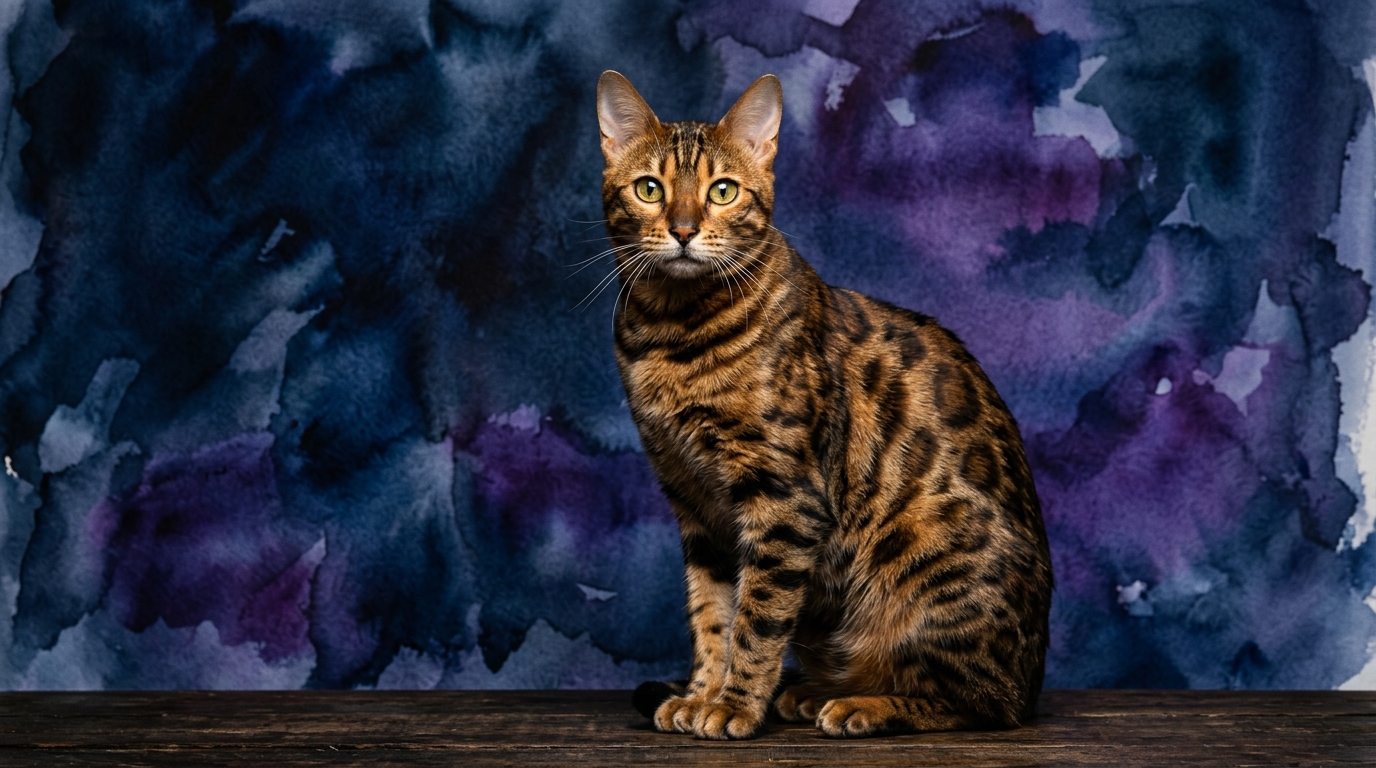
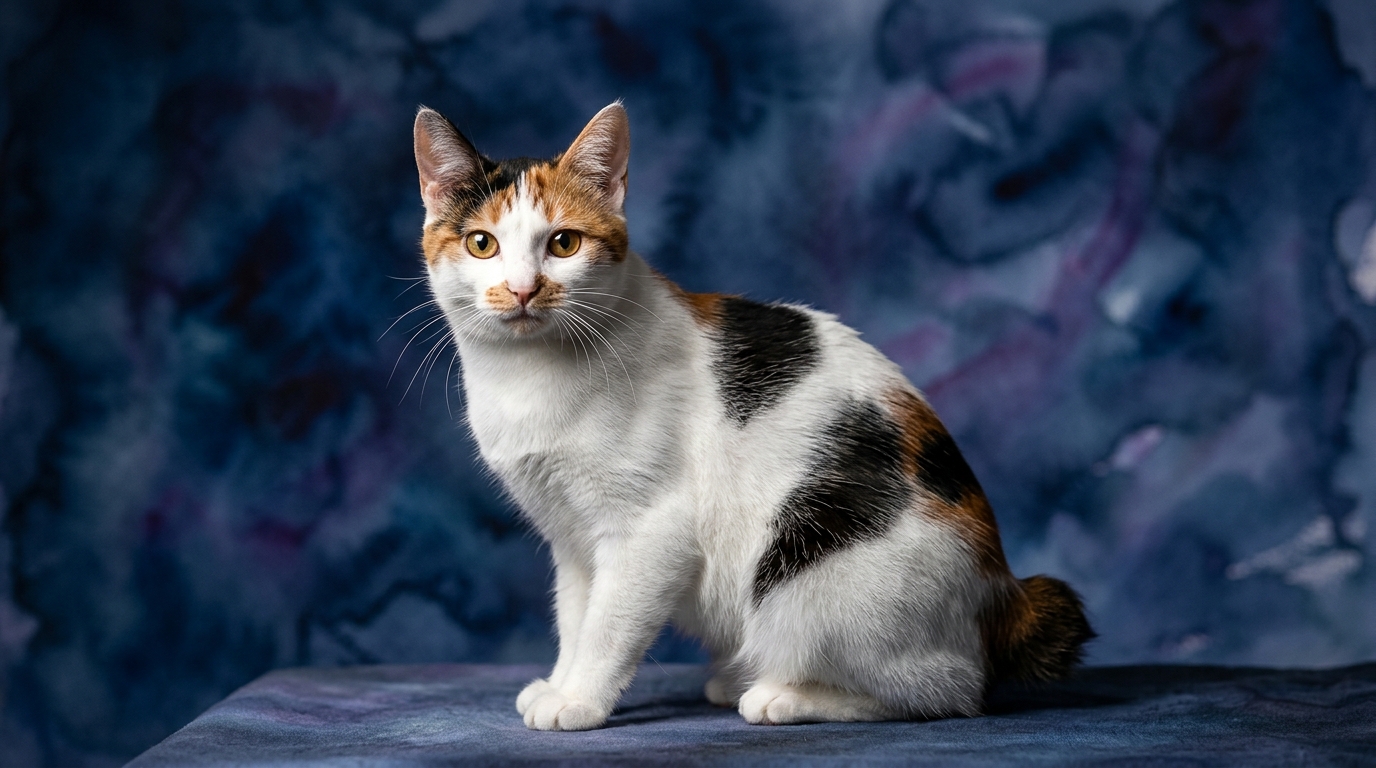
Side-by-Side Feline IQ Profile
Exploring the cognitive profiles of these two distinct breeds, we see clear differences across the five dimensions.
• **Bengal:**
• *Problem Solving (5/5):* Exhibits exceptional analytical skills, adept at manipulating objects and devising novel strategies for complex puzzle toys or overcoming obstacles.
• *Training Speed (4/5):* Demonstrates rapid learning, quickly grasping commands and routines by forming strong associations, leading to efficient skill acquisition.
• *Social Intelligence (4/5):* Engages actively with humans and other pets, initiating interactions and readily adapting behavior based on social cues within a household.
• *Instinctive Drive (5/5):* Possesses a powerful suite of innate behaviors, including strong hunting instincts and a pronounced exploratory urge, fueling continuous curiosity and physical activity.
• *Memory (5/5):* Recalls complex sequences, learned behaviors, and spatial layouts with remarkable accuracy over extended periods, ensuring retention of training and experiences.
• **Japanese Bobtail:**
• *Problem Solving (3/5):* Capable of solving straightforward puzzles and navigating familiar environments, often taking a practical approach, but may require more time for novel challenges.
• *Training Speed (3/5):* Learns at a moderate pace, responding well to consistent, positive reinforcement, acquiring behaviors with sustained effort rather than rapid assimilation.
• *Social Intelligence (3/5):* Enjoys companionship and forms strong bonds, expressing affection clearly. While attentive to family, they might be more reserved with strangers or new social settings.
• *Instinctive Drive (3/5):* Displays moderate natural instincts, including playfulness and mild hunting interest. Their exploratory drive is present but typically less intense, often satisfied within known territory.
• *Memory (3/5):* Retains familiar routines and important social connections reliably, remembering basic commands and household arrangements but not intricate details as readily.
Where the Bengal Wins Cognitively
The Bengal's cognitive profile reveals several distinct advantages, particularly in areas demanding robust mental agility and intrinsic motivation. Their Problem Solving score of 5/5 means they are highly adept at navigating intricate challenges, such as figuring out how to open child-proof latches or dismantling complex feeder toys. This isn't just about trial and error; Bengals often demonstrate a strategic approach, observing and planning. Coupled with a 5/5 in Instinctive Drive, their natural curiosity and predatory instincts are exceptionally strong, compelling them to explore, hunt, and interact with their environment profoundly. This drive fuels their continuous learning and engagement. Furthermore, their 5/5 Memory ensures these learned solutions and intricate environmental maps are retained with exceptional clarity, allowing them to build upon past experiences and apply solutions efficiently to new situations. A Bengal remembers exactly where a hidden treat dispenser is or the sequence to activate a favorite toy for a long time.
Where the Japanese Bobtail Wins Cognitively
While the Japanese Bobtail's cognitive scores are consistently at 3/5, this balanced profile represents a specific type of cognitive strength, optimizing their interaction within a stable, loving home environment. Their 3/5 in Social Intelligence means they are reliably affectionate and form deep, enduring bonds with their chosen humans, expressing needs and desires with clear communication. They excel at being present and engaged companions without demanding constant, high-intensity mental stimulation. Similarly, a 3/5 in Instinctive Drive indicates a healthy, curious nature typically satisfied with regular play and exploration within their immediate surroundings, rather than a relentless pursuit of novelty. This allows them to settle into routines with ease, making them predictable and comforting. Their consistent 3/5 in Memory and Problem Solving suggests they are capable of learning and adapting to household rules and routines without the potential for over-complication or a constant need for new intellectual puzzles. The Japanese Bobtail's win lies in its harmonious integration, providing a steady, delightful presence.
Which is Easier to Train and Why
When considering ease of training, the Bengal clearly presents a swifter learning curve compared to the Japanese Bobtail. The Bengal's 4/5 Training Speed reflects its exceptional ability to quickly associate commands with actions and outcomes, grasping new concepts rapidly. This is amplified by their 5/5 Problem Solving, allowing them to understand the 'why' behind a task, making them adept at complex tricks, leash training, or recall. They often view training as stimulating mental exercise. In contrast, the Japanese Bobtail, with a 3/5 Training Speed, learns at a more moderate pace. They respond well to consistent, positive reinforcement but require more patience and repetition. Their 3/5 Problem Solving means they can learn tasks but might approach new challenges with a straightforward, less experimental mindset, preferring established routines over intricate new demands. For rapid skill acquisition and complex behavioral training, the Bengal offers a more direct path.
Which Suits Active Owners vs. Relaxed Owners
The distinction between these two breeds becomes clear when matching them with owner lifestyles. Bengals, with their 5/5 Instinctive Drive and 5/5 Problem Solving, thrive with active owners who provide consistent mental and physical challenges. Their profound exploratory urge and high energy levels mean they need ample opportunities for play, environmental enrichment, and interactive engagement, often enjoying puzzle feeders, agility, or supervised outdoor adventures. Owners appreciating a cat that actively seeks interaction and requires intellectual stimulation will find a Bengal highly rewarding. Conversely, the Japanese Bobtail, with its balanced 3/5 scores, is well-suited for more relaxed owners. Their moderate Instinctive Drive and Problem Solving capabilities mean they are content with regular, but not intense, play and a stable home. They are affectionate companions who enjoy family dynamics without demanding constant high-octane engagement. Owners seeking a charming, adaptable cat that enjoys a calm routine will find the Japanese Bobtail an ideal match.
The Verdict
Choose the Bengal if you are an active, engaged owner seeking a highly interactive and intellectually demanding feline companion who thrives on complex problem-solving and vigorous play.
Opt for the Japanese Bobtail if you desire a charming, adaptable, and affectionate cat that integrates smoothly into a stable home, offering companionship without requiring intense mental or physical stimulation.
🧠 Find Your Pet's IQ Score
Our Pet IQ Lab assessment covers 25+ tests across 5 cognitive dimensions — personalized to your breed.
Take the Full IQ Test →Frequently Asked Questions
Can Japanese Bobtails be leash trained?
Yes, Japanese Bobtails can be leash trained, especially if introduced early and consistently. Their moderate training speed means patience and positive reinforcement are key to success.
Do Bengals get bored easily?
Bengals, with their high problem-solving and instinctive drive scores, can become bored if not adequately stimulated. They require consistent environmental enrichment and interactive play to prevent under-stimulation.
Is one breed more vocal than the other?
Both breeds are known for being vocal, but in different ways. Japanese Bobtails often have a distinctive 'chirping' or 'meow-less' voice, while Bengals can be quite communicative with a wider range of vocalizations.