Side-by-Side IQ Profile: AmStaff vs. Basset Hound
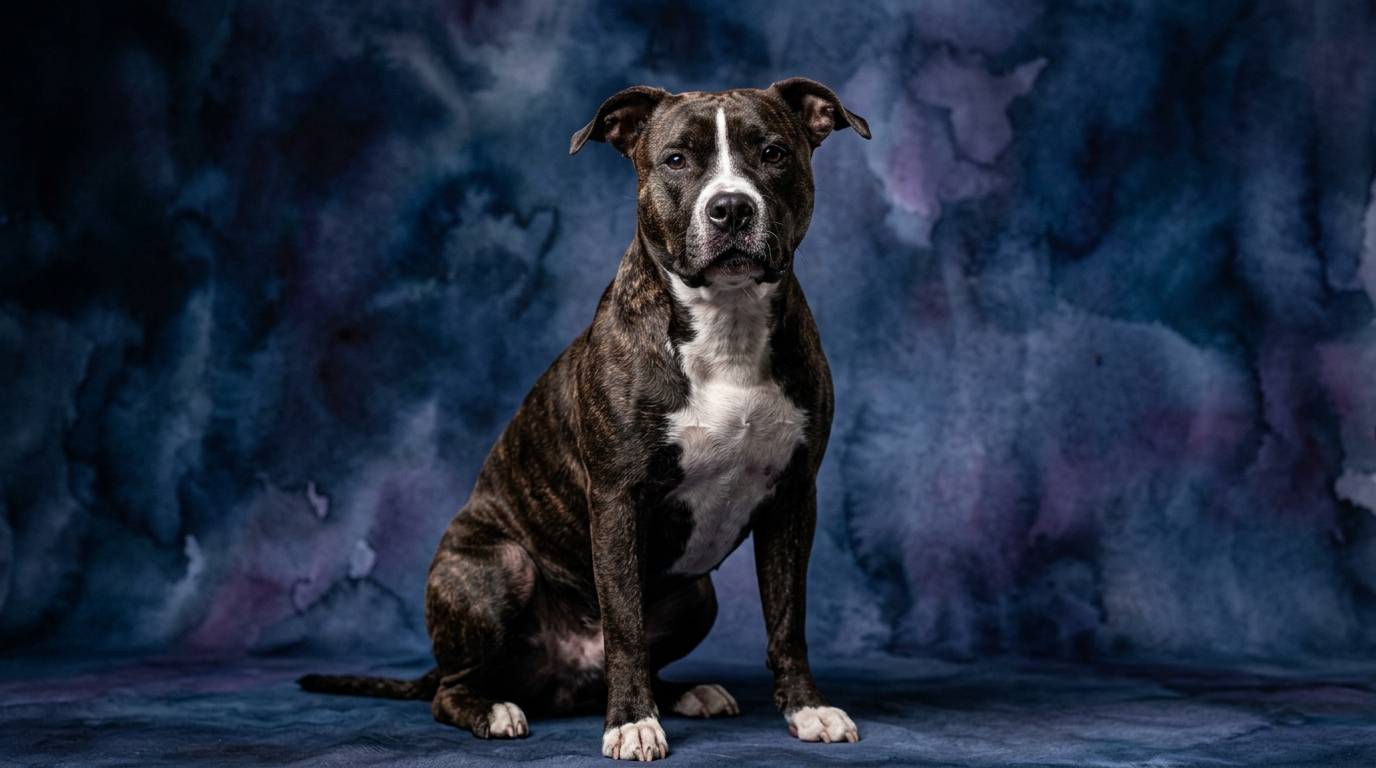
The Cosmic Pet Pet IQ Lab employs five key dimensions to map a breed's cognitive architecture, and examining both the American Staffordshire Terrier and the Basset Hound through this lens offers a fascinating perspective. The American Staffordshire Terrier, a member of the Terrier group, holds a Coren rank of #48, suggesting a solid capacity for understanding and obeying commands. Its individual cognitive scores are Problem Solving 3/5, Training Speed 3/5, Social Intelligence 3/5, Instinctive Drive 3/5, and notably, Memory 4/5. This profile indicates a dog that is competent across most cognitive areas, with a particular strength in retaining learned information and experiences.
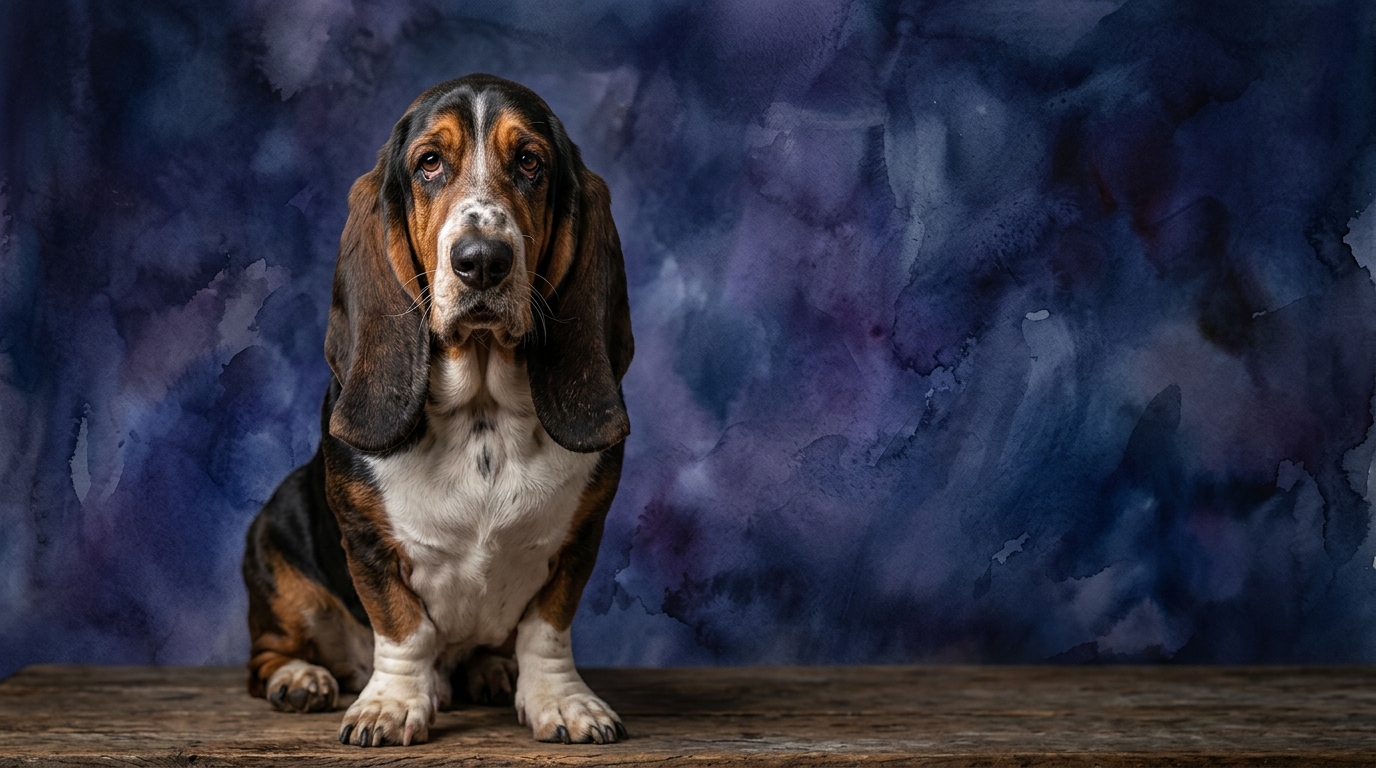
In contrast, the Basset Hound, a distinguished member of the Hound group, is ranked #71 by Coren, placing it further down the obedience intelligence scale. Its cognitive breakdown includes Problem Solving 3/5, Training Speed 3/5, Social Intelligence 3/5, Instinctive Drive 3/5, and Memory 3/5. While many of its scores mirror the AmStaff's, the Basset Hound’s distinct hound nature often translates these general capacities into highly specialized applications. For instance, its instinctive drive, rated identically, is overwhelmingly channeled into scent work, an area where its cognitive processing is profoundly advanced despite the numerical rating.
Where the American Staffordshire Terrier Wins Cognitively
The American Staffordshire Terrier exhibits a clear cognitive edge in its Memory, scoring 4/5 compared to the Basset Hound’s 3/5. This enhanced retention means AmStaffs are generally quicker to internalize commands and routines, remembering what is expected of them over longer periods. This superior memory contributes significantly to their Coren ranking, as the ability to recall and perform learned tasks is a cornerstone of obedience intelligence. An AmStaff is more likely to remember a complex sequence of commands or a specific training exercise after fewer repetitions, making practice sessions more efficient.
Furthermore, while both breeds share a 3/5 in Problem Solving, the AmStaff's overall disposition and terrier tenacity often mean they apply their problem-solving skills to tasks that involve human interaction or achieving a tangible outcome, such as figuring out a puzzle toy or navigating an agility course. Their drive, though rated equally, often manifests as a desire to engage with their human companions in structured activities, allowing their cognitive capabilities to shine in cooperative problem-solving scenarios. This readiness to participate and retain information makes them particularly adaptable to varied training regimens and learning new skills throughout their lives.
Where the Basset Hound Wins Cognitively
While the Basset Hound's general cognitive scores might appear modest, its true intellectual prowess lies in its specialized olfactory intelligence, a domain where it reigns supreme. Its instinctive drive, though rated 3/5, is almost entirely dedicated to scent work, making it a master of detection and tracking. Basset Hounds possess an unparalleled ability to process, differentiate, and follow complex scent trails, a cognitive skill that far surpasses what a general problem-solving score might suggest. Their long ears and loose skin actually help to collect and concentrate scent particles around their incredibly sensitive noses, acting as biological amplifiers for their cognitive processing of odors.
This profound olfactory capacity translates into a unique form of problem-solving: deciphering the intricate puzzles left by scents in the environment. They can meticulously follow a trail for extended periods, demonstrating immense focus and perseverance in this specific cognitive arena. Their deliberate, methodical nature, often misinterpreted as stubbornness or lack of engagement in traditional obedience, is actually a hallmark of their deep concentration on their primary cognitive function. For a Basset Hound, the world is a rich tapestry of smells, and their cognitive strength is in unraveling its threads.
Which Is Easier to Train and Why
When it comes to ease of training, the American Staffordshire Terrier generally presents a more straightforward path for the average owner. With a Coren rank of #48 and a Memory score of 4/5, AmStaffs retain commands and routines more effectively. Their training speed of 3/5, combined with better retention, means they can progress steadily through obedience lessons, building upon previously learned behaviors with relative ease. While they possess the typical terrier independence, a well-motivated AmStaff, often eager to please and engage with their handler, will typically respond well to consistent, positive reinforcement training, making the learning process a rewarding collaboration.
The Basset Hound, with a Coren rank of #71 and a Memory score of 3/5, presents a different training dynamic. While not incapable of learning, their average memory means commands might require more repetition to stick. The most significant factor influencing their trainability is their powerful instinctive drive for scent. A Basset Hound's nose is its world; once it catches an interesting scent, its focus can become singular and absolute, making it incredibly difficult to redirect. This isn't defiance, but rather an overwhelming cognitive predisposition. Training a Basset requires immense patience, understanding their motivations (often food or comfort), and creative methods to compete with the allure of a captivating scent trail. Their slower training speed isn't due to a lack of capacity, but rather a profound prioritization of their olfactory senses over human-initiated commands, especially in stimulating environments.
Which Suits Active Owners vs. Relaxed Owners
The American Staffordshire Terrier is generally better suited for active owners. They thrive on consistent physical activity, structured exercise, and mental engagement. Their cognitive profile, particularly their strong memory and moderate instinctive drive, makes them excellent candidates for dog sports like agility, obedience, or even advanced trick training. Owners who enjoy daily walks, runs, and interactive play sessions will find an AmStaff a willing and capable partner. They require outlets for both their physical energy and mental acuity to remain balanced and prevent boredom-induced behaviors.
Conversely, the Basset Hound is an ideal companion for more relaxed owners. While they do require daily walks, these are often more about leisurely scent exploration than vigorous exercise. Their lower energy levels mean they are perfectly content with long naps on the sofa, provided they've had their opportunity to sniff around outdoors. Owners who appreciate a calm, amiable presence and are patient with a dog whose primary cognitive focus is on its nose will find a Basset Hound to be a wonderfully charming, albeit sometimes stubborn, companion. Their mental stimulation often comes from scent games and puzzle toys rather than high-intensity physical tasks.
The Verdict
Choose the American Staffordshire Terrier if you seek a companion that retains commands effectively, engages readily in structured activities, and learns from experiences with notable retention.
Opt for the Basset Hound if you appreciate a dog with exceptional olfactory intelligence and a calm demeanor, understanding that its cognitive focus will often be on the fascinating world of scent.
🧠 Find Your Pet's IQ Score
Our Pet IQ Lab assessment covers 25+ tests across 5 cognitive dimensions — personalized to your breed.
Take the Full IQ Test →Frequently Asked Questions
Are American Staffordshire Terriers good at learning tricks?
Yes, their 4/5 memory score and general eagerness to engage with their human companions make them quite proficient at learning tricks. Consistent, positive reinforcement training will yield impressive results.
Can Basset Hounds be reliably off-leash?
Generally, no. Their powerful 3/5 instinctive drive for scent means they can become completely engrossed in a trail, potentially ignoring calls and wandering far from their handler. For their safety, leashed walks are highly recommended.
Do AmStaffs require significant mental stimulation?
Absolutely. While their memory is a strong point, their overall cognitive capacity benefits greatly from regular mental challenges like puzzle toys, training sessions, and interactive games. This prevents boredom and helps channel their energy constructively.