Side-by-Side IQ Profile: AmStaff vs. B&T Coonhound
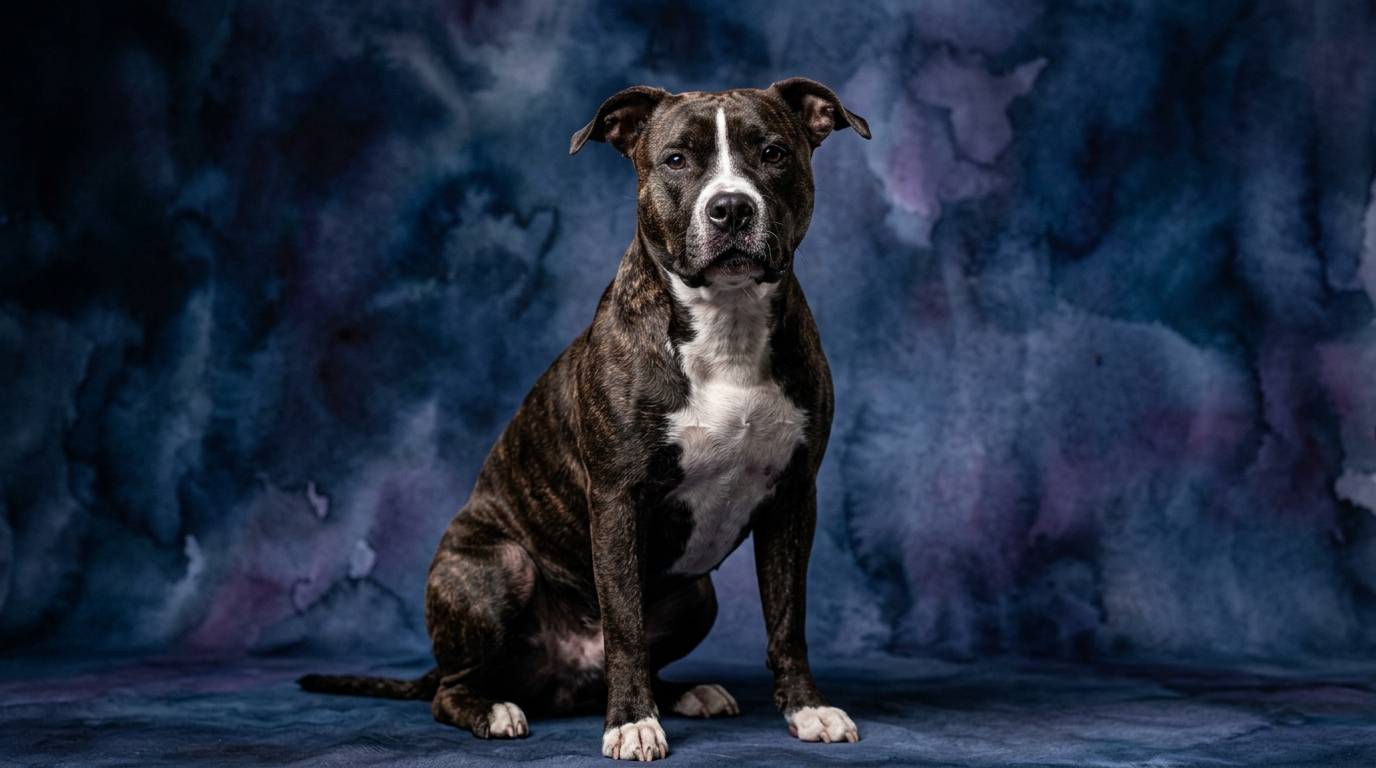
The Cosmic Pet Pet IQ Lab employs five key dimensions to evaluate canine intelligence, offering a nuanced view beyond simplistic rankings. For the American Staffordshire Terrier, we observe a balanced profile with a notable strength in memory. Their Problem Solving is rated 3/5, indicating an aptitude for navigating physical challenges and figuring out how to access desired objects, often through trial and error or observation. Training Speed also sits at 3/5, suggesting they can grasp new commands at a moderate pace, thriving on consistency and clear communication. Social Intelligence, at 3/5, points to their capacity for forming strong bonds and responding to human cues, though their interactions with unfamiliar animals can be selective. Their Instinctive Drive, 3/5, reflects a moderate prey drive and protective instincts that are often channeled into play or guarding behaviors within the home. A standout trait is their Memory, rated 4/5, which means they tend to retain learned commands, routines, and past experiences with impressive recall, making training efforts enduring.
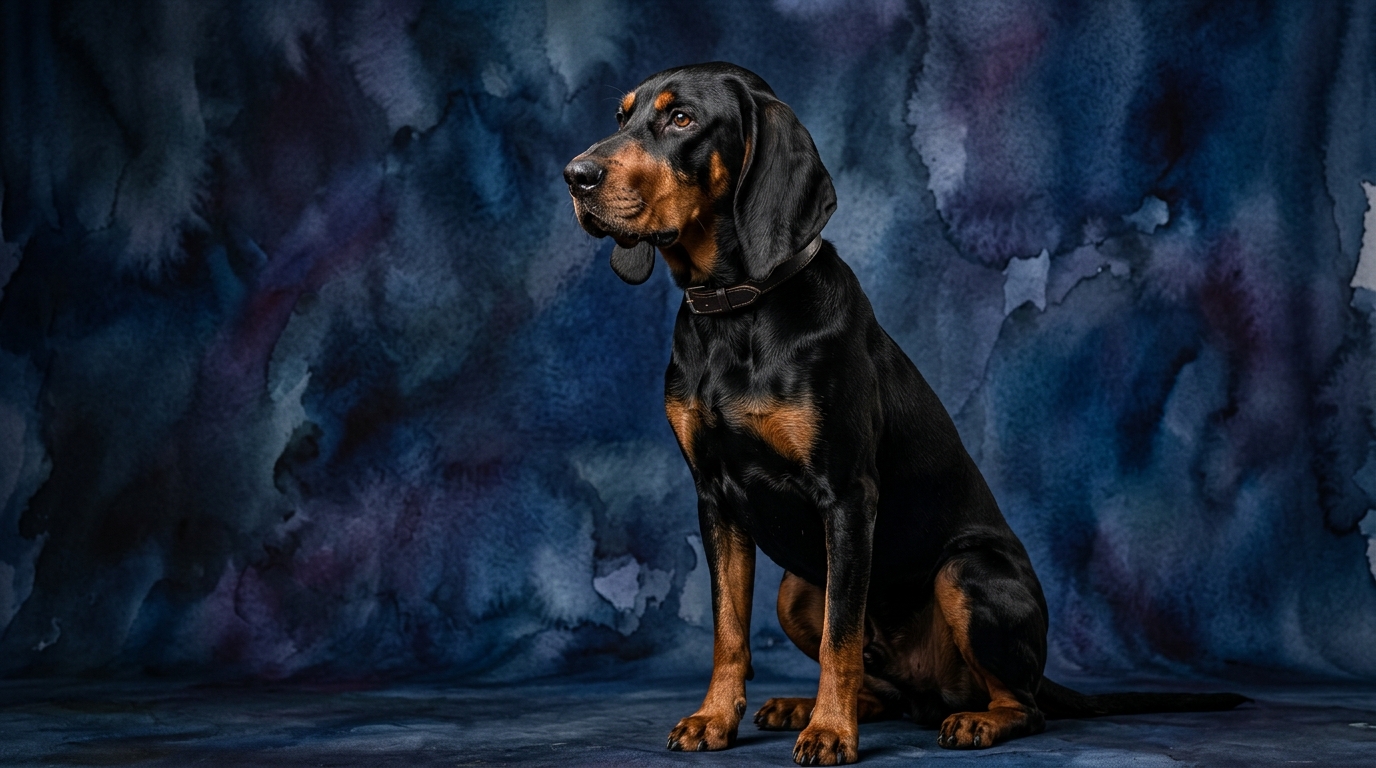
In contrast, the Black and Tan Coonhound presents a profile that, while numerically similar in some areas, reflects a distinctly different cognitive emphasis, particularly in their instinctual intelligence. Their Problem Solving is rated 3/5, but this often manifests as exceptional ability in olfactory-based puzzles, such as trailing a complex scent, rather than abstract or physical manipulation. Training Speed, also 3/5, indicates a steady learning pace, though their independent nature and powerful focus on scent often demand more patience and repetition from trainers. Social Intelligence, at 3/5, describes a generally amiable disposition towards their family, often good with children, though their primary focus may shift when an intriguing scent is detected. Their Instinctive Drive, also 3/5, is overwhelmingly dominated by their scenting ability and the relentless pursuit of a trail, a drive that can easily overshadow other stimuli. Lastly, their Memory is rated 3/5, meaning they possess a good recall for established routines and particularly for scent profiles, but may not retain less stimulating or abstract commands with the same tenacity as the AmStaff.
Where the American Staffordshire Terrier Shines Cognitively
The American Staffordshire Terrier’s cognitive edge is most apparent in their superior Memory, scoring 4/5 compared to the Coonhound’s 3/5. This enhanced retention means AmStaffs are generally quicker to solidify learned behaviors and commands, and they are less likely to 'forget' their training over time, provided it's reinforced. This strong memory underpins their relative success in conventional obedience and agility, where recalling a sequence of commands is paramount. Their Coren rank of #48 further supports this, placing them among breeds that demonstrate an above-average capacity for understanding and performing learned tasks with fewer repetitions.
Beyond memory, the AmStaff's Problem Solving, while rated similarly at 3/5, tends to be more generalized and adaptable to diverse domestic situations. They might more readily figure out how to open a cabinet, navigate a new environment, or solve a puzzle toy without their primary senses being hyper-focused on one specific type of stimulus, like scent. This broader application of problem-solving, combined with their moderate social intelligence, often translates to a dog that is more attuned to human expectations and the nuances of a structured home environment, making them highly versatile companions who can adapt to a variety of living situations and activities.
Where the Black and Tan Coonhound Excels Cognitively
The Black and Tan Coonhound's true cognitive brilliance lies in the specialized application of their Instinctive Drive, particularly their unparalleled olfactory capabilities. While both breeds score 3/5 for this dimension, the Coonhound's drive is singularly focused on scent, elevating it to an extraordinary cognitive strength. They possess a sophisticated ability to process, remember, and follow complex scent trails, demonstrating a form of problem-solving and memory that is deeply embedded in their sensory world. This isn't just about sniffing; it's about interpreting a tapestry of odors, discerning individual scents from a cacophony, and committing specific scent profiles to memory with remarkable accuracy and persistence.
Their persistent focus, driven by an enthralling scent, is a unique cognitive advantage. Once a Coonhound is on a trail, their mental resources are almost entirely dedicated to that task, showcasing an unwavering concentration that few other breeds can match in their specific domain. This intense focus, while sometimes challenging for owners trying to regain their attention, is a testament to their deep cognitive specialization. This breed's environmental awareness, particularly through their nose, is incredibly rich and detailed, indicating a highly evolved cognitive system for navigating and understanding the world through smell, making them exceptional at tasks like tracking, search and rescue, or simply exploring the outdoors.
Ease of Training: AmStaff vs. B&T Coonhound
When it comes to conventional obedience training, the American Staffordshire Terrier generally presents an easier path for most owners. Their 4/5 Memory score means that once a command is learned, it tends to stick, reducing the need for constant re-teaching. Coupled with their 3/5 Social Intelligence, AmStaffs are often quite handler-focused, eager to engage and respond to human direction, which facilitates a smoother training process. They thrive on positive reinforcement and consistent methods, making progress feel more linear and rewarding for both dog and owner. While they possess an instinctive drive, it is typically manageable within a structured training context, allowing them to remain attentive.
The Black and Tan Coonhound, conversely, can be more challenging to train in traditional obedience, despite their 3/5 Training Speed. Their powerful 3/5 Instinctive Drive, particularly their relentless pursuit of scent, can be a significant distraction, often overriding commands when an interesting smell is present. Their independent hound nature means they are less inherently driven to 'please' in the way some other breeds might be; their motivation often stems from their own sensory exploration. Training a Coonhound requires immense patience, creativity, and a deep understanding of their motivations. Recall, especially outdoors, can be a persistent challenge, as their nose can lead them far astray, demanding proactive management and secure environments.
Suitability for Active vs. Relaxed Owners
The American Staffordshire Terrier thrives with active, engaged owners who can provide consistent structure, mental stimulation, and regular physical exercise. Their moderate instinctive drive and balanced IQ profile mean they benefit from activities like obedience training, agility, or interactive play that channel their energy and problem-solving abilities. While they can adapt to a more relaxed home environment, they still require daily walks, puzzle toys, and consistent interaction to prevent boredom and destructive behaviors. Owners who enjoy structured activities and can integrate their AmStaff into family routines will find a devoted and adaptable companion. They are not suited for entirely sedentary lifestyles, but can accommodate owners who balance activity with downtime.
The Black and Tan Coonhound is unequivocally best suited for highly active and patient owners, particularly those who appreciate and can facilitate their profound connection to scent work and outdoor exploration. Their powerful instinctive drive for tracking necessitates extensive opportunities for sniffing, trailing, and roaming in secure areas. A relaxed or sedentary owner will likely struggle with a Coonhound's inherent need to explore, bay, and follow scents, which can lead to frustration for both parties. They require long walks, hikes, or dedicated scent work sessions to satisfy their cognitive and physical needs. Owners looking for a quiet, low-maintenance companion will find the Coonhound’s persistent vocalizations and independent nature challenging; they need an owner ready to embrace their unique hound characteristics.
The Verdict
Choose the American Staffordshire Terrier if you seek a highly adaptable, trainable companion with excellent memory, thriving on structured engagement and family inclusion.
Opt for the Black and Tan Coonhound if you are an adventurous, patient owner who values a dog's specialized olfactory intelligence and can provide extensive opportunities for instinct-driven outdoor activity.
🧠 Find Your Pet's IQ Score
Our Pet IQ Lab assessment covers 25+ tests across 5 cognitive dimensions — personalized to your breed.
Take the Full IQ Test →Frequently Asked Questions
Are American Staffordshire Terriers good for first-time dog owners?
American Staffordshire Terriers can be suitable for first-time owners who are committed to consistent positive reinforcement training and early socialization. Their strong memory and desire to please make them responsive students, but their moderate instinctive drives require thoughtful guidance and firm, fair leadership from the outset.
Do Black and Tan Coonhounds bark a lot?
Black and Tan Coonhounds are known for their distinctive 'baying' vocalization, which they use to communicate during tracking. They can be quite vocal, especially when they pick up an interesting scent, are bored, or feel isolated. Managing their barking requires understanding their motivations and providing adequate mental and physical stimulation.
How much exercise does each breed need?
American Staffordshire Terriers require at least 60 minutes of vigorous exercise daily, including walks, playtime, and mental challenges. Black and Tan Coonhounds need significantly more, often 90-120 minutes or more of active, outdoor exercise, ideally incorporating opportunities for scent work or long, exploratory walks to satisfy their powerful tracking instincts.