Side-by-Side IQ Profile: AmStaff vs. Chow Chow
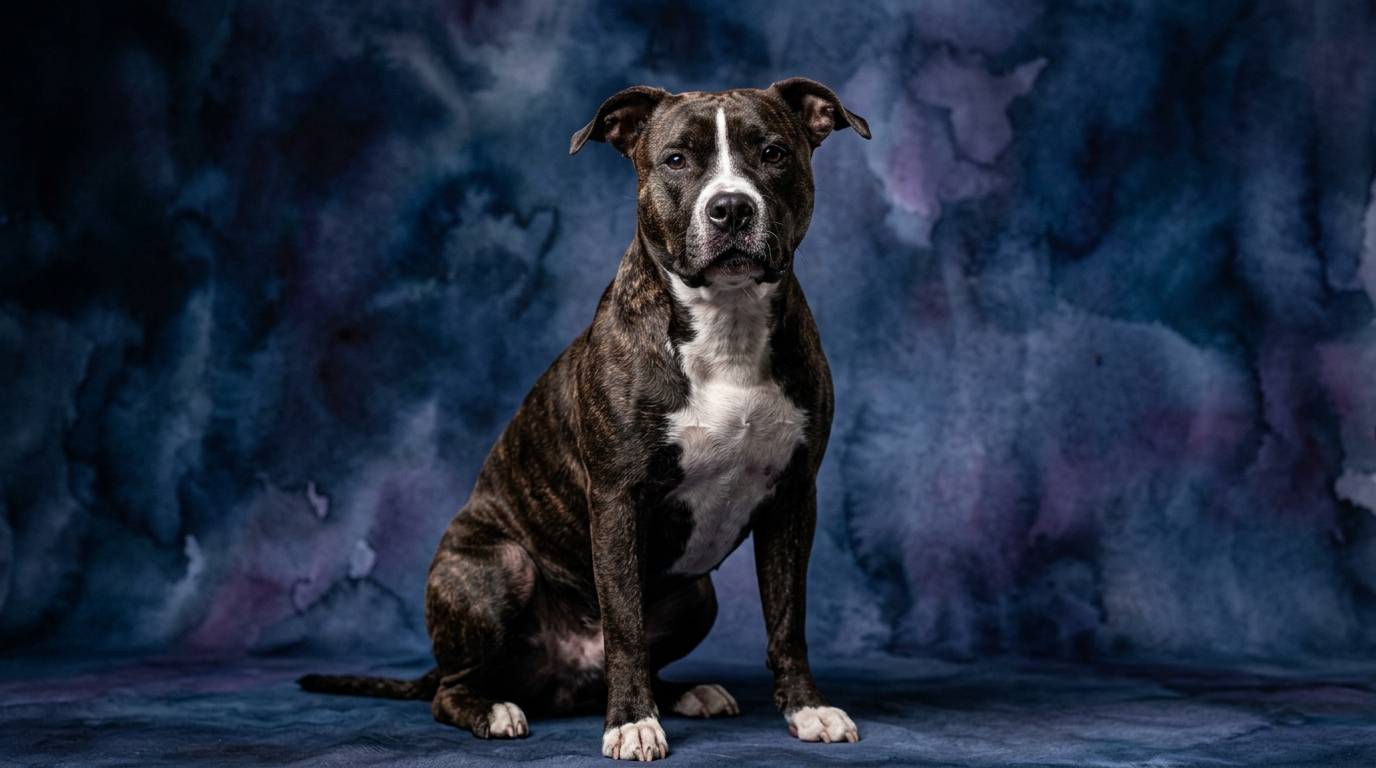
A Coren rank of #48 places the American Staffordshire Terrier comfortably in the realm of above-average working intelligence. Digging into their scores, they exhibit a '3/5' in problem-solving, indicating a solid capacity to navigate moderately complex tasks and adapt to new situations. Their training speed also registers at '3/5', suggesting they absorb new commands at a steady pace, benefiting from consistent methods. Social intelligence, at '3/5', points to a reasonable understanding of human cues and pack dynamics. Their instinctive drive, also '3/5', implies a moderate inherent motivation that can be effectively channeled. Where the AmStaff truly distinguishes itself is in memory, scoring a '4/5', signifying a robust ability to retain learned behaviors and experiences over time.
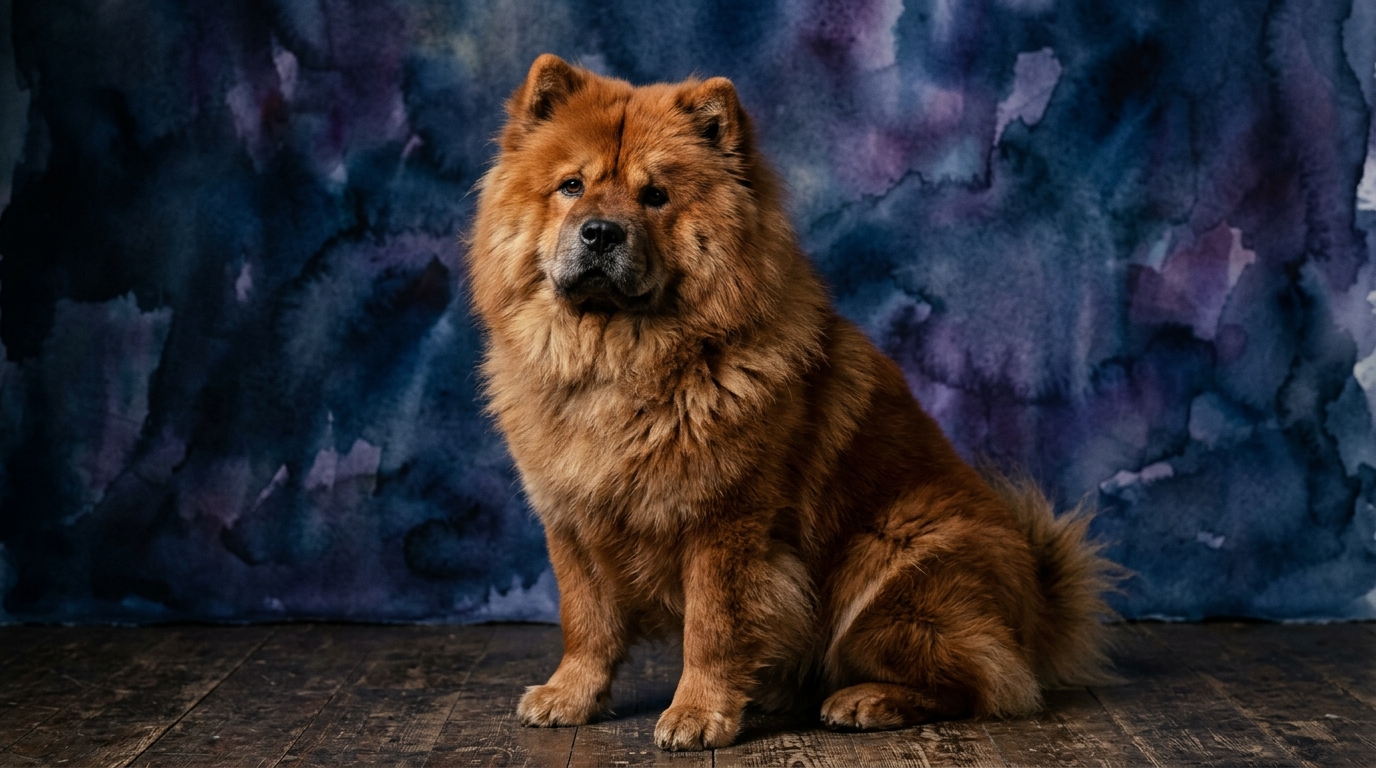
The Chow Chow, positioned at Coren rank #76, falls into the category of fair working intelligence, suggesting a more independent approach to learning. Their cognitive profile shows a '3/5' in problem-solving, mirroring the AmStaff's capacity for moderate task navigation. Training speed also rates '3/5', meaning they learn at a similar pace but often with a distinct need for tailored motivation. Social intelligence stands at '3/5', indicating an ability to understand social cues, though typically interpreted through their characteristic reserved and self-sufficient lens. Instinctive drive is also '3/5', often manifesting as a strong protective instinct for their territory and family. Their memory, however, is '3/5', suggesting a moderate retention of information that might require more consistent reinforcement for lasting recall compared to the AmStaff.
Where the American Staffordshire Terrier Wins Cognitively
The American Staffordshire Terrier's superior memory score of 4/5, compared to the Chow Chow's 3/5, is a significant cognitive advantage. This translates into more efficient long-term learning and retention of complex command sequences or house rules. An AmStaff is more likely to remember a specific boundary after fewer repetitions or recall a learned solution to a familiar problem even after a long hiatus. This strong memory underpins their higher Coren ranking, as consistent recall is crucial for reliable obedience and task performance and allows them to build upon past experiences more effectively.
Beyond raw memory, the AmStaff's general cognitive approach often involves a greater eagerness to engage with their human companions. While not a direct IQ score, this behavioral predisposition amplifies their problem-solving and training speed in practical scenarios. They tend to be more proactive in seeking solutions or understanding expectations, making them appear more adaptable and quicker on the uptake. This eagerness allows them to apply learned concepts to novel situations more readily, showcasing a flexible cognitive style that benefits from active human partnership and a desire to participate.
Where the Chow Chow Wins Cognitively
While the Chow Chow does not present higher scores in the provided IQ dimensions, its unique cognitive strengths lie in their application of these moderate abilities within their characteristic independence. Their 3/5 social intelligence, combined with a reserved nature, fosters a distinct self-reliance. This allows them to process environmental information and make decisions autonomously, without constantly seeking human validation. This cognitive self-sufficiency is a strength in roles requiring vigilance or independent guarding, where a dog needs to assess situations and react judiciously on its own accord, rather than waiting for a direct command.
The Chow Chow's moderate instinctive drive, often channeled into a protective and observant disposition, represents another cognitive win. They excel at processing and categorizing their surroundings, identifying potential threats or changes with a keen, independent eye. This isn't about solving complex puzzles for a human, but rather about a sophisticated, self-directed form of environmental awareness and threat assessment. Their 3/5 problem-solving ability is often applied to maintaining order and security within their perceived territory, a highly practical and specialized cognitive function for their breed type that values their inherent judgment.
Which is Easier to Train and Why
Based on their cognitive profiles, the American Staffordshire Terrier generally presents as the easier breed to train. While both breeds share a 3/5 training speed, the AmStaff's superior 4/5 memory ensures that lessons stick more effectively with fewer repetitions. Furthermore, their typical biddability and desire to please their handlers mean they are often more motivated by praise and interaction, making the training process more collaborative. An AmStaff is more likely to actively participate in training sessions, quickly associating actions with rewards and retaining those associations reliably over time, which streamlines the learning curve.
The Chow Chow, despite also having a 3/5 training speed, often requires a more nuanced and patient approach. Their 3/5 memory means that while they can learn, long-term retention might demand more consistent reinforcement. Crucially, their inherent independence and selective cooperation mean they are less inclined to perform simply to please. A Chow Chow will evaluate the value of a command and may only comply if properly motivated, often by high-value treats or specific activities they enjoy. This isn't a lack of cognitive capacity, but a different wiring that prioritizes self-directed action, requiring trainers to be highly consistent, clear, and understanding of their motivations to achieve reliable results.
Which Suits Active Owners vs. Relaxed Owners
The American Staffordshire Terrier, with its moderate instinctive drive and general enthusiasm for engagement, is well-suited for active owners. These dogs thrive when provided with consistent mental stimulation through training, puzzle toys, and structured physical activities like brisk walks, hikes, or even dog sports. Their cognitive makeup benefits from having a clear purpose and routine, making them excellent companions for individuals or families who enjoy an interactive lifestyle and can channel their energies productively. They often seek out participation in family life, demonstrating their social intelligence through shared activities and a desire to be involved.
The Chow Chow, while possessing a similar 3/5 instinctive drive, typically expresses it through vigilance and observation rather than high-octane physical demands. This breed is often a better match for relaxed owners who appreciate a dignified, independent companion. While they still require daily walks and mental engagement to prevent boredom, their energy levels are generally lower, and they are less inclined towards boisterous play. Their cognitive focus often leans towards monitoring their environment from a comfortable vantage point, making them excellent, albeit reserved, companions for a calmer household that respects their self-sufficient nature and provides consistent, gentle leadership without demanding constant interaction.
The Verdict
Choose an American Staffordshire Terrier if you seek an engaged, trainable companion who thrives on interaction, consistent mental challenges, and efficiently retains lessons, making them a rewarding partner in various activities.
Choose a Chow Chow if you appreciate an independent, dignified, and observant companion, value self-reliance, and are prepared for a consistent training approach that respects their reserved nature and unique motivations.
🧠 Find Your Pet's IQ Score
Our Pet IQ Lab assessment covers 25+ tests across 5 cognitive dimensions — personalized to your breed.
Take the Full IQ Test →Frequently Asked Questions
Are AmStaffs better family dogs than Chow Chows?
The AmStaff's 3/5 social intelligence, combined with a typically more outgoing temperament, often makes them readily adaptable to family dynamics and eager to participate. Chow Chows, with their similar social intelligence but inherent reserve, can be devoted family members but tend to be more selective in their affections and require careful socialization from a young age to thrive in a busy household.
Do Chow Chows really require more training effort?
While both breeds have a 3/5 training speed, the Chow Chow's 3/5 memory and strong independent streak mean that training often demands more patience, consistency, and creative motivation. Their cognitive process involves more internal deliberation, requiring a trainer to be exceptionally clear and persuasive, whereas the AmStaff's better memory and biddability often lead to quicker, more consistent compliance.
Which breed is more prone to behavioral issues if not properly stimulated?
Both breeds, if not properly stimulated, can develop behavioral issues. An AmStaff's moderate instinctive drive and need for engagement mean a lack of mental and physical activity can lead to destructive behaviors or excessive attention-seeking. A Chow Chow's independence and protective instincts, without adequate socialization and consistent leadership, can manifest as aloofness, territorial aggression, or stubbornness, underscoring the importance of understanding their specific cognitive and behavioral needs.