Side-by-Side IQ Profile
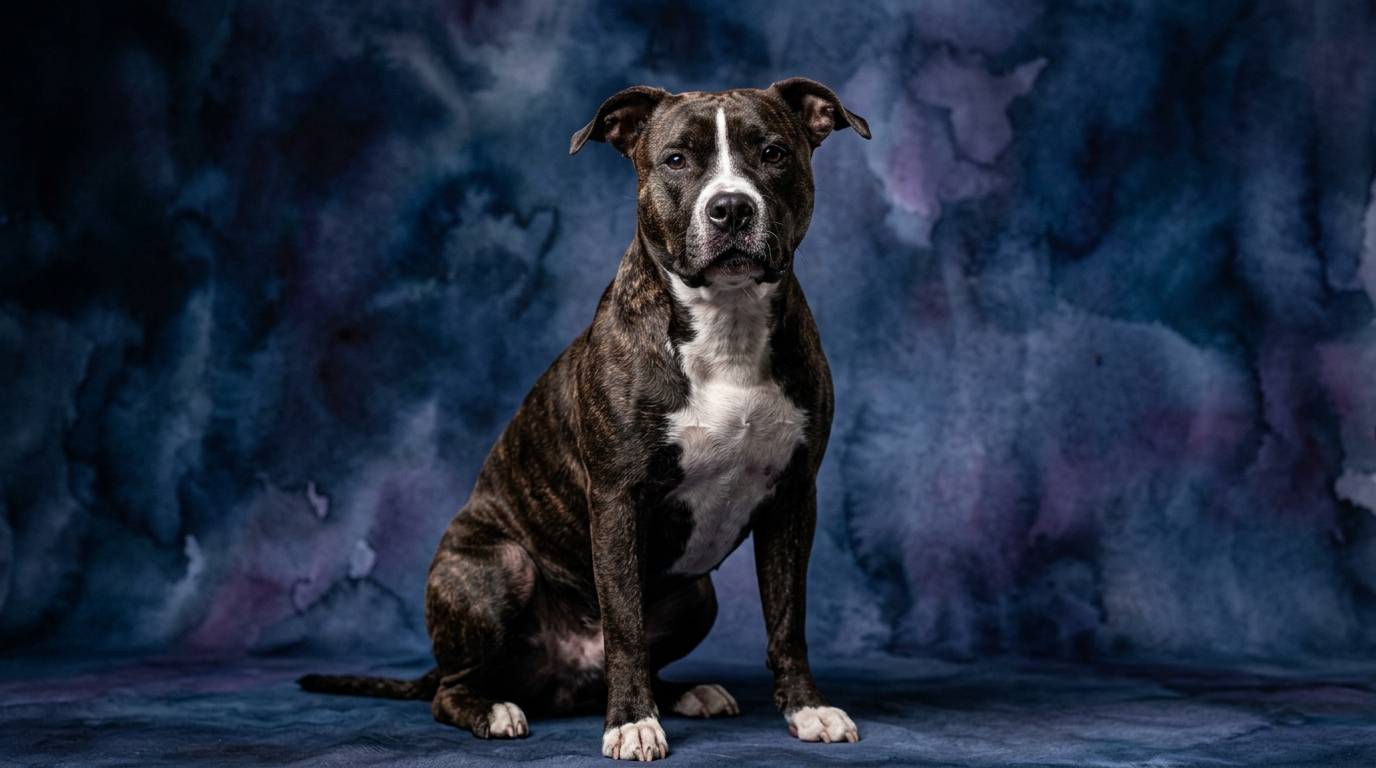
The American Staffordshire Terrier, holding a Coren rank of #48, demonstrates a respectable capacity for obedience and working intelligence. Their Problem Solving is rated 3/5, indicating an ability to navigate moderate challenges and figure out practical solutions, often with a direct approach characteristic of terriers. Training Speed also stands at 3/5, meaning they can grasp new commands and routines at a fair pace, especially when motivated. Social Intelligence, at 3/5, points to their capacity to understand human cues and integrate into family dynamics, forming strong bonds. Their Instinctive Drive, also 3/5, reflects a moderate natural inclination towards activities like chasing, digging, or guarding, which can be channeled in training. Notably, their Memory is scored at 4/5, suggesting a strong ability to retain learned behaviors, past experiences, and complex sequences over time.
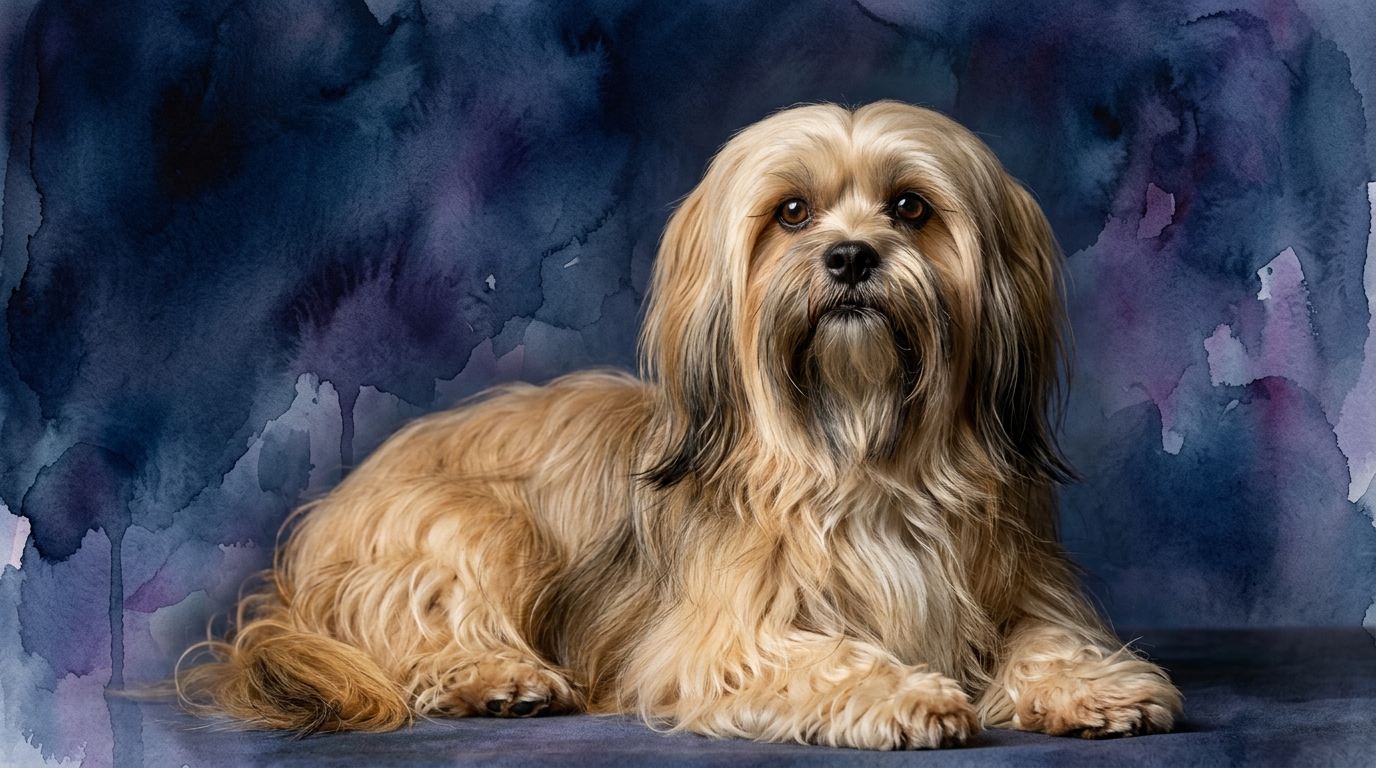
The Lhasa Apso, with a Coren rank of #68, presents a different cognitive blueprint, reflecting their historical role as companion-guardians. Their Problem Solving is rated 3/5, similar to the AmStaff, but their approach often involves independent assessment of situations rather than direct engagement. Training Speed is also 3/5, meaning they are capable learners, though their independent streak can sometimes influence their willingness to perform on command. Social Intelligence, at 3/5, indicates an ability to connect with their family, often displaying a nuanced understanding of their specific household's dynamics. An Instinctive Drive of 3/5 suggests a moderate inclination towards their traditional guarding behaviors, alertness, and territorial awareness. Their Memory is rated 3/5, indicating a solid capacity to recall information and routines, though perhaps not with the same depth or longevity as the American Staffordshire Terrier.
Where the American Staffordshire Terrier Wins Cognitively
The American Staffordshire Terrier’s standout cognitive strength lies primarily in its superior Memory, rated 4/5 compared to the Lhasa Apso's 3/5. This enhanced memory translates into a dog that can retain complex sequences of commands, elaborate tricks, or intricate agility courses with greater ease and for longer durations. An AmStaff is more likely to remember specific solutions to recurring environmental puzzles, such as how to open a particular gate or retrieve a hidden toy, even after a significant time lapse. This robust recall makes them particularly adept at mastering extensive repertoires of trained behaviors, contributing to their impressive performance in canine sports and working roles where consistent execution is paramount. Their memory also supports a more consistent application of learned social rules, making their interactions more predictable once expectations are established.
Where the Lhasa Apso Wins Cognitively
While not reflected in higher numerical scores, the Lhasa Apso demonstrates a unique cognitive strength rooted in their historical function: independent, discerning situational awareness. Their problem-solving, rated 3/5, often manifests as a strategic assessment of their environment, prioritizing vigilance and self-preservation over direct intervention. This means a Lhasa Apso might excel at identifying subtle changes in their surroundings or recognizing unfamiliar individuals from a distance, exhibiting a nuanced form of environmental problem-solving focused on observation and alert-giving. Their social intelligence, also 3/5, is keenly attuned to their immediate family unit, often displaying a sophisticated understanding of their specific human’s routines and moods, allowing them to anticipate needs or react appropriately within their established social circle. This particular blend of independent thought and focused perception represents a cognitive advantage for a dog whose primary role was to be a watchful, self-reliant guardian.
Which Is Easier to Train and Why
Despite both breeds having a Training Speed of 3/5, the American Staffordshire Terrier generally presents as the more biddable and easier breed to train. This difference stems not from a faster learning acquisition rate, but from distinct motivational profiles and a willingness to engage with human direction. AmStaffs, with their working terrier lineage, often possess a strong desire to please their handlers and thrive on collaborative activities. Their social intelligence, while rated the same, often includes a higher motivation for cooperative tasks and a more direct response to guidance. This means an AmStaff is more likely to consistently offer learned behaviors when asked, viewing training as an enjoyable partnership.
In contrast, the Lhasa Apso, while capable of learning at a similar pace, possesses a deeply ingrained independent streak. Their historical role as discerning guardians fostered a mindset of self-reliance, meaning they often weigh whether a command aligns with their own perceived interests before complying. This independence can translate into a perception of stubbornness during training, requiring more patience, consistency, and creative motivation from their owners to ensure reliable performance.
Which Suits Active Owners vs. Relaxed Owners
The American Staffordshire Terrier aligns well with active owners who enjoy structured engagement and seek a canine partner for various activities. Their moderate instinctive drive and capacity for memory make them suitable for dog sports like agility, obedience, or even advanced trick training. Owners who appreciate a dog eager to participate in daily adventures, learn new skills, and thrive on consistent interaction will find the AmStaff a rewarding companion. They benefit from mentally stimulating tasks and physical exercise that channels their energy and focus.
In contrast, the Lhasa Apso is often a better fit for more relaxed owners who appreciate a vigilant, independent companion that doesn't demand constant high-intensity physical activity. While they still require regular walks and mental enrichment, their contentment often comes from being part of the household, observing their domain, and offering companionship on their own terms. Owners who value a dog with a strong personality, a watchful nature, and are prepared for a dog that sometimes prefers to make its own decisions will find a loyal friend in the Lhasa Apso.
The Verdict
Opt for the American Staffordshire Terrier if you're an active owner seeking a highly trainable, engaged companion eager to learn and participate in structured activities, valuing their superior memory for complex tasks.
Select the Lhasa Apso if you appreciate an independent, watchful companion with keen environmental awareness, suitable for a more relaxed lifestyle, and are prepared for a dog that makes its own discerning choices.
🧠 Find Your Pet's IQ Score
Our Pet IQ Lab assessment covers 25+ tests across 5 cognitive dimensions — personalized to your breed.
Take the Full IQ Test →Frequently Asked Questions
Is the American Staffordshire Terrier truly smarter than the Lhasa Apso?
While both breeds share similar scores in problem-solving and training speed, the American Staffordshire Terrier's higher memory score and Coren rank suggest a greater overall capacity for obedience and retention of complex tasks. The Lhasa Apso excels in independent, discerning situational awareness, which is a different kind of cognitive strength.
Why is the Lhasa Apso considered harder to train if its training speed is the same as the AmStaff?
The 'training speed' score reflects how quickly a dog can learn a command, but not necessarily its willingness to consistently perform it. Lhasa Apsos possess a strong independent streak and will often weigh their own interests against a command, requiring more motivation and consistency from an owner compared to the more biddable AmStaff.
What kind of mental enrichment is best for each breed?
American Staffordshire Terriers thrive on structured training, puzzle toys that require sequential steps, and dog sports that challenge their memory and problem-solving. Lhasa Apsos benefit from observation-based games, scent work, and interactive toys that allow them to 'guard' or 'find,' appealing to their independent and vigilant nature.