Side-by-Side IQ Profile: AmStaff vs. Pekingese
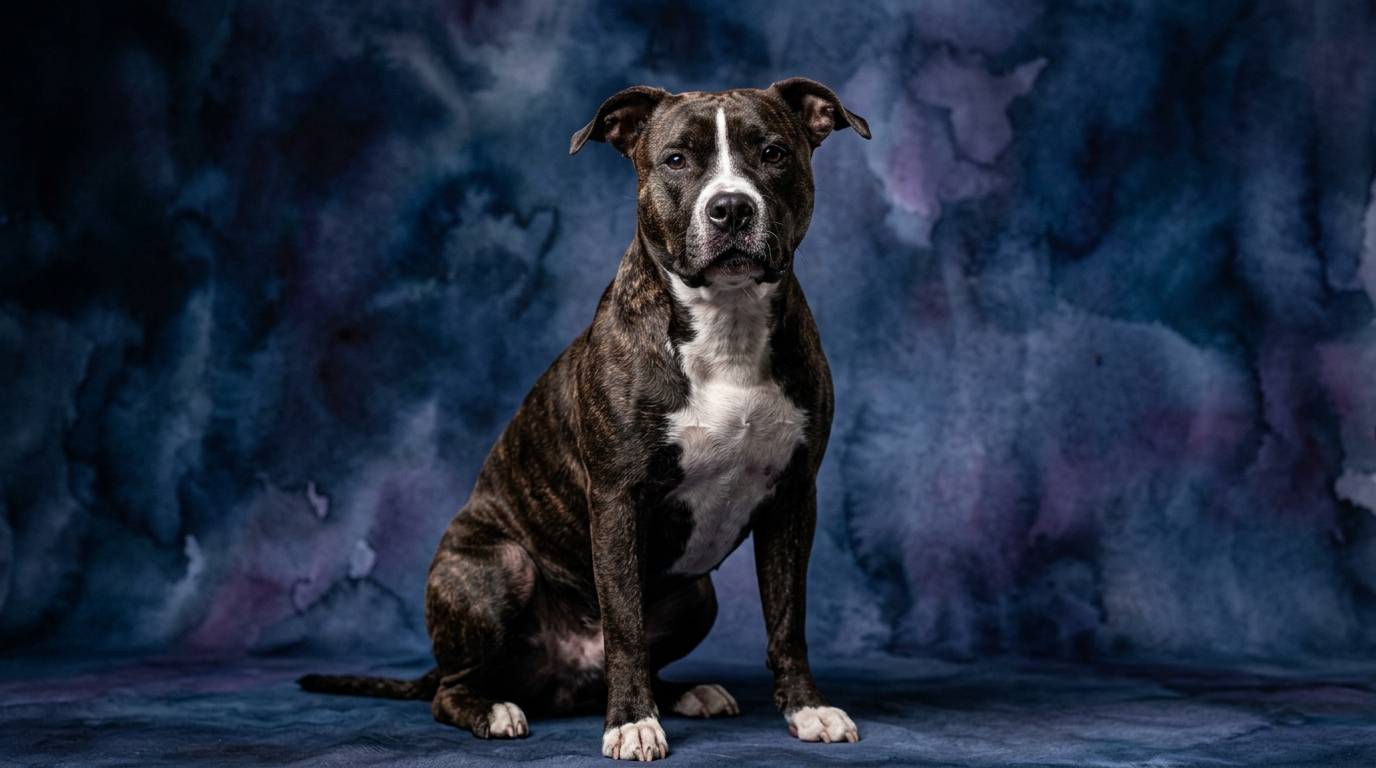
The Cosmic Pet Pet IQ Lab employs a nuanced framework to assess canine intelligence, moving beyond simple obedience to encompass various cognitive dimensions. For the American Staffordshire Terrier, ranked #48 by Coren for working intelligence, its profile reveals a compelling mix of capabilities. Its Problem Solving score of 3/5 suggests a practical aptitude for navigating environmental puzzles and figuring out solutions, a trait valuable in its working heritage. A Training Speed of 3/5 indicates a reasonable pace for acquiring new commands, neither exceptionally quick nor slow, allowing for consistent progress with dedicated effort. Social Intelligence, also at 3/5, points to a solid capacity for understanding human cues and integrating into family life, forming strong, responsive bonds. Its Instinctive Drive, rated 3/5, signifies a balanced set of innate behaviors, such as a moderate prey drive or guarding instinct, which can be effectively channeled. A standout feature is its Memory at 4/5, indicating a robust ability to retain learned information, commands, and experiences over extended periods, fostering reliability in training and daily interactions.
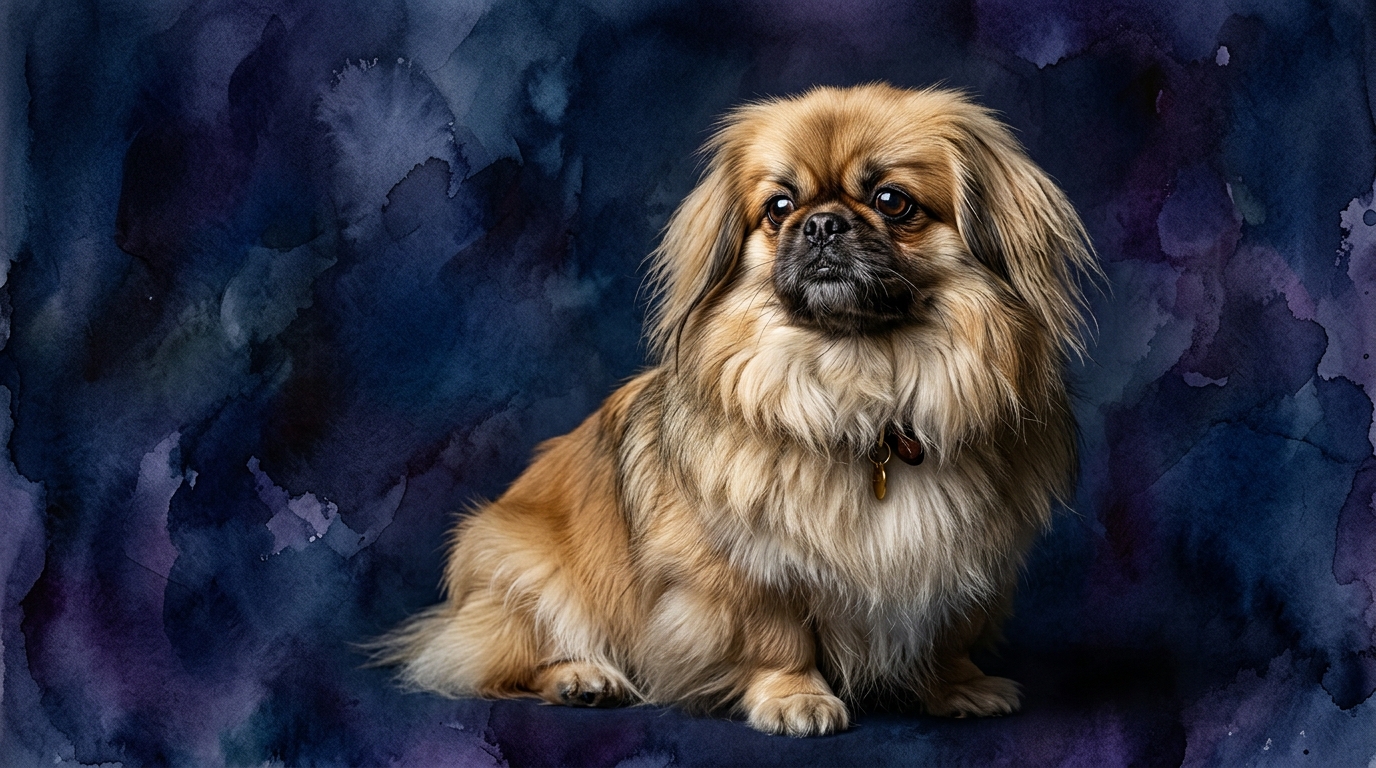
Conversely, the Pekingese, holding a Coren rank of #77, presents a distinct yet equally fascinating cognitive makeup. Its Problem Solving also scores 3/5, suggesting a similar capacity to the AmStaff, though often applied differently—perhaps to optimize comfort or achieve desired outcomes within its immediate domain. A Training Speed of 3/5 mirrors the AmStaff, meaning this breed can learn new tasks at a moderate rate, provided the motivation is compelling. Its Social Intelligence, matching at 3/5, highlights a strong ability to engage with humans, discerning moods and communicating needs effectively within its companion role. Instinctive Drive at 3/5 reflects a balanced set of innate behaviors, typically manifesting as a keen awareness of its territory or a desire for attention, rather than high-energy pursuits. Finally, its Memory at 3/5 indicates a good, though perhaps not extraordinary, capacity for recall, allowing it to remember routines and previously learned behaviors consistently.
Where the American Staffordshire Terrier Wins Cognitively
The American Staffordshire Terrier’s cognitive edge primarily lies in its superior Memory score of 4/5 compared to the Pekingese’s 3/5. This enhanced recall means the AmStaff can retain complex sequences of commands, problem-solving strategies, and past experiences with greater precision and for longer durations. This strength makes them particularly adept at activities requiring sustained memory, such as advanced obedience trials, agility courses, or learning intricate tricks. Furthermore, their higher Coren rank of 48, while not a direct IQ score, often correlates with a greater willingness to engage in collaborative learning and a more consistent application of their cognitive abilities in human-directed tasks. Their moderate instinctive drive, when coupled with strong memory, supports channeling their natural inclinations into structured, productive outlets, making them highly responsive partners in various pursuits.
Where the Pekingese Wins Cognitively
While the Pekingese doesn't boast numerically higher scores in individual cognitive dimensions compared to the AmStaff, its cognitive strengths lie in the nuanced application of its intelligence within its specific lifestyle. Its Problem Solving score of 3/5, for instance, is often directed inward, towards optimizing its personal comfort and navigating the domestic environment with subtle cunning. This might manifest as strategically choosing the sunniest nap spot or cleverly signaling its desires to its human companions. The Pekingese's Social Intelligence, also 3/5, is a finely tuned instrument for companion life, enabling it to read household dynamics and elicit desired responses through charm or a regal demeanor. This breed’s independence, often perceived as a challenge, can be reframed as a cognitive 'win' in self-sufficiency, where its problem-solving abilities are geared towards asserting its needs and boundaries, rather than purely complying with external directives. This unique blend of cognitive application makes the Pekingese a master of its own comfortable domain.
Training Dynamics: Which is Easier to Train?
Both breeds share a Training Speed score of 3/5, suggesting they learn new commands at a similar moderate pace. However, the practical experience of training can differ significantly. The American Staffordshire Terrier’s superior Memory (4/5) and its history as a working terrier often translate into a more reliable and consistent training experience. AmStaffs tend to retain learned behaviors more robustly and often exhibit a greater eagerness to please, making the application of their training speed more straightforward and predictable. Their moderate instinctive drive can be effectively harnessed through positive reinforcement, leading to a highly responsive and obedient companion.
The Pekingese, despite its equal training speed, often presents a different challenge due to its independent and sometimes regal temperament. While they are capable of learning, their problem-solving skills might be directed towards finding ways to avoid tasks they deem unnecessary or uncomfortable. Training a Pekingese requires more patience, creativity, and a keen understanding of their unique motivators, as they are less likely to comply purely out of a desire to please. The consistency of learned behaviors might require more reinforcement and a nuanced approach to maintain.
Lifestyle Match: Active vs. Relaxed Owners
The American Staffordshire Terrier, with its balanced instinctive drive and superior memory, thrives with active owners who can provide consistent mental and physical challenges. Their cognitive profile supports engaging in dog sports, advanced obedience, or regular interactive play that utilizes their problem-solving and memory skills. This breed benefits immensely from structured activities that channel their moderate drive into productive outlets, preventing boredom and fostering a deep bond through shared endeavors. Owners who enjoy training and want a collaborative partner for various dog activities will find the AmStaff a rewarding match.
The Pekingese, with its equally capable but differently applied problem-solving and social intelligence, is an excellent match for more relaxed owners. Their cognitive skills are often directed towards navigating a comfortable home environment and managing social interactions with their human companions. They appreciate mental stimulation through puzzle toys or short, engaging training sessions, but their overall physical needs are lower, making them ideal for a calmer lifestyle where their cleverness is appreciated in a less physically demanding context. Owners seeking a charming, independent, and clever companion for a cozy domestic life will find the Pekingese perfectly suited.
The Verdict
Choose the American Staffordshire Terrier if you're an active owner seeking a collaborative canine partner for structured training, dog sports, and consistent application of learned behaviors, valuing their strong memory and adaptable drive.
Opt for the Pekingese if you appreciate an independent, clever companion who excels at navigating a comfortable home environment and engaging in nuanced social interactions, fitting a more relaxed lifestyle.
🧠 Find Your Pet's IQ Score
Our Pet IQ Lab assessment covers 25+ tests across 5 cognitive dimensions — personalized to your breed.
Take the Full IQ Test →Frequently Asked Questions
Does Coren rank directly indicate a dog's individual intelligence?
Coren rank is a measure of working and obedience intelligence, reflecting how quickly a breed learns new commands and obeys them. It doesn't encompass all aspects of canine intelligence, like problem-solving or social cognition, which are assessed separately in the Pet IQ Lab profiles.
How does a 3/5 problem-solving score manifest differently in these two breeds?
In the American Staffordshire Terrier, 3/5 problem-solving often translates to figuring out how to achieve a goal set by their owner, like retrieving a toy from a tricky spot. For the Pekingese, it might mean creatively finding the most comfortable sleeping spot or subtly influencing their human to get a treat.
Is the Pekingese truly as trainable as the American Staffordshire Terrier, given their similar training speed score?
While both breeds learn at a similar pace (3/5), the Pekingese's independent nature can make the *application* of training more challenging. The AmStaff's higher memory and greater eagerness to please often lead to more reliable and consistent performance of learned commands in real-world scenarios.