Side-by-Side Cognitive Profile
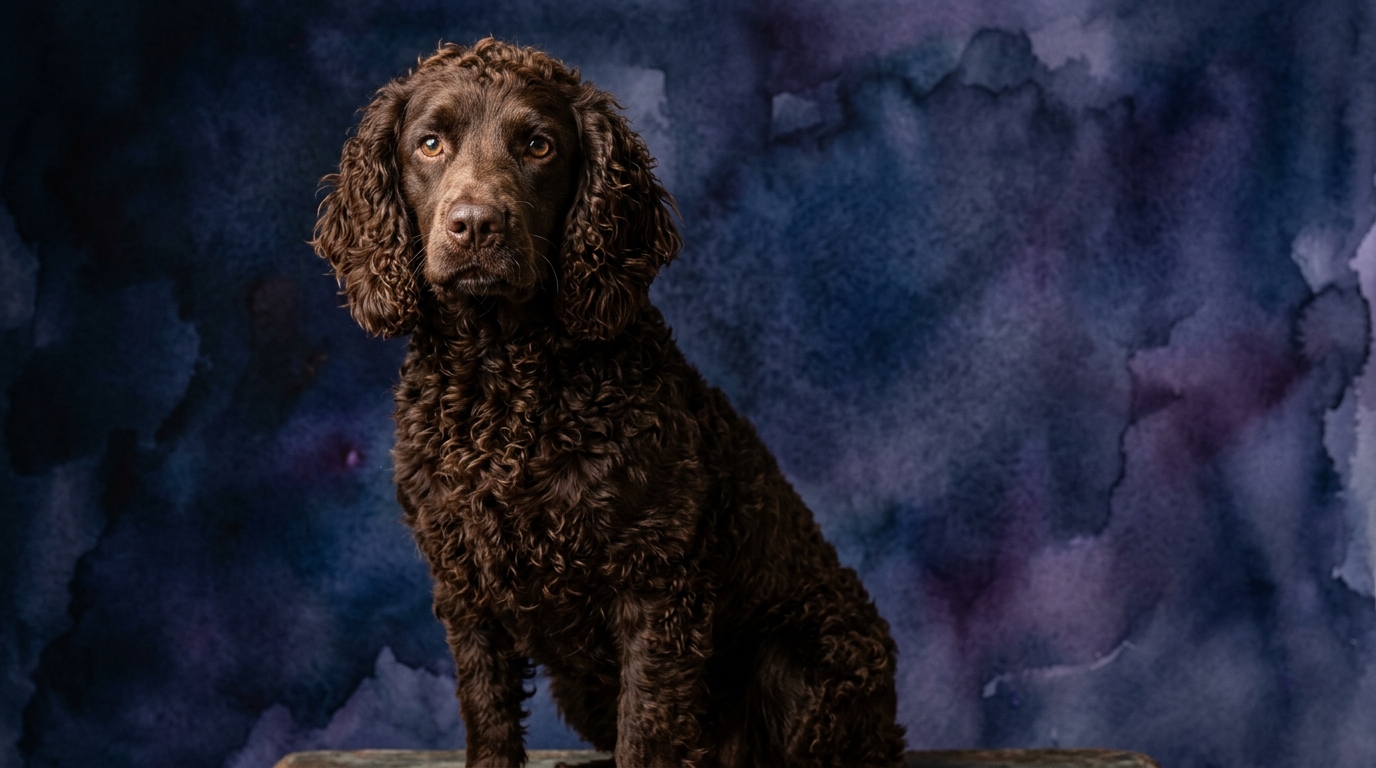
The American Water Spaniel (AWS), ranked #44 by Stanley Coren for obedience and working intelligence, offers a balanced and capable cognitive makeup. Its Problem Solving, rated 3/5, indicates an ability to navigate moderately complex scenarios, often by applying previously learned solutions or adapting familiar strategies rather than inventing entirely novel approaches. Training Speed, also 3/5, means they pick up new commands at a steady, manageable pace, responding well to clear, consistent instruction without demanding excessive repetition. Social Intelligence, rated 3/5, highlights their capacity to interpret human moods and intentions, fostering strong bonds and adapting their behavior within a family unit. Their Instinctive Drive, a 3/5, is primarily geared towards their retrieving heritage, manifesting as a keen interest in scent work and water activities, balanced with a desire for companionship. Crucially, their Memory, scoring 4/5, is a significant asset, allowing them to retain learned behaviors, intricate routes, and associations effectively over extended periods, making them reliable partners in repeated tasks.
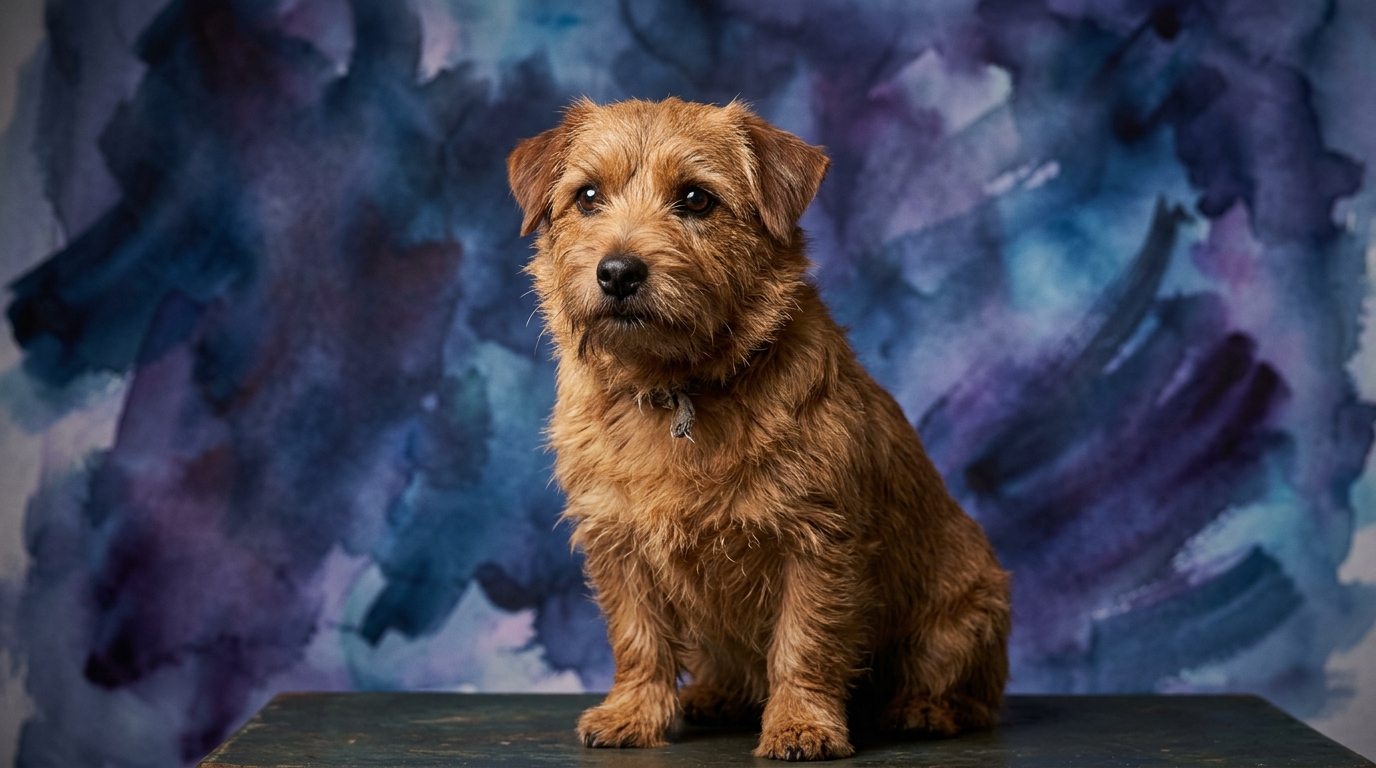
The Norfolk Terrier, not appearing in Coren's specific rankings, presents a distinct cognitive profile shaped by its terrier lineage. Their Problem Solving, rated 3/5, is characterized by a practical, often tenacious approach, particularly when motivated by curiosity, exploration, or a perceived “prey” item. They learn through persistent trial and error, not always seeking human guidance immediately. Training Speed, also 3/5, indicates they process new information at a moderate rate, but their independent spirit means engagement is key; they respond best to positive reinforcement and methods that make learning feel like a game or a self-chosen activity. Social Intelligence, at 3/5, allows them to form close bonds and understand family dynamics, though their assertiveness can mean they express their needs and boundaries clearly within the social structure. Their Instinctive Drive, a 3/5, is profoundly rooted in their vermin-hunting heritage, manifesting as a strong urge to dig, chase small animals, and investigate every nook and cranny. Memory, scoring 3/5, means they recall information adequately for daily life, but might require more refreshers for complex or less immediately relevant commands compared to breeds with higher memory scores, sometimes prioritizing immediate sensory input.
Where the American Water Spaniel Wins Cognitively
The American Water Spaniel's most pronounced cognitive advantage lies in its superior Memory, scoring 4/5 compared to the Norfolk Terrier's 3/5. This translates into a remarkable capacity for retaining learned behaviors, intricate command sequences, and specific environmental details over extended periods. For tasks requiring precision and consistency, such as advanced obedience routines, complex retrieving patterns, or navigating familiar hunting grounds, the AWS demonstrates a more reliable recall. They build upon past lessons with greater ease, making multi-stage training more efficient and their responses more predictable in situations where prior experience is key. This memory strength also contributes to their adaptability in routine, as they quickly learn and remember household rules and expectations, leading to a more settled and consistent demeanor in daily life once established. Their ability to consistently remember and execute multiple steps in a sequence provides a clear cognitive edge in cooperative working tasks.
Where the Norfolk Terrier Wins Cognitively
While both breeds share a 3/5 rating across several cognitive dimensions, the Norfolk Terrier's specific application of these traits provides distinct advantages, especially in scenarios demanding self-reliance and tenacious exploration. Their Problem Solving, though rated 3/5, is often fueled by an unwavering curiosity and an independent drive that encourages them to persist through obstacles without constant human direction. This manifests as a sharp ability to navigate novel environments, discover hidden objects, or outsmart perceived barriers using their own initiative, a form of practical intelligence crucial for their historical role as vermin hunters. Their Instinctive Drive, also 3/5, is specifically geared towards a persistent pursuit and investigation, fostering a keen observational intelligence for subtle environmental changes and a relentless determination to achieve a self-set goal, which can be a cognitive “win” in scenarios where human-directed cooperation is not the primary objective. Their smaller stature and agility further complement this exploratory cognitive style, allowing them to access and assess situations that larger, more biddable breeds might overlook, demonstrating a unique environmental awareness and adaptability.
Which is Easier to Train and Why
Both the American Water Spaniel and the Norfolk Terrier hold a 3/5 rating for Training Speed, suggesting a moderate pace of learning new commands. However, the *ease* of training can differ significantly due to their underlying behavioral tendencies and cognitive strengths. The American Water Spaniel, with its Sporting group heritage and Coren rank #44, possesses a natural inclination towards working cooperatively with a handler. Their superior memory (4/5) means that once a command is learned, it is retained more reliably, reducing the need for constant refreshers and making their responses more consistent over time. They are generally eager to please and find satisfaction in successful collaboration, making positive reinforcement highly effective. An AWS typically seeks to understand and comply, making the training process a partnership.
In contrast, the Norfolk Terrier, a true terrier, combines its 3/5 training speed with a strong independent streak and a formidable instinctive drive. While they are capable learners, their problem-solving often leans towards self-direction, meaning they need to be convinced that following a command is more rewarding or interesting than pursuing their own agenda. Training a Norfolk requires creativity, patience, and methods that tap into their innate curiosity and prey drive, making learning feel like a game rather than a chore. Their independence means they might question the necessity of a command, whereas the AWS is often more intrinsically motivated by partnership. Consistency and engaging techniques are paramount to overcome their occasional stubbornness and channel their tenacity into desired behaviors.
Which Suits Active Owners vs. Relaxed Owners
The choice between these two breeds hinges significantly on an owner's lifestyle and their definition of “active” or “relaxed.” The American Water Spaniel, originating from the Sporting group, thrives with active owners who can provide consistent physical exercise and mental stimulation that taps into their retrieving and swimming instincts. Their 3/5 instinctive drive and excellent memory make them ideal for activities like long hikes, swimming expeditions, dock diving, or advanced obedience and agility training. They require a fulfilling “job” to prevent boredom and channel their energy constructively, making them a superb fit for individuals or families who enjoy outdoor adventures and want a canine partner deeply involved in their pursuits. A “relaxed” owner might struggle to meet the AWS's needs for engagement, potentially leading to restless behaviors or a lack of mental fulfillment for the dog.
The Norfolk Terrier, while smaller, is by no means a sedentary companion. Their 3/5 instinctive drive, rooted in chasing and digging, demands regular, vigorous exercise and mental challenges to satisfy their keen terrier spirit. They are well-suited for active owners who appreciate shorter, intense play sessions, brisk walks, earthdog trials, or engaging puzzle toys that stimulate their problem-solving abilities. They can adapt to apartment living if their exercise needs are consistently met through daily outings and mental games, but these need to be consistent and stimulating. A “relaxed” owner for a Norfolk still needs to be committed to providing structured exercise and enrichment to channel their tenacious energy and prevent them from inventing their own, potentially destructive, entertainment. They are less about endurance and more about bursts of focused energy and persistent exploration, offering a different kind of active companionship that values mental agility as much as physical exertion.
The Verdict
Choose the American Water Spaniel if you seek a cooperative partner for outdoor adventures, field work, or advanced obedience, valuing a dog with strong recall and consistent learning retention.
Choose the Norfolk Terrier if you appreciate a spirited, independent companion with a tenacious approach to life, who thrives on engaging mental challenges and vigorous, though not necessarily marathon, physical activity.
🧠 Find Your Pet's IQ Score
Our Pet IQ Lab assessment covers 25+ tests across 5 cognitive dimensions — personalized to your breed.
Take the Full IQ Test →Frequently Asked Questions
How does the American Water Spaniel's memory score impact its learning?
The AWS's 4/5 memory score means they retain new information and learned behaviors quite effectively over time. This makes them adept at building upon past lessons, leading to more consistent performance in complex tasks and a strong recall of commands even after a break.
What does 'not Coren-ranked' signify for the Norfolk Terrier's intelligence?
“Not Coren-ranked” simply means the Norfolk Terrier was not included in Stanley Coren's specific study on obedience and working intelligence, which primarily focused on trainability. It doesn't imply a lack of cognitive capacity, but rather that their particular blend of problem-solving and instinctive drives might manifest differently than breeds excelling in structured obedience trials.
Are both breeds suitable for first-time dog owners based on their IQ profiles?
Both breeds score 3/5 in training speed and social intelligence, suggesting they are manageable for attentive first-time owners. The AWS's better memory might make long-term training slightly more consistent, while the Norfolk Terrier's independent streak requires an owner committed to consistent, engaging, and positive reinforcement methods to channel their terrier tenacity effectively.