Side-by-Side IQ Profile
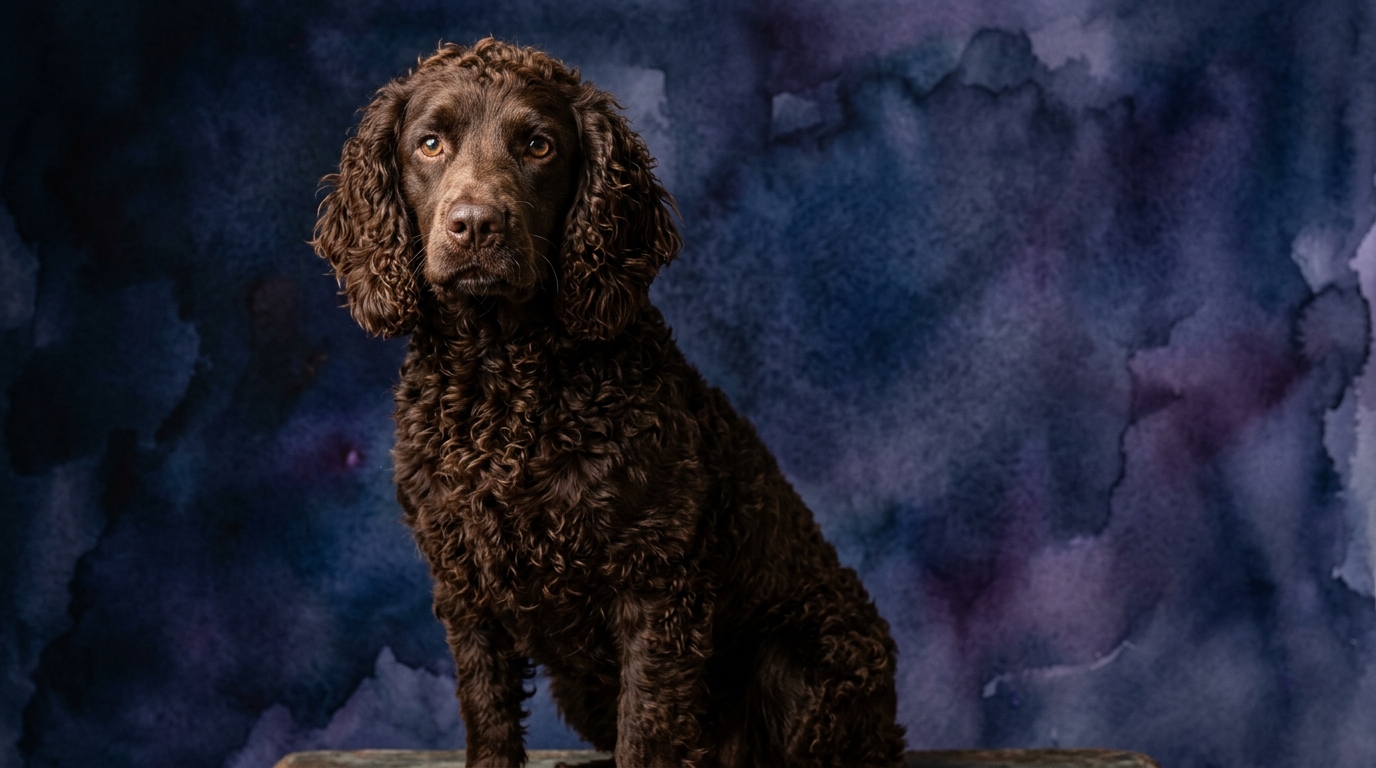
The American Water Spaniel (AWS), ranked #44 by Coren for working and obedience intelligence, demonstrates a balanced cognitive profile with a notable strength in memory. Its Problem Solving is rated 3/5, indicating an aptitude for navigating complex situations, such as retrieving game from dense cover or water, but perhaps not pioneering novel solutions without guidance. Training Speed also sits at 3/5, suggesting a reasonable pace for learning new commands, likely aided by its cooperative nature. Social Intelligence, at 3/5, points to a capacity for understanding human cues and forming strong bonds, crucial for a working partner. Its Instinctive Drive, also 3/5, encompasses its strong urge to retrieve, swim, and hunt, which forms the core of its breed purpose. The standout feature is its Memory, rated 4/5, enabling it to recall complex sequences of tasks, locations, and learned behaviors over time, vital for a reliable hunting companion.
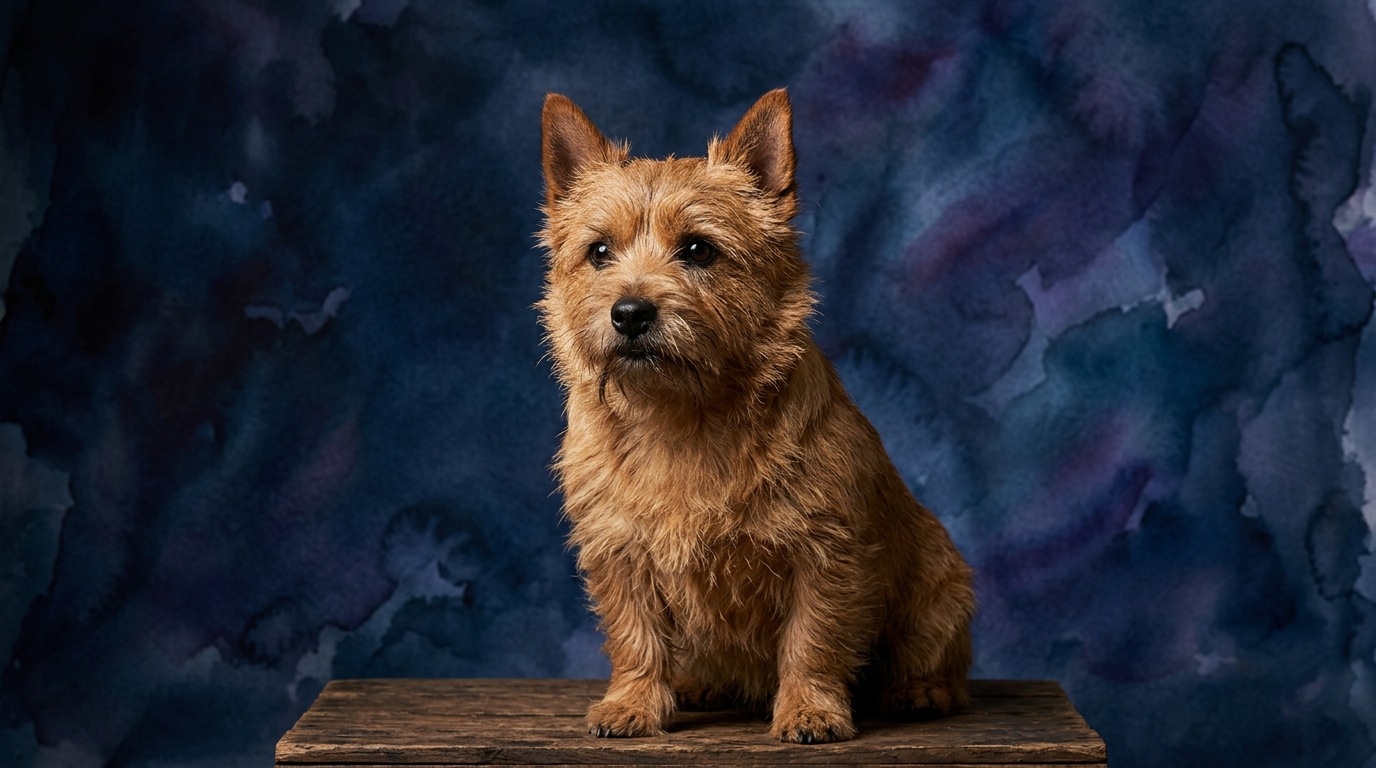
The Norwich Terrier (NT), a compact and sturdy terrier, is not Coren-ranked, which often signifies a breed whose primary working functions don't align with traditional obedience trials. Its cognitive profile shows consistency across several dimensions. Problem Solving is 3/5, similar to the AWS, but likely applied to different challenges, such as navigating burrows or strategizing to catch small prey. Training Speed is also 3/5, suggesting it can learn, though perhaps with more independent thought than the average sporting dog. Social Intelligence, at 3/5, indicates it can connect with its family but may retain a degree of terrier self-reliance. Instinctive Drive, rated 3/5, is strongly focused on its terrier heritage: digging, chasing, and vocalizing. Its Memory is 3/5, meaning it can retain information and commands, but perhaps not with the same depth or duration as a breed like the AWS, which relies heavily on recall for complex tasks.
Where American Water Spaniel Wins Cognitively
The American Water Spaniel's cognitive edge is most evident in its superior Memory, rated 4/5 compared to the Norwich Terrier's 3/5. This enhanced recall is not merely about remembering where the treat jar is; it's fundamental to its role as a versatile hunting dog. An AWS can effectively learn and execute intricate multi-step retrieving patterns, remember the fall of multiple birds, and navigate diverse terrains to bring game back to hand. This robust memory allows for the development of sophisticated working partnerships, where the dog can anticipate commands and recall previous training in varied environments, a critical asset for a retriever.
Furthermore, its Coren ranking of #44 places it firmly within the category of dogs that understand new commands with fewer repetitions and obey the first command a high percentage of the time. While the Norwich Terrier is certainly capable, the AWS exhibits a more consistent and reliable application of learned behaviors over time and across situations, a direct benefit of its stronger memory and inherent cooperativeness. This makes the AWS particularly adept at tasks requiring sequential learning and sustained focus on human direction.
Where Norwich Terrier Wins Cognitively
While the Norwich Terrier's individual cognitive scores might not numerically surpass the American Water Spaniel in most categories, its “win” lies in the application of its cognitive traits within its specific breed context. The Norwich's 3/5 Problem Solving and 3/5 Instinctive Drive, combined with its terrier tenacity, translate into exceptional resourcefulness and determination in self-directed tasks. Unlike the AWS, which excels in partnership, the Norwich often applies its intelligence to independent challenges, such as outsmarting a rodent or finding its way through a tricky obstacle course on its own terms.
This breed demonstrates a profound ability to focus intensely on a perceived “job,” often driven by its prey drive, making it remarkably persistent. Its social intelligence, while rated 3/5, is often expressed through an endearing, confident assertiveness rather than pure eagerness to please. This independent streak means a Norwich can be exceptionally clever at figuring out how to achieve its own goals, whether it's escaping a yard or convincing you to share your snack, often through creative, self-motivated strategies that highlight a different facet of problem-solving. Owners often describe them as “big dogs in small bodies,” precisely because of this robust, self-assured cognitive approach to life.
Which is Easier to Train and Why
The American Water Spaniel generally presents as the easier breed to train, primarily due to its stronger memory and inherent cooperative drive as a sporting dog. With a Training Speed of 3/5 and a memory score of 4/5, the AWS can pick up commands at a reasonable pace and, crucially, retain them consistently. Their historical role as retrieving partners means they are often eager to work alongside their human, finding satisfaction in pleasing their handler. This “eagerness to please” combined with their capacity for recalling complex sequences makes them receptive to formal obedience, field work, and dog sports. They thrive on positive reinforcement and clear direction, quickly building a repertoire of learned behaviors.
The Norwich Terrier, while also rated 3/5 for Training Speed, often requires a different approach. Their terrier heritage imbues them with a significant independent streak and a strong instinctive drive (3/5) focused on hunting and digging. This means a Norwich might learn a command quickly but then decide whether or not to obey based on its immediate interests or perceived rewards. They can be selectively deaf when their prey drive is activated, or if they've found something more interesting than your command. Training a Norwich requires immense patience, consistency, and a deep understanding of their terrier motivations. While they are certainly capable of learning, their compliance often hinges on making the training engaging, fun, and highly rewarding, rather than relying solely on their desire to please. Owners often find success by framing training as a game or a puzzle, tapping into their problem-solving abilities in a way that aligns with their self-reliant nature.
Which Suits Active Owners vs Relaxed Owners
For active owners seeking a true outdoor companion, the American Water Spaniel is an excellent match. Its sporting breed background means it thrives on vigorous exercise and engaging activities that tap into its instinctive drives. AWS dogs need daily opportunities for extended walks, runs, swimming, or retrieving games. They excel in activities like dock diving, agility, or obedience trials, and are natural partners for hiking or hunting. Their balanced cognitive profile and cooperative nature mean they appreciate having a “job” to do, whether it's a structured training session or a long trek through varied terrain. A relaxed owner who cannot provide consistent physical and mental stimulation might find an AWS becoming restless or developing undesirable behaviors out of boredom.
The Norwich Terrier, while possessing an active spirit, is generally more adaptable to a range of owner lifestyles, though “relaxed” should not be mistaken for “sedentary.” Norwich Terriers are energetic in bursts and require regular, engaging exercise, but they typically don't demand the same endurance-level activities as an AWS. Short, brisk walks, playtime in a securely fenced yard, or interactive puzzle toys can satisfy much of their physical and mental needs. They enjoy exploring and “hunting” in the backyard, digging (if allowed in a designated spot), and chasing toys. A relaxed owner who enjoys consistent, shorter bursts of activity, combined with plenty of indoor mental stimulation and companionship, would find a Norwich a suitable fit. However, even relaxed owners must commit to daily engagement to prevent boredom and channel the terrier's innate drives constructively; a bored Norwich can quickly become a destructive Norwich.
The Verdict
When seeking a devoted, cooperative partner for outdoor adventures and complex retrieving tasks, particularly those involving water, the American Water Spaniel is the ideal choice. Its robust memory and eagerness to work closely with a handler make it perfect for active individuals or families who value a strong working bond and can provide consistent training and ample physical outlets.
If you appreciate a confident, tenacious, and independent spirit in a compact package, and are prepared for consistent, engaging training to channel its inherent terrier drives, then the Norwich Terrier will be a rewarding companion. It suits owners who enjoy a dog with distinct personality, thrives on varied daily activities, and can appreciate a clever, self-reliant approach to life.
🧠 Find Your Pet's IQ Score
Our Pet IQ Lab assessment covers 25+ tests across 5 cognitive dimensions — personalized to your breed.
Take the Full IQ Test →Frequently Asked Questions
Are American Water Spaniels good family dogs?
Yes, American Water Spaniels are generally good family dogs. Their social intelligence and cooperative nature allow them to bond well with family members, though their need for activity means they thrive in homes that can provide consistent engagement and exercise.
Do Norwich Terriers bark a lot?
Norwich Terriers can be prone to barking, especially when their instinctive drive to alert or chase is activated. Consistent training from an early age can help manage this tendency, but their vocal nature is part of their terrier personality.
What kind of mental stimulation do Norwich Terriers need?
Norwich Terriers benefit from mental stimulation that taps into their problem-solving and instinctive drives. This includes puzzle toys, scent work, supervised 'digging' areas, and engaging training sessions that challenge their clever minds and independent spirit.