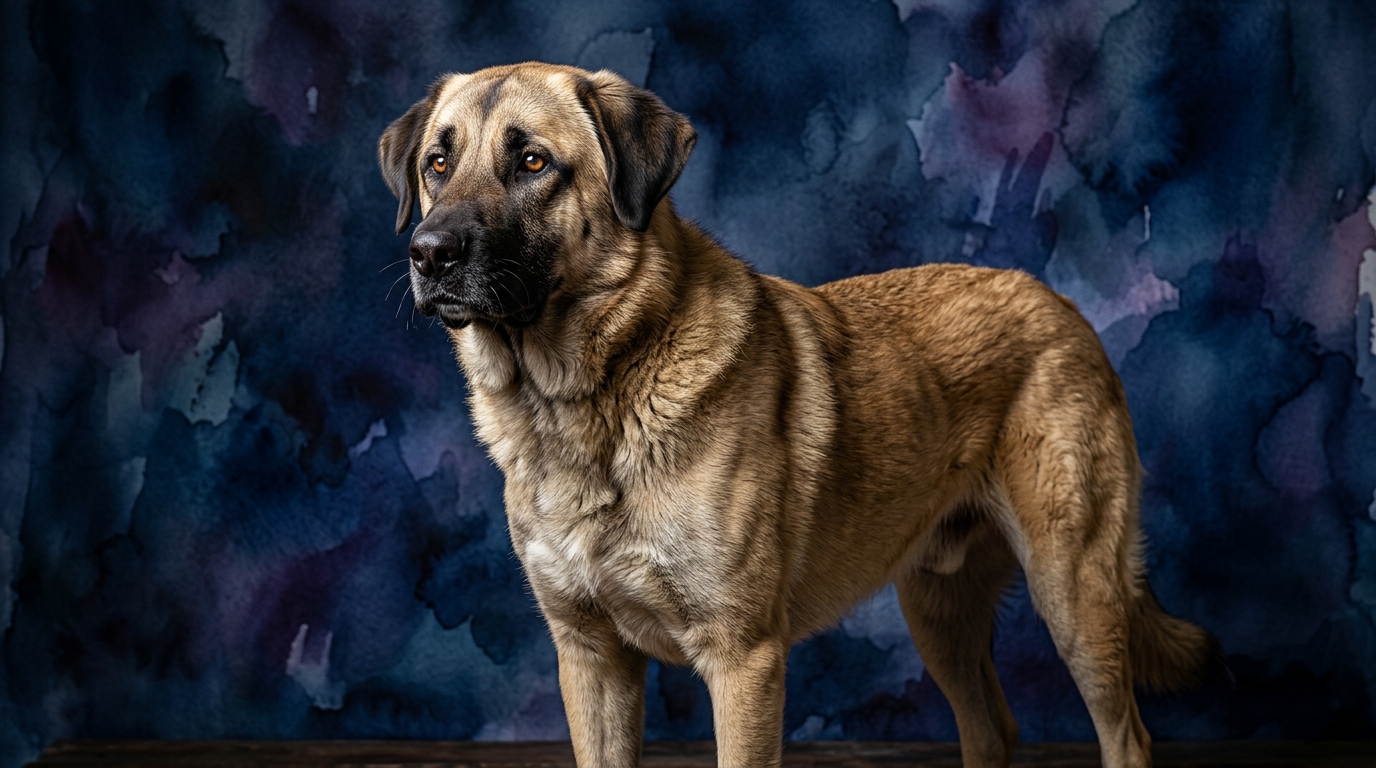
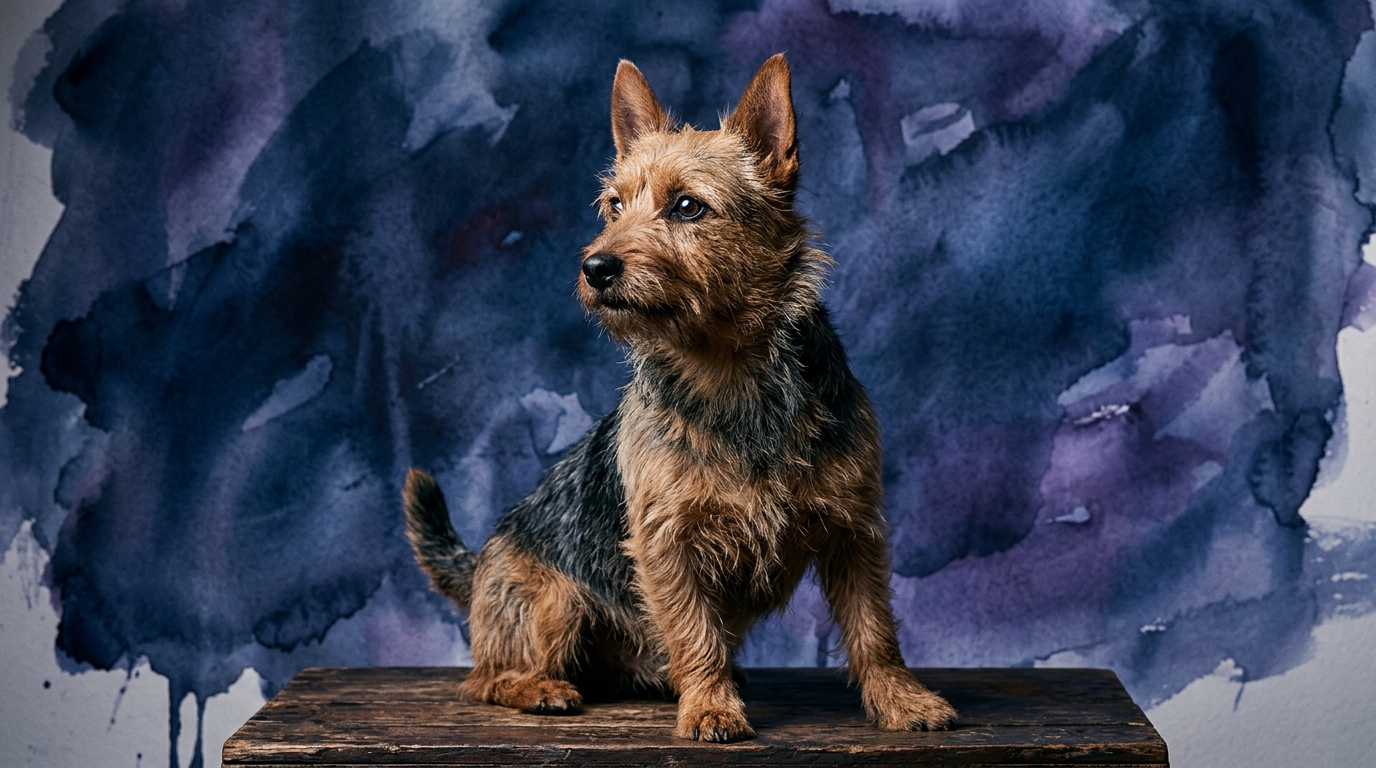
Side-by-Side Cognitive Profiles: Anatolian Shepherd Dog vs. Australian Terrier
At The Cosmic Pet Pet IQ Lab, both the Anatolian Shepherd Dog and the Australian Terrier surprisingly share identical scores across our five cognitive dimensions, each rated 3 out of 5. However, understanding how these scores translate into real-world behavior requires delving into the specific context of each breed's historical role and inherent nature.
For the Anatolian Shepherd Dog, a problem-solving score of 3/5 reflects a profound capacity for independent thought, a necessity for a guardian breed that has historically operated without constant human command. They excel at assessing environmental threats and devising strategies to deter predators, often relying on astute observation and learned patterns rather than rote obedience. Their solutions are practical and self-reliant, focused acutely on maintaining the safety of their flock or family. Their training speed, also 3/5, indicates a capability for learning, yet this is often tempered by their independence. They tend to process commands with deliberation, motivated by understanding the 'why' behind a task, demanding consistent, fair methods rather than simple compliance. Social intelligence, rated 3/5, is finely tuned to their guardian role, enabling them to adeptly read the body language and intentions of livestock, discerning between a playful animal and a potential threat. Towards humans, they are discerning, capable of evaluating trustworthiness, which makes them reserved with strangers but deeply loyal to their chosen family. An instinctive drive of 3/5 is the core of their being, anchored in proactive vigilance, patrolling, scent tracking, and territorial marking, guiding their problem-solving and social interactions. Finally, their memory, also 3/5, is robust for routines, territories, and individuals, contributing to consistent guarding behaviors and long-term adaptation to their environment.
The Australian Terrier, sharing the same 3/5 scores, applies its cognitive strengths in a distinctly different manner. Their problem-solving (3/5) manifests as resourcefulness in hunting. They demonstrate cleverness in navigating complex underground tunnels or tight spaces to locate and dispatch vermin, involving quick, on-the-spot decisions and tenacious pursuit. A training speed of 3/5 means Australian Terriers learn readily, particularly when tasks are engaging and offer clear rewards. However, their inherent terrier tenacity means they can be single-minded when pursuing an interesting scent or object, requiring an owner to be more captivating than environmental distractions. Their social intelligence, also 3/5, makes them highly attuned to their human family dynamics, often becoming deeply integrated into household life. They pick up on moods and routines, using their charm to solicit attention or comfort, and are quick to alert their family to perceived novelties. An instinctive drive of 3/5 is rooted in their vermin-hunting heritage, translating into a strong prey drive, persistent curiosity, and a desire to dig or investigate, serving as a powerful motivator for their activities. Their memory, also 3/5, is excellent for people, places, and learned sequences, aiding in their training and ability to navigate their home and yard, remembering where interesting smells or toys are found.
Where the Anatolian Shepherd Dog Excels Cognitively
While both breeds score similarly in raw cognitive capacity, the Anatolian Shepherd Dog's intellect shines brightest in its application to independent, large-scale guardianship. Their problem-solving (3/5) is geared towards strategic oversight of vast territories, requiring them to assess dynamic threats from predators or trespassers without direct human instruction. This involves complex environmental scanning and the autonomous formulation of deterrent strategies, from vocalizations to physical interposition. Their social intelligence (3/5) is particularly nuanced in its ability to differentiate between various animal species and human intentions, exhibiting a profound understanding of flock dynamics and external dangers. This allows them to make critical, life-saving decisions based on subtle cues, a cognitive feat distinct from the more direct, interactive social intelligence of a companion breed. Furthermore, their memory (3/5) is exceptionally robust for mapping extensive territories and recognizing specific individuals, both animal and human, over long periods, solidifying their role as vigilant, self-governing protectors.
Where the Australian Terrier Demonstrates Cognitive Prowess
Conversely, the Australian Terrier's cognitive strengths, while scoring identically in raw measures, are optimized for quick, focused, and adaptable engagement in a more confined or interactive setting. Their problem-solving (3/5) is exemplified by their uncanny ability to navigate intricate spaces, such as burrows or dense undergrowth, to locate and dispatch small prey. This demands rapid assessment of obstacles and dynamic adjustments to their hunting strategy, often involving creative maneuvers. Their instinctive drive (3/5) for quarry pursuit is channeled into tenacious, resourceful exploration, allowing them to follow scent trails with impressive dedication and overcome physical barriers. Social intelligence (3/5) in the Australian Terrier is particularly adept at integrating into human family units, understanding subtle cues from their owners, and charming their way into activities. This involves a keen perception of human emotions and routines, allowing them to adapt their behavior for optimal interaction and companionship, a different kind of social acuity than the Anatolian's discerning watchfulness.
Training Dynamics: Which Breed is More Amenable?
Evaluating 'easier to train' between these two breeds, despite both having a training speed score of 3/5, requires understanding their inherent motivations and historical roles. The Anatolian Shepherd Dog's ancestral purpose fosters an independent mindset; they were bred to make decisions without human oversight. This means while they can learn, their training speed (3/5) is often tempered by their inclination to *consider* a command rather than immediately comply, especially if it conflicts with their perceived guardian duties or independent judgment. Owners must demonstrate consistent, fair leadership and provide strong motivation to channel their cognitive abilities, often requiring a patient and understanding approach to their self-reliant nature.
Conversely, the Australian Terrier, while possessing a typical terrier stubbornness and a potent instinctive drive (3/5) for hunting, often exhibits a greater eagerness to engage directly with their human companions. Their social intelligence (3/5) makes them responsive to interactive training methods and positive reinforcement. They thrive on mental stimulation through games and tasks, often viewing training as a fun, collaborative activity. Therefore, for an average owner seeking a dog that is generally more biddable and responsive to varied training approaches, the Australian Terrier might feel 'easier' due to their desire for engagement and their smaller size allowing for more direct physical guidance, whereas the Anatolian demands a more nuanced approach that respects their innate autonomy and purpose-driven intellect.
Matching Canine Intellect to Owner Lifestyle
The choice between an Anatolian Shepherd Dog and an Australian Terrier also hinges significantly on an owner's lifestyle. The Anatolian Shepherd Dog, with its deeply ingrained instinctive drive (3/5) for vigilance and its need for expansive physical and mental engagement, unequivocally suits active owners. These magnificent dogs require substantial outdoor space, regular opportunities for long walks or patrolling, and a consistent mental challenge that acknowledges their problem-solving (3/5) and independent nature. A 'relaxed' owner who cannot provide this level of engagement may find an Anatolian developing undesirable behaviors stemming from boredom, unfulfilled instincts, or a lack of appropriate outlets for their guardian mentality.
In contrast, the Australian Terrier, while undeniably energetic and possessing a strong instinctive drive (3/5) for exploration and play, can adapt to a wider range of active lifestyles. They thrive on interactive play, regular walks, and mental games, and their smaller size means their exercise needs can often be met within a more typical household setting or a securely fenced yard. They can certainly keep pace with very active owners who enjoy hiking or dog sports, but their need for stimulation can also be satisfied by moderately active individuals who enjoy daily walks, backyard play, and consistent training sessions. A truly 'relaxed' owner, however, might still find their energetic curiosity and desire for interaction a bit much, as they are not content to merely observe life from the sidelines.
The Verdict
Opt for the Anatolian Shepherd Dog if you are an experienced, active owner with significant outdoor space, seeking an independent, strategic guardian whose profound loyalty is earned through consistent, understanding leadership.
Choose the Australian Terrier if you are an active to moderately active owner looking for a tenacious, charming companion dog that thrives on interactive engagement and can adapt well to a family environment.
🧠 Find Your Pet's IQ Score
Our Pet IQ Lab assessment covers 25+ tests across 5 cognitive dimensions — personalized to your breed.
Take the Full IQ Test →Frequently Asked Questions
Do Anatolian Shepherd Dogs bark a lot?
Yes, their instinctive drive (3/5) for guarding means they often use barking as a primary deterrent. They are vigilant and will alert to perceived threats or unusual occurrences in their territory, which can be frequent depending on the environment and their exposure.
Are Australian Terriers good with children?
Australian Terriers, with their social intelligence (3/5) and playful nature, can be excellent with respectful children who understand how to interact with dogs. Supervision is always recommended, especially due to their terrier tenacity and potential for boisterous play.
How much grooming do these breeds require?
The Anatolian Shepherd Dog has a dense double coat that requires regular brushing, especially during shedding seasons, but is relatively low-maintenance otherwise. The Australian Terrier has a wiry coat that benefits from weekly brushing to prevent matting and occasional hand-stripping or clipping to maintain its texture and health.