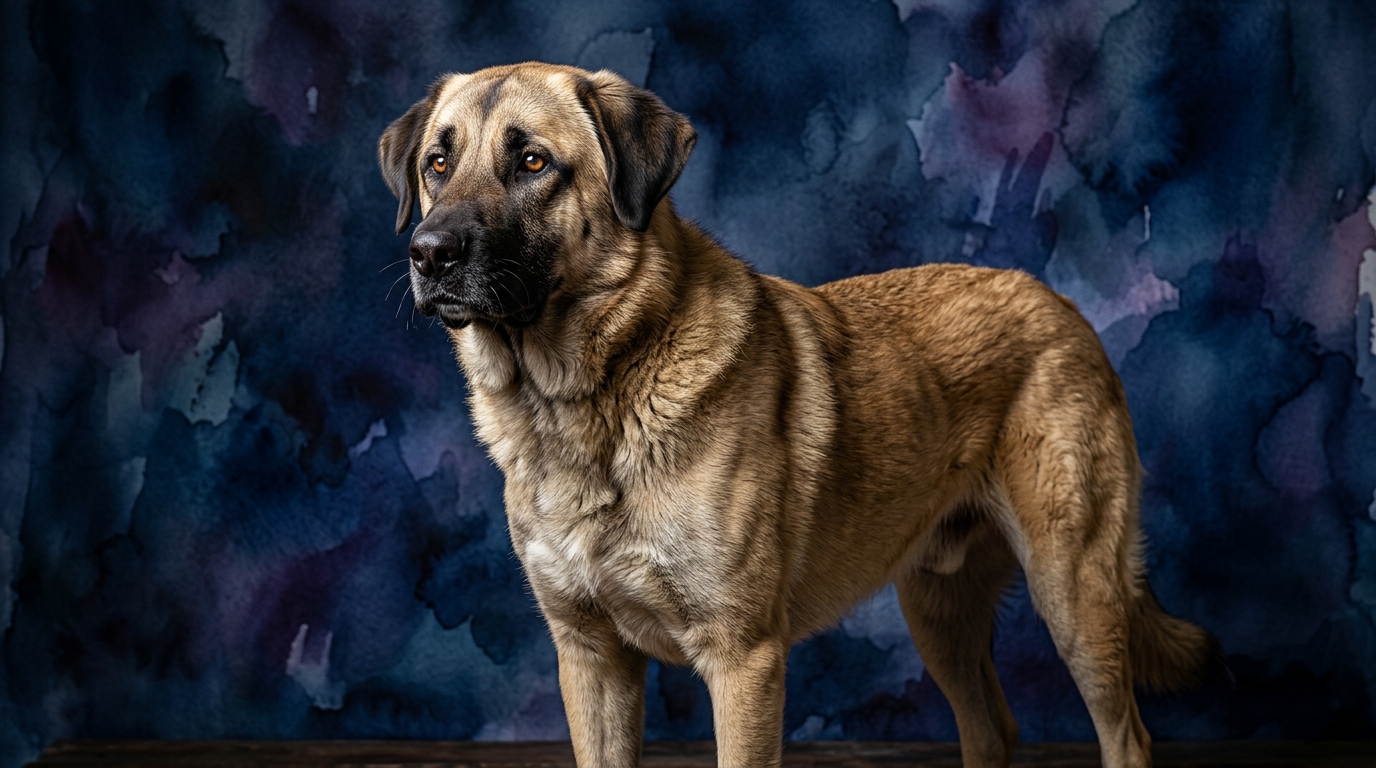
Side-by-Side IQ Profile: Anatolian Shepherd Dog
The Anatolian Shepherd Dog, a formidable livestock guardian from Turkey, displays a unique cognitive profile perfectly suited to its ancestral purpose. Their Problem Solving (3/5) reflects a capacity for independent thought, particularly in situations demanding autonomous judgment to protect their flock; they might devise strategies to deter predators or move livestock without direct human command. Training Speed (3/5) indicates they learn at a moderate pace, but their deep-seated independence means they process instructions with a strong filter for utility, requiring patient and consistent reinforcement from their handler.
Social Intelligence (3/5) in Anatolians is primarily geared towards discerning friend from foe within their guarded territory and interpreting the subtle cues of their livestock, often remaining reserved with humans outside their immediate family. Their Instinctive Drive (3/5) is an unwavering commitment to protection, manifesting as vigilance, territoriality, and a strong sense of responsibility for their charges, focusing on proactive defense rather than controlled herding. Memory (3/5) serves their guarding role effectively, enabling them to recall safe boundaries, recognize recurring threats, and remember the layout of their territory, contributing to their reliability as guardians.
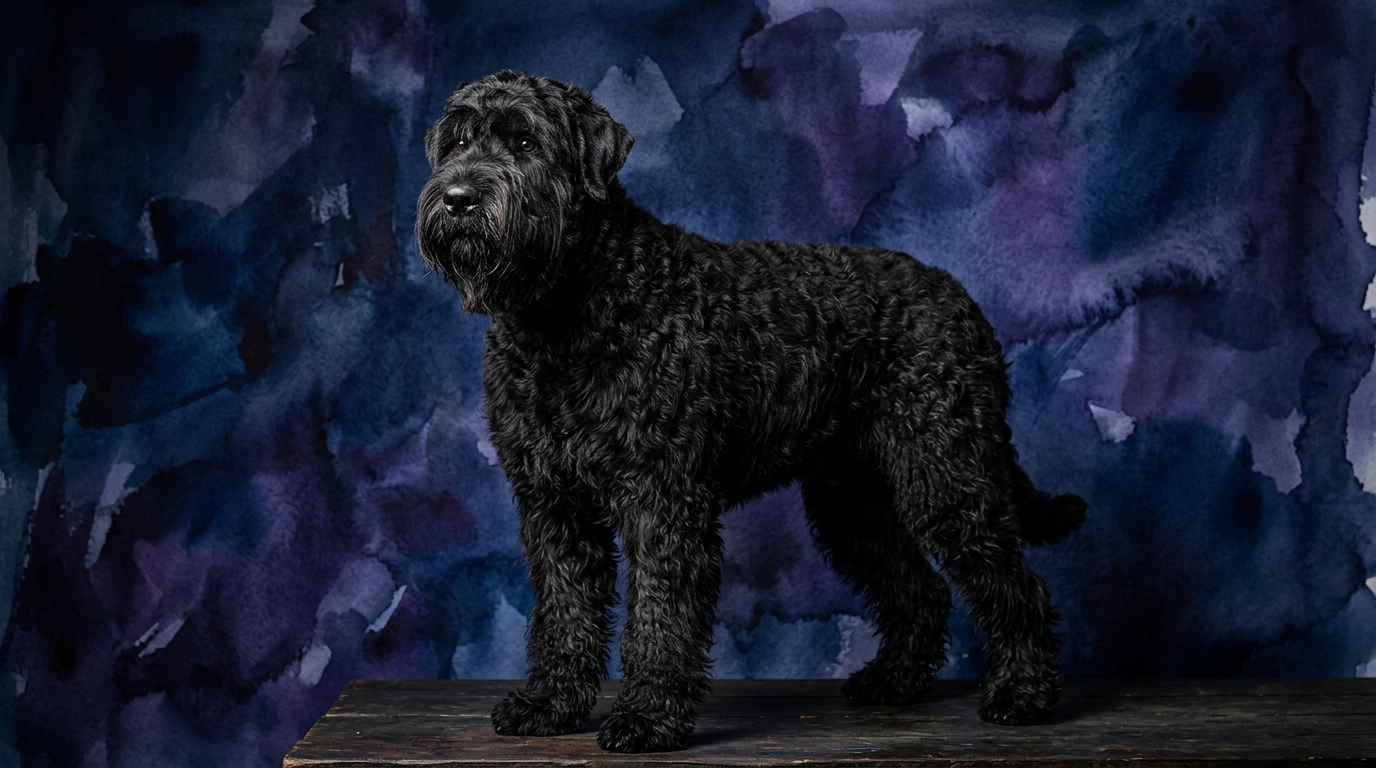
Side-by-Side IQ Profile: Black Russian Terrier
The Black Russian Terrier, developed by the Soviet military, exhibits a cognitive makeup geared towards disciplined service and handler cooperation. Their Problem Solving (3/5) is rooted in their military and protection work, where they learn to navigate complex scenarios and execute tasks under pressure, often in close cooperation with a handler to overcome obstacles or track targets. Training Speed (3/5) shows they absorb training at a respectable pace, demonstrating a strong desire to work and please their handler, making them generally receptive to structured learning despite an independent streak.
Social Intelligence (3/5) in BRTs involves a nuanced understanding, attuned to human commands and intentions, and capable of distinguishing between friendly interactions and potential threats; they form strong, protective bonds with their family while being discerning with outsiders. Their Instinctive Drive (3/5) is profoundly expressed in their protective instincts and a robust work ethic, possessing a natural inclination for vigilance, defense, and patrol, coupled with an eagerness to engage in structured activities. Memory (3/5) is solid, crucial for retaining a vast repertoire of commands, routines, and experiences vital for their working roles, ensuring reliability and consistency in their performance.
Where Anatolian Shepherd Dog Wins Cognitively
The Anatolian Shepherd Dog’s cognitive strengths truly shine in environments demanding autonomous decision-making and self-reliance. While both breeds score a 3/5 in Problem Solving, the Anatolian’s manifestation of this trait leans heavily towards independent judgment in the absence of human direction. For instance, an Anatolian will often assess a potential threat to its flock and act decisively on its own, devising strategies like positioning itself between the threat and its charges, or subtly moving animals away from danger, without needing a direct command.
This deep-seated self-sufficiency, honed over centuries of solitary guarding, means they excel at maintaining vigilance and executing protective measures based on their own assessment of the situation, often anticipating problems before they escalate. Their memory, while rated similarly, prioritizes recalling environmental patterns, predator behaviors, and safe zones within a vast territory, making them exceptionally adept at long-term, low-supervision guardianship.
Where Black Russian Terrier Wins Cognitively
Conversely, the Black Russian Terrier’s cognitive advantages emerge in scenarios requiring precise execution of complex commands and a cooperative problem-solving approach alongside a handler. Their 3/5 in Training Speed, combined with a strong work ethic, means they are often more eager to engage in structured learning and task completion, translating into a quicker acquisition of complex obedience and protection routines. While an Anatolian might independently decide to deter a threat, a BRT is more inclined to process a handler’s specific command, such as “track,” “search,” or “apprehend,” and then apply their problem-solving skills to achieve that directed goal efficiently.
Their Social Intelligence, also rated 3/5, often manifests as a greater attunement to human body language and vocal cues, allowing for more fluid and responsive communication in working partnerships. This makes them particularly strong in roles where intricate tasks are delegated and performed with precision under human guidance, such as advanced obedience, protection sports, or police work, valuing the partnership in problem-solving.
Which is Easier to Train and Why
When considering ease of training, the Black Russian Terrier generally presents a more straightforward path for the dedicated owner, despite both breeds sharing a 3/5 Training Speed score. The BRT’s development for military and service roles instilled a stronger predisposition for cooperative work and a desire to please a handler. They tend to be more responsive to direct instruction and consistent reinforcement, often thriving on the structured engagement that training provides. Their focus on the task at hand and their attunement to human cues mean they are typically more inclined to repeat behaviors that earn praise or rewards.
The Anatolian Shepherd Dog, while equally capable of learning, approaches training with a pronounced independence. Their historical role as solitary livestock guardians meant they were bred to make decisions without constant human oversight. This translates into a temperament that evaluates commands through the lens of their own perceived utility and relevance to their guarding instinct. An Anatolian might understand a command perfectly but choose not to execute it if they deem it unnecessary or contrary to their immediate protective assessment. This requires a trainer to be exceptionally patient, consistent, and creative, often needing to frame training as a partnership rather than a command-and-obey dynamic. Therefore, while both learn at a moderate pace, the BRT’s inherent cooperativeness generally makes the process of training less challenging for the average owner.
Which Suits Active Owners vs. Relaxed Owners
For active owners, both breeds require substantial engagement, but their needs differ in nature. The Black Russian Terrier, with its robust working drive and desire for structured activity, is an excellent match for owners who enjoy consistent, vigorous exercise paired with mental challenges like advanced obedience, agility, or protection sports. Their athleticism and endurance mean they thrive on daily long walks, runs, or off-leash play in secure areas, coupled with regular training sessions that tap into their cooperative problem-solving abilities. A BRT needs a job, and an active owner provides that purpose, channeling their energy and intellect productively.
The Anatolian Shepherd Dog, while also requiring regular exercise to maintain physical condition and mental well-being, is perhaps better suited for an owner whose “activity” involves more extensive property management or a lifestyle that supports their patrolling instincts. They are not typically suited for intense, repetitive sports in the same way a BRT might be. Instead, their energy is often expressed through vigilant observation, territorial patrols, and a calm but ever-present watchfulness. A truly “relaxed” owner, in the sense of someone who prefers minimal engagement, would struggle with either breed. However, if “relaxed” implies an owner who provides a large, secure space for the dog to patrol and fulfill its guarding instincts, rather than constant high-intensity human-directed activities, the Anatolian might fit better than a BRT, provided the owner understands and manages their strong independent nature. Neither is a couch potato; both demand significant commitment, but the type of activity they thrive on varies significantly.
The Verdict
Choose the Anatolian Shepherd Dog if you seek an independent, self-reliant guardian for a large property or livestock, valuing autonomous decision-making and a calm, watchful presence over constant human-directed activity.
Opt for the Black Russian Terrier if you desire a formidable protector who thrives on cooperative work, consistent training, and active engagement in structured tasks alongside their human partner.
🧠 Find Your Pet's IQ Score
Our Pet IQ Lab assessment covers 25+ tests across 5 cognitive dimensions — personalized to your breed.
Take the Full IQ Test →Frequently Asked Questions
Are Anatolian Shepherd Dogs or Black Russian Terriers suitable for first-time dog owners?
Neither breed is typically recommended for novice owners. Both possess strong guarding instincts, require experienced handling, extensive socialization, and consistent training from a young age to channel their powerful temperaments appropriately.
Do both breeds require a lot of physical exercise to stay mentally stimulated?
Yes, both require significant physical activity, but the nature differs. Anatolians need space to patrol and observe, while BRTs thrive on structured exercise like long walks, runs, and active training sessions that engage their work drive.
How do their protection instincts manifest differently in a home environment?
An Anatolian Shepherd Dog often exhibits autonomous guarding, making independent decisions about potential threats within its perceived territory. A Black Russian Terrier, while equally protective, tends to be more handler-responsive, often waiting for direction before engaging, making them more suitable for managed protection within a family setting.