Side-by-Side IQ Profile: Interpreting 3/5
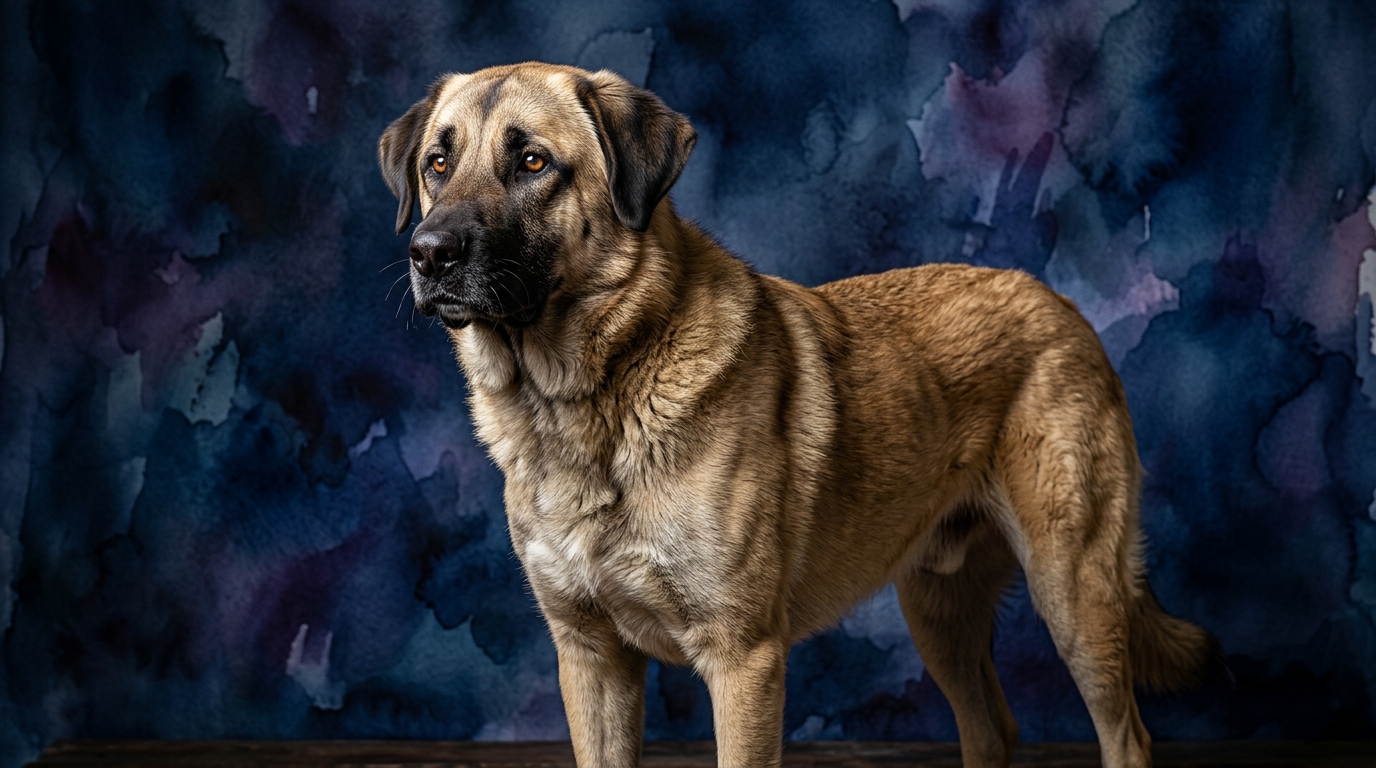
The Anatolian Shepherd Dog, a formidable guardian from Turkey, showcases a cognitive structure finely tuned for independent protection. Its 'Problem Solving' at 3/5 is less about complex puzzle-solving and more about autonomous decision-making in assessing potential threats to its flock or territory without direct human command. 'Training Speed' at 3/5 reflects its capacity to learn, yet it often prioritizes its own judgment, requiring patience and understanding of its independent nature rather than eager compliance. 'Social Intelligence' at 3/5 involves discerning friend from foe and understanding dynamics within its assigned flock or family. Its 'Instinctive Drive' at 3/5 is powerfully directed towards guarding, patrolling, and territorial defense. Finally, 'Memory' at 3/5 allows it to recall established boundaries, familiar individuals, and past perceived threats, contributing to its vigilant nature.
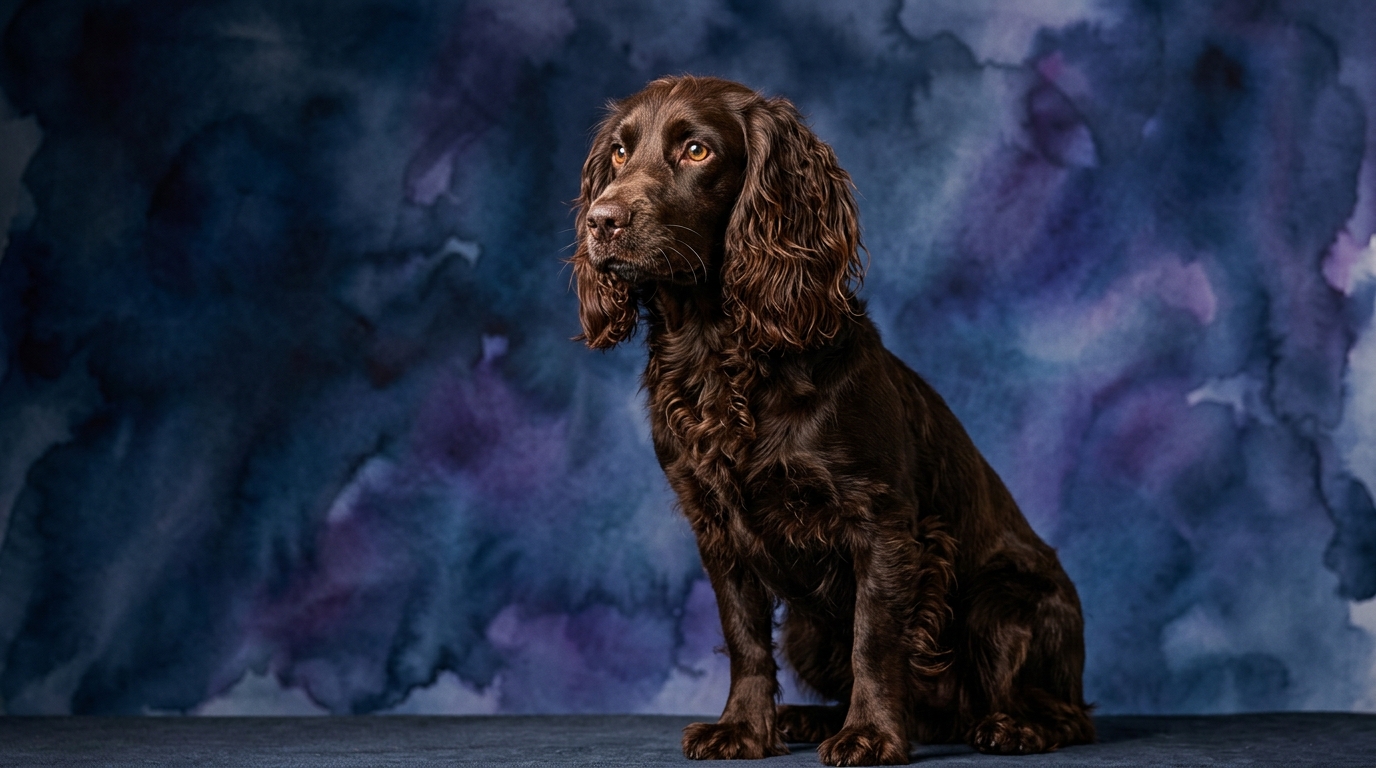
In contrast, the Boykin Spaniel, South Carolina's state dog, presents a 3/5 profile geared towards cooperative hunting and retrieving. Its 'Problem Solving' at 3/5 is exemplified by its ability to navigate dense cover to find downed game, track scents, or strategize retrievals from water, often requiring quick, on-the-spot decisions. 'Training Speed' at 3/5 means it is generally receptive to learning commands and eager to please its handler, though its enthusiastic prey drive can sometimes lead to distractions, necessitating consistent, engaging methods. 'Social Intelligence' at 3/5 shines in its cooperative working relationship with a hunter, reading subtle cues to operate as part of a team. Its 'Instinctive Drive' at 3/5 is a potent blend of retrieving, flushing, and an affinity for water. 'Memory' at 3/5 is crucial for marking the fall of birds, remembering complex commands, and recalling familiar hunting territories.
Where the Anatolian Shepherd Dog Wins Cognitively
The Anatolian Shepherd Dog excels in areas demanding independent judgment and unwavering vigilance, a direct reflection of its livestock guardian heritage. Its cognitive strength lies in its capacity for autonomous problem-solving related to protection; it can survey its environment, identify perceived threats, and respond decisively without waiting for human instruction. This breed's deep-seated instinctive drive for guarding gives it a unique cognitive advantage in threat assessment and deterrence, allowing it to maintain a watchful presence and react appropriately to perceived dangers. This independence, while challenging for strict obedience, defines its cognitive edge for its specialized role.
Where the Boykin Spaniel Wins Cognitively
The Boykin Spaniel's cognitive strengths are rooted in its cooperative nature and specialized sporting abilities. This breed demonstrates superior problem-solving when it comes to navigating complex terrain, scent-tracking, and retrieving game, often involving intricate spatial reasoning and quick adaptations. Its social intelligence is particularly refined for working in close concert with a human handler, understanding nuanced commands and anticipating next steps in a dynamic hunting scenario. The Boykin's intense instinctive drive for retrieving and its inherent enthusiasm for work translate into a cognitive profile that thrives on engagement and purposeful activity, making it exceptionally adept at tasks requiring focused attention and collaborative effort.
Which is Easier to Train and Why
Between these two breeds, the Boykin Spaniel is generally considered easier to train due to its inherent desire to please and cooperative working ethic. While both have a 3/5 training speed, the Boykin's 'eager to please' disposition means it typically responds more readily to positive reinforcement and seeks to understand human expectations, making it a more compliant student. Its strong social intelligence, geared towards handler interaction, facilitates communication. In contrast, the Anatolian Shepherd Dog's 3/5 training speed is tempered by its independent, self-reliant nature; it learns, but often questions commands, particularly if they conflict with its guardian instincts. Training an Anatolian requires more patience, consistency, and a deep understanding of its motivations, often feeling more like negotiation than simple instruction.
Which Suits Active Owners vs. Relaxed Owners
The Boykin Spaniel is ideally suited for active owners who can provide consistent outlets for its energetic sporting drives. These dogs require daily vigorous exercise, such as long runs, retrieving games, swimming, or participation in dog sports like agility or hunt tests, to satisfy their physical and mental needs. Their cooperative nature means they thrive when engaged in activities *with* their owners. Conversely, the Anatolian Shepherd Dog, while needing regular exercise, is not suited for owners seeking a running partner or constant playmate. Its activity is more about patrolling its territory and maintaining vigilance. For a 'relaxed' owner, the Anatolian's independent nature might seem less demanding in terms of constant interaction, but its need for a defined purpose, secure boundaries, and consistent, calm leadership is paramount, making it a poor fit for truly sedentary lifestyles. Owners must be 'active' in managing its environment and providing opportunities for its guardian instincts.
The Verdict
Opt for an Anatolian if you seek a vigilant, independent guardian for property or livestock, possess extensive dog experience, and can provide firm, consistent leadership within a secure environment. This breed thrives with owners who respect its autonomous nature and can channel its protective instincts responsibly.
Select a Boykin if you are an active individual or family seeking a devoted, energetic companion for outdoor adventures, especially hunting, retrieving, or water sports. This breed thrives on partnership, purposeful activity, and consistent, positive engagement.
🧠 Find Your Pet's IQ Score
Our Pet IQ Lab assessment covers 25+ tests across 5 cognitive dimensions — personalized to your breed.
Take the Full IQ Test →Frequently Asked Questions
Do Anatolian Shepherd Dogs make good family pets?
With proper socialization from a young age and experienced owners, Anatolian Shepherd Dogs can be loyal family members, but their guardian instincts mean they are naturally wary of strangers and require clear boundaries. They are best suited for families who understand their protective nature and can provide consistent leadership.
Are Boykin Spaniels good with children?
Yes, Boykin Spaniels are generally known for their affectionate and playful demeanor, making them good companions for active children. Their even temperament and desire for interaction often make them well-suited for family life, provided they receive sufficient exercise to manage their energy.
How much exercise does each breed need?
Boykin Spaniels require significant daily exercise, often 60-90 minutes of vigorous activity like running, swimming, or retrieving, to satisfy their sporting drives. Anatolian Shepherd Dogs need substantial space to patrol and regular, purposeful exercise, perhaps 45-60 minutes of walking or supervised yard time, but their activity is more about vigilance than constant high-intensity play.