Side-by-Side IQ Profile: Anatolian Shepherd Dog vs. Chesapeake Bay Retriever
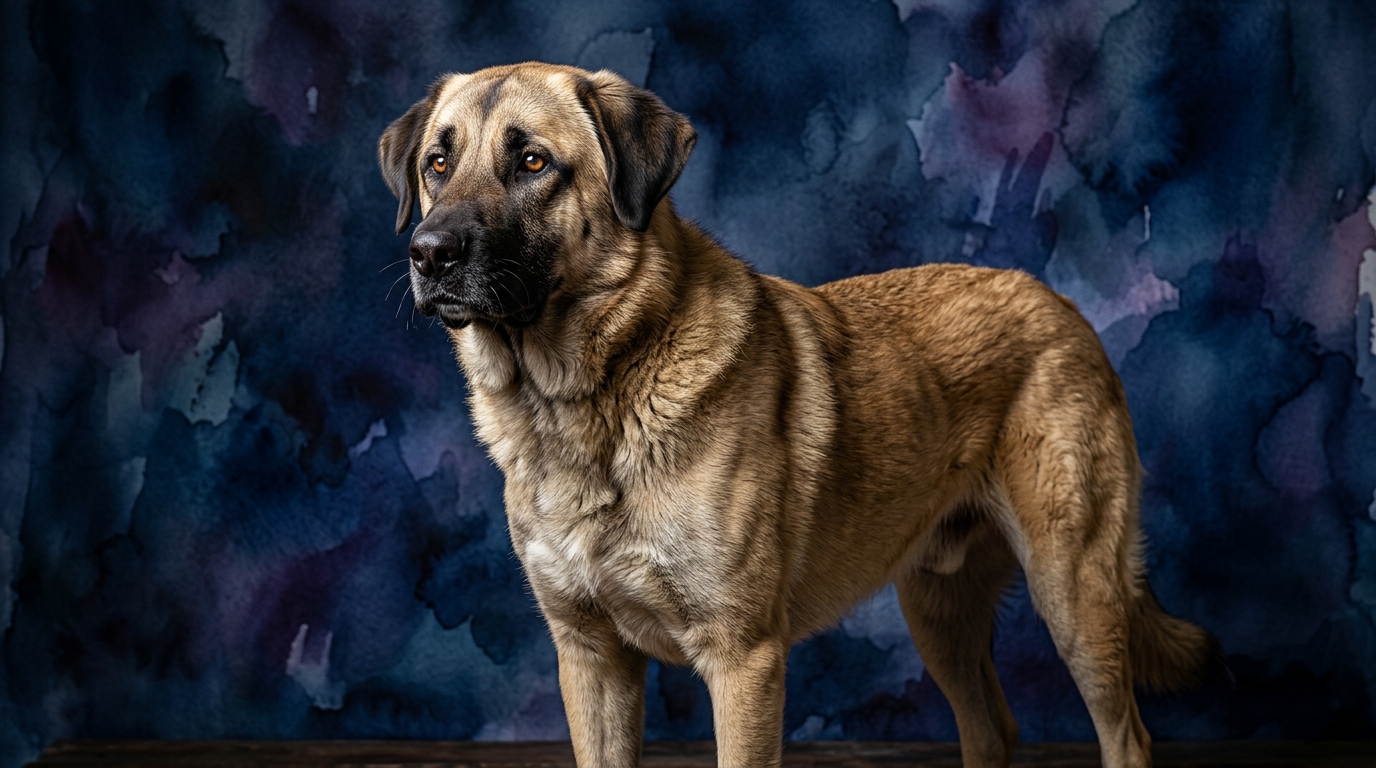
The Anatolian Shepherd Dog, an ancient livestock guardian, operates with a cognitive profile honed for autonomous decision-making and vigilance. Its Problem Solving is rated 3/5, indicating a capacity for independent thought but not necessarily for complex, novel puzzles presented by humans. Training Speed also sits at 3/5, suggesting a deliberate learning pace, where commands are absorbed steadily rather than rapidly. Social Intelligence is 3/5, reflecting an understanding of its immediate 'flock' (human or animal) and potential threats, but not necessarily a strong drive for collaborative human interaction in every task. Instinctive Drive is 3/5, singularly focused on its inherent guarding responsibilities. Finally, Memory is 3/5, sufficient for retaining the routines and boundaries essential to its protective role. This breed is not listed on the Coren ranking, a system that primarily assesses obedience and working intelligence.
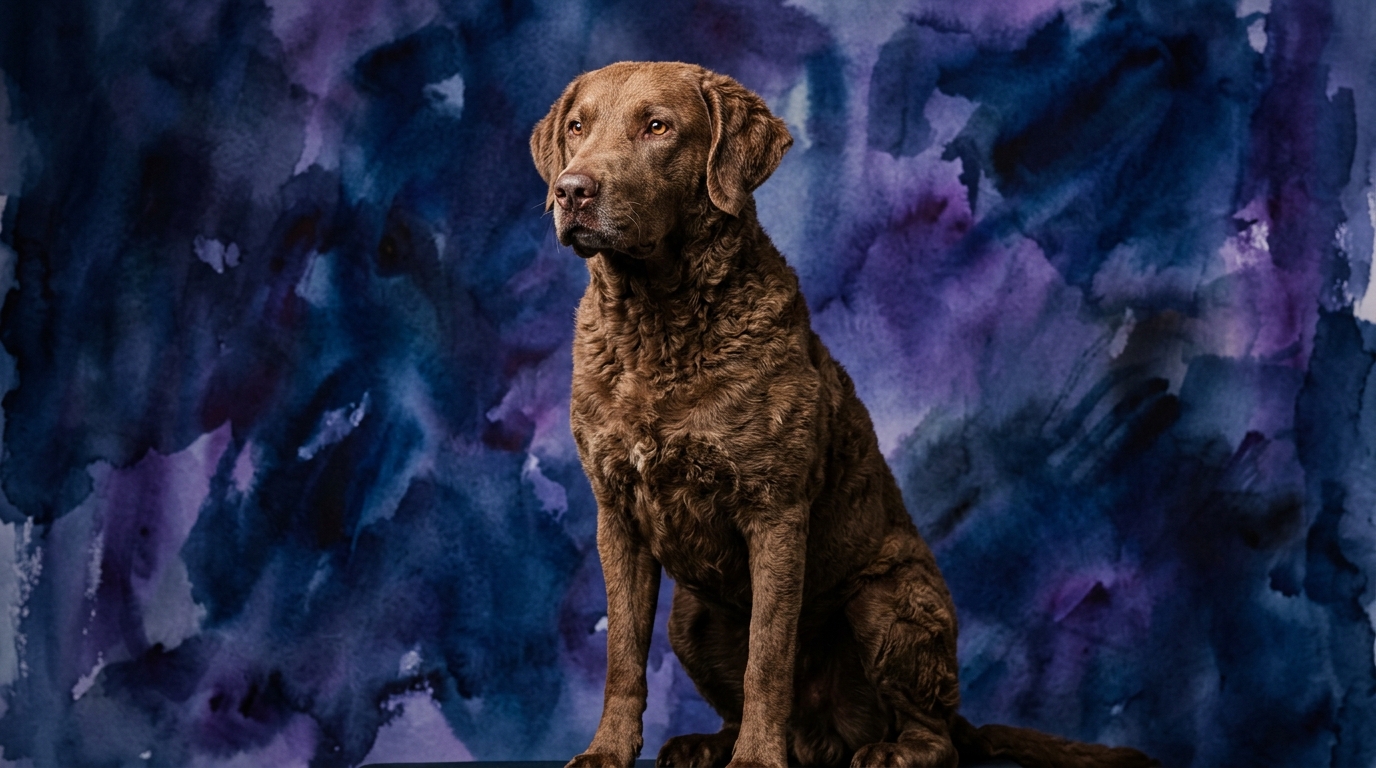
In contrast, the Chesapeake Bay Retriever, a dedicated waterfowl hunter, presents a cognitive makeup geared towards cooperative problem-solving and rapid learning. Its Problem Solving scores 4/5, indicating a stronger aptitude for figuring out solutions to complex tasks, often in collaboration with a handler. Training Speed is also 4/5, signifying a quicker grasp of new commands and sequences. Social Intelligence is 3/5, similar to the Anatolian, but expressed through a strong desire to work *with* its human partner, understanding cues and intentions within a task-oriented context. Instinctive Drive is 3/5, powerfully directed towards retrieving and water work. Memory is 4/5, demonstrating excellent retention of learned behaviors, marked locations, and intricate instructions, crucial for its demanding retrieving duties. This breed holds a respectable #27 rank on Dr. Stanley Coren's list, reflecting its proficiency in obedience and working intelligence.
Where the Anatolian Shepherd Dog Excels Cognitively
The Anatolian Shepherd Dog's cognitive strengths truly shine in its capacity for independent judgment and self-sufficiency, particularly within its guarding role. While its problem-solving score is 3/5, this reflects a style of cognition that doesn't rely on constant human direction. An Anatolian excels at observing its environment, assessing potential threats to its charges, and making autonomous decisions about how to respond, often without a command. For instance, it might independently decide to patrol a specific perimeter, position itself strategically to deter perceived dangers, or subtly guide livestock away from hazards based on its own assessment of the situation. This form of practical, observational problem-solving is invaluable for a guardian breed, distinguishing it from breeds that primarily solve problems when prompted by a handler. Their 3/5 social intelligence, while not geared towards eager cooperation on novel tasks, is acutely attuned to the safety and well-being of their perceived family or flock, leading to proactive, self-directed protection. Their memory, while rated 3/5, is perfectly suited for retaining the critical patterns of their territory, the individuals within their care, and the habits of potential intruders, allowing for consistent and reliable guardianship over extended periods without needing frequent refreshers on their core duties.
Where the Chesapeake Bay Retriever Excels Cognitively
The Chesapeake Bay Retriever demonstrates a distinct cognitive advantage in areas demanding collaborative work, rapid learning, and precise recall. With a Problem Solving score of 4/5, the Chessie shows a greater aptitude for tackling new challenges and figuring out solutions, especially when those solutions involve working in tandem with a human. This could manifest as navigating complex terrain to retrieve a fallen bird, understanding multi-step commands, or adapting quickly to changing conditions during a hunt. Their Training Speed of 4/5 is a clear differentiator; Chessies typically pick up new commands and routines with greater alacrity than Anatolians, making them quicker to advance through training levels and acquire a broad repertoire of behaviors. This rapid learning is synergized by their superior Memory, rated at 4/5. A Chessie can remember the precise location of multiple "falls" during a retrieve, recall intricate sequences of commands, and retain learned skills over long periods without significant decay. While their social intelligence is also 3/5, it's channeled into a strong desire to please and cooperate with their handler, making them highly responsive to human cues and eager to engage in directed tasks. This combination of quick learning, strong retention, and cooperative problem-solving makes the Chesapeake Bay Retriever exceptionally proficient in demanding working environments where precision and responsiveness are paramount.
Training Dynamics: Which Breed is Easier to Train?
When considering ease of training for a typical owner, the Chesapeake Bay Retriever generally presents a more straightforward experience. Their Training Speed is rated at 4/5, indicating a natural inclination to absorb new commands and behaviors quickly. Chessies possess a strong desire to work alongside their human companions, a facet of their 3/5 social intelligence that translates into biddability and enthusiasm for directed tasks. They enjoy the process of learning and aim to please, often showing eagerness to repeat successful actions. Their superior memory (4/5) further enhances trainability, as they retain learned skills and complex sequences with greater fidelity, requiring fewer repetitions and less frequent refreshers.
The Anatolian Shepherd Dog, with a Training Speed of 3/5, requires a different approach to training and can be perceived as more challenging by those accustomed to biddable breeds. Their inherent independence and guarding instincts mean they are less inclined to follow commands purely for the sake of pleasing a human. An Anatolian might question the necessity of a command, especially if it doesn't align with their perceived duty or makes logical sense to them. Their 3/5 social intelligence is more about understanding their 'flock' and threats than about seeking constant direction from a handler. Training an Anatolian demands immense patience, unwavering consistency, and a deep understanding of their motivations. Owners must establish themselves as calm, confident leaders, using positive reinforcement and ensuring commands are clear and purposeful. They learn steadily, but it's a process of building trust and respect, not just rote memorization, making the journey longer and requiring more nuanced handling.
Matching Breeds to Owner Lifestyles: Active vs. Relaxed
The choice between an Anatolian Shepherd Dog and a Chesapeake Bay Retriever hinges significantly on an owner's lifestyle and activity levels. The Chesapeake Bay Retriever is unequivocally suited for active owners. This breed possesses a powerful instinctive drive (3/5) geared towards high-energy activities like retrieving, swimming, and extensive outdoor exploration. They require substantial daily physical exercise, often several hours of vigorous activity, to remain mentally and physically content. Their cognitive profile, with a 4/5 for problem-solving and training speed, means they also thrive on structured mental stimulation, such as advanced obedience, agility, or scent work. A Chessie needs a job and a partner willing to engage them in demanding activities; a relaxed owner who cannot provide this level of engagement will likely find themselves with a bored, potentially destructive, and restless companion.
The Anatolian Shepherd Dog, while a large and powerful breed, suits a different kind of "active" owner. They are not typically suited for high-intensity, structured sports like agility or continuous retrieving. Their activity needs are more about consistent, purposeful exercise and ample space to patrol and observe. An Anatolian needs a large, securely fenced yard or property where they can fulfill their natural guarding instincts. While they don't require constant, vigorous exercise like a Chessie, they do need regular walks and mental engagement that stimulates their independent problem-solving and observational skills. A "relaxed" owner in the sense of someone seeking a sedentary companion is not a good fit, as the Anatolian requires an owner who is actively engaged in thoughtful management, consistent leadership, and understanding their breed-specific needs for purpose and space. They need an owner who is active in providing mental stimulation through managing their environment and allowing them to "work" as guardians, rather than just physical exercise.
The Verdict
Choose the Anatolian Shepherd Dog if you seek an independent, self-sufficient guardian capable of making autonomous decisions to protect its family and property, and you are prepared for a deliberate training approach.
Opt for the Chesapeake Bay Retriever if you desire an energetic, highly trainable, and collaborative partner for demanding outdoor activities and enjoy engaging in structured training.
🧠 Find Your Pet's IQ Score
Our Pet IQ Lab assessment covers 25+ tests across 5 cognitive dimensions — personalized to your breed.
Take the Full IQ Test →Frequently Asked Questions
Do Anatolian Shepherds respond well to obedience training?
Anatolian Shepherds can be trained in obedience, but their independent nature and moderate training speed mean it requires significant patience and consistency, focusing on understanding their motivation rather than pure compliance. They learn steadily, but often need to understand the 'why' behind a command.
What kind of mental exercise does a Chesapeake Bay Retriever need?
Chesapeake Bay Retrievers thrive on mental exercise that involves problem-solving, complex retrieving tasks, advanced obedience, and learning new skills, all of which engage their quick learning and strong memory. Activities like scent work, puzzle toys, and new trick training are excellent for their minds.
Is the Coren ranking relevant for comparing these breeds?
The Coren ranking primarily assesses "obedience/working intelligence," which favors breeds like the Chesapeake Bay Retriever that excel at learning and executing human commands quickly. The Anatolian Shepherd's independent guarding intelligence, focused on autonomous decision-making rather than human-directed compliance, isn't directly measured by this specific metric.