Side-by-Side Cognitive Profiles
At The Cosmic Pet Pet IQ Lab, we evaluate canine intelligence across five key dimensions. Interestingly, both the Anatolian Shepherd Dog and the Chow Chow scored identically across the board, each earning a 3 out of 5 in Problem Solving, Training Speed, Social Intelligence, Instinctive Drive, and Memory. While the numerical scores are the same, the *manifestation* of these cognitive abilities in each breed is distinct, deeply rooted in their historical purposes and inherent temperaments.
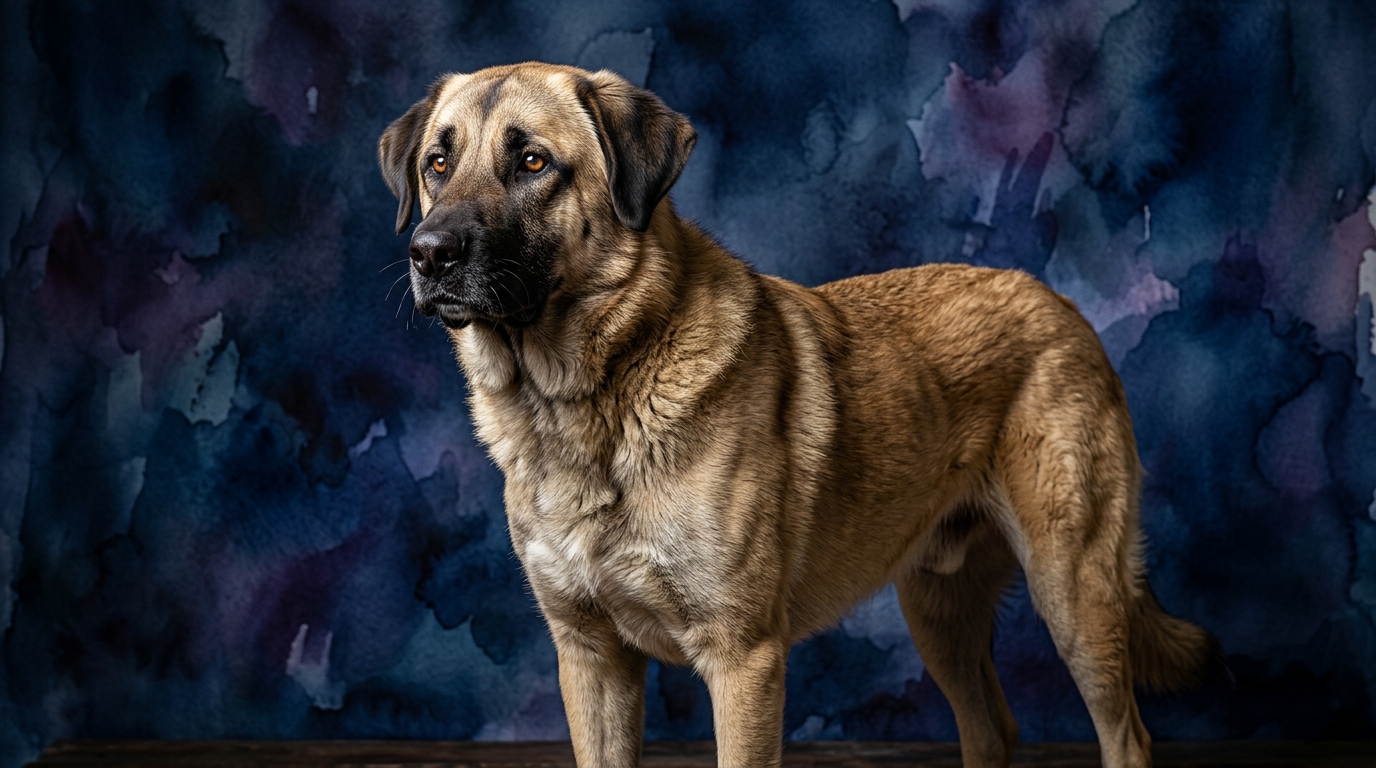
The **Anatolian Shepherd Dog**, a formidable Working group breed, exhibits its Problem Solving (3/5) primarily through strategic decision-making in protecting livestock or family; they assess environmental cues and potential threats with calculated independence. Their Training Speed (3/5) reflects their capacity to learn, but their independent nature means they often evaluate commands based on perceived utility rather than blind obedience, requiring consistent, purpose-driven instruction. Social Intelligence (3/5) in an Anatolian is characterized by keen observation of their family unit and discernment towards strangers, reading intentions with a guardian's vigilance. Their Instinctive Drive (3/5) is a powerful, intrinsic motivation for territoriality and the protection of their charges, informing much of their behavior. Memory (3/5) enables them to retain experiences, particularly those relevant to their perceived duties and social interactions within their established territory.
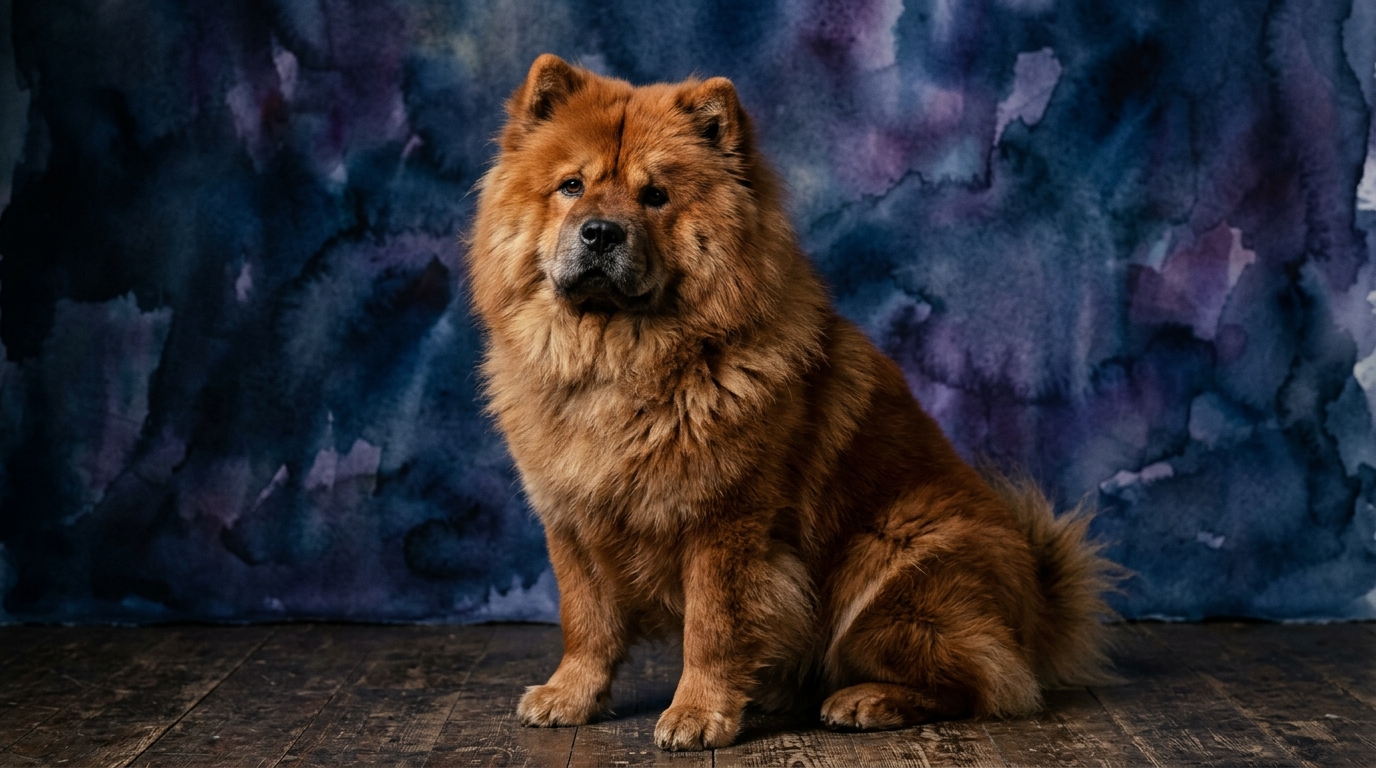
The **Chow Chow**, a distinctive Non-Sporting breed ranked #76 by Coren for obedience intelligence, expresses its Problem Solving (3/5) through a more self-serving lens, often figuring out how to achieve its own desires, such as navigating obstacles for a preferred resting spot or subtly influencing situations to its advantage. Their Training Speed (3/5) indicates they are capable learners, but their renowned independence and often aloof nature necessitate immense patience, consistent positive reinforcement, and finding what truly motivates them. A Chow's Social Intelligence (3/5) is expressed as a highly discerning nature; they are not overtly social with strangers but form deep, if reserved, bonds with their chosen human family, subtly reading their moods. Their Instinctive Drive (3/5) involves a strong, ancient guarding instinct, territoriality, and a profound sense of self-importance that dictates their interactions and personal space. Memory (3/5) is evident in their excellent recall for routines, preferred people, and locations, which supports their independent and consistent lifestyle.
Where the Anatolian Shepherd Dog Excels Cognitively
Despite identical scores, the Anatolian Shepherd Dog's cognitive strengths truly shine in scenarios demanding autonomous decision-making and vigilance in protection. Its 3/5 Problem Solving and Instinctive Drive are synergistically expressed when faced with a perceived threat to its charges or territory. Unlike many breeds that defer to human command, an Anatolian is bred to make independent, strategic choices in the absence of human direction, assessing a situation and acting decisively. This isn't about performing tricks, but about critical, real-time evaluation of environmental dynamics and taking appropriate action to safeguard its flock or family. Its 3/5 Social Intelligence is acutely tuned to identifying subtle changes in its environment or the demeanor of strangers, making it an exceptional, self-reliant guardian.
For instance, imagine an Anatolian Shepherd Dog alone with its flock. Its 3/5 Problem Solving allows it to analyze the approach of a potential predator, weighing factors like distance, speed, and intent, then deciding the optimal course of action—whether to stand its ground, herd the flock, or issue a warning. This complex, independent assessment, driven by its 3/5 Instinctive Drive, is a profound cognitive advantage in its designated role. Its 3/5 Memory helps it recall past encounters and refine its protective strategies, demonstrating a practical, applied form of intelligence that is invaluable in its working context.
Where the Chow Chow Excels Cognitively
The Chow Chow's cognitive advantages, while also rated 3/5, manifest differently, favoring a discerning independence and a unique form of self-sufficiency within a domestic environment. Its 3/5 Problem Solving often translates into an astute ability to navigate human spaces and routines on its own terms, finding clever ways to achieve comfort or avoid unwanted interactions. This isn't about complex commands, but about subtle manipulation of its environment or its human companions to suit its preferences. The Chow's 3/5 Social Intelligence is particularly refined in its selective bonding, allowing it to form deep, intuitive connections with its chosen inner circle while maintaining a reserved, almost regal, distance from others. This discernment is a cognitive strength, enabling it to conserve energy and emotional investment for those it truly trusts.
Consider a Chow Chow's ability to communicate its needs or desires with minimal fuss. Rather than overt displays, its 3/5 Problem Solving and Social Intelligence allow it to subtly guide its owner towards a desired outcome—perhaps by strategically placing itself near a door or gazing intently at a treat jar, knowing its human will eventually deduce its intent. This breed's capacity for quiet self-entertainment and contentment in its own company, a reflection of its independent problem-solving, makes it uniquely suited for owners who appreciate a companion that doesn't demand constant engagement. Its 3/5 Memory ensures it adheres to established routines and remembers what works to its advantage, reinforcing its independent lifestyle.
Training Aptitude: Patience is Key for Both
When it comes to ease of training, both the Anatolian Shepherd Dog and the Chow Chow present unique challenges, despite their identical 3/5 Training Speed scores. Neither breed is typically described as 'eager to please' in the conventional sense, meaning they aren't easily motivated by simple praise or a desire for human approval alone. Their independence is a significant factor in their training journeys.
The Anatolian Shepherd Dog's independence stems from its historical role as a guardian, bred to make decisions without human directives. Training an Anatolian requires building a strong foundation of trust and respect, demonstrating *why* a command is relevant to its safety, its duties, or the well-being of its family. They respond best to a confident, consistent leader who can communicate the purpose behind the training, appealing to their inherent problem-solving (3/5) and instinctive drive (3/5) rather than rote obedience. Harsh methods are counterproductive and can damage their trust. Their 3/5 Training Speed means they are capable of learning, but the learning process must be logical and purpose-driven from their perspective.
The Chow Chow's independence is rooted in its ancient, self-sufficient nature, often described as 'cat-like' in its aloofness. They are less interested in pleasing their human and more focused on doing what benefits them. Training a Chow Chow demands immense patience, unwavering consistency, and discovering what truly motivates *them*—be it a specific high-value treat, a favorite toy, or a desired activity. Their 3/5 Social Intelligence means they are discerning, not necessarily compliant. Positive reinforcement is paramount, and attempts to force compliance will likely result in stubborn resistance. The Chow Chow's Coren ranking at #76 places it in the 'fair working/obedience intelligence' category, which aligns with our 3/5 'Training Speed' score, indicating they are capable learners but often require more repetitions and specific motivation than breeds higher on the Coren scale. For both breeds, understanding their individual motivations and respecting their independent natures are far more effective than traditional drill-based training.
Matching Breeds to Lifestyles: Active vs. Relaxed Owners
Understanding the inherent drives and cognitive profiles of these breeds is crucial when considering which might best suit an owner's lifestyle, particularly concerning activity levels. The terms 'active' and 'relaxed' here extend beyond just physical exercise to encompass mental engagement and the overall dynamic of the owner-dog relationship.
The **Anatolian Shepherd Dog** typically suits owners who are 'active' in a broader sense—those who can provide ample space, a sense of purpose, and consistent mental stimulation. While not necessarily requiring marathon runs, they need a job, even if it's patrolling a large yard or being a vigilant family guardian. Their 3/5 Instinctive Drive demands an outlet, and without appropriate engagement, their independent problem-solving (3/5) can lead to undesirable behaviors. They thrive with owners who are confident, consistent leaders and who understand the nuances of managing a powerful, independent working breed. An 'active' owner for an Anatolian is one who actively engages with their dog's protective instincts in a controlled, appropriate manner and provides ongoing training and socialization.
The **Chow Chow** can be more suited to 'relaxed' owners in terms of raw physical activity, as they are not high-energy dogs and are often content with moderate walks and quiet companionship. However, 'relaxed' does not equate to 'hands-off.' These dogs still require consistent mental stimulation, early and ongoing socialization, and clear boundaries. Their 3/5 Problem Solving and independent nature mean they will fill a vacuum of leadership if not given structure, potentially leading to stubbornness or territorial issues. A 'relaxed' owner for a Chow is one who appreciates a discerning, self-sufficient companion, is prepared for patient and consistent training, and can provide a calm, structured environment without demanding constant overt affection or high-intensity activity. They value mental engagement over physical exertion, but still require dedication.
The Verdict
Choose an Anatolian Shepherd Dog if you seek an independent, vigilant guardian capable of autonomous decision-making in protection, possess a confident leadership style, and can provide ample space and a sense of purpose aligned with their working heritage.
Choose a Chow Chow if you appreciate a discerning, self-sufficient companion who forms deep but reserved bonds, value a less physically demanding breed with strong territorial instincts, and are prepared for patient, consistent training that respects their unique independence.
🧠 Find Your Pet's IQ Score
Our Pet IQ Lab assessment covers 25+ tests across 5 cognitive dimensions — personalized to your breed.
Take the Full IQ Test →Frequently Asked Questions
Are Anatolian Shepherd Dogs good family dogs?
Yes, Anatolian Shepherd Dogs can be devoted family members, forming strong protective bonds with their immediate household. However, their guardian instincts mean they require early, extensive socialization and careful management around strangers and children to ensure appropriate behavior and prevent misunderstandings.
Do Chow Chows get along with other pets?
Chow Chows can be challenging with other pets due to their strong prey drive, territorial nature, and often dominant personalities. While some can coexist peacefully with careful, early socialization, they often do best as the only pet or with very careful, supervised introductions to other animals.
What is the biggest training challenge for a Chow Chow?
The biggest training challenge for a Chow Chow is their inherent independence and often stubborn nature; they are not inherently eager to please and will often choose to comply only if they perceive a benefit to themselves. This requires immense patience, consistent positive reinforcement, and finding high-value motivators to encourage cooperation.