Side-by-Side IQ Profile: Guardianship vs. Pursuit
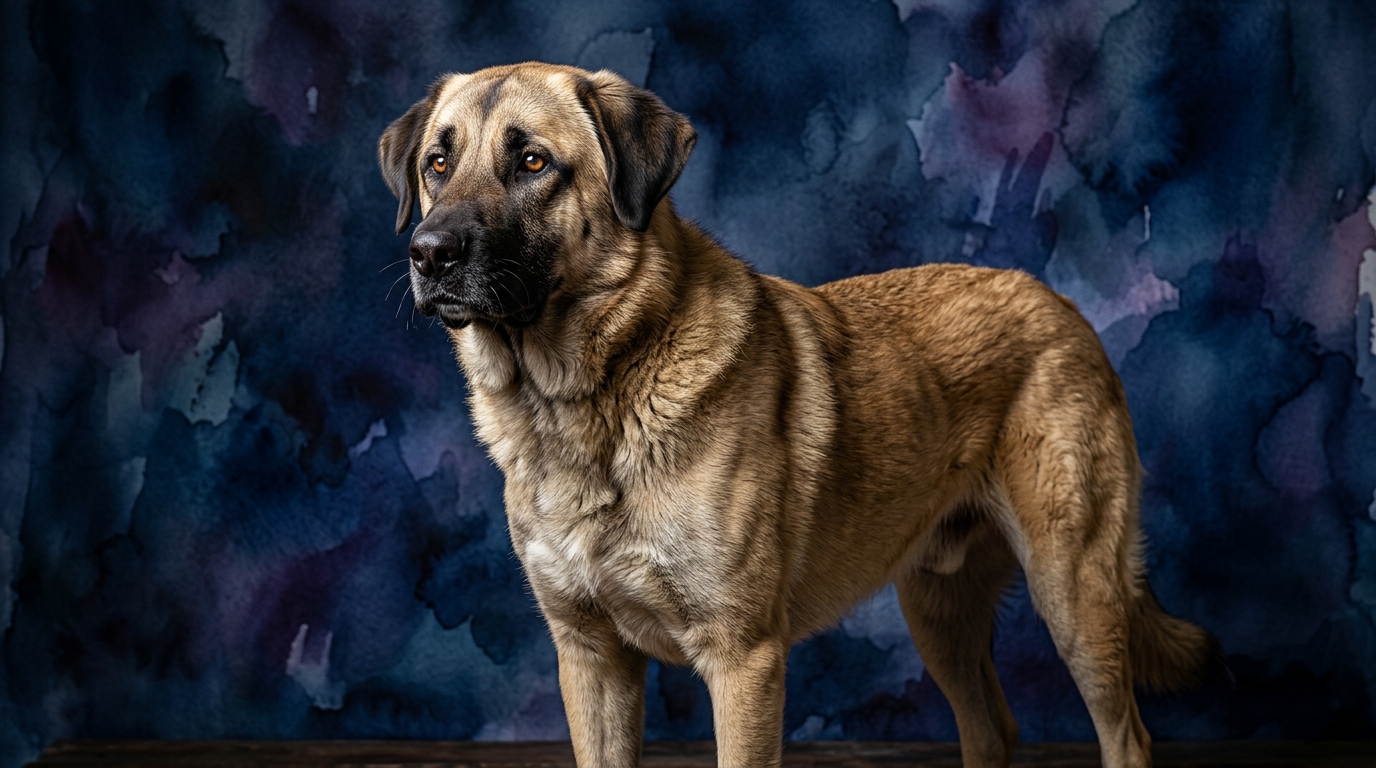
The Cosmic Pet Pet IQ Lab assigns both the Anatolian Shepherd Dog and the English Foxhound a consistent 3/5 across all five cognitive dimensions: problem-solving, training speed, social intelligence, instinctive drive, and memory. While the scores are identical, the interpretation of these dimensions within each breed's historical context highlights their divergent cognitive strengths. For the Anatolian Shepherd Dog, a breed steeped in millennia of livestock protection, a 3/5 in problem-solving reflects its capacity for independent judgment in assessing threats and making autonomous decisions to protect its flock without direct human command. Its 3/5 training speed acknowledges its ability to learn but often with a self-assured independence that requires patient, consistent guidance. Social intelligence at 3/5 speaks to its discerning nature, forming deep bonds with its charges and family, while remaining reserved with strangers. Its instinctive drive of 3/5 is undeniably rooted in territoriality and protection. Finally, a 3/5 memory supports its ability to recall boundaries, routines, and past threats within its domain.
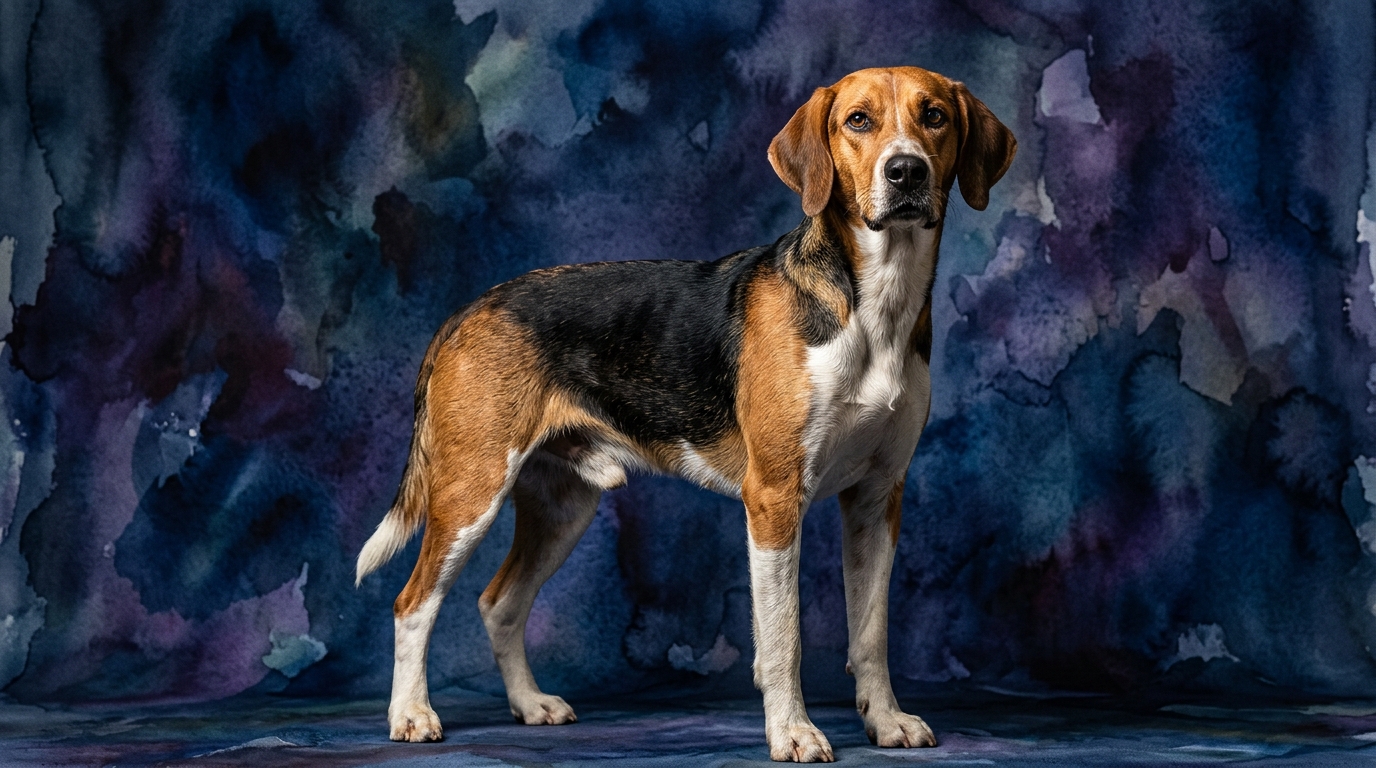
In contrast, the English Foxhound, a breed meticulously developed for the pursuit of game over vast distances, interprets these same scores through a different lens. Its 3/5 in problem-solving manifests in its ability to follow complex scent trails, navigate diverse terrains, and work cooperatively within a pack to achieve a shared goal. The 3/5 training speed reflects a hound's capacity to learn commands, though often challenged by a powerful, distracting scent drive that demands engaging, consistent methods. Social intelligence at 3/5 highlights its strong pack mentality, fostering cooperative behaviors with other dogs and generally exhibiting a friendly disposition towards people. Its instinctive drive of 3/5 is a testament to its relentless prey drive and exceptional olfactory capabilities, propelling it to pursue a scent with unwavering focus. A 3/5 memory is crucial for remembering complex trails, commands, and the dynamics of its pack.
Where the Anatolian Shepherd Dog Excels Cognitively
The Anatolian Shepherd Dog's cognitive strengths are profoundly tied to its role as an autonomous guardian. Its problem-solving at a 3/5 level shines brightest in situations demanding independent threat assessment and strategic decision-making in real-time. Unlike breeds that might wait for a command, the Anatolian Shepherd Dog excels at evaluating potential dangers to its charges and formulating a response on its own, whether it's positioning itself to deter a predator or subtly guiding livestock away from harm. This isn't about solving a puzzle for a treat; it's about dynamic, proactive defense. Their social intelligence, also 3/5, is particularly acute in discerning friend from foe, exhibiting a nuanced understanding of intent and behavior in both humans and animals. This discernment is critical for a guardian, allowing them to form deep, protective bonds with their family or flock while maintaining a watchful, often aloof, posture towards anything perceived as a potential threat. Their memory, a 3/5, is geared towards retaining information about their territory, the habits of their charges, and the patterns of their environment, enabling them to anticipate and respond effectively to recurring situations or changes within their domain.
Where the English Foxhound Excels Cognitively
The English Foxhound's cognitive prowess, also rated at 3/5 across the board, is uniquely tailored for sustained, cooperative pursuit. Its problem-solving capabilities truly stand out in the intricate task of scent tracking. This involves not just following a single trail, but interpreting complex olfactory information, differentiating between stale and fresh scents, and navigating challenging landscapes while maintaining focus on a specific target. This is a form of environmental problem-solving that requires immense concentration and an ability to process sensory data continuously. Their social intelligence, also 3/5, is a hallmark of their pack heritage, manifesting in seamless cooperation and communication with other hounds during a hunt. This isn't just about getting along; it's about synchronized effort, understanding the roles of other pack members, and contributing to a collective goal. Their instinctive drive, rated 3/5, is arguably their defining cognitive trait, demonstrating an unparalleled capacity for sustained focus on a sensory input (scent) even amidst significant distractions, coupled with the endurance to follow that drive over long distances. This unwavering dedication to a task, driven by instinct, is a distinct cognitive advantage for their historical purpose.
Training: Independence vs. Instinct
When it comes to ease of training, both breeds present unique challenges that stem from their core behavioral differences, despite their identical 3/5 training speed rating. The Anatolian Shepherd Dog's independence, a direct result of its historical role requiring autonomous decision-making, means it is not inherently eager to please in the way many other breeds are. Training an Anatolian requires immense patience, consistency, and a profound understanding of their self-reliant nature. They respond best to clear, firm, and fair leadership, and positive reinforcement that acknowledges their choices rather than demanding blind obedience. Their training often focuses on channeling their protective instincts appropriately rather than suppressing them. For instance, teaching a 'leave it' command isn't just about stopping an action, but about convincing a dog whose instinct is to deter threats that *you* have the situation under control.
The English Foxhound, while equally rated 3/5 in training speed, presents a different hurdle: its potent instinctive drive for scent. While they can learn commands and are generally good-natured, their nose can override all other stimuli. Effective training for a Foxhound involves managing this powerful drive. Recall, for instance, can be particularly challenging outdoors if they catch an enticing scent. Training must be highly engaging, use high-value rewards, and often incorporate scent work to satisfy their innate urges. Their pack mentality can make them responsive to a clear leader, but that leadership must be compelling enough to compete with the allure of a fresh trail. Therefore, neither breed is 'easy' to train in the traditional sense, but the Foxhound might be perceived as more amenable to obedience commands *if* its scent drive is effectively managed, whereas the Anatolian's training requires respecting its inherent independence and trusting its judgment within established boundaries.
Lifestyle Suitability: Dedicated Guardians vs. Energetic Explorers
The cognitive profiles of these two breeds dictate vastly different ideal living situations. The Anatolian Shepherd Dog, with its strong problem-solving in threat assessment and deep social intelligence towards its family/flock, thrives in an environment where it has a 'job' and ample space to patrol. This doesn't necessarily mean guarding livestock; it can translate to overseeing a large property, acting as a steadfast family protector, and being a constant, calm presence. They are not content with small urban spaces or being solely indoor companions; their mental and physical needs require a territory to monitor and defend. Owners must be prepared to provide consistent, calm leadership and understand that their dog’s seemingly aloof nature is often a manifestation of their watchful, independent disposition. They are generally relaxed indoors once their territory is secure and they are integrated into the family, but their minds are always 'on' for potential threats.
Conversely, the English Foxhound, with its intense instinctive drive and problem-solving geared towards pursuit, is unequivocally suited for active owners. This breed demands significant daily exercise, ideally in large, secure areas where they can run freely and engage their powerful nose. A bored Foxhound is prone to destructive behaviors, excessive barking, or attempting to escape to follow a scent. They are excellent companions for runners, hikers, or those involved in scent work or dog sports. Their social intelligence and pack nature mean they generally enjoy company, both canine and human, and thrive on shared activities. A relaxed owner who cannot commit to rigorous daily activity and mental stimulation will find themselves overwhelmed by a Foxhound's boundless energy and unwavering drive to explore the world through scent.
The Verdict
Choose an Anatolian Shepherd Dog if you seek an independent, steadfast guardian for your property or family, appreciating a dog that thinks for itself and operates with calm vigilance in a spacious environment.
Opt for an English Foxhound if you are an active individual or family who enjoys extensive outdoor adventures and can provide consistent training to channel a powerful scent drive into engaging activities.
🧠 Find Your Pet's IQ Score
Our Pet IQ Lab assessment covers 25+ tests across 5 cognitive dimensions — personalized to your breed.
Take the Full IQ Test →Frequently Asked Questions
Do Anatolian Shepherd Dogs bark a lot due to their guarding instincts?
Anatolian Shepherd Dogs do use barking as part of their guarding repertoire, especially to alert or deter perceived threats. While they can be quiet indoors, their vigilance means they will vocalize to communicate warnings or changes in their environment, requiring owners to manage this behavior.
Are English Foxhounds good with children and other pets?
English Foxhounds, with their strong social intelligence and pack mentality, are generally friendly and can be good with children and other dogs when properly socialized. However, their strong prey drive means careful introductions and supervision are necessary with smaller pets like cats or rabbits.
Can an Anatolian Shepherd Dog live in a suburban home?
While adaptable, an Anatolian Shepherd Dog's preference for space and a 'job' makes a suburban home challenging. They require a securely fenced yard, extensive socialization, and an owner committed to channeling their protective instincts appropriately to thrive in a less rural setting.