
Side-by-Side Cognitive Profiles: Guardians vs. Barking Bird Dogs
The Cosmic Pet Pet IQ Lab employs a five-dimensional framework to assess canine cognition, providing a nuanced understanding beyond simple obedience. For both the Anatolian Shepherd Dog and the Finnish Spitz, their profiles register a consistent 3/5 across all categories: Problem Solving, Training Speed, Social Intelligence, Instinctive Drive, and Memory. While these numerical scores are identical, the *manifestation* and *application* of these cognitive strengths are profoundly shaped by their breed histories and primary purposes.
The Anatolian Shepherd Dog, a livestock guardian originating from Turkey, showcases its 3/5 Problem Solving by independently assessing environmental threats and formulating defensive strategies for its flock. Its 3/5 Training Speed reflects an ability to learn, but often with a deep-seated independent streak that prioritizes its primary directive over rote commands. Social Intelligence at 3/5 is geared towards understanding the complex dynamics within a flock and subtle cues from potential predators, rather than intricate human social games. Its 3/5 Instinctive Drive is a powerful, unwavering commitment to protection and vigilance, while a 3/5 Memory allows it to recall vast territories, past threats, and the routines of its charges.
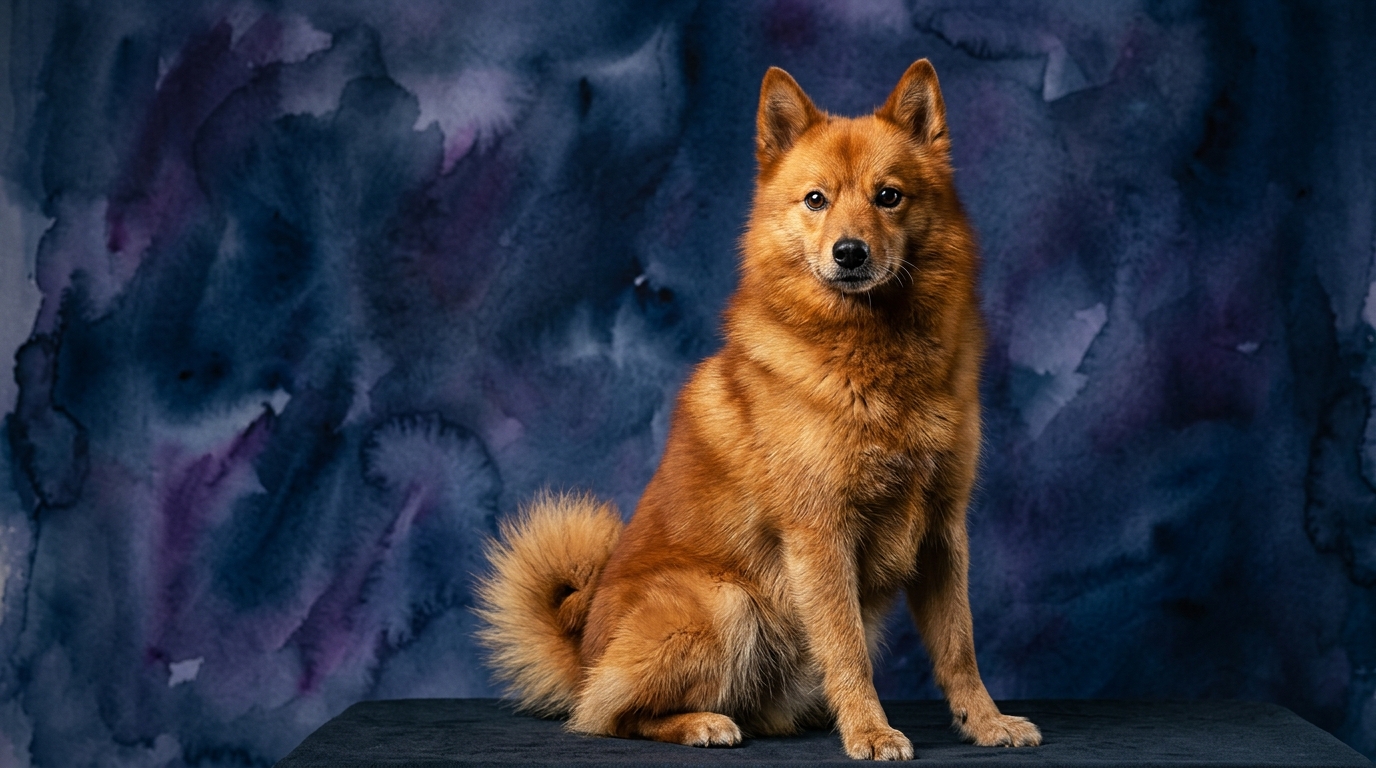
Conversely, the Finnish Spitz, a national dog of Finland bred for hunting small game and birds, applies its 3/5 Problem Solving to locating elusive prey, navigating dense forests, and effectively communicating its findings through vocalizations. Its 3/5 Training Speed indicates an aptitude for learning specific hunting commands and tasks, though its natural exuberance and prey drive can be a focus challenge. Social Intelligence, also at 3/5, shines in its cooperative partnership with a hunter, requiring a keen understanding of handler cues and an ability to communicate its discoveries. The 3/5 Instinctive Drive is powerfully expressed through its signature sustained barking (known as 'barking to point') and relentless tracking, while its 3/5 Memory aids in recalling hunting grounds, successful strategies, and specific handler signals.
Where the Anatolian Shepherd Dog's Cognition Shines
Although both breeds share identical 3/5 scores, the Anatolian Shepherd Dog's cognitive strengths are particularly pronounced in scenarios demanding autonomous, strategic decision-making and profound environmental awareness. Its 3/5 Problem Solving is not about solving puzzles for human entertainment, but about real-world, high-stakes scenarios where it must independently weigh risks, identify threats, and implement protective measures without direct human intervention. This cognitive independence, honed over centuries of guarding livestock in often solitary conditions, means it excels at assessing complex situations in its charge's environment and acting decisively.
The Anatolian's 3/5 Social Intelligence, while not always expressed through effusive human interaction, is deeply sophisticated in its understanding of group dynamics—be it a flock of sheep, a family, or the subtle intentions of strangers. It discerns friend from foe, intent from casual presence, and maintains a vigilant watch over its perceived territory and inhabitants. Furthermore, its 3/5 Memory is particularly adept at recalling the nuances of its expansive territory, remembering past encounters, and recognizing patterns in potential threats, contributing to its unwavering reliability as a guardian. This breed's cognitive architecture is built for self-reliance and protective oversight on a grand scale.
Where the Finnish Spitz's Cognition Excels
The Finnish Spitz, with its identical 3/5 cognitive profile, demonstrates its unique strengths in areas requiring focused persistence, highly developed sensory perception, and precise communication. Its 3/5 Problem Solving capability is channeled into the intricate task of locating hidden game, often using its keen sense of smell and hearing to pinpoint prey, then employing strategic movement and vocalizations to hold the animal's attention for the hunter. This involves a rapid assessment of environmental cues and a targeted, sustained effort to achieve its objective.
The breed's 3/5 Instinctive Drive is an undeniable cognitive highlight, manifested as an almost insatiable desire to bark at game. This isn't just noise; it's a sophisticated form of communication, a 'barking to point' that guides the hunter. This drive requires significant cognitive control to maintain a specific pitch and rhythm, and to sustain it for extended periods. Its 3/5 Social Intelligence is finely tuned to its partnership with a hunter, interpreting subtle body language and vocal cues, and responding with its own precise signals. The Finnish Spitz's memory (3/5) is particularly sharp for recalling successful hunting patterns, familiar forest paths, and the specific commands associated with its hunting tasks, making it an exceptionally effective and engaging hunting partner.
Which is Easier to Train and Why: Independence vs. Instinct
When considering ease of training, both breeds present distinct challenges that stem from their natural inclinations, despite their identical 3/5 Training Speed scores. The Anatolian Shepherd Dog's 3/5 Training Speed is often perceived as a challenge due to its inherent independence. Bred to make autonomous decisions in the absence of a human shepherd, these dogs frequently weigh commands against their own judgment of what is necessary or beneficial for their guarding role. They learn quickly when they understand the *purpose* behind a command, especially if it aligns with their protective instincts, but can appear 'stubborn' when asked to perform repetitive or seemingly pointless tasks. Training requires consistency, patience, and establishing a relationship built on mutual respect and clear boundaries, rather than absolute dominance.
The Finnish Spitz, also with a 3/5 Training Speed, offers a different set of training considerations. Their high 3/5 Instinctive Drive, particularly their strong prey drive and vocal nature, means they can be easily distracted by environmental stimuli. While eager to please their human companions, especially within the context of activities they enjoy, managing their enthusiastic barking and natural hunting focus requires dedicated effort. They respond well to positive reinforcement and engaging, varied training sessions that tap into their natural curiosity and energy. However, owners must be prepared to consistently manage their vocalizations and provide appropriate outlets for their hunting instincts, as these are not easily suppressed.
Suitability for Active vs. Relaxed Owners
Matching a dog's needs to an owner's lifestyle is paramount, and these two breeds cater to very different types of companionship, despite their similar cognitive ratings. The Anatolian Shepherd Dog is best suited for owners who understand and respect its need for purpose and space, rather than simply 'relaxed' owners. While not requiring constant, high-intensity exercise in the same way a retriever might, they thrive on having a job, even if that job is simply overseeing their family and property. They need ample secure outdoor space to patrol and observe, and consistent mental engagement related to their guarding instincts. A truly 'relaxed' owner who cannot provide a clear sense of purpose or fails to establish firm leadership may find the Anatolian's independent decision-making challenging to manage. They are ideal for owners who appreciate a vigilant, quiet presence and can provide structured, purposeful activity.
The Finnish Spitz, conversely, is unequivocally a breed for active owners. Their heritage as agile, vocal hunters means they possess a significant energy reserve and a profound need for regular physical and mental stimulation. Daily opportunities for vigorous exercise, such as long walks, hikes, or engaging in dog sports, are crucial. Their strong hunting drive and tendency to bark also necessitate an owner who is prepared to manage these behaviors proactively and provide appropriate outlets. A 'relaxed' owner who prefers a sedentary lifestyle would likely find the Finnish Spitz's energy levels and vocal nature overwhelming. This breed flourishes with companions who enjoy outdoor adventures and are prepared for an enthusiastic, communicative partner.
The Verdict
Choose the Anatolian Shepherd Dog if you seek a noble, independent protector who excels at autonomous decision-making and thrives in a purposeful role, often in larger, secure environments.
Opt for the Finnish Spitz if you desire a lively, vocal companion with a strong connection to nature, and you are prepared for consistent engagement in outdoor activities that fulfill its keen hunting drive.
🧠 Find Your Pet's IQ Score
Our Pet IQ Lab assessment covers 25+ tests across 5 cognitive dimensions — personalized to your breed.
Take the Full IQ Test →Frequently Asked Questions
Are Anatolian Shepherd Dogs good with children?
Anatolian Shepherds can be good with children in their own family, especially if raised with them and properly socialized. However, their strong guarding instincts mean they need supervision with unfamiliar children and clear boundaries.
Do Finnish Spitz really bark constantly?
Finnish Spitz are renowned for their barking, which is a key part of their hunting technique. While not constant, they are naturally vocal and will bark to alert, express excitement, or when they perceive something interesting, requiring consistent management.
Are either breed suitable for apartment living?
Neither breed is generally suited for apartment living. The Anatolian Shepherd needs significant space to patrol, and the Finnish Spitz requires ample outdoor activity and can be very vocal, which may not be ideal for close neighbors.