Side-by-Side IQ Profile: Interpreting Identical Scores
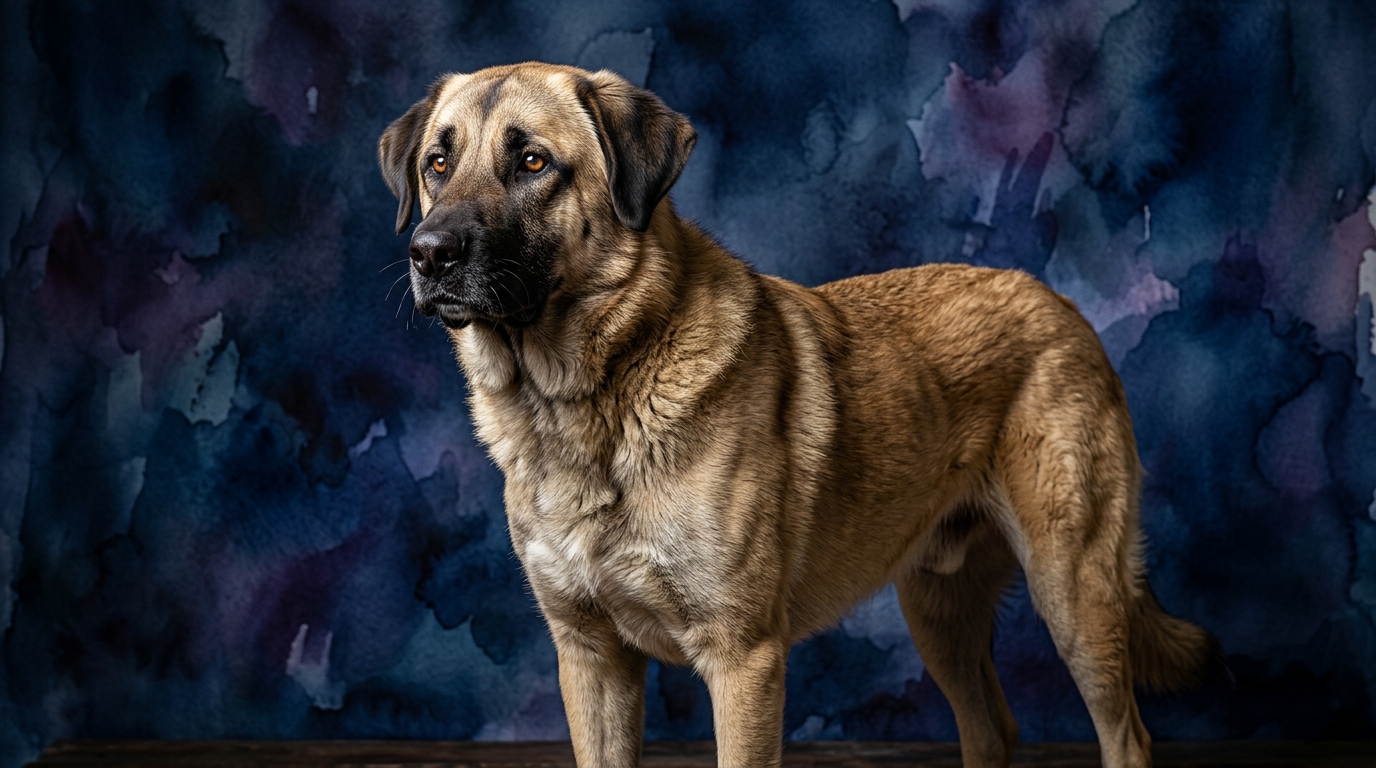
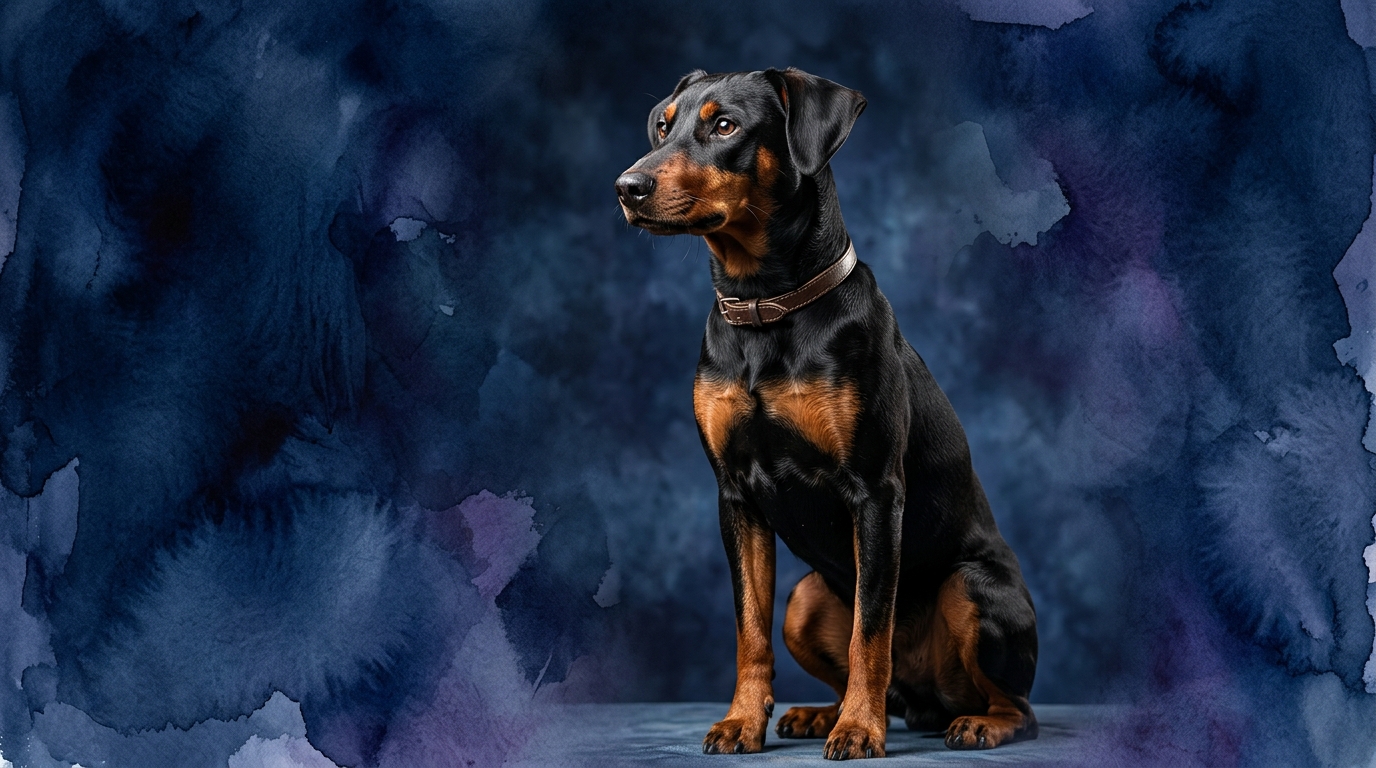
While both the Anatolian Shepherd Dog and the German Pinscher register a consistent 3/5 across all five IQ dimensions in The Cosmic Pet Pet IQ Lab, understanding what these scores mean in the context of each breed's historical purpose is key. A '3/5' doesn't imply identical mental processes or applications; rather, it suggests a solid, functional capacity that is shaped by their inherent drives and physical attributes.
For the Anatolian Shepherd Dog, a 'Problem Solving' score of 3/5 reflects their capacity for independent decision-making when safeguarding livestock. This isn't about solving complex human puzzles, but rather assessing environmental threats autonomously, evaluating danger, and reacting appropriately without direct human instruction. Their 'Training Speed' at 3/5 indicates they are capable learners, but their compliance is often predicated on understanding the purpose of a command, rather than rote obedience. This self-reliant nature means they absorb information, but process it through a lens of utility for their guarding role. Their 'Social Intelligence' at 3/5 suggests a deep bond with their family or flock, alongside a natural wariness of strangers, allowing them to discern friend from potential foe. 'Instinctive Drive' at 3/5 is strongly oriented towards protection and territoriality, a core component of their existence, while 'Memory' at 3/5 ensures they retain knowledge of safe boundaries, trusted individuals, and past threats.
The German Pinscher's 'Problem Solving' score of 3/5 points to their resourcefulness and adaptability, historically applied to vermin control and navigating varied environments. They can be quite adept at figuring out how to get to something they want or overcome minor obstacles. Their 'Training Speed' at 3/5 implies a quick grasp of commands and sequences, often coupled with a desire for engagement, though their intelligence can also lead to boredom if training isn't stimulating or consistent. This breed learns readily but also requires an owner who can keep pace with their mental activity. 'Social Intelligence' at 3/5 manifests as a discerning nature, forming strong connections with their inner circle while often being reserved or assertive with outsiders, reading intentions sharply. Their 'Instinctive Drive' at 3/5 is characterized by a strong prey drive, vigilance, and an active, assertive protective streak. Finally, 'Memory' at 3/5 means they retain learned behaviors, routines, and experiences, contributing to their quick learning and consistent responses in familiar situations.
Where the Anatolian Shepherd Dog Wins Cognitively
While their IQ scores are numerically identical, the Anatolian Shepherd Dog exhibits particular cognitive strengths rooted in their heritage as independent guardians. One notable area is their capacity for sustained, autonomous vigilance. Their 'Problem Solving' at 3/5 shines in scenarios requiring nuanced threat assessment and strategic positioning over long periods, often in isolation. They excel at evaluating subtle environmental changes, distinguishing between a harmless deer and a predatory wolf, and responding with appropriate, measured force without needing explicit commands.
Furthermore, their 'Social Intelligence' at 3/5, combined with their 'Instinctive Drive' for protection, gives them an edge in understanding and managing complex social dynamics within a flock or family unit. They develop an innate sense of responsibility, often forming deep, protective bonds that translate into highly attentive, yet independent, guardianship. This means they are constantly processing information about their charges' well-being and their surroundings, a continuous cognitive effort that few breeds match in its specific application.
Where the German Pinscher Wins Cognitively
The German Pinscher, despite sharing identical IQ scores, demonstrates cognitive advantages in areas demanding quick reflexes, adaptability, and an active engagement with their environment. Their 'Problem Solving' at 3/5, when paired with their 'Training Speed' of 3/5, allows them to rapidly learn and apply solutions in dynamic situations, such as navigating agility courses or figuring out how to open a gate. They possess a nimble intellect that thrives on variety and challenge, quickly adapting to new commands or routines.
Their 'Social Intelligence' at 3/5 is often expressed through an energetic and interactive engagement with their human family, allowing them to pick up on emotional cues and anticipate actions with remarkable speed. This makes them highly responsive companions in active settings. The German Pinscher's 'Instinctive Drive' at 3/5 is channeled into a persistent and focused pursuit of perceived 'vermin' or tasks, demonstrating a tenacious problem-solving approach in real-time scenarios that demand quick thinking and decisive action.
Which is Easier to Train and Why
When considering ease of training, the behavioral differences between these two breeds become pronounced, despite their matching 'Training Speed' scores. The Anatolian Shepherd Dog, with its deeply ingrained independence and self-reliant nature, often requires an owner who understands that their compliance stems from respect and a perceived purpose, rather than an inherent desire to please. Training an Anatolian involves patient, consistent, and fair methods, focusing on building trust and demonstrating the utility of commands. Their '3/5 Training Speed' means they learn, but their 'Problem Solving' and 'Instinctive Drive' often lead them to question or prioritize their guarding duties over arbitrary commands, making them less suited to repetitive obedience drills.
The German Pinscher, on the other hand, often presents as 'easier' to train for owners who enjoy active engagement. Their '3/5 Training Speed' is coupled with a lively curiosity and a desire for mental stimulation, making them responsive to positive reinforcement and varied training sessions. However, their 'Problem Solving' and 'Instinctive Drive' can also manifest as a strong will or a tendency to get bored easily, requiring creative and engaging training to prevent them from becoming 'too smart for their own good' and inventing their own fun. They thrive on clear structure and consistent boundaries, but also need mental challenges to keep their sharp minds occupied, preventing behaviors like excessive barking or destructive chewing that can arise from under-stimulation.
Which Suits Active Owners vs. Relaxed Owners
Neither the Anatolian Shepherd Dog nor the German Pinscher is ideal for a truly 'relaxed' owner in the sense of minimal interaction or activity. Both breeds demand significant engagement, albeit in different forms, due to their robust 'Instinctive Drives' and cognitive profiles. The Anatolian Shepherd Dog suits an owner who understands and respects their independent, guarding nature. These are not dogs for casual strolls in a city park; they require large, secure spaces where they can patrol and feel they have a 'job.' Their activity is often less about high-intensity bursts and more about sustained vigilance and patrolling, making them a match for owners who live in rural or semi-rural environments and appreciate a dog that operates with a quiet, watchful intensity.
The German Pinscher, conversely, is an excellent match for highly active owners who enjoy a dog that can keep pace with their dynamic lifestyle. Their sharp 'Problem Solving' and 'Instinctive Drive' necessitate consistent physical exercise combined with ample mental stimulation through training, dog sports, or interactive play. They thrive in environments where they are an integral, active part of family life, whether that involves daily long walks, runs, or engaging in agility or obedience competitions. Owners who appreciate a dog with a bold personality and the energy to match will find the German Pinscher a rewarding companion.
The Verdict: When to Choose Each Breed
The Verdict
Choose the Anatolian Shepherd Dog if you seek an independent, watchful guardian for a large property or livestock, valuing a dog that operates with quiet authority and self-reliance. They are suited for owners who understand and respect a breed whose intelligence is deeply rooted in autonomous protection.
Opt for the German Pinscher if you desire an energetic, sharp-witted companion that thrives on consistent activity, mental challenges, and strong engagement with its human family. They are ideal for active owners who appreciate a dog that is both physically agile and mentally keen, ready for training and adventure.
🧠 Find Your Pet's IQ Score
Our Pet IQ Lab assessment covers 25+ tests across 5 cognitive dimensions — personalized to your breed.
Take the Full IQ Test →Frequently Asked Questions
Do Anatolian Shepherd Dogs bark a lot?
Anatolian Shepherd Dogs tend to be watchful guardians, and their barking is often a communication tool related to their protective duties. They may bark to alert to perceived threats or changes in their environment, but it's typically purposeful rather than incessant, reflecting their 'Social Intelligence' and 'Instinctive Drive'.
Are German Pinschers good with children?
German Pinschers can be excellent family dogs and form strong bonds with children, especially when raised together and properly socialized. However, their energetic nature and assertive personality, stemming from their 'Instinctive Drive' and 'Social Intelligence,' mean they require supervision with very young children and benefit from clear boundaries.
How much exercise does a German Pinscher need?
German Pinschers are a high-energy breed and require substantial daily exercise, typically an hour or more of vigorous activity. This is crucial for their well-being, as their 'Instinctive Drive' and 'Problem Solving' capacities mean they need both physical exertion and mental stimulation to prevent boredom and destructive behaviors.