Side-by-Side IQ Profile: Understanding Distinct Cognitive Styles
Despite both breeds registering identical scores across our five cognitive dimensions, the practical application of these abilities is profoundly shaped by their historical roles and inherent temperaments. Let's dissect what a '3/5' score means for each.
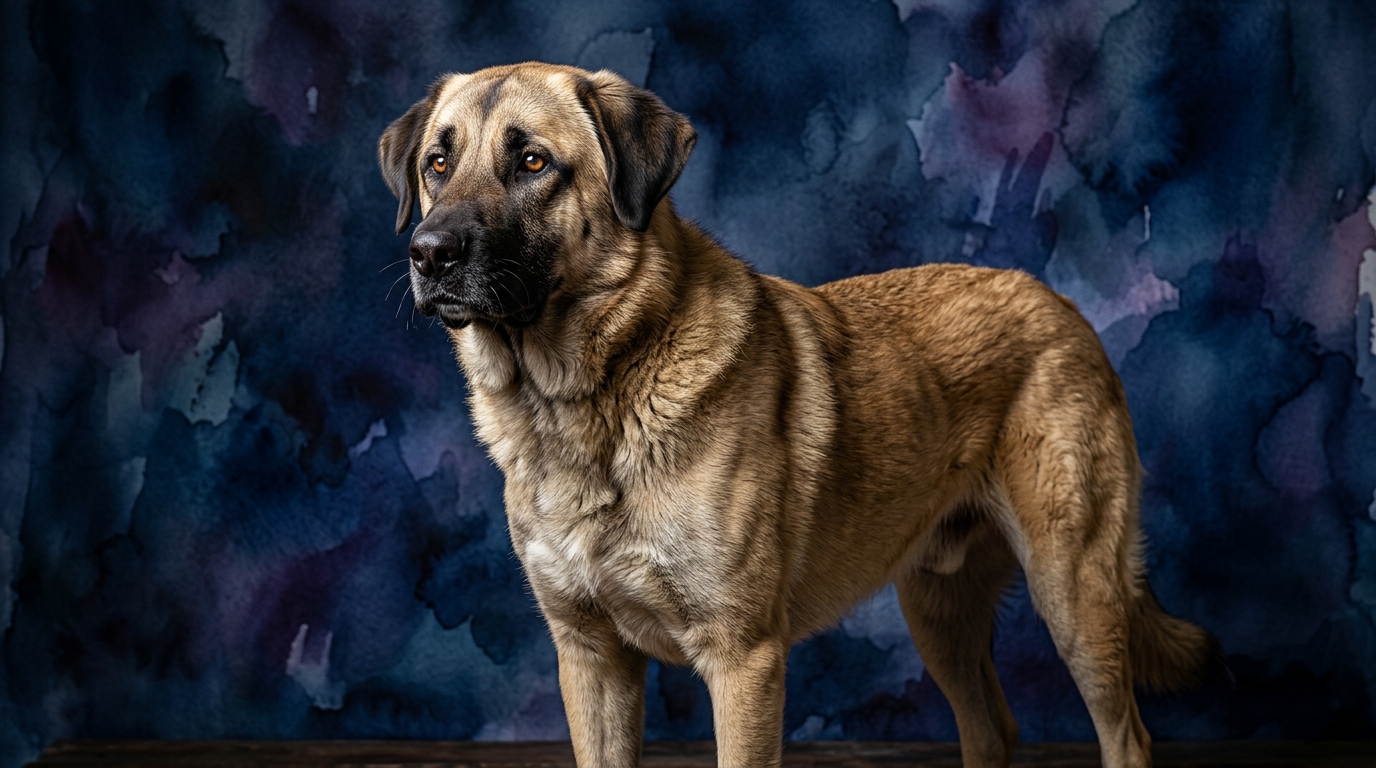
For the Anatolian Shepherd Dog, a '3/5' in Problem Solving reflects an ability to independently assess threats and devise strategies to protect livestock, often without direct human command. Their Training Speed at '3/5' indicates they are capable learners, but their independent nature means they often weigh commands against their own perceived necessities for their charges. Social Intelligence at '3/5' manifests as a deep understanding of their flock's dynamics and subtle cues from potential intruders, coupled with a discerning approach to new human interactions. Their Instinctive Drive, also '3/5', is predominantly geared towards guardianship and territorial protection, making them vigilant and assertive. Finally, a '3/5' in Memory allows them to recall past threats, safe boundaries, and the routines of their charges and human family, contributing to their consistent protective duties.
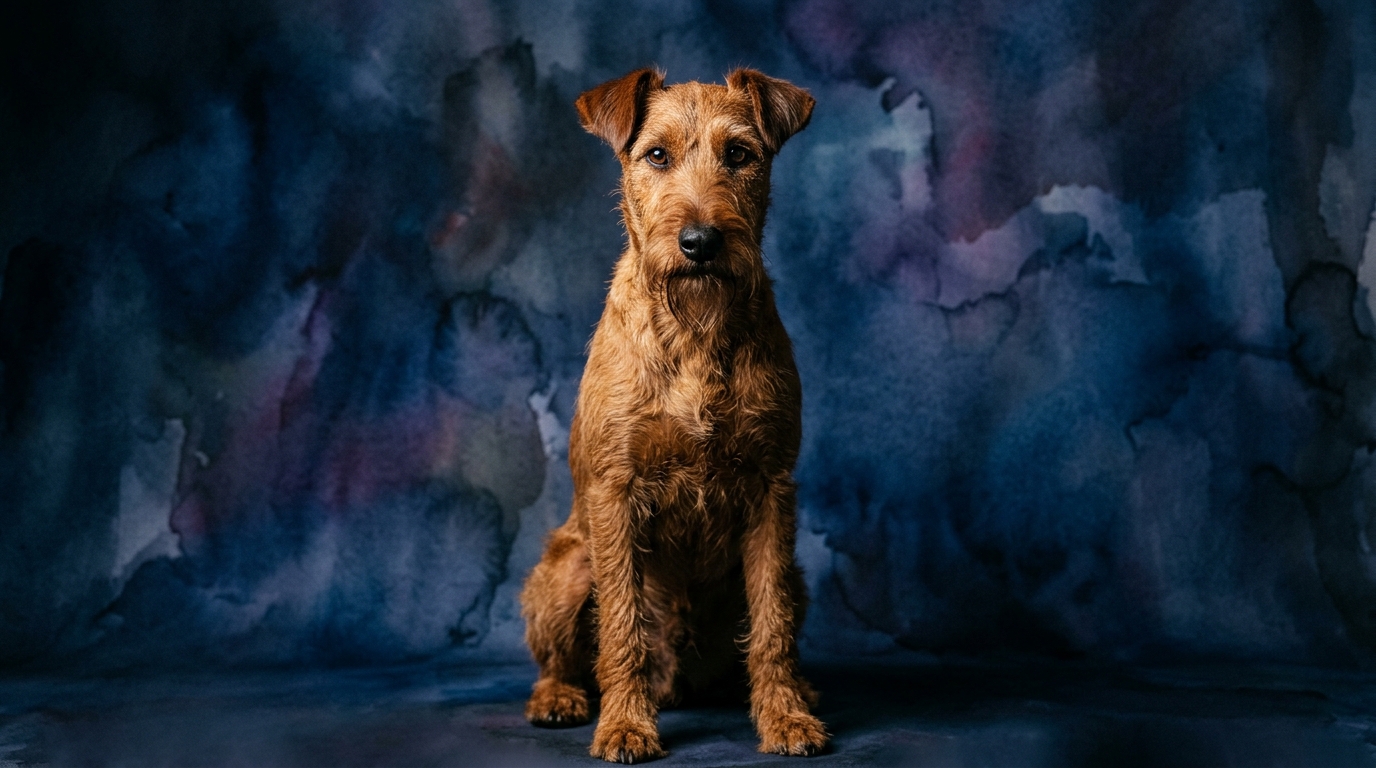
The Irish Terrier, also scoring '3/5' in Problem Solving, applies this capacity to tasks like tracking vermin through complex terrains or figuring out how to access hidden prey, demonstrating tenacity and cleverness. Their Training Speed at '3/5' means they can pick up new commands with enthusiasm, though their independent, spirited terrier nature can sometimes lead to selective hearing if a more engaging scent or activity presents itself. Social Intelligence at '3/5' is evident in their strong bonding with their human families, their ability to read moods, and their often-playful yet sometimes mischievous interactions. Their Instinctive Drive, a '3/5', is strongly tied to their prey drive, characterized by a persistent urge to chase, dig, and explore. Their '3/5' Memory allows them to remember successful hunting strategies, favored play spots, and the boundaries set within their home, contributing to their adaptable and lively disposition.
Where the Anatolian Shepherd Dog Excels Cognitively
The Anatolian Shepherd Dog's cognitive strengths truly shine in scenarios demanding independent judgment and a profound sense of responsibility, particularly in guardianship roles. Their problem-solving abilities (3/5) are uniquely adapted to assessing and mitigating threats to their charges, often without human intervention. Imagine a scenario where a predator approaches a flock; an Anatolian will not wait for a command but will independently evaluate the situation, from subtle deterrents to direct confrontation, demonstrating a sophisticated application of their cognitive resources. This isn't about rote obedience but about nuanced decision-making in a dynamic environment.
Their social intelligence (3/5) is finely tuned to understanding the subtle cues within their social group – be it a flock of sheep or their human family – and discerning genuine threats from harmless encounters. This discernment is crucial for a guardian breed, allowing them to remain vigilant without being overly reactive. The combination of their memory (3/5) and instinctive drive (3/5) for protection means they recall past experiences with intruders, learn from them, and apply those lessons to future situations, consistently reinforcing their role as an effective, self-sufficient protector. Their cognitive makeup prioritizes vigilance, assessment, and independent action over eager compliance, a vital distinction for their historical purpose.
Where the Irish Terrier Excels Cognitively
The Irish Terrier's cognitive prowess, while numerically identical to the Anatolian, is expressed through a vibrant, tenacious, and often mischievous lens. Their problem-solving capabilities (3/5) are particularly effective in navigating complex environments and overcoming obstacles to reach a desired outcome, such as locating a scent source or retrieving a toy from a difficult spot. This isn't about guarding a static flock, but about actively pursuing and engaging with their world, demonstrating a cleverness in overcoming immediate challenges.
Their training speed (3/5) is coupled with a lively curiosity, meaning they can grasp new concepts quickly when motivated by engaging activities or a strong bond with their handler. The social intelligence (3/5) of an Irish Terrier allows them to integrate seamlessly into family life, often becoming the heart of the household with their expressive communication and ability to read human emotions. Their instinctive drive (3/5) for chasing and exploring means they are constantly processing sensory information, identifying patterns, and making rapid decisions in pursuit of their interests. Their memory (3/5) serves them well in recalling favorite hiding spots, successful strategies for obtaining treats, and the routines of their human companions, contributing to their endearing and often spirited demeanor.
Training Dynamics: Anatolian Shepherd Dog vs. Irish Terrier
When considering ease of training, the identical '3/5' score for Training Speed for both breeds doesn't tell the full story; their inherent motivations and behavioral tendencies dictate the approach. The Anatolian Shepherd Dog, with its deep-seated independent problem-solving (3/5) and strong instinctive drive (3/5) for guardianship, often requires a handler who understands their need to assess situations and make their own judgments. They are not eager to please in the same way some other breeds might be; instead, they operate on a principle of necessity and effectiveness for their protective role. Training an Anatolian demands immense patience, consistency, and a clear understanding of their independent nature, focusing on building respect rather than absolute obedience. They learn, but they often choose when and how to apply that learning based on their interpretation of the situation.
The Irish Terrier, by contrast, also scores '3/5' in Training Speed, but their challenges stem from a different source: their spirited terrier tenacity and high prey drive (3/5 instinctive drive). While they can pick up commands swiftly, their focus can be easily diverted by interesting scents or movements. Training an Irish Terrier requires engaging, varied sessions to hold their attention and redirect their natural impulses. Their social intelligence (3/5) means they thrive on interaction and positive reinforcement from their human companions, making relationship-based training highly effective. However, their independent problem-solving (3/5) can sometimes translate into clever ways of circumventing rules if they perceive an opportunity. Neither breed is 'easy' in the conventional sense, but the Anatolian requires a handler who can respect and channel their independence, while the Irish Terrier needs a handler who can consistently engage and redirect their energetic curiosity.
Lifestyle Suitability: Active vs. Relaxed Owners
Choosing between these two breeds based on an owner's activity level requires a nuanced understanding of their energy and mental stimulation needs. The Anatolian Shepherd Dog, despite its large size, can appear deceptively relaxed. However, its '3/5' instinctive drive and problem-solving demand a mentally stimulating environment that allows it to fulfill its guardian tendencies. While they don't require constant, high-impact exercise, they need ample space to patrol, observe, and feel responsible for their territory. Owners who are relaxed in terms of structured daily runs but are highly attentive to providing a sense of purpose and allowing for independent monitoring would suit an Anatolian. A relaxed owner who expects a passive companion might find an Anatolian's independent decision-making challenging.
The Irish Terrier, on the other hand, is generally better suited for active owners. Their '3/5' instinctive drive, particularly their prey drive and zest for exploration, translates into a need for regular physical and mental engagement. They thrive on activities like structured walks, fetch, agility, or earthdog trials that tap into their problem-solving (3/5) and tenacious spirit. A relaxed owner might struggle with an Irish Terrier's potential for mischief if their energy and curiosity are not adequately channeled. They are not content to be couch potatoes; they need an owner who can match their enthusiasm for engagement and provide consistent opportunities for mental and physical exertion. Therefore, active owners who enjoy interactive play and training will likely find the Irish Terrier a more fulfilling companion.
The Verdict
Choose the Anatolian Shepherd Dog if you are seeking a steadfast, independent guardian who thrives on purposeful work and whose cognitive strengths lie in autonomous decision-making and subtle threat assessment.
Opt for the Irish Terrier if you desire a lively, tenacious companion who excels in dynamic problem-solving, thrives on interactive engagement, and will bring spirited energy to an active household.
🧠 Find Your Pet's IQ Score
Our Pet IQ Lab assessment covers 25+ tests across 5 cognitive dimensions — personalized to your breed.
Take the Full IQ Test →Frequently Asked Questions
Do Anatolian Shepherd Dogs bark a lot due to their protective nature?
Anatolian Shepherd Dogs often use barking as part of their '3/5' instinctive drive for protection and territorial vigilance. They may bark to alert, deter perceived threats, or communicate changes in their environment, making them vocal guardians rather than incessant barkers without reason.
Are Irish Terriers good with children, given their energetic disposition?
Irish Terriers, with their '3/5' social intelligence, typically form strong bonds with their human families, including children, often becoming playful and devoted companions. However, their '3/5' instinctive drive and energetic nature mean supervision is essential, especially with very young children, to ensure interactions remain positive and respectful of the dog's boundaries.
Which breed is more prone to wander or roam if not properly contained?
Both breeds have a '3/5' instinctive drive that can lead to roaming if not properly contained, though for different reasons. The Anatolian Shepherd Dog might patrol beyond property lines to extend its perceived guardianship, while the Irish Terrier's strong prey drive and curiosity make them prone to following interesting scents or exploring new territories if given the opportunity.