A Side-by-Side Look at Their IQ Profiles
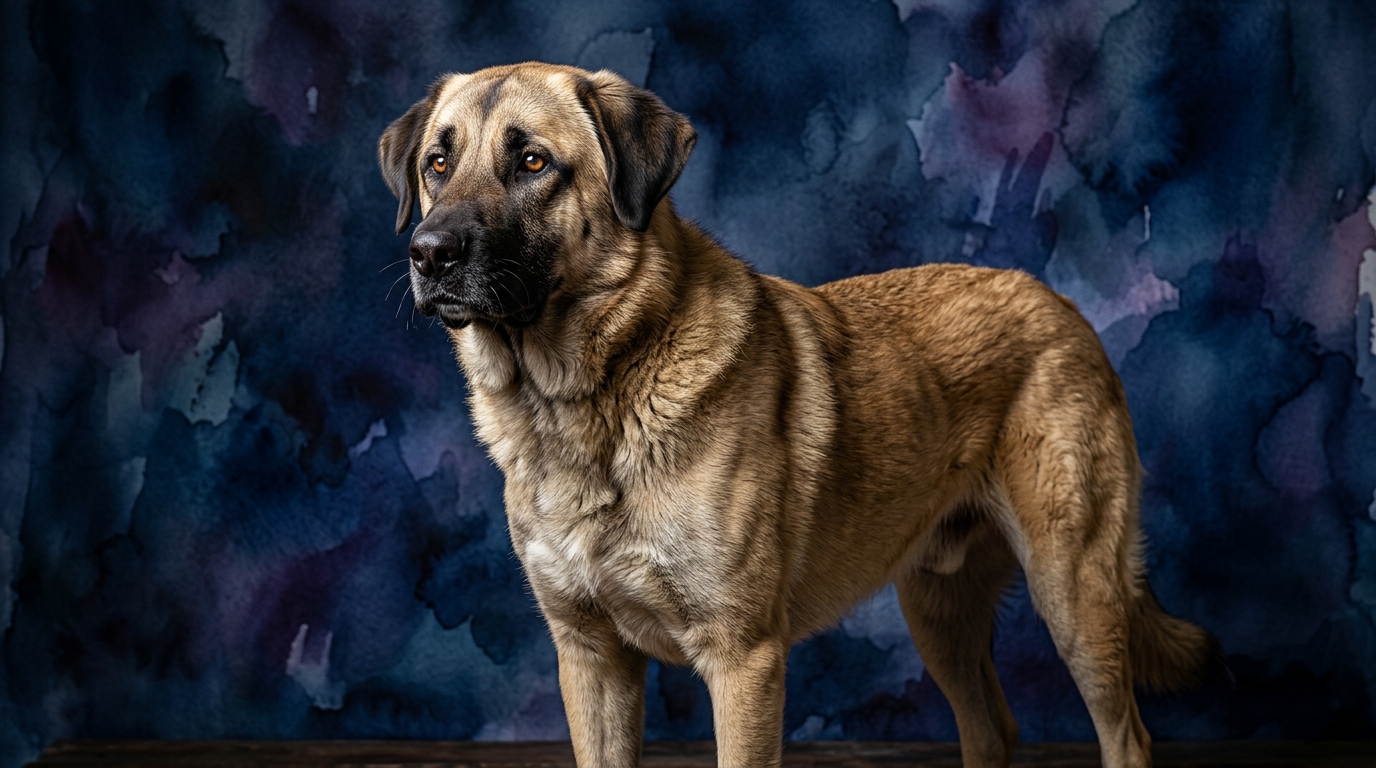
The Anatolian Shepherd Dog, a majestic guardian, approaches problem-solving with a deliberate, independent strategy, often evaluating potential threats or territorial breaches before acting. Their training speed is steady; they absorb commands but often require a clear, logical purpose behind each instruction to ensure consistent compliance. Social intelligence for the Anatolian involves a cautious assessment of new individuals and situations, forming deep, protective bonds with their immediate family while maintaining a reserved demeanor with outsiders. Their instinctive drive is profoundly rooted in guardianship, motivating them to patrol boundaries, protect livestock or family, and make autonomous decisions in the face of perceived danger. Memory in an Anatolian is robust, allowing them to retain complex territorial layouts, learned routines, and the identities of those they are entrusted to protect over long periods.
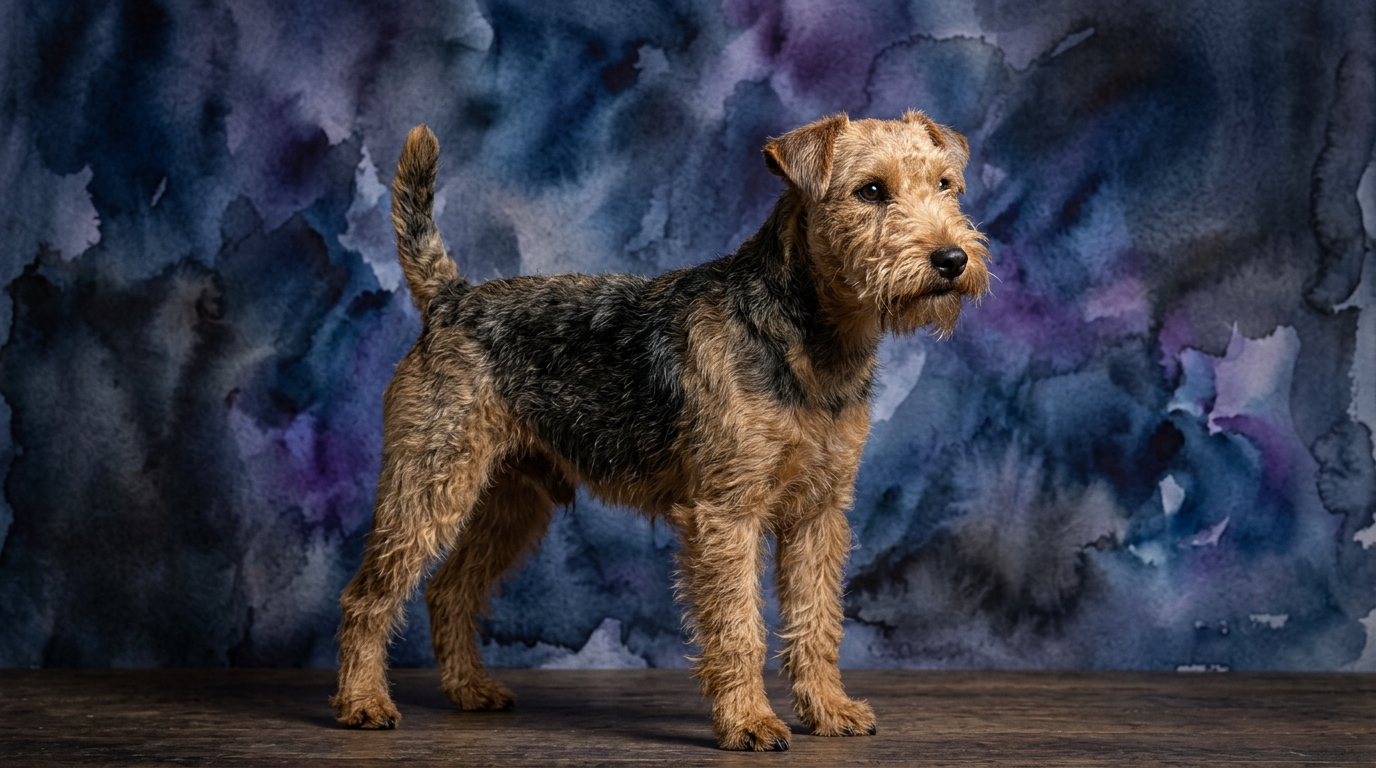
The Lakeland Terrier, a tenacious and spirited earth dog, exhibits problem-solving through quick, often opportunistic methods, particularly when pursuing quarry or navigating confined spaces. Their training speed is reasonable, but their independent and sometimes stubborn terrier spirit can introduce variability, requiring engaging methods and consistency to keep them focused. Social intelligence for the Lakeland is generally outgoing and inquisitive, quickly assessing new people and situations with enthusiasm, though they can be assertive or boisterous with other canines. Their instinctive drive is heavily influenced by their working heritage, manifesting as a powerful prey drive, an insatiable curiosity, and a determination to investigate and 'dig out' perceived targets. Lakeland Terriers possess a reliable memory for learned tasks, established routines, and the locations of interesting scents or favorite playthings, recalling information readily to achieve their goals.
Where the Anatolian Shepherd Dog Shines Cognitively
The Anatolian Shepherd Dog's cognitive strengths truly emerge in their capacity for independent judgment and strategic environmental assessment. Their problem-solving (3/5) isn't about quick tricks but about evaluating complex, evolving situations within their territory. They excel at discerning genuine threats from benign occurrences, often making decisions without direct human command, a critical trait for a livestock guardian.
Their social intelligence (3/5) is uniquely adapted for their role; it's a deep, discerning understanding of their chosen family's needs and a cautious, yet accurate, read of strangers' intentions. This allows them to act as a formidable, self-reliant protective presence rather than relying on constant human direction. They remember (3/5) not just commands, but the nuances of their environment and the behavior patterns of those within it, enabling them to anticipate and respond effectively.
Furthermore, their instinctive drive (3/5) is channeled into a singular, unwavering purpose: protection. This isn't a chaotic energy but a focused, persistent vigilance that allows them to maintain a vast mental map of their domain and remain alert for hours, demonstrating impressive mental stamina and a profound sense of responsibility.
Where the Lakeland Terrier Excels Cognitively
The Lakeland Terrier's cognitive advantages lie in their adaptability, resourcefulness, and spirited engagement with their environment. Their problem-solving (3/5) is characterized by a quick wit and an opportunistic approach, particularly when faced with physical obstacles or the pursuit of a perceived 'prize.' They are masters at finding creative solutions to get where they want to go or to retrieve an object, often employing clever maneuvers.
Their social intelligence (3/5), while sometimes boisterous, allows them to be highly engaging and responsive in interactive settings, quickly picking up on human moods and intentions, especially if it leads to an exciting activity. They are often quick to initiate play or seek attention, demonstrating a keen understanding of social dynamics within their immediate circle.
The Lakeland's memory (3/5) is particularly sharp for activities they enjoy and for navigating diverse, often confined, spaces. They recall complex routes through undergrowth or patterns in games with remarkable accuracy, making them agile and effective in varied environments. Their instinctive drive (3/5) fuels their relentless curiosity and determination, allowing them to focus intently on a task, whether it's tracking a scent or mastering a new agility course, showcasing mental agility and persistence.
Training: Anatolian Shepherd Dog vs. Lakeland Terrier
When it comes to training, both breeds present unique considerations despite their identical 3/5 training speed. The Anatolian Shepherd Dog learns steadily, but their independent nature means they often require a clear 'why' for each command. They are not typically eager to please in the traditional sense; instead, they weigh the perceived value or necessity of a task. Patience, consistency, and a relationship built on mutual respect are paramount, as they respond best to owners who understand their independent, guardian mindset. Repetitive, meaningless drills may be met with polite refusal or disinterest.
The Lakeland Terrier, while also scoring 3/5 in training speed, presents a different set of challenges. Their spirited personality and strong prey drive can lead to distractions, making sustained focus a hurdle. They learn quickly when motivated by engaging activities, praise, or treats, but their independent terrier stubbornness can emerge if they find a task boring or if their instincts pull them elsewhere. Training a Lakeland requires creativity, variety, and a firm but fair hand that can channel their abundant energy and curiosity into productive learning rather than allowing it to devolve into mischievous independence. Early socialization and consistent boundary setting are crucial for both.
Ideal Owners: Active vs. Relaxed Lifestyles
For the Anatolian Shepherd Dog, the ideal owner is not necessarily 'active' in the sense of constant high-intensity exercise, but rather 'active' in their commitment to providing a secure environment and purposeful engagement. These dogs require ample space, a clear sense of purpose (even if it's guarding the family), and an owner who can confidently manage their independent nature and protective instincts. They thrive with individuals who appreciate a calm, watchful companion and are prepared for the significant responsibility of managing a large, self-thinking guardian. They are not suited for owners seeking a constantly interactive, 'go-go-go' companion, but rather one who respects their quiet vigilance and independent decision-making.
The Lakeland Terrier, conversely, generally suits a more 'active' owner in terms of consistent engagement and dynamic activity. Their boundless energy, curiosity, and keen desire for interaction mean they thrive with owners who enjoy daily walks, engaging play sessions, and mental challenges like puzzle toys or structured training. While they can relax indoors, their natural inclination is to explore and investigate, making them a better fit for individuals or families who are prepared to provide consistent outlets for their terrier drive. A 'relaxed' owner who cannot meet these needs might find themselves with a bored and potentially destructive Lakeland, as their cognitive and physical needs demand an outlet.
The Verdict
Choose the Anatolian Shepherd Dog if you seek a calm, independent guardian for a large property or family, valuing a dog that makes deliberate, self-reliant decisions. They are ideal for owners who can provide a clear purpose and respect their discerning nature.
Opt for the Lakeland Terrier if you desire an energetic, curious, and engaging companion for an active lifestyle, appreciating a dog with quick wits and a spirited approach to life. They thrive with owners who enjoy consistent interaction and dynamic mental challenges.
🧠 Find Your Pet's IQ Score
Our Pet IQ Lab assessment covers 25+ tests across 5 cognitive dimensions — personalized to your breed.
Take the Full IQ Test →Frequently Asked Questions
Do Anatolian Shepherd Dogs bark a lot due to their guardian instincts?
Anatolian Shepherd Dogs are naturally vigilant and will use their bark as a primary tool for communication and warning, especially to alert to perceived threats or changes in their environment. While they are not typically nuisance barkers, their protective nature means they will vocalize when their instincts deem it necessary, which can be frequent in an active environment. Owners should understand this is an integral part of their guardian role.
Are Lakeland Terriers good with other pets, given their prey drive?
Lakeland Terriers possess a strong prey drive, which can make coexisting with smaller pets challenging without careful, early socialization and consistent management. While they can learn to live peacefully with cats or other small animals if introduced young and supervised, their instinct to chase and 'hunt' remains potent. Introducing them to other dogs, especially of similar size, also requires thoughtful management due to their assertive terrier personality.
How do these breeds adapt to apartment living?
Neither breed is ideally suited for apartment living, though for different reasons. The Anatolian Shepherd Dog requires vast space to patrol and express their guardian instincts, making a small apartment restrictive and potentially stressful. The Lakeland Terrier, while smaller, has immense energy and a strong need for physical and mental stimulation; an apartment would necessitate constant, dedicated outdoor activity and enrichment to prevent boredom and destructive behaviors.