Side-by-Side Cognitive Profiles
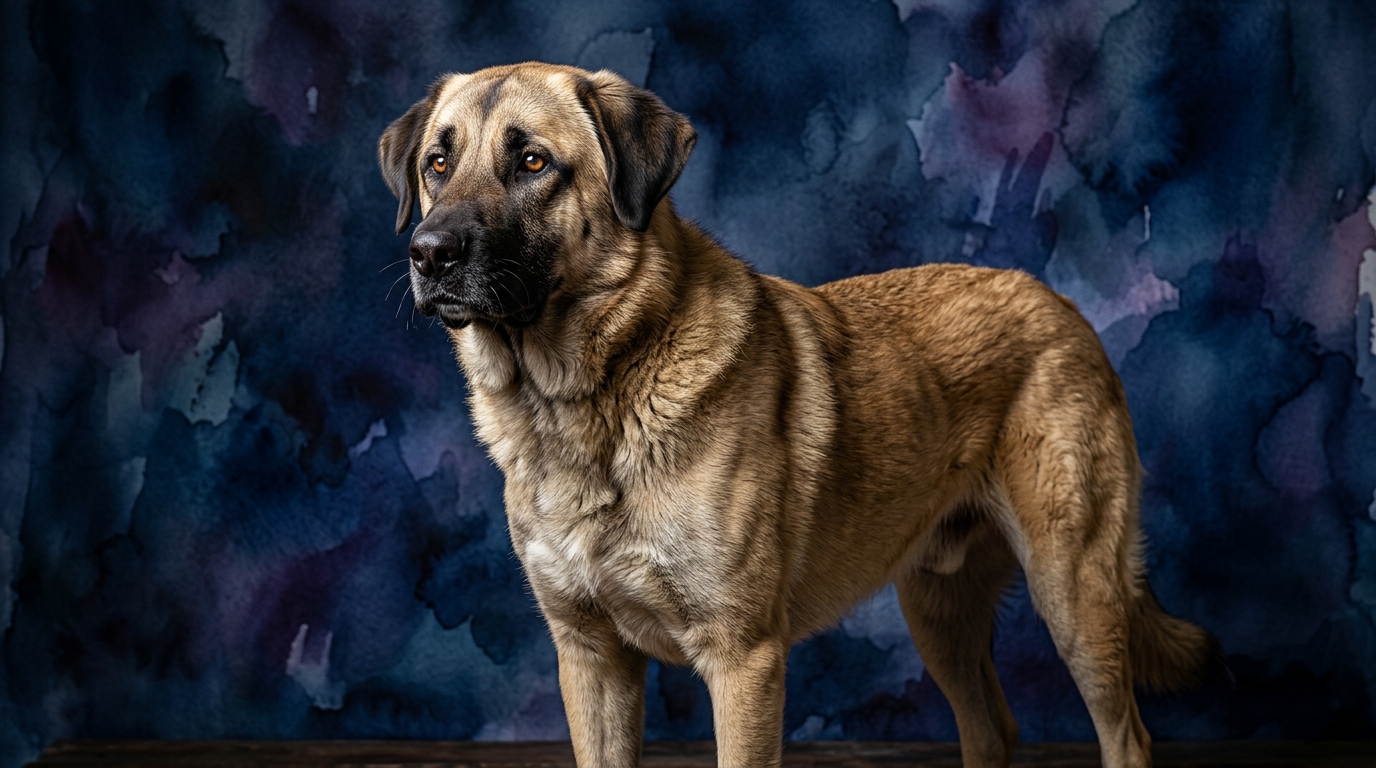
The Anatolian Shepherd Dog, a formidable working breed, demonstrates a Problem Solving score of 3/5, which manifests as a deep understanding of its environment and the strategic assessment of threats to its flock. This isn't about solving complex puzzles for treats, but rather discerning which approaching animal is a predator and how to effectively deter it, requiring independent judgment and spatial reasoning across vast territories. Their Training Speed of 3/5 reflects a capacity to learn, though often on their own terms; they absorb tasks relevant to their guarding role through observation and experience, but may question commands that don't align with their inherent purpose. Social Intelligence, also 3/5, is finely tuned for distinguishing between family/flock members and perceived intruders, exhibiting a nuanced understanding of social hierarchies within their charge and a natural wariness towards strangers. Their Instinctive Drive of 3/5 is a powerful, ancient programming for guardianship, compelling them to protect their territory and charges with unwavering dedication. Finally, their Memory at 3/5 ensures they retain crucial information about their territory, the routines of their flock, and the identities of those they protect or perceive as a threat over long periods.
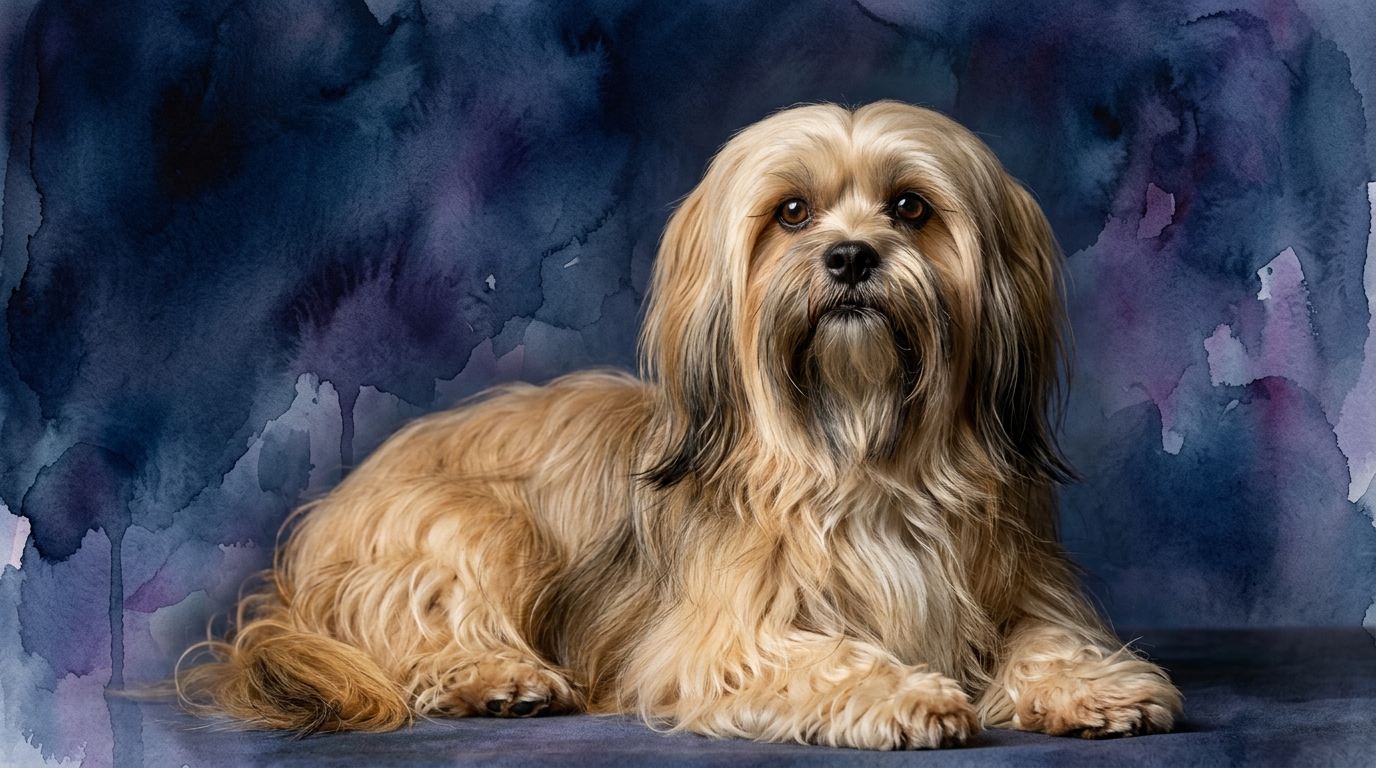
The Lhasa Apso, a spirited Non-Sporting breed with a Coren ranking of #68, also scores 3/5 in Problem Solving, but this translates into a cleverness within a domestic setting. They excel at figuring out how to get to a favorite sunbeam, manipulate their humans for attention, or navigate household obstacles to achieve a desired outcome. Their Training Speed of 3/5 means they are capable learners, but their independent and sometimes willful nature means training requires patience and positive reinforcement, as they are often motivated by self-interest. Social Intelligence, scoring 3/5, is evident in their astute ability to read household dynamics and bond deeply with their chosen family, while maintaining a discerning aloofness towards outsiders. Their Instinctive Drive of 3/5 is a potent watchfulness, historically serving as sentinels for Tibetan monasteries, now manifesting as a keen desire to alert their family to any perceived changes or visitors with vocalizations. Their Memory, also 3/5, allows them to recall routines, specific interactions, and preferences, influencing their behavior and interactions within the home, sometimes even holding a 'grudge' if they feel slighted.
Where the Anatolian Shepherd Dog Excels Cognitively
The Anatolian Shepherd Dog truly shines in cognitive domains that demand autonomous decision-making and large-scale environmental awareness. Their Problem Solving at 3/5 is uniquely geared towards complex, real-world scenarios involving livestock protection, where quick, independent judgment in dynamic, often solitary situations is paramount. They don't wait for human commands to assess a threat; they proactively analyze the situation and respond, demonstrating a strategic depth essential for their ancient role. This breed's cognitive strength lies in its ability to process vast amounts of sensory information from its surroundings, identifying patterns, and anticipating potential dangers to its charges with remarkable precision.
Furthermore, their Instinctive Drive, while a 3/5, is a highly specialized and deeply ingrained form of intelligence that drives their entire existence. This isn't just a general urge; it's a sophisticated behavioral program that includes territorial marking, vigilance, and a nuanced understanding of predator behavior. This intrinsic motivation, combined with their memory for territory and individuals, allows them to maintain a consistent and reliable protective presence, making them unparalleled in their specific field of guardianship without constant human oversight.
Where the Lhasa Apso Excels Cognitively
The Lhasa Apso demonstrates superior cognitive abilities in navigating the intricate social landscape of a human household and applying their alertness in a domestic context. Their 3/5 Social Intelligence is particularly adept at reading subtle human cues and mood shifts within their family unit, often leveraging this understanding to secure comfort, attention, or desired outcomes. They possess a keen awareness of their position within the family structure and can be quite persuasive in their interactions, using their charm and assertiveness to their advantage. This makes them exceptional at adapting to and influencing their immediate environment.
Their 3/5 Problem Solving, while different from the Anatolian's, is equally effective within its sphere; it translates into a cleverness that allows them to master household routines, find the most comfortable spots, or even outsmart human attempts to restrict their access to certain areas. Coupled with their 3/5 Memory, which is finely tuned to remembering specific human habits, preferences, and the layout of their indoor domain, the Lhasa Apso is a master of domestic strategy. Their historical role as indoor sentinels has honed their senses and their ability to detect the slightest anomaly within their personal territory.
Training Dynamics: Anatolian Shepherd Dog vs. Lhasa Apso
When it comes to trainability, neither the Anatolian Shepherd Dog nor the Lhasa Apso fits the mold of a 'eager-to-please' breed, with both scoring 3/5 in Training Speed, but the challenges differ significantly. The Anatolian's independence stems from centuries of being bred to make autonomous decisions in the absence of human direction. They learn, but they evaluate commands through the lens of their guardian purpose. Training an Anatolian requires immense patience, consistency, and a clear demonstration of why a command is useful or necessary. Rote obedience for its own sake is less appealing to them; they need to understand the 'why,' making them less suitable for traditional obedience competitions without a dedicated handler who understands their unique motivations. Their sheer size and strength also mean that any gaps in training or leadership can have significant consequences.
The Lhasa Apso's 3/5 Training Speed is complicated by their spirited and often stubborn personality. They are intelligent enough to learn quickly, but they possess a strong will and a 'what's in it for me?' attitude. They respond best to positive reinforcement, engaging training methods, and a handler who can make learning feel like the dog's own idea. While they can master basic commands and house rules, their independent streak means they are not always keen to perform on cue, especially if they perceive a task as pointless or inconvenient. For basic household manners in a smaller space, their compact size might make them seem more manageable than an Anatolian, but their powerful personality demands just as much, if not more, consistency and firm, fair guidance.
Ideal Owners: Active Engagement vs. Relaxed Companionship
The Anatolian Shepherd Dog is best suited for owners who are 'active' in a very specific sense: those prepared for deep engagement in management, training, and providing a clear purpose. While not requiring the relentless physical activity of a herding dog, they need vast space to patrol, a job to do (even if it's guarding a family or property), and an owner who can consistently provide strong, confident leadership. Their protective instincts mean owners must be proactive in socialization and boundary setting, especially in suburban or urban environments. This breed thrives with experienced owners who understand the intricacies of independent guardian breeds and are committed to integrating a thoughtful, sometimes aloof, protector into their lives.
The Lhasa Apso, conversely, can appeal to more 'relaxed' owners in terms of physical exercise, as their needs are moderate with daily short walks and indoor play sufficing. However, 'relaxed' does not mean hands-off. Owners must be 'active' in managing their strong personality, consistent training, and significant grooming requirements. They are excellent indoor companions who enjoy being close to their family, but they demand respect and clear boundaries. They are not a passive lapdog but a spirited, watchful companion who thrives in a home where their intelligence and independent spirit are appreciated and gently guided, making them a wonderful fit for individuals or families seeking a loyal, assertive, and charming indoor sentinel.
The Verdict
Choose an Anatolian Shepherd Dog if you possess ample space, experience with guardian breeds, and are prepared to integrate a thoughtful, independent protector into a structured life, understanding their profound need for purpose and a clear role.
Opt for a Lhasa Apso if you seek a spirited, intelligent, and watchful companion for an indoor setting, appreciating a dog with a strong personality and a loyal, albeit independent, devotion to its chosen family.
🧠 Find Your Pet's IQ Score
Our Pet IQ Lab assessment covers 25+ tests across 5 cognitive dimensions — personalized to your breed.
Take the Full IQ Test →Frequently Asked Questions
Are Anatolian Shepherds good family dogs?
Yes, with proper socialization from a young age, Anatolian Shepherds are fiercely loyal and protective of their family, treating them as their flock. However, their immense size and inherent guarding instincts mean they require careful management, especially around unfamiliar children and strangers, to ensure everyone's safety.
How much exercise does a Lhasa Apso need?
Lhasa Apsos have moderate exercise needs; daily short walks and engaging indoor play sessions are usually sufficient to keep them content. They are not high-energy dogs, but they do appreciate mental stimulation and quality time interacting with their family to prevent boredom.
Can a Lhasa Apso live harmoniously with an Anatolian Shepherd Dog?
While possible, this pairing requires extensive socialization from puppyhood for both breeds, along with careful management due to the significant size difference and distinct temperaments. The Anatolian's protective instincts and the Lhasa's assertive nature necessitate constant supervision to ensure a peaceful coexistence.