A Side-by-Side Look at Their Cognitive Profiles
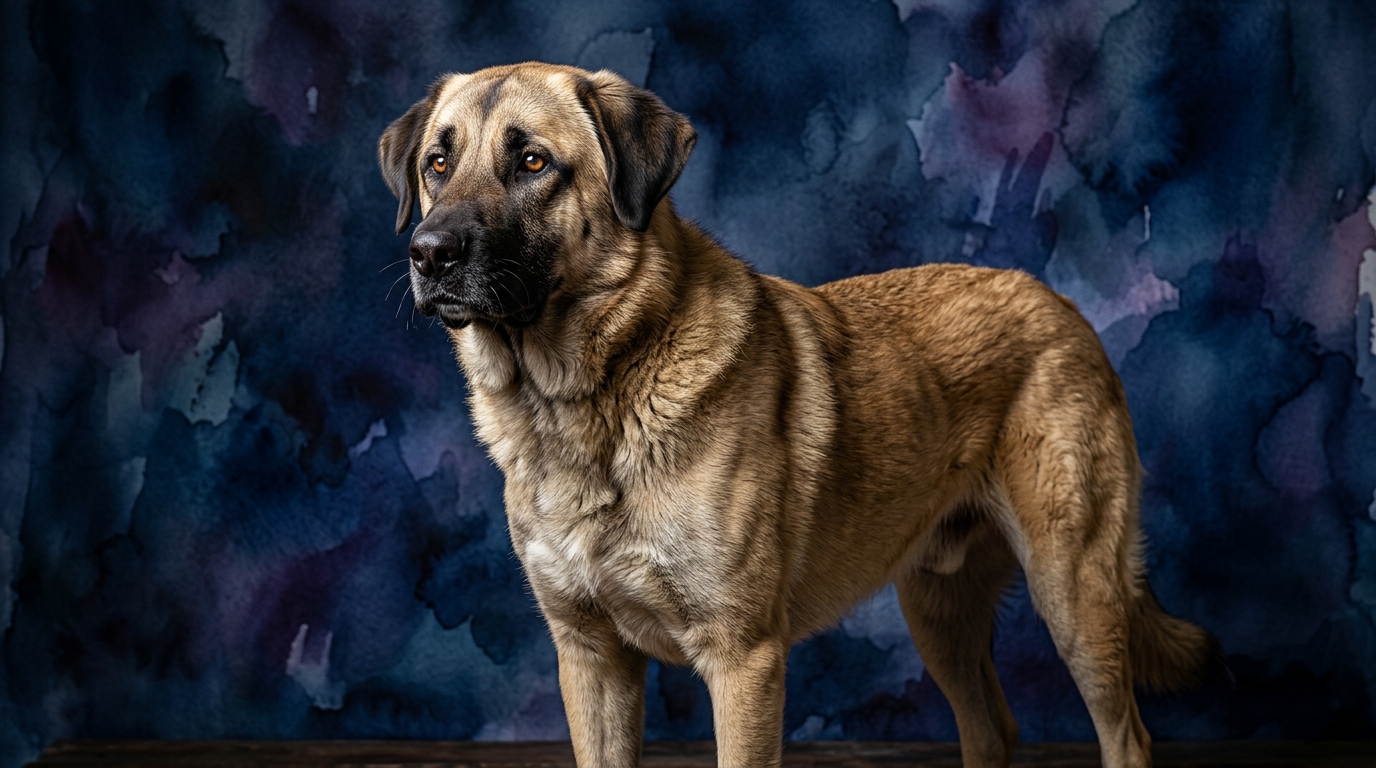
The Anatolian Shepherd Dog, a majestic working breed, exhibits a unique cognitive makeup, with a consistent 3/5 across all five dimensions of our Pet IQ Lab assessment. Their Problem Solving at 3/5 reflects a practical, independent approach, primarily focused on assessing and mitigating threats to their charges or territory, rather than solving human-devised puzzles. Training Speed, also at 3/5, indicates they are capable learners but often require motivation that aligns with their inherent purpose and a patient, understanding handler. Their 3/5 Social Intelligence is characterized by a discerning awareness of their family unit and potential intruders, prioritizing protective vigilance. An Instinctive Drive of 3/5 underscores their strong guardian instincts and territoriality, while their 3/5 Memory allows them to retain complex spatial information, routines, and threat assessments over time.
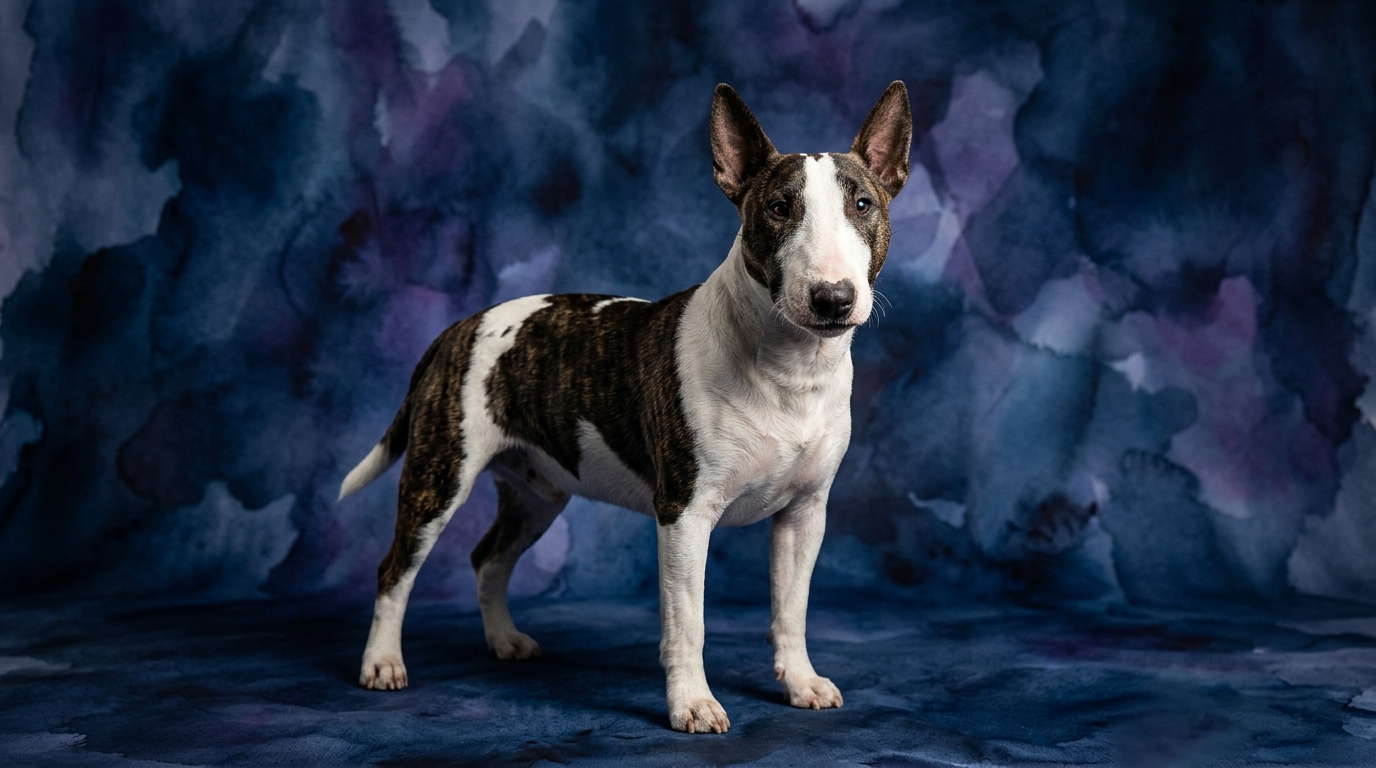
In contrast, the Miniature Bull Terrier, a lively terrier breed, also scores 3/5 across all cognitive dimensions, yet these scores manifest quite differently due to their distinct heritage. Their 3/5 Problem Solving often involves creative, sometimes mischievous, strategies to achieve immediate goals, like obtaining a hidden treat or overcoming physical barriers through sheer determination. A Training Speed of 3/5 means they are perfectly capable of learning, but their spirited nature and potential for stubbornness demand engaging, consistent methods to keep their focus. Their 3/5 Social Intelligence is typically devoted to their immediate human family, often expressed through boisterous affection and a keen understanding of household dynamics, though they can be reserved with strangers. An Instinctive Drive of 3/5 highlights their strong prey drive, boundless energy, and desire for exploration, and their 3/5 Memory is excellent for retaining fun tricks, routines, and the location of favored toys or people.
It is crucial to understand that identical raw scores of 3/5 for both breeds do not imply identical cognitive processes or capacities. Instead, these scores reflect how their cognitive resources are allocated and expressed, profoundly shaped by millennia of selective breeding for specific roles. Both breeds are capable learners and thinkers, but their approach to challenges, their motivations, and the contexts in which their intellect shines brightest differ significantly, offering a fascinating study in canine functional cognition.
Where the Anatolian Shepherd Dog's Cognition Shines
The Anatolian Shepherd Dog's 3/5 Problem Solving truly shines in autonomous, dynamic scenarios related to guardianship. These dogs are not bred to wait for commands; rather, they are expected to independently assess evolving situations on vast territories and make critical decisions to protect their flock or family. Their cognitive strength lies in their ability to process environmental cues, evaluate potential threats, and execute appropriate deterrent actions without human intervention, such as strategically positioning themselves or issuing a warning bark. This requires a profound, practical intelligence that integrates spatial awareness, threat assessment, and a deep understanding of their charges' safety.
Furthermore, their 3/5 Social Intelligence, while appearing reserved to outsiders, is exceptionally nuanced within their family unit and among their perceived flock. They possess a subtle ability to differentiate between familiar and unfamiliar, friend and foe, based on intricate social cues and prior experiences. This discernment, coupled with their 3/5 Memory, allows them to maintain long-term mental maps of their territory, remember specific threats, and recall the routines of their human and animal companions. Their cognitive prowess here is not about eager interaction, but about steadfast vigilance and strategic watchfulness, making them formidable, self-reliant protectors.
The Miniature Bull Terrier's Unique Cognitive Strengths
The Miniature Bull Terrier's 3/5 Problem Solving capability manifests as a persistent and often ingenious determination to achieve their goals, whether it's retrieving a favorite toy from an inaccessible spot or figuring out how to open a cupboard. Their cognitive approach is characterized by a blend of creativity and tenacity, where they will often try multiple strategies until they succeed. This isn't about guarding territory, but about overcoming immediate obstacles for personal gratification or amusement, often with a playful, headstrong spirit. Their 3/5 Instinctive Drive fuels this relentless exploration and pursuit, making them formidable opponents for puzzle toys.
Their 3/5 Training Speed, when harnessed correctly, allows them to learn complex sequences and tricks with surprising alacrity, especially if the training is engaging and rewarding. They excel in activities like agility or advanced obedience where their enthusiasm and focus can be channeled. Their 3/5 Memory is particularly strong for these learned behaviors and routines, especially when associated with positive reinforcement and fun. Within their chosen family, their 3/5 Social Intelligence means they often develop intricate communication patterns and anticipate their human companions' moods and intentions, fostering a deep, often comical, bond.
Training Dynamics: Independence vs. Tenacity
When it comes to training, the Anatolian Shepherd Dog's 3/5 Training Speed doesn't signify a lack of capacity, but rather a deliberate learning style influenced by their independent nature. These dogs are not typically eager to please in the conventional sense; they are bred to think for themselves. Effective training requires patience, consistency, and a profound understanding of their guardian instincts. They respond best to a calm, confident leader who can establish a respectful partnership, where commands are understood as logical necessities for the safety of their 'flock.' Rote obedience may not be their forte, but thoughtful compliance, stemming from trust and understanding, certainly is.
The Miniature Bull Terrier's 3/5 Training Speed also presents its own set of challenges, primarily due to their strong will, spirited energy, and tendency towards distractibility. While they can learn quickly, their tenacity means they might test boundaries or find creative ways to avoid tasks they deem uninteresting. Training for a Mini Bull Terrier needs to be dynamic, engaging, and varied to combat boredom and maintain their focus. Positive reinforcement, short sessions, and incorporating play are crucial to harness their energy and channel their cognitive drive. A firm yet fair approach is essential to guide their strong personalities and prevent undesirable behaviors.
Matching Canine Cognition to Lifestyle
For owners considering an Anatolian Shepherd Dog, their cognitive profile suggests suitability for those who appreciate an independent, watchful companion and possess ample space for them to survey. While they may appear 'relaxed' in terms of constant interaction, their cognitive needs demand a secure environment, an understanding of their deep-seated guardian instincts, and opportunities to patrol their territory. They are not the breed for an owner seeking a constantly interactive playmate but rather a steadfast, self-assured presence. The 'activity' they require is less about high-intensity fetching and more about the mental stimulation of maintaining their vigilant role, even if simulated in a family home.
Conversely, the Miniature Bull Terrier's cognitive makeup makes them an ideal match for active, engaged owners who thrive on consistent interaction and can provide structured outlets for their boundless energy. They require daily vigorous exercise, coupled with engaging mental challenges and consistent training to prevent boredom-driven mischief. They are for the owner who desires a playful, devoted, and often comical companion, ready for adventure and deeply integrated into family life. Their robust physical needs and cognitive drive for constant engagement mean they are not suited for a truly 'relaxed' owner who prefers minimal direct interaction or a sedentary lifestyle.
The Verdict
Choose the Anatolian Shepherd Dog if you seek a vigilant, independent guardian with a deep understanding of territory and family safety, and you have the space and experience to respect their autonomous nature.
Opt for the Miniature Bull Terrier if you desire a spirited, tenacious, and playful companion who thrives on consistent interaction, engaging activities, and an owner who appreciates their unique, sometimes mischievous, problem-solving approach.
🧠 Find Your Pet's IQ Score
Our Pet IQ Lab assessment covers 25+ tests across 5 cognitive dimensions — personalized to your breed.
Take the Full IQ Test →Frequently Asked Questions
Do Anatolian Shepherds learn quickly?
While their training speed is rated 3/5, Anatolian Shepherds learn deliberately, often questioning commands that don't align with their guardian instincts. They excel when training respects their independent nature and reinforces their role in protecting their family or property, rather than demanding rote obedience.
Are Miniature Bull Terriers good at problem-solving?
With a 3/5 rating, Miniature Bull Terriers demonstrate creative and persistent problem-solving, especially when motivated by play, food, or curiosity. They are adept at figuring out puzzles and overcoming obstacles, sometimes with a mischievous flair that highlights their unique cognitive strengths.
Which breed is more social with strangers?
Both breeds are rated 3/5 for social intelligence, but express it differently. Anatolian Shepherds are typically reserved and discerning with strangers due to their protective nature, while Miniature Bull Terriers can be friendly but often have a strong bond with their immediate family, sometimes showing less interest in outsiders.