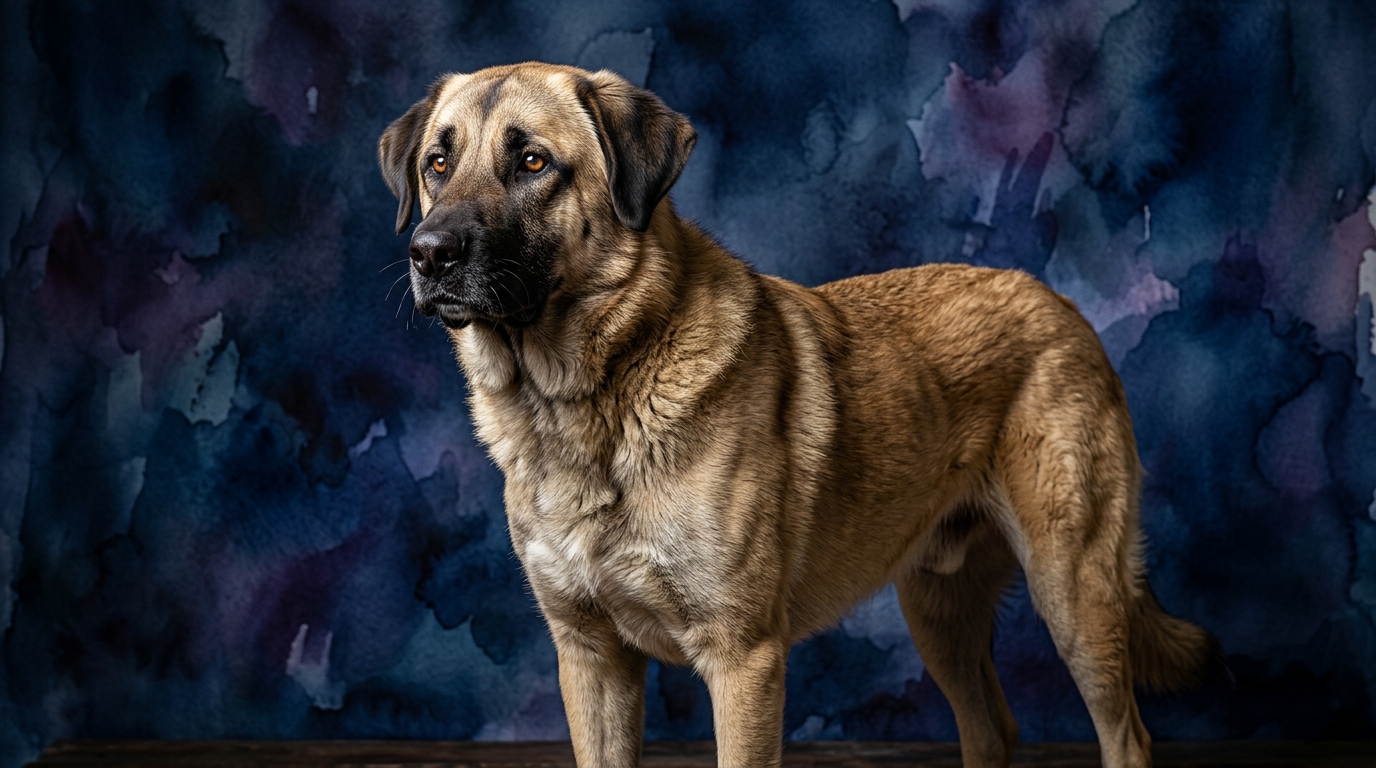
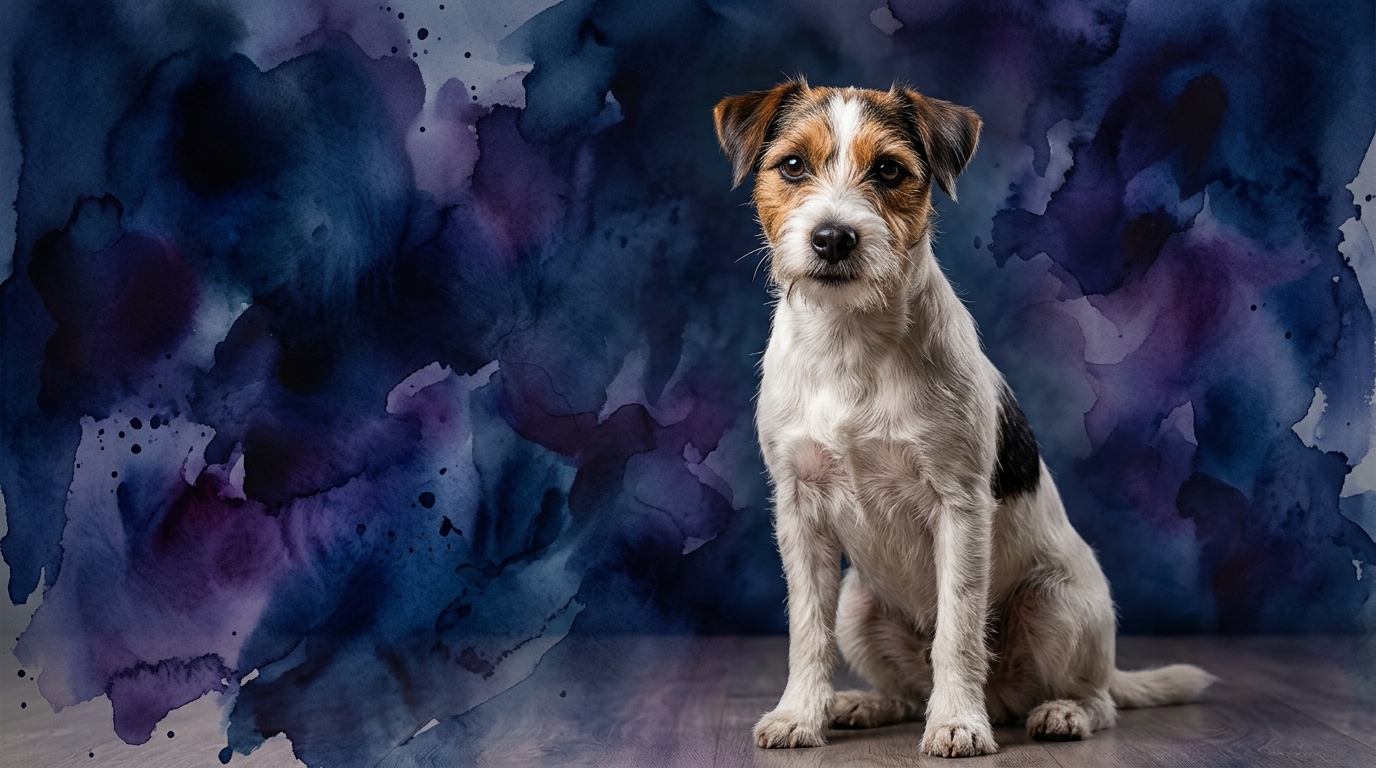
Side-by-Side IQ Profile: Guardians vs. Go-Getters
While both the Anatolian Shepherd Dog and the Parson Russell Terrier score a consistent 3/5 across all five cognitive dimensions in The Cosmic Pet Pet IQ Lab, the manifestation of these scores is uniquely shaped by their distinct breed histories and inherent drives.
For the **Anatolian Shepherd Dog**, a 3/5 in **Problem Solving** often applies to assessing environmental threats and strategizing protection. Their cognitive efforts are typically directed at independent decision-making in a guarding context, such as determining if a new sight or sound poses a risk to their flock or family, rather than intricate puzzles. A 3/5 in **Training Speed** means they learn new commands at a moderate pace, but their deep-seated independence means they process information through the lens of utility, often requiring compelling motivation to comply. Their **Social Intelligence** (3/5) revolves around establishing and maintaining order within their perceived 'flock,' discerning social hierarchies and reacting to subtle cues within their group with quiet watchfulness. The **Instinctive Drive** (3/5) is heavily geared towards vigilant protection and guardianship, manifesting as a strong territorial sense. Finally, their **Memory** (3/5) is robust, particularly for routines, territorial boundaries, and individuals they consider part of their inner circle, retaining learned behaviors over extended periods.
In contrast, the **Parson Russell Terrier's** 3/5 in **Problem Solving** often involves navigating complex physical environments, such as finding the fastest route through an agility course or figuring out how to access a perceived 'prey' item. Their approach is characterized by quick assessment and persistent, often physical, attempts to overcome obstacles, reflecting their historical role in fox hunting. A 3/5 in **Training Speed** indicates they learn new tasks at a moderate pace, often with enthusiasm, but their strong independent streak and propensity for following their noses can influence their focus. Their **Social Intelligence** (3/5) allows them to adeptly read cues from humans and other dogs, often to initiate play or gain attention, quickly learning how to integrate into family dynamics. The **Instinctive Drive** (3/5) is primarily focused on hunting, chasing, and exploring, manifesting as a tireless pursuit of small animals, a love for digging, and insatiable curiosity. Their **Memory** (3/5) is good for commands, tricks, and favored locations, contributing to their capacity for learning complex sequences in sports like agility.
Where the Anatolian Shepherd Dog Wins Cognitively
The Anatolian Shepherd Dog's cognitive strengths shine in situations demanding independent judgment for safety and protection. Their mental processes are finely tuned to survey large areas, assess potential threats without constant human direction, and react with measured, appropriate force. This is a nuanced form of problem-solving centered on guardianship, where rash action could be detrimental. For instance, they might discern between a harmless rustle in the bushes and a genuine intruder, a distinction vital to their historical role.
Furthermore, Anatolians demonstrate a cognitive preference for strategic patience and observation. They process environmental changes and social dynamics with a calm, watchful intensity, often formulating a response rather than simply reacting impulsively. This deliberate approach allows them to conserve energy and act decisively only when necessary, a hallmark of their guardian intelligence.
Where the Parson Russell Terrier Wins Cognitively
The Parson Russell Terrier demonstrates a cognitive edge in tasks demanding quick, adaptable problem-solving, particularly those involving physical agility and pursuit. Their minds are wired for rapid assessment of changing situations, such as navigating an intricate scent trail or finding the quickest route through an obstacle course. This isn't solely physical prowess; it’s a cognitive ability to quickly process sensory input and formulate a dynamic physical plan, essential for their energetic lifestyle.
Their cognitive strength also includes an unwavering, tenacious pursuit of perceived goals, often linked to their prey drive. If a Parson Russell decides a particular toy needs to be retrieved from under a couch, their problem-solving involves persistent, varied attempts until success. This determination, fueled by their instincts, is a cognitive trait that drives them to overcome both physical and mental barriers with spirited enthusiasm.
Which is Easier to Train and Why
Despite identical Training Speed scores of 3/5, the perceived 'ease' of training differs significantly between these two breeds due to their underlying behavioral motivations. Training an Anatolian Shepherd Dog requires understanding their independent, guardian mindset. While they can learn commands quickly, their inclination is to evaluate commands for their relevance to their primary function. They might comply if the command aligns with their perception of the situation or if the motivation is compelling, but their deep-seated instinctive drive to protect means they might prioritize perceived threats over a 'sit' command. Success hinges on establishing a clear, respectful relationship where the dog trusts the owner's judgment, rather than expecting blind obedience.
Parson Russell Terriers, also with a 3/5 Training Speed, approach training with enthusiasm but also with a strong sense of self-direction. Their instinctive drive for exploration and pursuit means they can be easily distracted by environmental stimuli. While they pick up cues readily, maintaining their focus requires engaging methods, positive reinforcement, and short, varied sessions. Their social intelligence allows them to understand human intentions, but their energetic nature and independent streak mean they might try to 'negotiate' or simply follow a more interesting scent. Training is often a game of wits and consistency against their lively terrier spirit.
Ultimately, neither breed is 'easy' in the conventional sense, but for different reasons. The Parson Russell Terrier's exuberance and strong prey drive can make focus challenging, requiring an owner who can channel their energy and make training a fun, engaging game. The Anatolian Shepherd Dog's independence and guarding instincts mean an owner must earn their cooperation and respect, focusing on building a partnership rather than enforcing strict obedience. For an owner seeking a dog that readily defers, both will present unique challenges, but the Parson's eagerness to participate, even if distractible, might feel more 'trainable' than the Anatolian's thoughtful autonomy.
Matching Breeds to Lifestyles: Active vs. Relaxed Owners
The **Parson Russell Terrier** is undeniably suited for active owners. Their relentless energy, instinctive drive for chasing, and need for mental engagement demand significant daily exercise and structured activities. Owners who enjoy hiking, running, dog sports like agility or earthdog trials, or who can provide extensive off-leash exploration will find a fulfilling partnership. Their cognitive need for problem-solving in dynamic environments means they thrive on challenges that engage both mind and body, making them ideal for owners with a similarly energetic lifestyle.
The **Anatolian Shepherd Dog**, while needing regular exercise, particularly in their younger years, is generally a more reserved presence indoors. Their cognitive strengths lean towards observation and independent judgment, which translates to a calmer demeanor once their guarding duties are understood and they feel secure in their environment. They are not typically a breed that demands constant physical activity from their owner beyond daily walks and patrolling their territory. Owners who appreciate a watchful, independent companion and can provide a secure, spacious environment without necessarily engaging in high-intensity sports might find the Anatolian a better fit. However, 'relaxed' doesn't mean 'inactive' – they still require opportunities for purposeful activity and mental stimulation to prevent boredom.
The Verdict
Select an Anatolian Shepherd Dog if you seek a vigilant, independent guardian who brings a thoughtful, protective presence to your home and property, and you are prepared to nurture their autonomous decision-making.
Opt for a Parson Russell Terrier if you desire an energetic, tenacious companion for adventures, dog sports, and engaging mental challenges, and you are ready for their spirited and determined approach to life.
🧠 Find Your Pet's IQ Score
Our Pet IQ Lab assessment covers 25+ tests across 5 cognitive dimensions — personalized to your breed.
Take the Full IQ Test →Frequently Asked Questions
Are Anatolian Shepherd Dogs good family companions?
Anatolian Shepherd Dogs can be devoted family companions, especially with early socialization and consistent training. Their social intelligence allows them to form strong bonds and understand family dynamics, but their inherent guarding instincts mean they are often reserved with strangers and require a secure environment.
Do Parson Russell Terriers require extensive grooming?
Parson Russell Terriers have a relatively low-maintenance coat, but they do require regular grooming. Their wirehaired or smooth coats benefit from weekly brushing to remove loose hair, and wirehaired varieties may need hand-stripping a few times a year to maintain coat texture and health.
What kind of mental stimulation do these breeds need?
The Anatolian Shepherd Dog thrives on purposeful activity like guarding or patrolling, requiring mental engagement through observation and independent decision-making in a secure territory. The Parson Russell Terrier needs consistent mental challenges through puzzle toys, obedience training, and dog sports to satisfy their high energy and problem-solving drive.