Side-by-Side Cognitive Profiles: Guardians vs. Gundogs
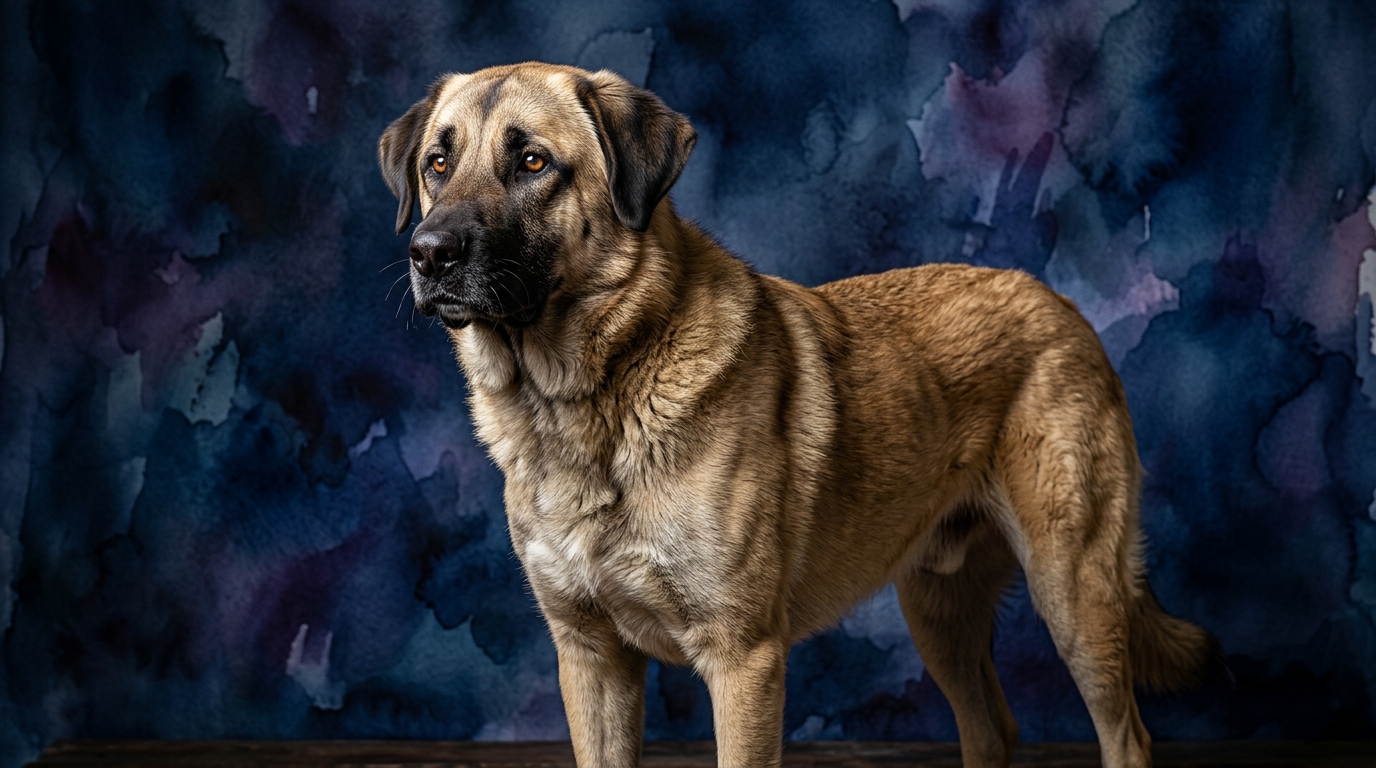
The Anatolian Shepherd Dog, a formidable livestock guardian, exhibits a cognitive profile sculpted by centuries of independent work. Their problem-solving ability scores a 3 out of 5, reflecting a capacity for autonomous decision-making in complex, often ambiguous, situations rather than quick puzzle-solving for human amusement. Training speed is also rated 3 out of 5, as these dogs learn, but their innate independence means they often evaluate commands based on perceived utility and respect, not blind obedience. Social intelligence, at 3 out of 5, centers on discerning threats and protecting their charges, making them highly attuned to their immediate family or flock.
Their instinctive drive, a robust 3 out of 5, is dominated by a profound guarding impulse, driving their vigilance and territorial behavior with unwavering commitment. Finally, memory, also at 3 out of 5, is strong for environmental details, routines, and identifying potential dangers within their domain, crucial for their role as watchful protectors. This combination of traits creates a dog whose cognitive strengths lie in self-reliance and strategic defense.
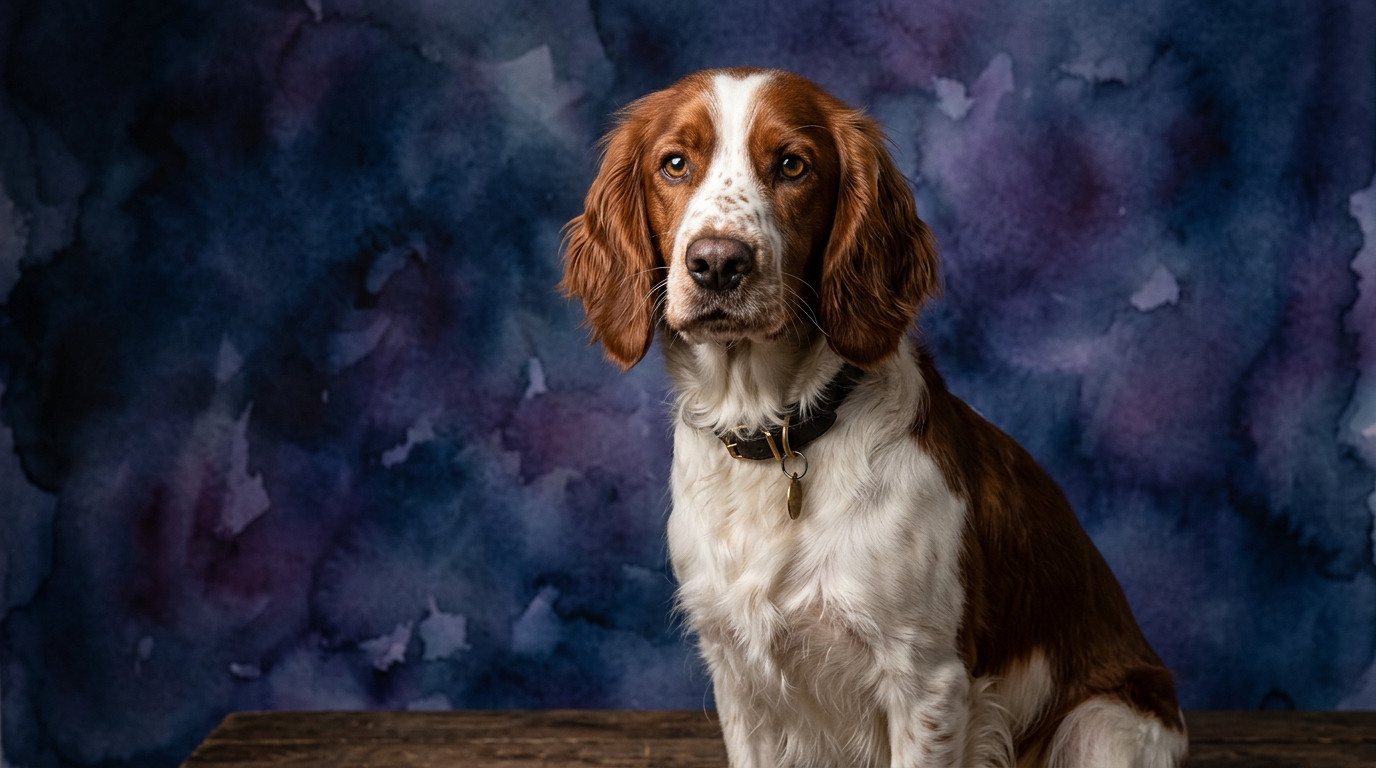
In contrast, the Welsh Springer Spaniel, a lively sporting dog ranked #31 by Coren, presents a different set of cognitive strengths. Their problem-solving ability is a robust 4 out of 5, showcasing a good capacity for understanding tasks and figuring out how to achieve goals, particularly those involving retrieval or navigation. Training speed also scores 4 out of 5, indicating a general eagerness to learn new commands and concepts quickly, often driven by a desire to cooperate with their handler. Social intelligence, at 3 out of 5, reflects their friendly nature and ability to integrate well into human families, understanding social cues for companionship and cooperative work.
Their instinctive drive, a balanced 3 out of 5, is characterized by strong retrieving and scenting abilities, fueling their enthusiasm for outdoor activities and focused tasks. Memory, a noteworthy 4 out of 5, allows them to retain a wide array of learned behaviors, complex sequences, and specific locations, which is highly advantageous for advanced training and field work. The Welsh Springer Spaniel's cognitive makeup is thus geared towards active collaboration and responsive learning.
Where the Anatolian Shepherd Dog Excels Cognitively
The Anatolian Shepherd Dog's cognitive edge lies in its profound independence and strategic vigilance. While not the fastest to learn human-initiated commands, their problem-solving (3/5) is uniquely tailored for autonomous decision-making in the absence of human direction. This means they are adept at assessing threats, discerning intentions, and devising deterrent strategies on their own, a critical skill for a livestock guardian.
Their social intelligence (3/5), though not geared towards complex human-dog games, is acutely tuned to threat detection and protective roles. They exhibit a nuanced understanding of their territory and its inhabitants, making them superior in identifying and responding to perceived dangers to their family or flock. This breed's memory (3/5) is particularly strong for details pertaining to their environment and the patterns of those within it, enabling consistent, reliable guardianship over extensive areas.
Where the Welsh Springer Spaniel Excels Cognitively
The Welsh Springer Spaniel shines in areas requiring cooperative engagement and rapid learning. Their problem-solving (4/5) is quicker and more adaptable to human-directed tasks, allowing them to excel at navigating agility courses, solving puzzle toys, or figuring out how to retrieve specific items. This makes them highly rewarding for owners who enjoy interactive challenges.
Their superior training speed (4/5) is a significant advantage, as they grasp new concepts and commands with enthusiasm and relative ease, often eager to please their handler. This responsiveness facilitates more advanced obedience, trick training, and participation in various dog sports. Furthermore, their excellent memory (4/5) allows them to retain a vast repertoire of commands and learned behaviors, making them consistent performers and adaptable to complex training regimens. Their social intelligence (3/5) fosters a strong, cooperative bond with their human companions, making them intuitive partners in work and play.
Ease of Training: A Matter of Motivation and Role
When it comes to ease of training, the Welsh Springer Spaniel generally presents a more straightforward experience for most owners. Their higher training speed (4/5) and innate desire to work cooperatively with humans mean they are typically more responsive to positive reinforcement and traditional obedience methods. They enjoy the learning process and are motivated by praise, treats, and the opportunity to engage with their handler. Their Coren ranking of #31 further attests to their biddability and capacity for learning a significant number of commands with fewer repetitions.
The Anatolian Shepherd Dog, conversely, offers a more challenging training journey. Their problem-solving (3/5) is geared towards independent thought, and their training speed (3/5) reflects a breed that often questions the purpose of a command if it doesn't align with their inherent guarding instincts. They are not as inherently eager to please and may require more patience, consistency, and a deep understanding of their unique motivations. Training an Anatolian Shepherd Dog demands building a respectful partnership where the dog trusts the handler's judgment, rather than expecting immediate, unquestioning obedience. Their behaviors are often driven by perceived necessity rather than a desire for human approval.
Matching Breeds to Lifestyles: Active Engagement vs. Independent Vigilance
The Welsh Springer Spaniel is an ideal companion for active owners who thrive on shared experiences and cooperative engagement. Their sporting heritage means they possess considerable stamina and a need for regular, structured exercise, such as long hikes, retrieving games, or participation in dog sports like agility or flyball. They benefit immensely from owners who can provide consistent mental stimulation through training and varied activities, channeling their energetic instincts positively. An owner who enjoys being outdoors and wants a dog to actively participate in their hobbies will find a fulfilling partner in a Welsh Springer Spaniel.
The Anatolian Shepherd Dog suits owners who appreciate and can accommodate a breed's independent nature and strong guardian instincts. While they require secure, ample space for patrolling and vigilance, their activity isn't typically focused on high-intensity, human-led sports. Instead, their mental and physical needs are met through monitoring their territory and family. Owners for this breed must be prepared for a consistent, patient approach to guidance, understanding that their dog's primary drive is protection rather than constant interactive play. They are better suited for homes with experience managing a self-reliant guardian, rather than those seeking a highly biddable, constantly engaged companion for varied activities.
The Verdict
Choose the Anatolian Shepherd Dog if you require a steadfast, independent guardian for property or livestock, appreciate a self-reliant thinker, and are prepared for a long-term commitment to consistent, respectful guidance.
Opt for the Welsh Springer Spaniel if you seek an enthusiastic, cooperative companion for active pursuits, enjoy engaging in varied training, and desire a generally more biddable and responsive canine partner.
🧠 Find Your Pet's IQ Score
Our Pet IQ Lab assessment covers 25+ tests across 5 cognitive dimensions — personalized to your breed.
Take the Full IQ Test →Frequently Asked Questions
Is the Anatolian Shepherd Dog harder to train than the Welsh Springer Spaniel?
Yes, the Anatolian Shepherd Dog's independent nature and specific guarding instincts make them more challenging to train for traditional obedience compared to the Welsh Springer Spaniel. The Welsh Springer Spaniel generally exhibits a greater eagerness to please and faster training speed, making them more responsive to typical methods.
Which breed is better for a first-time dog owner?
The Welsh Springer Spaniel is generally a more suitable choice for a first-time dog owner due to their more cooperative nature, quicker learning curve, and adaptability to various training methods. The Anatolian Shepherd Dog's independence and strong protective instincts require an experienced owner committed to extensive socialization and specific guidance.
Do both breeds require a lot of exercise?
Both breeds benefit from regular activity, but their needs differ in type. The Welsh Springer Spaniel thrives on structured exercise, such as retrieving games, long walks, or dog sports, to satisfy their sporting drive. The Anatolian Shepherd Dog requires secure space for patrolling and self-directed vigilance, with less emphasis on human-led high-intensity physical output, though they still need daily movement.