Side-by-Side Pet IQ Lab Profile
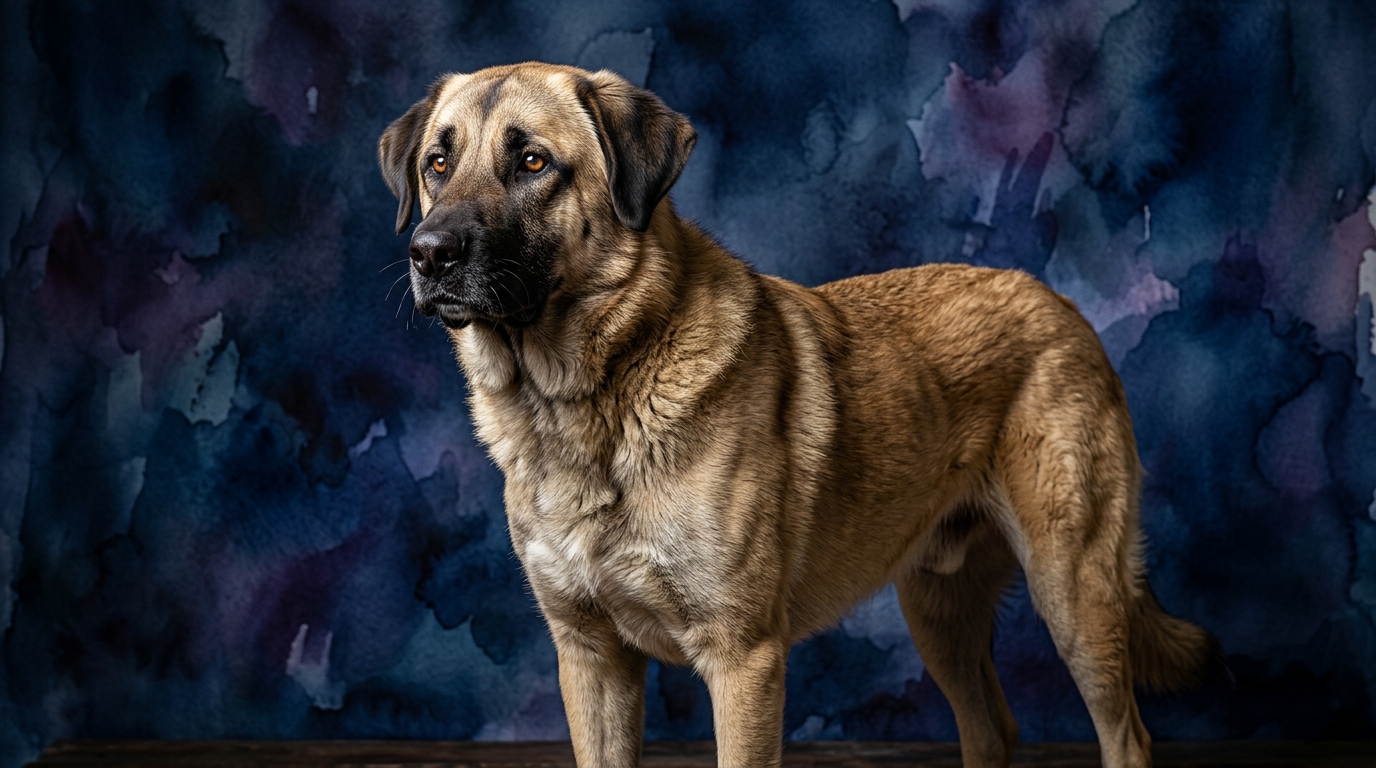
The Anatolian Shepherd Dog, a Working breed, exhibits a Problem Solving score of 3/5, reflecting a capacity for independent thought in guardianship. They assess threats and determine responses without direct command, like deterring predators. Training Speed (3/5) means a moderate pace, requiring consistent reinforcement; their independence makes them weigh commands against their judgment. Social Intelligence (3/5) translates to deep, protective bonds with family/flock and reservation towards strangers, adept at reading subtle cues within their unit. Their Instinctive Drive (3/5) is profoundly centered on guardianship, an inherent urge to survey and alert to dangers. Memory (3/5) is solid for routines, locations, and individuals crucial to their protective role, aiding vigilance over their domain.
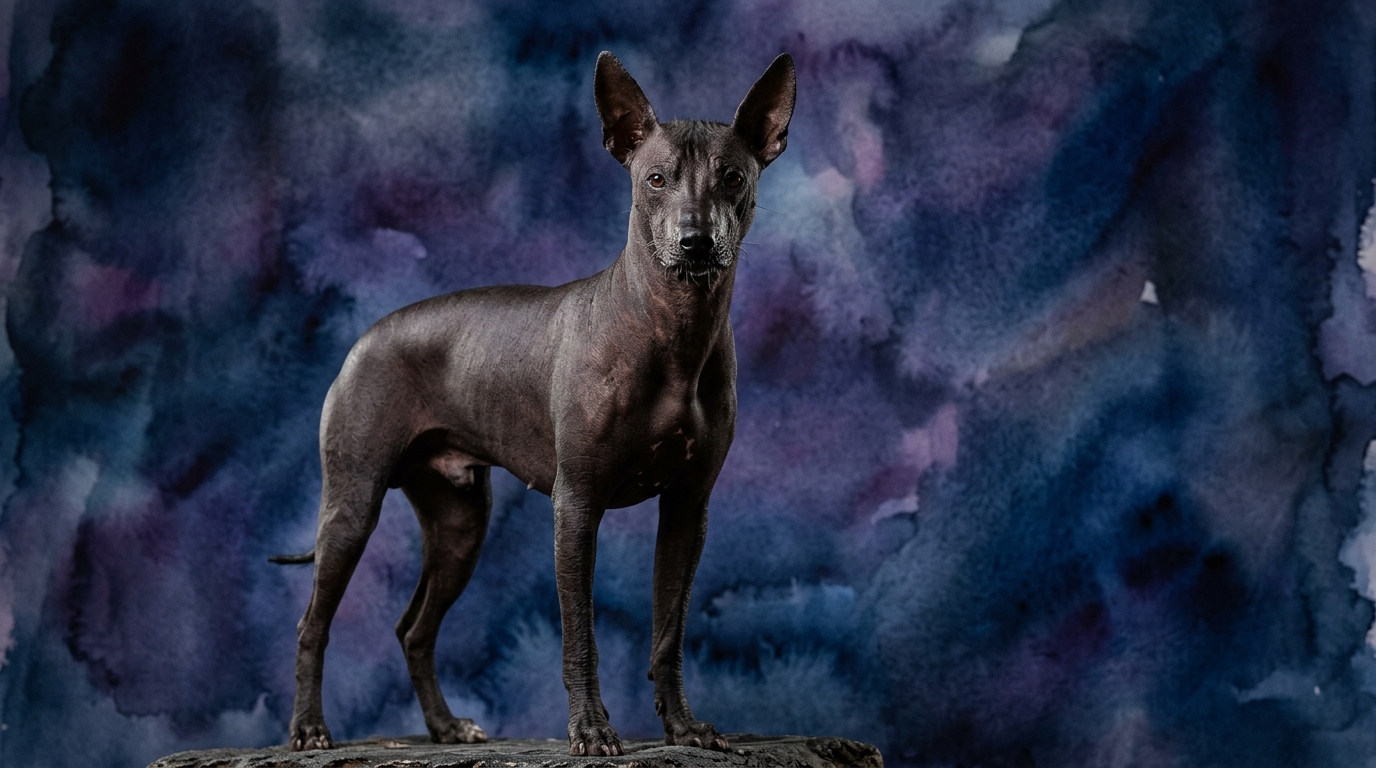
The Xoloitzcuintli, a Non-Sporting breed, shows Problem Solving (3/5) manifesting in clever domestic navigation, like opening doors or communicating desires for comfort. Training Speed (3/5) indicates moderately quick learning, responsive to positive reinforcement; their sensitivity thrives with gentle guidance. Social Intelligence (3/5) highlights deep attachment to human family, forming empathetic connections and anticipating moods. While devoted, they can be reserved with strangers due to sensitivity. Their Instinctive Drive (3/5) is rooted in companionship, a natural inclination to be near people, often acting as "velcro dogs," alongside alertness. Memory (3/5) is good for people, places, and routines, aiding consistent companionship and home navigation.
Where the Anatolian Shepherd Dog Wins Cognitively
The Anatolian Shepherd Dog’s cognitive strengths particularly shine in autonomous decision-making and strategic environmental assessment. Their problem-solving (3/5) is uniquely tailored for proactive, independent guardianship, evaluating complex threats and reacting judiciously without human intervention—a critical mental process for protecting flocks. Their instinctive drive (3/5) is a refined cognitive tool, manifesting as an innate ability to vigilantly survey, patrol, and distinguish genuine danger. Social intelligence (3/5) excels in discerning intent, classifying individuals as inner circle or outsiders, vital for their protective role. Their memory (3/5) is about recalling patterns, past threats, and safe zones across territories, essential for their demanding job.
Where the Xoloitzcuintli Wins Cognitively
Conversely, the Xoloitzcuintli excels in cognitive areas centered on intimate human connection and domestic adaptability. Their social intelligence (3/5) is a profound strength, allowing them to forge deep, empathetic bonds with caregivers, often anticipating human moods. This reflects a sophisticated understanding of family dynamics. Their problem-solving (3/5) is finely tuned for navigating a human household, whether finding comfort or communicating desires. The Xolo’s training speed (3/5) benefits from their desire for closeness and positive interaction, making them highly responsive to praise. Their memory (3/5) is strong for personal routines and human preferences, contributing to seamless family integration. Their intelligence is expressed through connection and adaptation within a close-knit human environment.
Which is Easier to Train and Why
While both breeds rate 3/5 for training speed, their trainability differs significantly due to temperament and roles. The Xoloitzcuintli generally proves easier for typical companion behaviors. Their deep social intelligence and desire for close human connection mean they are motivated by praise and owner engagement, responding well to gentle, positive reinforcement for household manners. The Anatolian Shepherd Dog presents a more nuanced challenge. Their strong instinctive drive for independent guardianship means they make their own decisions, often weighing commands against perceived necessity for protection. While capable learners (3/5 training speed), their independence demands an owner who respects their self-reliance. Training an Anatolian requires immense patience, clear boundaries, and building a relationship based on mutual respect, rather than unquestioning obedience; they learn best when commands are logical and beneficial.
Which Suits Active Owners vs. Relaxed Owners
When considering lifestyle fit, cognitive profiles guide suitable owner types. The Anatolian Shepherd Dog, with its powerful instinctive drive (3/5) for guardianship and problem-solving (3/5) geared towards independent protection, thrives with active, experienced owners. They require ample mental and physical engagement tailored to their working heritage, including outdoor space and patrolling opportunities. A relaxed owner unable to fulfill these needs risks boredom or undesirable drive expressions. Conversely, the Xoloitzcuintli, with its profound social intelligence (3/5) and memory (3/5) for routines, can suit both active and more relaxed owners, provided social needs are met. While often lively, Xolos are content to cuddle. Their primary need is consistent human companionship and mental stimulation through interaction, making them adaptable to apartment living with sufficient exercise. They are a versatile choice for owners seeking a devoted, sensitive companion that integrates seamlessly into family life.
The Verdict
Choose an Anatolian Shepherd Dog if you are an experienced owner seeking an independent, protective guardian for a large property or a specific working role.
Choose a Xoloitzcuintli if you desire a deeply bonded, sensitive companion dog that integrates closely into family life and thrives on consistent human interaction.
🧠 Find Your Pet's IQ Score
Our Pet IQ Lab assessment covers 25+ tests across 5 cognitive dimensions — personalized to your breed.
Take the Full IQ Test →Frequently Asked Questions
Do Anatolian Shepherds bond well with families despite their independence?
Yes, Anatolian Shepherds form deep, protective bonds with their immediate family, viewing them as their flock to guard. While independent in decision-making, their social intelligence drives a strong loyalty to their chosen humans.
Are Xoloitzcuintli good with children and other pets?
Xolos can be excellent with children and other pets, especially when raised with them, due to their strong social intelligence and desire for companionship. However, their sensitivity means they thrive in homes where interactions are gentle and respectful.
What kind of mental stimulation do these breeds need?
Anatolian Shepherds need mental stimulation related to their guardianship instincts, like supervising their property or engaging in problem-solving games that mimic their protective duties. Xoloitzcuintli benefit from interactive play, puzzle toys, and consistent training that leverages their desire for human connection.