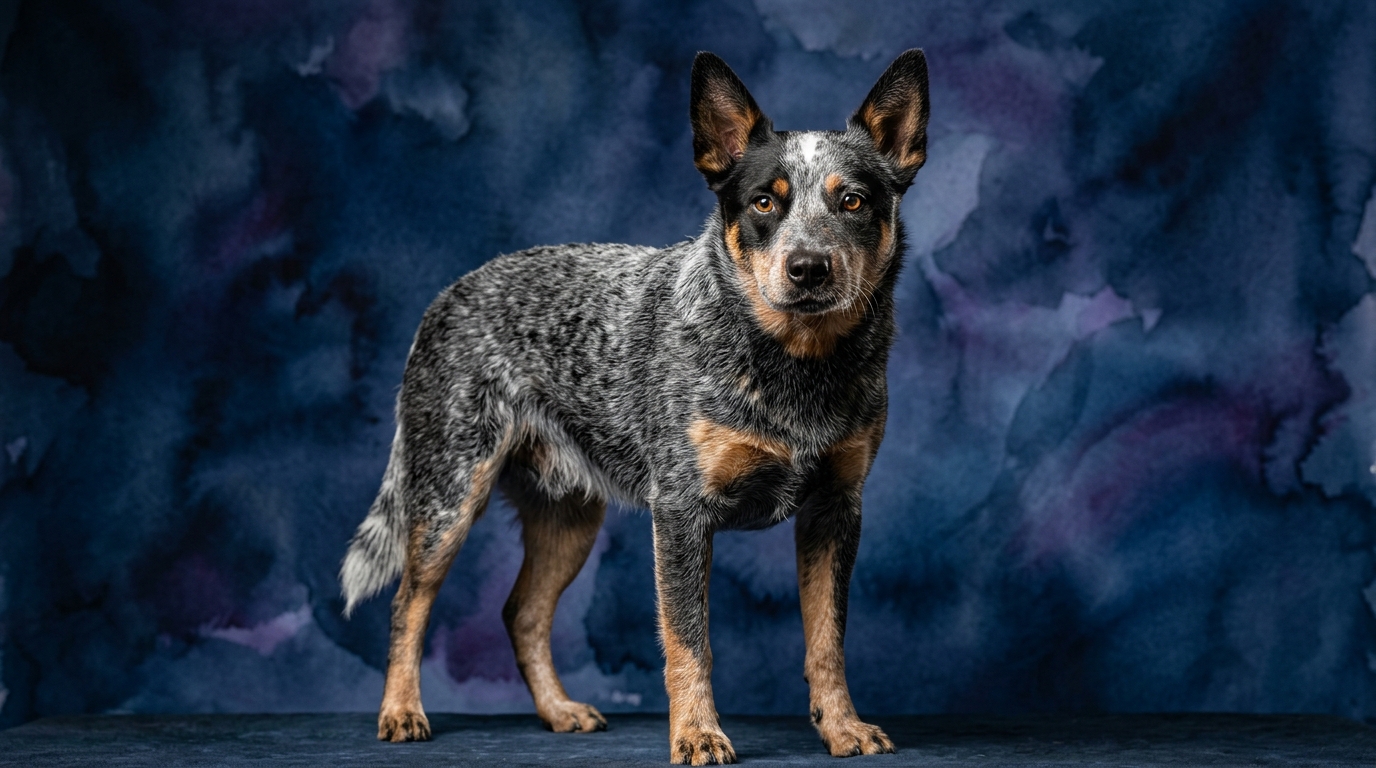
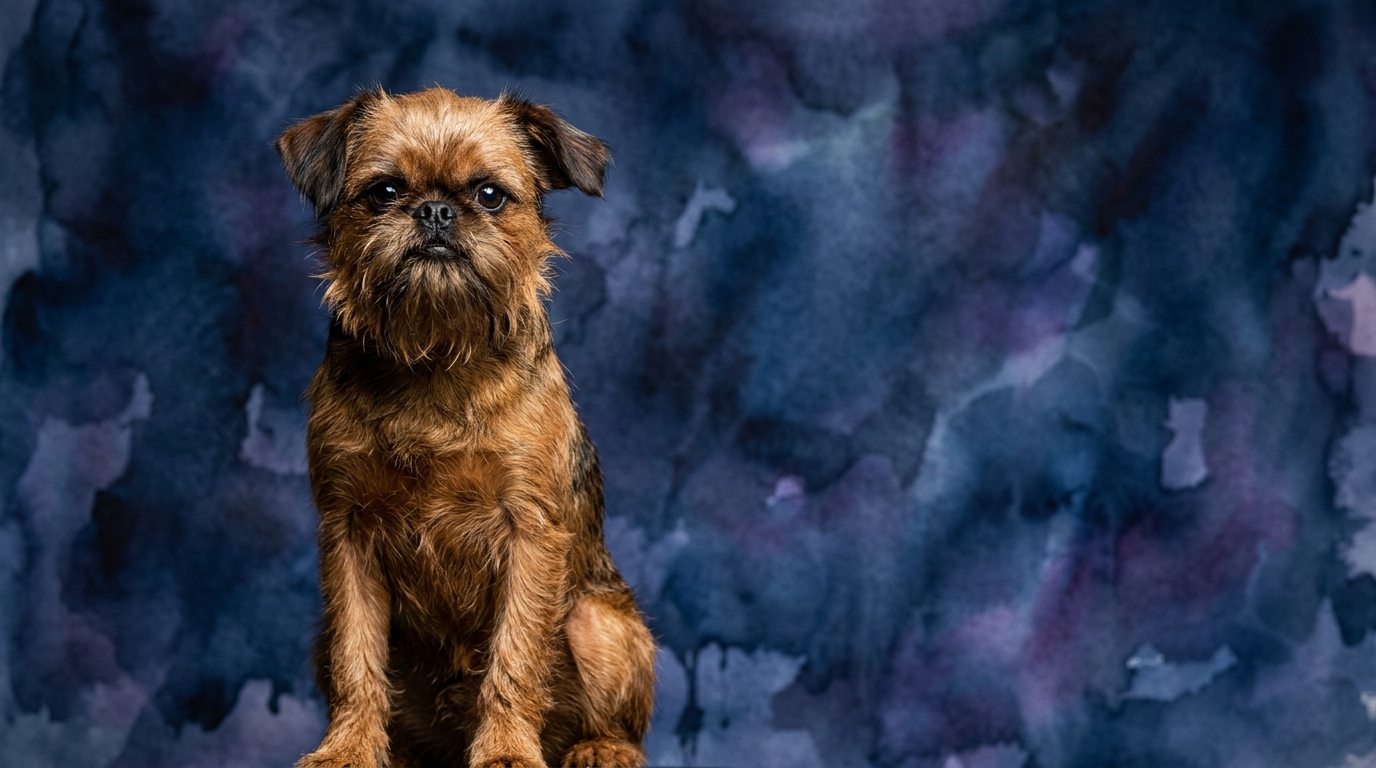
Side-by-Side IQ Profile: Australian Cattle Dog vs. Brussels Griffon
The Cosmic Pet Pet IQ Lab provides a unique lens through which to compare canine cognition, breaking down intelligence into five key dimensions. For the Australian Cattle Dog, a formidable herding breed, their profile reflects their demanding working heritage. They score an exceptional 5/5 in Problem Solving, indicating an advanced capacity for independent thought and devising solutions to complex, often physical, challenges. Their Training Speed is also a perfect 5/5, showcasing rapid acquisition of new commands and routines, often grasping concepts in very few repetitions. Social Intelligence stands at a moderate 3/5, primarily geared towards effective work partnerships rather than broad emotional attunement. A powerful 5/5 in Instinctive Drive highlights their profound, innate urge to herd, chase, and control, a motivational force shaping their cognitive application. Finally, their Memory is an outstanding 5/5, crucial for retaining complex, multi-step tasks over time.
In contrast, the Brussels Griffon, a delightful toy companion, presents a cognitive profile suited to a different lifestyle. Their Problem Solving capability is rated 3/5, meaning they are competent at solving straightforward puzzles like finding hidden treats or navigating familiar home obstacles, though less inclined towards abstract challenges. Training Speed is also 3/5, indicating they learn at a steady pace, requiring consistent repetition and clear motivation. Their Social Intelligence matches the ACD at 3/5, often forming strong bonds and responding keenly to familiar social cues within their human family. Instinctive Drive is a moderate 3/5, with innate urges primarily focused on companionship and play, rather than intense working drives. Their Memory is a solid 3/5, allowing for good recall of familiar routines, people, and basic commands, but perhaps less capacity for extensive, intricate sequences.
Where the Australian Cattle Dog Wins Cognitively
The Australian Cattle Dog’s cognitive strengths are particularly evident in areas demanding high-level independent thought and sustained mental effort. Their 5/5 Problem Solving score signifies a mind built for intricate challenges; they don't just follow instructions but analyze situations, anticipate outcomes, and innovate solutions, whether outsmarting a cunning sheep or devising a new approach to an agility course obstacle. This independent thinking is a hallmark of their cognitive prowess.
Their perfect 5/5 in Training Speed combined with a 5/5 in Memory means these dogs are exceptionally quick to learn and retain complex information. They can pick up multi-stage commands in fewer repetitions than many breeds and recall them accurately even after long breaks. This makes them ideal candidates for advanced obedience, intricate dog sports, and demanding working roles where precision and reliability are paramount. Furthermore, the Australian Cattle Dog's 5/5 Instinctive Drive isn't just about physical energy; it's a profound cognitive engine. This powerful inherent motivation channels their problem-solving and memory into purposeful action, ensuring their minds are constantly engaged in assessing, planning, and executing tasks related to their herding heritage, transforming potential into performance.
Where the Brussels Griffon Wins Cognitively
While the Brussels Griffon's scores are generally lower than the ACD's, their cognitive profile is perfectly adapted to their role as a companion, highlighting unique strengths in a domestic context. Their Social Intelligence, rated 3/5, is particularly suited to companionship, with cognitive efforts often directed towards understanding subtle human cues, anticipating their owner's needs for comfort, and engaging in reciprocal social interactions. This makes them exceptionally attuned and responsive companions, leveraging their intelligence for connection rather than command.
The Brussels Griffon's 3/5 Problem Solving manifests in a cleverness geared towards their immediate, comfortable world. They might not herd sheep, but they excel at figuring out how to get onto a forbidden couch, manipulate their owner for an extra treat, or strategically position themselves for maximum affection. Their cognitive efforts prioritize comfort, attention, and maintaining their preferred social dynamics within the home. Moreover, their 3/5 Memory is perfectly adequate for their lifestyle, allowing them to recall daily routines, the preferences of their human family members, and the locations of their favorite toys or resting spots. This memory contributes to their predictability and their ability to integrate seamlessly into a household, providing a stable and comforting presence.
Which is Easier to Train and Why
The question of “easier to train” is nuanced when comparing these two breeds, largely depending on the owner's goals and experience. The Australian Cattle Dog, with its 5/5 Training Speed and Memory, is undeniably faster at acquiring complex commands and retaining them. They possess an inherent eagerness to work and a drive to please a respected handler, making them highly receptive to instruction. However, this cognitive intensity also means they require consistent mental stimulation and a clear “job.” Without sufficient engagement, their intelligence can manifest as destructive behaviors, stubbornness, or attempts to “herd” family members. Training an ACD is less about overcoming a lack of understanding and more about channeling their prodigious mental energy and ensuring they always have a purpose.
Conversely, the Brussels Griffon, with its 3/5 Training Speed, learns at a more moderate pace. They are not as inherently driven by a working impulse and can be more sensitive, potentially shutting down with harsh methods. Training a Brussels Griffon requires patience, positive reinforcement, and making the process enjoyable and rewarding, often through treats or play. While they might take longer to master a new command, their training needs are generally less demanding in terms of intensity and complexity. They are easier to train for basic household manners and companionship, as their cognitive focus naturally leans towards social interaction within the family, rather than a demanding work ethic. An ACD might learn a complex sequence in one session, but a BG might be easier to live with if only basic manners are required.
Which Suits Active Owners vs. Relaxed Owners
The Australian Cattle Dog is unequivocally suited for active owners. Their exceptional instinctive drive, coupled with their problem-solving and memory capabilities, means they require substantial physical exercise and, crucially, consistent mental challenges. Owners who enjoy dog sports like agility, herding, flyball, or who seek a diligent hiking or running partner will find an ACD thrives in such environments. They need a “job” to do, whether it's formal training, puzzle toys, or long, exploratory walks that engage their keen senses. An ACD with insufficient mental or physical outlets can become bored, leading to undesirable behaviors like excessive barking, chewing, or nipping.
The Brussels Griffon, on the other hand, is an ideal match for more relaxed owners. While they enjoy play and short walks, their exercise needs are moderate, and their cognitive engagement is primarily satisfied through social interaction and comfort within the home. They are content with indoor games, snuggling on the couch, and observing the family's activities. Their problem-solving skills are more often applied to household dynamics – figuring out how to get attention or a favored spot – rather than complex outdoor tasks. They adapt well to apartment living and are excellent companions for individuals or families seeking a devoted, charming presence without the demanding cognitive and physical requirements of a working breed.
The Verdict
When seeking a canine companion, choose the Australian Cattle Dog if you are an experienced, highly active individual or family capable of consistently providing rigorous physical exercise and extensive mental stimulation, perhaps for dog sports, working roles, or as an adventurous partner for outdoor pursuits.
Opt for the Brussels Griffon if you desire a devoted, charming companion who thrives on social interaction and comfort within a home environment, offering moderate activity needs and a keen focus on family bonding.
🧠 Find Your Pet's IQ Score
Our Pet IQ Lab assessment covers 25+ tests across 5 cognitive dimensions — personalized to your breed.
Take the Full IQ Test →Frequently Asked Questions
Do Australian Cattle Dogs make good family pets despite their strong instincts?
Yes, but they require significant socialization, consistent training, and active engagement to thrive in a family setting. Their strong herding instincts can manifest as nipping at heels, so families with very young children might need extra vigilance and training to redirect these behaviors.
Are Brussels Griffons difficult to house train given their size?
Brussels Griffons can be a bit more challenging to house train due to their small bladders and sometimes sensitive nature, but with consistent positive reinforcement, a strict schedule, and patience, they can be successfully trained. Crate training is often recommended as an effective tool for this breed.
How do these breeds differ in their need for human interaction?
While both breeds enjoy human companionship, the Brussels Griffon typically has a higher need for constant close proximity and social interaction, often described as “velcro dogs.” The Australian Cattle Dog values companionship but is often more independent, focusing its interaction around shared activities or tasks rather than continuous physical closeness.