Side-by-Side IQ Profile: Herding Prowess vs. Companion Charm
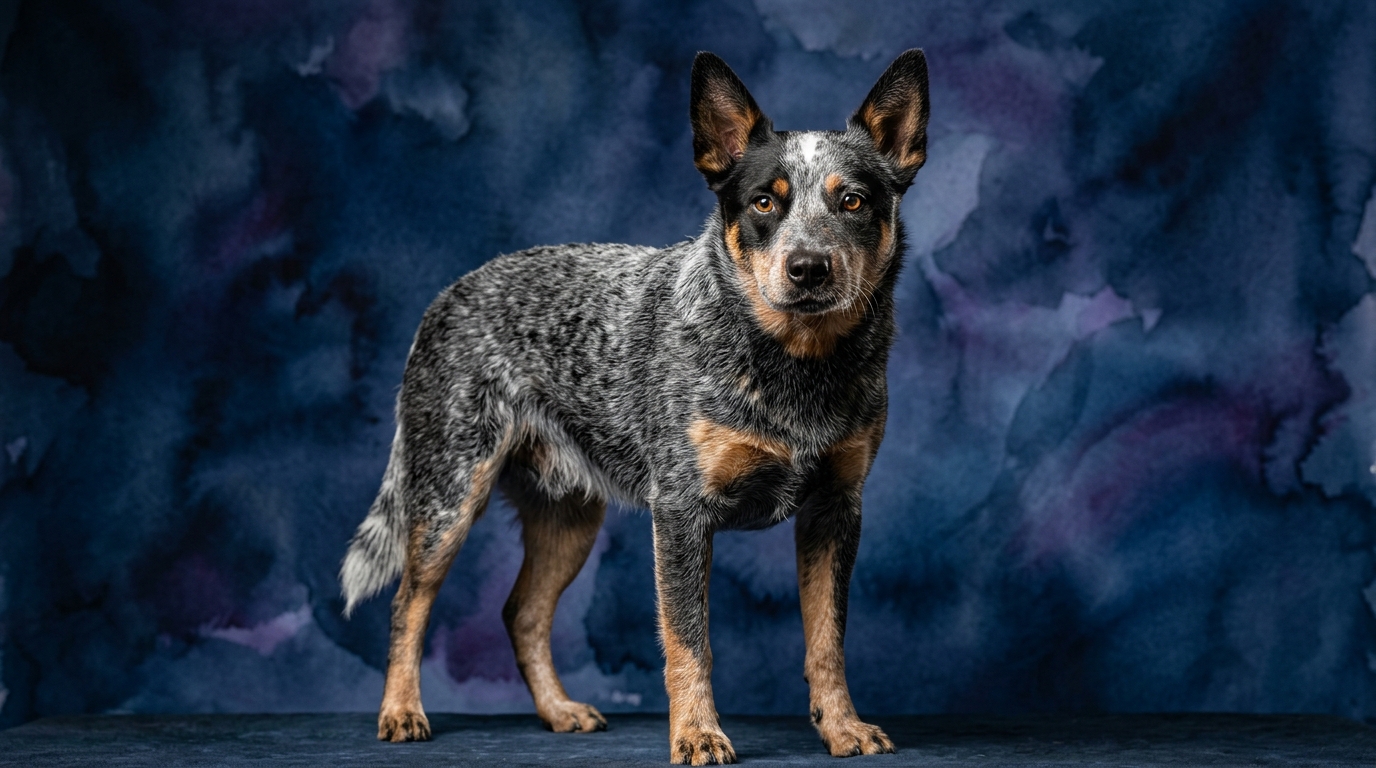
At The Cosmic Pet Pet IQ Lab, we evaluate canine intelligence across five key dimensions, revealing the unique mental architectures of each breed. For the Australian Cattle Dog (ACD), a Herding group member with a Coren rank of #10, their profile reflects a working dog engineered for complex tasks.
The ACD earns a perfect 5/5 in Problem Solving. This score reflects their historical need to independently strategize livestock movement across vast, unpredictable terrains, often anticipating animal behavior and overcoming obstacles without direct human command. Their Training Speed is also a 5/5, indicating an exceptional capacity to quickly grasp and execute new commands, often after just a few repetitions. This rapid assimilation is crucial for a dog expected to learn and adapt to diverse herding scenarios.
In Social Intelligence, the ACD scores 3/5. While deeply bonded to their primary handler, their focus is often task-oriented, making them less outwardly expressive or universally friendly compared to breeds primarily developed for companionship. Their Instinctive Drive is a powerful 5/5, fueled by an unwavering impulse to herd, chase, and manage, a core component of their breed identity. Finally, their Memory is outstanding at 5/5, essential for retaining complex sequences of commands, routines, and the intricate layouts of their working environment.
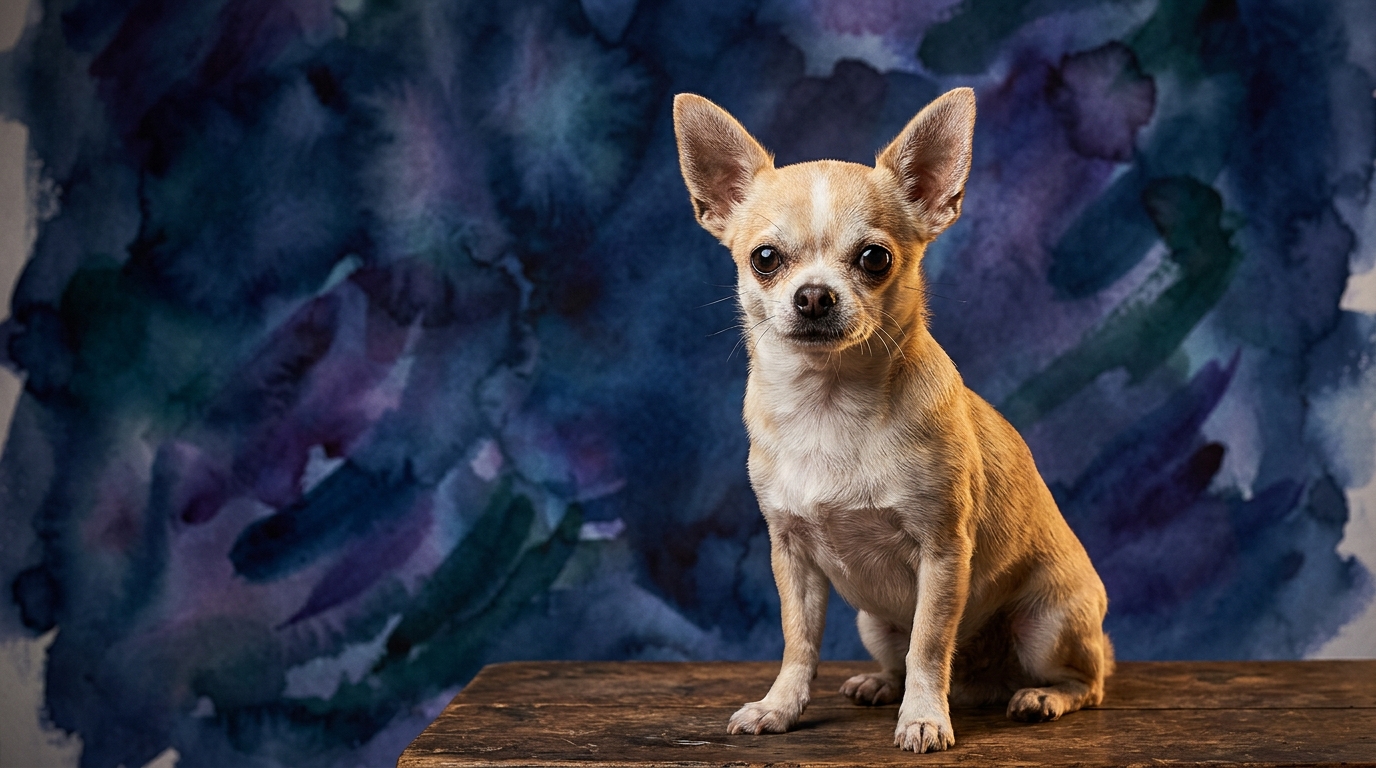
Conversely, the Chihuahua, a Toy group member with a Coren rank of #67, presents a cognitive profile geared towards close human interaction. Their Problem Solving score is 3/5. While capable of navigating their immediate surroundings and solving simple puzzles, their cognitive efforts are typically directed more towards understanding household routines and social dynamics rather than multi-stage strategic challenges.
Chihuahuas score 3/5 in Training Speed. They are certainly trainable, but they may require more repetition and patience to master commands compared to breeds bred for rapid obedience. Their strength truly shines in Social Intelligence, where they earn a 4/5. Chihuahuas are adept at reading human emotions, communicating subtly, and forming profound, often exclusive, bonds with their owners, thriving on close companionship.
Their Instinctive Drive is 3/5, reflecting a moderate impulse for play and companionship rather than intense working behaviors. While they may display territorial instincts, it's not the relentless drive seen in herding breeds. Lastly, their Memory is a respectable 4/5. Chihuahuas demonstrate good recall for routines, people, and places, remembering their favorite napping spots or the schedule for their next meal with precision.
Where the Australian Cattle Dog Excels Cognitively
The Australian Cattle Dog's cognitive superiority is most evident in domains demanding intricate planning and execution. Their problem-solving acumen, rated 5/5, is not merely about finding a toy, but about executing complex sequences to achieve a goal, such as separating specific livestock from a group. This translates into an exceptional ability to learn multi-step commands and adapt them to changing environmental conditions, a skill honed over generations of working independently on vast stations.
Their lightning-fast training speed (5/5) means they absorb new information with remarkable efficiency. An ACD can master a new agility course, a complex scent work pattern, or a series of obedience commands in fewer repetitions than many other breeds. This quick uptake, combined with their superior memory (5/5), allows them to build an extensive repertoire of skills and knowledge, retaining them over long periods and applying them appropriately.
The ACD's powerful instinctive drive (5/5) isn't just about chasing; it's a sophisticated set of behaviors involving flanking, driving, and heading, all performed with precision and control. This drive, coupled with their cognitive capacity, allows them to be incredibly effective partners in demanding tasks, whether it's herding, search and rescue, or competitive dog sports where independent thought within a structured framework is paramount. Their Coren rank of #10 underscores their capacity for understanding and obeying commands, placing them among breeds that demonstrate exceptional working and obedience intelligence.
Where the Chihuahua Shines Cognitively
While the Australian Cattle Dog excels in working tasks, the Chihuahua’s cognitive strengths lie in their profound social and emotional intelligence. Their 4/5 score in social intelligence highlights an innate ability to read and respond to human cues, often anticipating their owner's moods or desires. This makes them exceptionally attuned companions, capable of offering comfort or engaging in play based on subtle shifts in human behavior.
Chihuahuas often demonstrate a remarkable capacity for emotional support, intuitively understanding when their human needs a quiet cuddle versus playful interaction. This isn't about solving complex problems, but about navigating the intricate emotional landscape of human-canine relationships. Their problem-solving (3/5) might be geared more towards figuring out how to get attention or secure a comfortable spot on the sofa, rather than herding sheep, but these are crucial 'problems' within their companion role.
Their memory, rated 4/5, allows them to recall routines, people, and pleasant experiences with clarity. They remember who offers the best lap, the exact time for their walk, or which cabinet holds the treats. This contributes to their stability and comfort within a household environment. Despite their Coren rank of #67, which focuses heavily on working obedience, Chihuahuas demonstrate a distinct form of intelligence centered on adaptability to domestic life and forming deep, reciprocal bonds, a critical aspect often overlooked in traditional intelligence rankings.
Training Dynamics: A Study in Motivation and Patience
Determining which breed is 'easier' to train depends heavily on the owner's goals and understanding of breed-specific motivations. The Australian Cattle Dog, with its 5/5 training speed and strong instinctive drive, is often quicker to pick up new commands and complex routines. Their inherent desire to work and please their handler makes them highly responsive to positive reinforcement, especially when tasks involve problem-solving or movement.
However, this ease comes with a caveat: ACDs demand consistency, mental engagement, and an owner who can channel their intense working drive. Without sufficient stimulation and clear leadership, their problem-solving skills can be redirected towards undesirable behaviors like destructive chewing, excessive barking, or attempting to 'herd' children or other pets. Training an ACD means committing to ongoing mental challenges, not just basic obedience, to prevent boredom and potential stubbornness.
The Chihuahua, scoring 3/5 in training speed, typically requires more repetition and patience. While eager to please their beloved owner, their motivation might be more focused on comfort, treats, or attention rather than the inherent satisfaction of a 'job well done.' Basic obedience for a Chihuahua is entirely achievable, but house-training can sometimes be a longer process due to their small bladder size and potential preference for indoor comfort over venturing outside in inclement weather.
Chihuahuas can also exhibit what's often termed 'small dog syndrome' if not properly socialized and trained. This can manifest as excessive barking, fear-based aggression towards strangers or larger dogs, or a general defiance. These behaviors are often rooted in insecurity rather than a lack of intelligence. Consistent, gentle training and early socialization are vital to nurture their social intelligence and prevent these issues, ensuring they become well-adjusted companions. Therefore, 'easier' for the ACD means faster but more demanding, while for the Chihuahua, it means slower but often requiring more consistent management of social behaviors.
Matching Lifestyles: Active Explorers vs. Relaxed Companions
The cognitive profiles of these breeds directly inform their suitability for different owner lifestyles. The Australian Cattle Dog is unequivocally suited for active owners who can provide substantial physical exercise and, crucially, ample mental engagement. Their 5/5 problem-solving and instinctive drive mean they thrive when given a 'job' to do, whether it's participating in agility, obedience trials, herding, or extensive hiking and exploring. An ACD needs an owner who understands their need for purpose and is prepared to dedicate significant time daily to structured activities.
Owners who enjoy outdoor adventures, live on acreage, or are committed to dog sports will find an ACD a devoted and capable partner. They are not content to be couch potatoes; an under-stimulated ACD can become bored, leading to destructive tendencies or an excess of pent-up energy. Their social intelligence, while strong with their family, is not geared towards being universally gregarious, making them excellent companions for focused, active individuals or families who appreciate a dog with a strong work ethic.
The Chihuahua, on the other hand, is an ideal fit for more relaxed owners or those living in smaller spaces like apartments. While they certainly enjoy walks and playtime, their physical activity requirements are significantly lower than an ACD's. Their 4/5 social intelligence means they thrive on close human interaction and are often content with indoor games, cuddling, and being a constant presence by their owner's side.
Owners seeking a devoted, portable companion who doesn't demand hours of intense exercise will find a Chihuahua a perfect match. They are often adaptable to various social settings, enjoying outings in a carrier or being carried, making them excellent companions for those who want to bring their dog along for daily errands. However, 'relaxed' does not mean 'neglectful'; Chihuahuas still require consistent socialization and basic training to prevent behavioral issues and ensure they are well-adjusted members of the family, leveraging their strong social intelligence for positive interactions.
The Verdict
Choose an Australian Cattle Dog if you are an experienced, active owner dedicated to providing a physically and mentally demanding lifestyle, valuing a keen working partner with exceptional problem-solving and training capabilities.
Opt for a Chihuahua if you seek a devoted, portable companion who thrives on close human interaction, adapts well to smaller living spaces, and appreciates a dog with a big personality and strong social intelligence in a compact form.
🧠 Find Your Pet's IQ Score
Our Pet IQ Lab assessment covers 25+ tests across 5 cognitive dimensions — personalized to your breed.
Take the Full IQ Test →Frequently Asked Questions
Are Chihuahuas truly intelligent, given their lower Coren rank?
Chihuahuas possess a distinct form of intelligence, particularly in social and emotional domains (4/5 social intelligence). While their Coren rank primarily measures working obedience, Chihuahuas excel at understanding human emotions and forming deep bonds, which is a crucial cognitive skill for a companion animal.
Can an Australian Cattle Dog live happily in an apartment?
An Australian Cattle Dog can potentially live in an apartment, but it requires an extraordinary commitment from the owner. Their intense need for physical exercise (instinctive drive 5/5) and mental stimulation (problem solving 5/5) means multiple hours of dedicated activity and training daily, far beyond just walks, to prevent boredom and destructive behaviors.
Do Chihuahuas bark excessively?
Chihuahuas can be prone to barking, often due to their protective nature, fear, or seeking attention. This behavior can be managed with consistent training and early socialization, leveraging their social intelligence to teach appropriate responses and build confidence in various situations.