
Side-by-Side Cognitive Profiles: A Closer Look
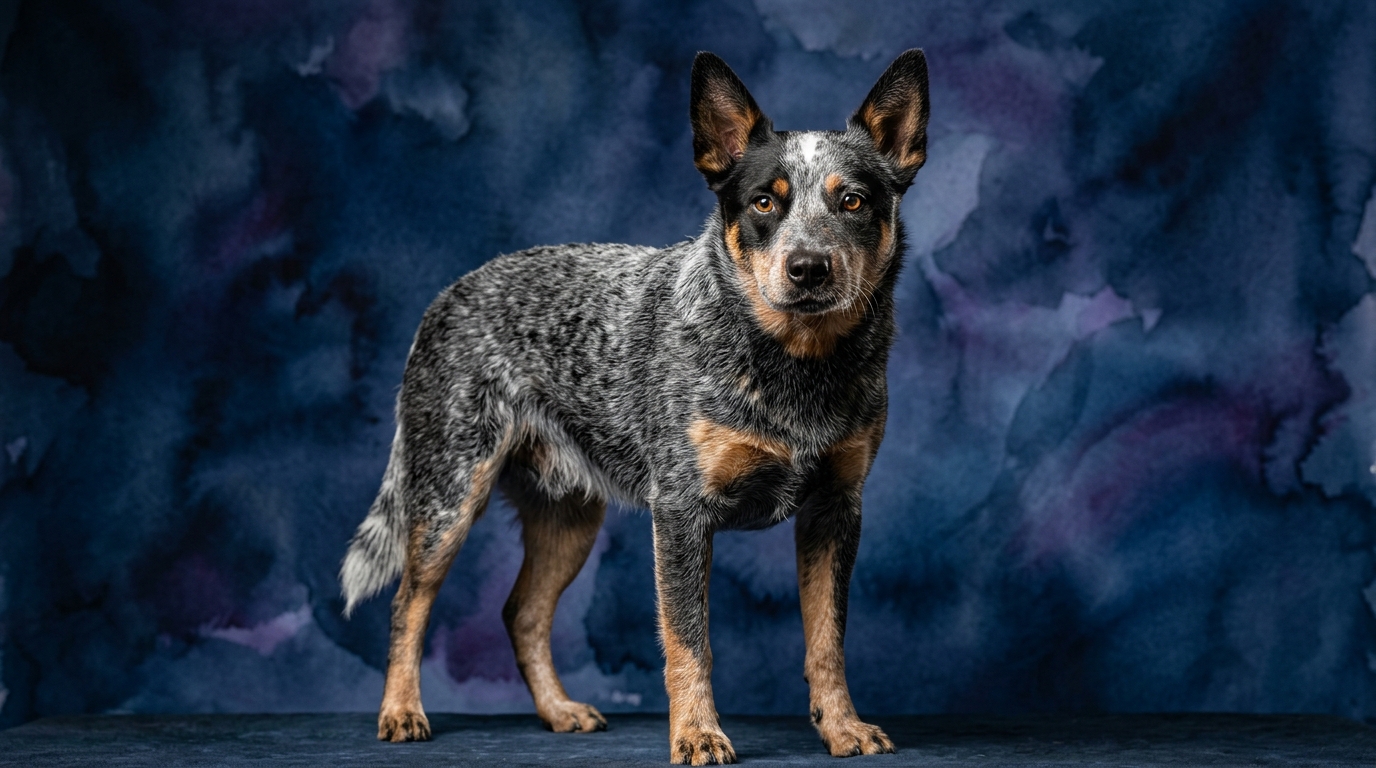
The Australian Cattle Dog (ACD) demonstrates a problem-solving acumen rated at 5/5. These dogs were forged to operate autonomously in challenging environments, independently assessing and reacting to the unpredictable movements of livestock. Their cognitive architecture supports strategic thinking, identifying patterns, and devising on-the-fly solutions to dynamic, real-world challenges, such as separating specific animals or navigating complex terrain while herding. This isn't about simple rote obedience; it’s about applying foresight, resourcefulness, and adaptability in real-time to achieve a specific outcome.
The ACD’s training speed is an impressive 5/5, exhibiting exceptional learning efficiency, often grasping new commands or complex sequences in very few repetitions. This rapid acquisition stems from their intense focus and a profound drive to understand and execute tasks, making them highly responsive to consistent, engaging instruction. They process new information quickly, integrating it into their behavioral repertoire with impressive speed and precision, eager to move onto the next challenge. Their social intelligence is 3/5, meaning while they form deep bonds with primary handlers, it's geared towards working cues, often making them reserved with strangers and less inclined to read subtle human emotional states outside of a direct working context. Instictive drive is 5/5, a profoundly powerful trait rooted in centuries of rigorous herding work, manifesting as a compelling need for purpose and a propensity to 'herd' anything that moves. Memory is also 5/5, possessing robust retention for intricate multi-step commands, complex routines, and spatial layouts over extended periods, crucial for their demanding roles.
The English Toy Spaniel (ETS) approaches problem-solving with a moderate capacity, rated at 3/5, suitable for their role as companions. They can learn to navigate simple puzzles or basic tasks, but they are less inclined to independently seek out complex cognitive challenges or devise innovative solutions without direct human guidance. Their cognitive focus is more oriented towards comfort, security, and interaction with their human family rather than active environmental manipulation or strategic thinking.
The ETS demonstrates a moderate training speed of 3/5, aligning with their companion nature. They require patient, positive reinforcement and consistent repetition to internalize new commands and behaviors. While generally eager to please their loved ones, their learning process is typically not as rapid or demanding of complex sequences as working breeds, thriving instead on gentle encouragement and clear, simple instructions. Their social intelligence is 3/5, similar numerically to the ACD but manifested differently, finely honed for intimate companionship, adept at forming close, affectionate bonds and seeking comfort. Instinctive drive is 3/5, primarily geared towards companionship and comfort, lacking the intensity or specific directedness seen in working breeds. Memory is also 3/5, possessing adequate retention for basic commands, house rules, and familiar routines, perfectly aligned with their role as a devoted companion.
Where the Australian Cattle Dog Excels Cognitively
The Australian Cattle Dog's cognitive profile positions them as exceptional in scenarios demanding independent thought, rapid learning, and dynamic adaptation. Their 5/5 problem-solving acumen shines when faced with novel or unpredictable situations requiring on-the-spot decision-making, such as navigating changing environments or responding to erratic livestock behavior. This isn't just about executing learned commands; it's about processing complex variables, anticipating outcomes, and formulating effective strategies autonomously, a testament to their deep cognitive processing.
Furthermore, their superior training speed and memory (both 5/5) give them a distinct advantage in acquiring and retaining vast repertoires of commands and complex tasks. For owners interested in advanced obedience, competitive dog sports like agility, or intricate working roles, the ACD's capacity for rapid learning and robust recall translates into a partner that can master and execute sophisticated routines with remarkable precision and consistency, continually demonstrating their profound cognitive capabilities.
Where the English Toy Spaniel's Cognitive Profile Shines
While not boasting the same intensity in working-oriented cognitive dimensions, the English Toy Spaniel's cognitive strengths lie in their profound suitability for a low-demand, companionship-focused lifestyle. Their moderate instinctive drive (3/5) means they are significantly less prone to developing disruptive behaviors that stem from unfulfilled working instincts, requiring far less intensive mental redirection than a high-drive breed. This translates into a naturally calmer and more adaptable household presence, aligning perfectly with a relaxed home environment.
The ETS's balanced problem-solving and training speed (both 3/5) are perfectly adequate for the demands of a devoted companion animal. They can learn essential house manners and basic cues without the need for constant, complex stimulating challenges. Their social intelligence, while rated numerically similar to the ACD, is applied differently, focusing on gentle, reciprocal interaction and comfort-seeking, which is a significant cognitive "win" for those desiring an emotionally attuned, tranquil, and easily integrated family member.
Training Dynamics: Effort and Expectation
The Australian Cattle Dog, despite its rapid training speed (5/5), presents a unique challenge due to its powerful instinctive drive (5/5) and profound need for consistent mental engagement. While they learn commands quickly, their inherent drive to work and "herd" means training isn't just about teaching cues; it's about channeling intense, deeply ingrained natural behaviors into constructive, acceptable outlets. Without consistent, stimulating training and a clear "job" that engages their active minds, their immense cognitive energy can quickly manifest as boredom, frustration, or destructive behaviors, making them more demanding to manage effectively.
Conversely, the English Toy Spaniel, with its moderate training speed (3/5) and less intense instinctive drive (3/5), is often perceived as easier to train for basic companionship roles. While they may take more repetitions to internalize a new command or concept, their lack of powerful working impulses means there's less inherent drive to redirect. Training an ETS focuses on gentle persuasion, positive reinforcement, and short, fun sessions for simple obedience and good manners, rather than harnessing powerful, deeply ingrained working behaviors. Their primary motivation is often connection and comfort, making them responsive to affectionate guidance.
Lifestyle Match: Active vs. Relaxed Ownership
The Australian Cattle Dog is unequivocally suited for active, experienced owners who can consistently match their formidable physical stamina and provide regular, engaging mental challenges. Their high scores across problem-solving, training speed, instinctive drive, and memory indicate a dog that thrives on purpose and activity, whether through herding work, competitive dog sports like agility, or extensive outdoor adventures. Owners must be prepared to engage their ACD's keen intellect daily through structured activities and training to prevent boredom and harness their immense cognitive potential constructively.
The English Toy Spaniel, with its moderate cognitive scores and significantly lower instinctive drive, is an ideal match for more relaxed owners or those living in smaller spaces, such as apartments. They are content with gentle walks, indoor play, and ample lap time, valuing close human proximity above intense physical exertion. Their cognitive profile suggests a companion that doesn't demand constant, complex mental stimulation, making them a perfect fit for individuals or families seeking a calm, affectionate presence without the need to fulfill intense working drives or manage a constantly "thinking" and active dog.
The Verdict: Choosing Your Canine Companion
When making the choice between these two distinct breeds, consider your lifestyle and what you seek in a canine partner. The Australian Cattle Dog is ideal for the owner who is prepared for a genuine partnership, one that involves significant time commitment to training, mental stimulation, and physical activity. They are best suited for individuals or families who thrive on adventure and relish the opportunity to channel a powerful, independent intellect into productive and engaging pursuits, making them a formidable and rewarding working companion.
The English Toy Spaniel, on the other hand, is the perfect choice for those who prioritize serenity, affection, and a lower-maintenance cognitive and physical demand. They excel as devoted lap companions, offering gentle presence and unwavering loyalty without the intense drive for complex tasks or constant action. If your ideal day involves quiet companionship, gentle play, and a dog whose greatest joy is simply being near you, the English Toy Spaniel will be a delightful and harmonious addition to your home.
The Verdict
Choose an Australian Cattle Dog if you are an experienced, active owner seeking a highly engaged partner for demanding activities, eager to channel a powerful working intellect into advanced training or dog sports.
Opt for an English Toy Spaniel if you desire a calm, affectionate companion for a relaxed lifestyle, valuing gentle interaction and a moderate cognitive demand over intense, working-oriented engagement.
🧠 Find Your Pet's IQ Score
Our Pet IQ Lab assessment covers 25+ tests across 5 cognitive dimensions — personalized to your breed.
Take the Full IQ Test →Frequently Asked Questions
Do Australian Cattle Dogs need a "job" to be content?
Yes, their powerful instinctive drive and high cognitive abilities mean they truly thrive when given a purpose. Without mental and physical outlets, an ACD can become bored, leading to undesirable behaviors as they seek to occupy their active minds.
Are English Toy Spaniels difficult to train because they aren't Coren-ranked?
Not at all; while not Coren-ranked, their moderate training speed means they are perfectly capable of learning. They respond well to patient, positive reinforcement and are motivated by affection, making them trainable companions for basic obedience and good manners.
How do their social intelligence scores of 3/5 differ in practice?
For the ACD, 3/5 indicates focus on handler cues for work, often reserved with others, while for the ETS, it reflects an aptitude for close, gentle human companionship and comfort-seeking, without the same drive for complex task-oriented interaction.