Side-by-Side Cognitive Profiles: Decoding Their Minds
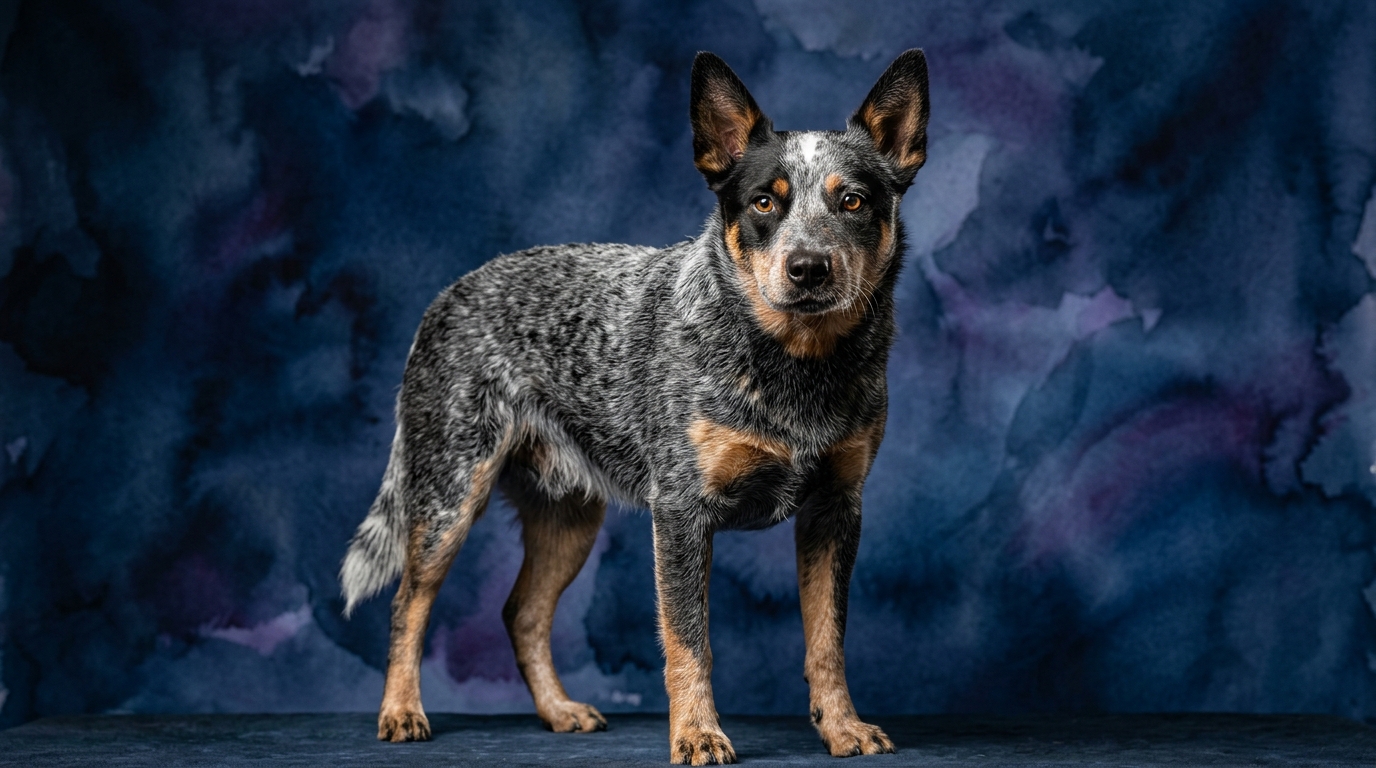
At The Cosmic Pet Pet IQ Lab, we evaluate canine cognition across five key dimensions. The Australian Cattle Dog, a breed recognized for its working acumen, consistently earns high marks in most categories, reflecting its position as Coren rank #10 among breeds. Its Problem Solving ability scores a perfect 5/5, indicating a dog that rapidly analyzes novel situations and devises effective solutions independently, often demonstrating remarkable ingenuity in complex tasks. Training Speed also hits 5/5; these dogs assimilate new commands and complex sequences with astonishing swiftness, eager to grasp what's expected of them. Social Intelligence registers at a moderate 3/5, meaning they form deep bonds with their primary handlers but tend to be reserved or watchful with strangers, not typically seeking broad social interaction. Instinctive Drive is a powerful 5/5, manifesting as intense herding behaviors, a strong desire to work, and persistent vigilance. Finally, Memory stands at 5/5, allowing them to retain learned behaviors, routines, and experiences with exceptional clarity over extended periods.
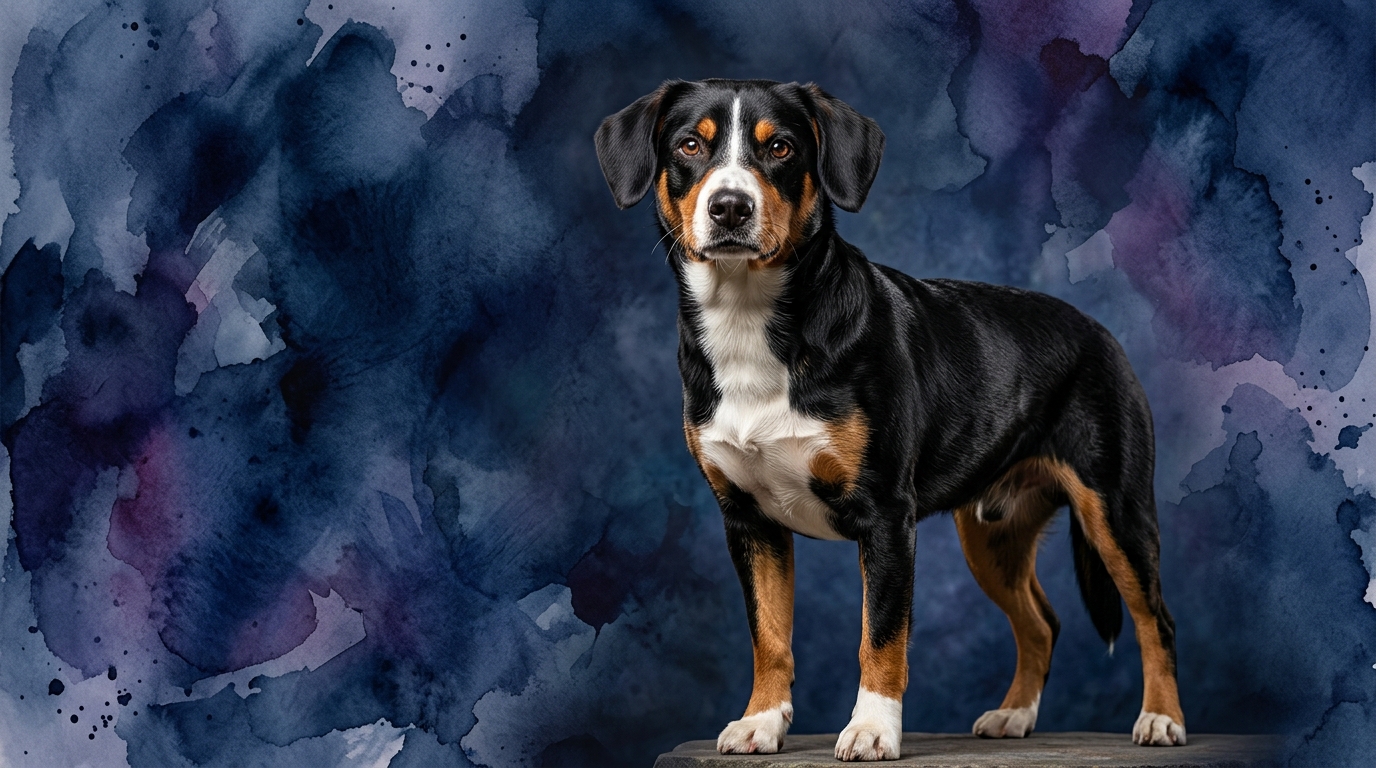
The Entlebucher Mountain Dog, while also a capable herding breed, presents a different cognitive landscape. Without a Coren ranking, we rely on our specific IQ evaluations to understand their strengths. Their Problem Solving capability is rated 3/5; they are competent at navigating challenges but may require more human guidance or repetition to formulate solutions, rather than independently experimenting. Training Speed also scores 3/5, indicating steady learners who benefit from consistent, patient instruction, taking a bit longer to master intricate commands compared to faster-paced breeds. Social Intelligence matches the ACD at 3/5, showing a similar reserved nature with outsiders, preferring the company and direction of their trusted family members. Instinctive Drive is rated 3/5; while possessing a clear herding and guarding instinct, it’s generally less intense and more manageable than the ACD's relentless drive, making them less prone to obsessive behaviors. Memory, too, is 3/5, suggesting solid retention of learned information, though perhaps requiring occasional refreshers for less frequently practiced skills.
Where the Australian Cattle Dog Shines Cognitively
The Australian Cattle Dog's cognitive strengths are profoundly rooted in its capacity for autonomous problem-solving and rapid skill acquisition. Their 5/5 Problem Solving isn't just about following commands; it's about interpreting a situation, anticipating outcomes, and executing a plan, often without direct instruction. For instance, an ACD might instinctively figure out the most efficient route to gather stray livestock or devise a novel way to retrieve a distant object, showcasing an adaptive mind that thrives on cognitive challenge. This breed's 5/5 Training Speed means they don't just learn quickly, they often anticipate the next step in a training sequence, making them exceptionally rewarding for owners dedicated to advanced obedience, agility, or complex working roles. Their tenacious 5/5 Instinctive Drive fuels this learning, providing the internal motivation to apply their mental prowess persistently, whether it’s in a herding arena or a challenging puzzle toy. Their exceptional memory ensures that once a solution or command is learned, it is deeply ingrained, allowing for consistent performance and building upon past successes rather than needing frequent re-teaching.
Where the Entlebucher Mountain Dog Offers Unique Cognitive Advantages
While the Entlebucher Mountain Dog's cognitive scores are more moderate, these attributes translate into distinct advantages for specific lifestyles. Their 3/5 Problem Solving and Training Speed mean they are less prone to independently inventing their own 'jobs' or finding mischievous solutions to boredom, which can be a double-edged sword for breeds with higher scores. Owners can appreciate their more predictable learning curve and a reduced likelihood of outsmarting their human companions in unintended ways. The EMD's 3/5 Instinctive Drive, while present for herding and guarding, is generally less overwhelming than the ACD's, making it more amenable to integration into a family environment without constant, high-intensity work demands. This allows their natural protective instincts to be channeled effectively without becoming an all-consuming obsession. Their consistent, rather than lightning-fast, learning style can also foster a patient, deeply bonded training relationship, where mutual understanding develops steadily over time, building a foundation of reliability rather than immediate brilliance.
Ease of Training: A Tale of Two Temperaments
When considering ease of training, the Australian Cattle Dog and Entlebucher Mountain Dog present contrasting experiences. The ACD, with its 5/5 Training Speed and Problem Solving, is often perceived as 'easier' in terms of raw learning capacity; they grasp new concepts with astonishing speed, sometimes after only a few repetitions. However, this cognitive horsepower demands an equally dedicated and consistent handler. An ACD will quickly learn both desired behaviors and, if left to their own devices, undesirable ones. Their intense instinctive drive and problem-solving mind mean they require constant mental engagement and a clear 'job' to prevent them from applying their formidable intellect to destructive or challenging behaviors. Training an ACD is less about teaching them to learn and more about channeling their inherent aptitude and boundless energy into productive outlets. They need a handler who is always a step ahead, providing complex training and mental stimulation to prevent boredom-induced mischief.
The Entlebucher Mountain Dog, with 3/5 in both Training Speed and Problem Solving, requires a different approach to training. They are not as quick to pick up new commands and benefit significantly from patient repetition and positive reinforcement. Their learning curve is steadier, meaning a trainer must be prepared for a longer, more consistent commitment to master skills. However, their more moderate instinctive drive and problem-solving inclination can make them less prone to constantly testing boundaries or inventing independent tasks when under-stimulated, compared to an ACD. Once an EMD understands a command and trusts their handler, they tend to be reliable and consistent. While they won't dazzle with immediate comprehension, their steadfast nature means that once a skill is learned, it's typically well-retained, making them a dependable companion for an owner willing to invest the time and consistency their training requires.
Matching Breeds to Lifestyles: Active vs. Engaged Owners
The cognitive profiles of these two breeds naturally guide them toward different types of owners and lifestyles. The Australian Cattle Dog is unequivocally suited for highly active, experienced owners who are deeply committed to engaging their dog both physically and mentally. This breed thrives when given a 'job,' whether it's herding, advanced obedience, agility, flyball, or long, challenging hikes. Their 5/5 instinctive drive and problem-solving ability mean they cannot simply be given a quick walk and left to their own devices; they require consistent, stimulating activities that challenge their sharp minds. Owners must be prepared for a canine partner that thinks, strategizes, and needs to be actively involved in daily life, often pushing their human companions to keep up with their boundless energy and cognitive demands. A relaxed owner, or one seeking a casual companion, would likely find an ACD overwhelming and potentially destructive.
The Entlebucher Mountain Dog, while certainly an active breed, offers a slightly different proposition. They are well-suited for active families or individuals who enjoy outdoor pursuits like hiking, jogging, or dog sports, but perhaps without the relentless intensity an ACD demands. Their 3/5 instinctive drive means they enjoy activity and purpose, but are often more content with family companionship and structured play sessions rather than needing constant, high-stakes mental challenges. They enjoy working and learning, but their cognitive needs are generally more manageable for an owner who is active and consistent, but perhaps not seeking a full-time working partner in the same vein as an ACD. An EMD can adapt to a slightly less demanding exercise regimen than an ACD, provided they still receive regular physical and mental engagement, and appreciate downtime with their human family.
The Verdict
Choose the Australian Cattle Dog if you are an experienced, highly active owner seeking a true working partner, deeply invested in complex training and continuous mental engagement, prepared to channel intense drives.
Opt for the Entlebucher Mountain Dog if you are an active family or individual seeking a loyal, reliable companion that enjoys outdoor pursuits and solid training, but with a more moderate intensity and a slightly less demanding cognitive profile.
🧠 Find Your Pet's IQ Score
Our Pet IQ Lab assessment covers 25+ tests across 5 cognitive dimensions — personalized to your breed.
Take the Full IQ Test →Frequently Asked Questions
Are Australian Cattle Dogs good for first-time dog owners?
Generally, no, due to their intense cognitive needs and strong drives. Australian Cattle Dogs require experienced handlers who understand how to channel their problem-solving ability and high training speed into productive outlets, thriving with consistent, challenging mental and physical engagement.
Do Entlebucher Mountain Dogs need a lot of exercise?
Yes, Entlebucher Mountain Dogs are active herding dogs and require regular daily exercise, including walks, hikes, and engaging play sessions, to keep them physically and mentally content. While not as relentlessly driven as some herding breeds, they are not couch potatoes and need significant activity.
How do these breeds differ in their interaction with strangers?
Both breeds tend to be reserved or watchful with strangers, exhibiting a moderate social intelligence score of 3/5. They are typically loyal to their families but do not readily offer effusive greetings to new acquaintances, preferring to observe and assess rather than immediately engage.