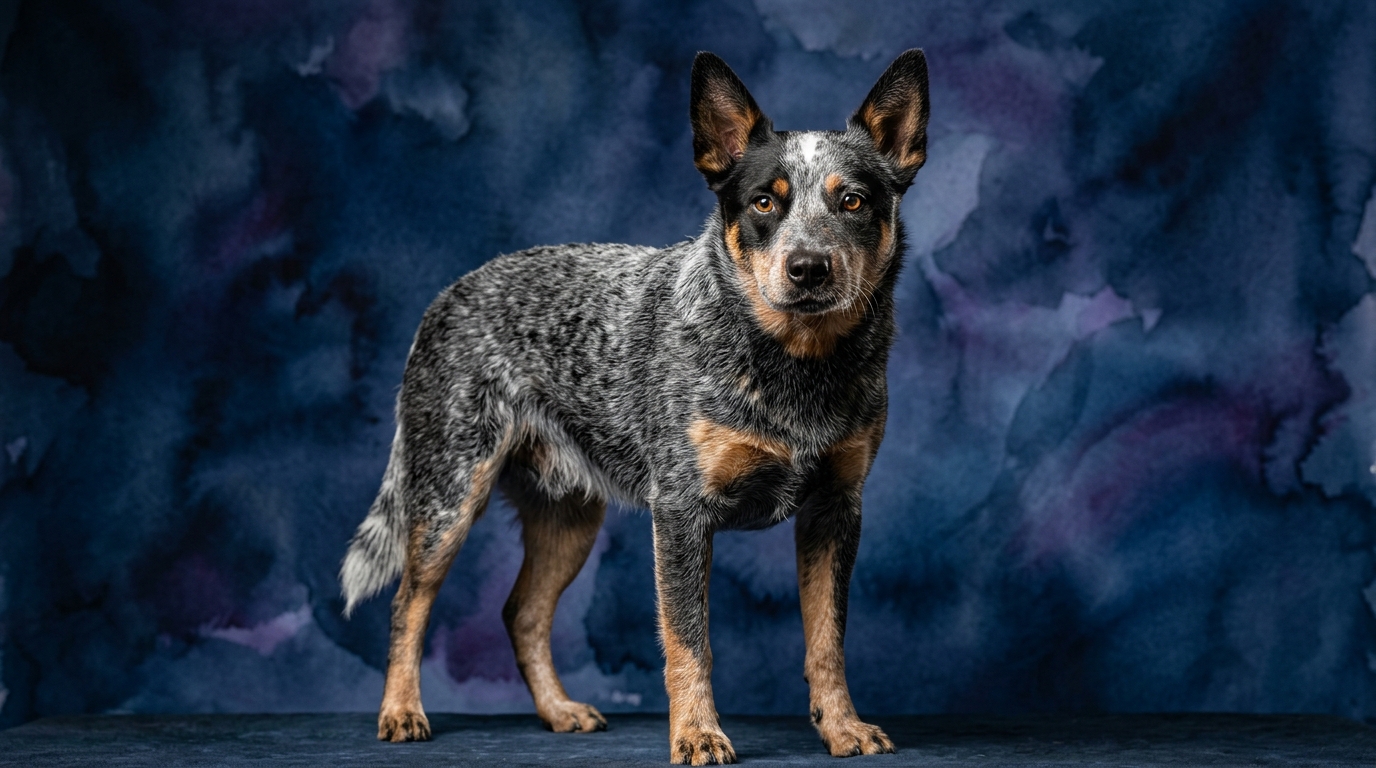
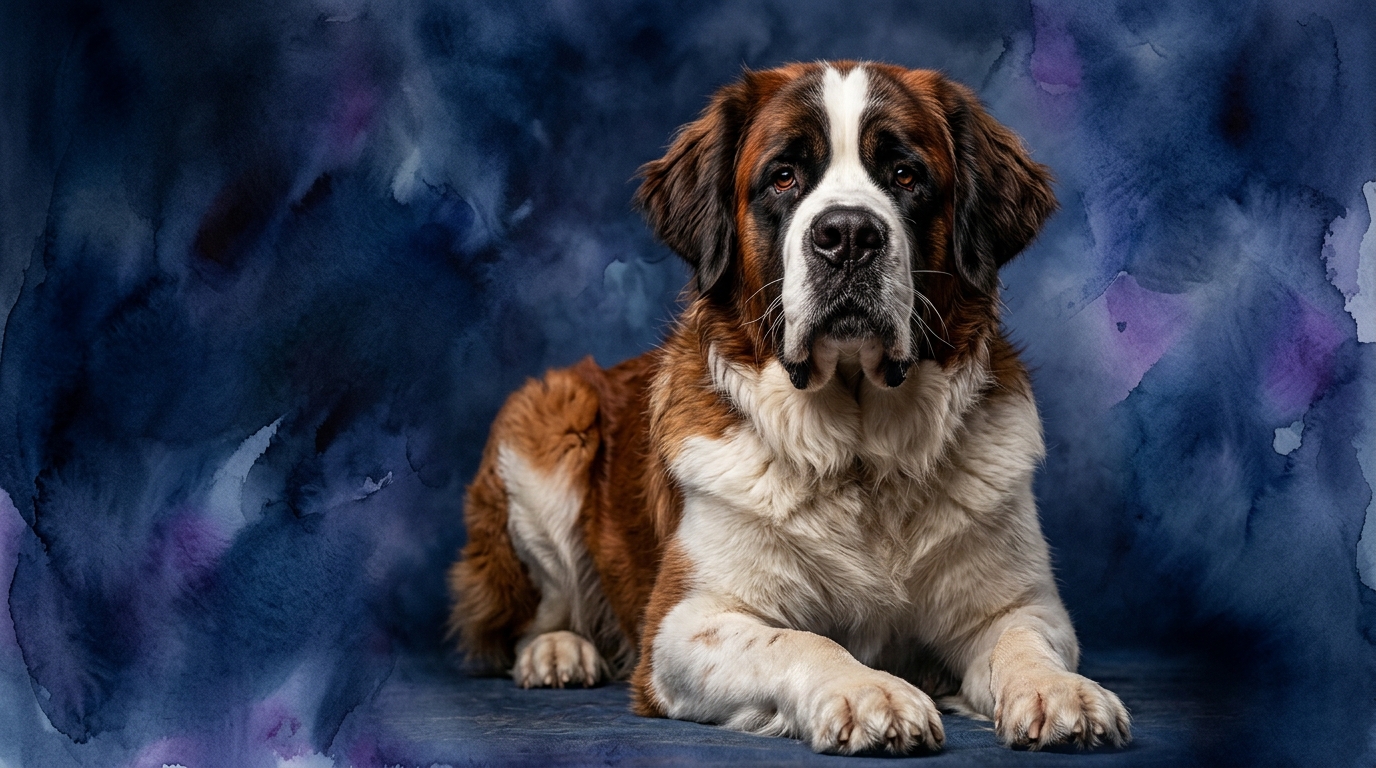
Side-by-Side Cognitive Profile: Australian Cattle Dog vs. Saint Bernard
The Cosmic Pet Pet IQ Lab employs a five-dimensional framework to assess canine intelligence, offering a nuanced view beyond simple obedience. For the Australian Cattle Dog, ranked #10 by Coren, its profile reveals an exceptionally sharp mind. Its Problem Solving is rated 5/5, indicating an innate ability to independently analyze situations, strategize, and execute solutions, whether it's navigating complex environments or manipulating objects. Training Speed also scores 5/5, meaning these dogs grasp new commands and concepts with remarkable swiftness, often requiring only a handful of repetitions before mastery. Their Social Intelligence, at 3/5, suggests they understand human cues and emotions but might prioritize task execution over constant social interaction, exhibiting a more independent streak. Instinctive Drive is a perfect 5/5, reflecting their powerful, ingrained herding behaviors and relentless work ethic. Finally, their Memory is 5/5, allowing them to retain vast amounts of information, from complex sequences of commands to specific spatial layouts, over extended periods.
In contrast, the Saint Bernard, holding Coren rank #65, presents a different cognitive landscape, optimized for its historical role as a rescue and companion animal. Its Problem Solving is 3/5, meaning they are capable of learning and applying solutions but may approach challenges with more deliberation, often benefiting from guided instruction rather than immediate independent strategizing. Training Speed is 2/5; while trainable, Saint Bernards typically require more patience and consistent repetition to ingrain new behaviors and commands firmly. Their Social Intelligence shines at 4/5, demonstrating a profound capacity for empathy, understanding human emotions, and forming deep, intuitive bonds with their family members. Instinctive Drive is also 5/5, manifesting as a powerful protective instinct and an unwavering dedication to their loved ones, historically crucial for their search and rescue duties. Their Memory is 3/5, sufficient for retaining essential routines and commands, though perhaps not with the same intricate detail or long-term precision as the Australian Cattle Dog.
Where the Australian Cattle Dog’s Mind Excels
The Australian Cattle Dog’s cognitive strengths are particularly evident in its exceptional problem-solving capabilities and rapid learning. With a 5/5 rating in Problem Solving, these dogs aren't just good at following instructions; they're adept at figuring things out for themselves. This manifests in behaviors like quickly deciphering the mechanism of a complex puzzle toy to retrieve a treat, or independently finding a way around an unexpected obstacle during a walk. They often demonstrate foresight, anticipating consequences and adjusting their actions accordingly, making them formidable partners in sports like agility or competitive obedience where dynamic decision-making is key. Their 5/5 Training Speed means they absorb new information like a sponge, mastering multi-step commands and intricate routines with astonishing speed. An ACD can go from a novel concept to flawless execution in a fraction of the time many other breeds would require, making them a joy for experienced trainers who appreciate a dog that genuinely enjoys the mental challenge of learning. Furthermore, their perfect 5/5 Memory ensures that once a lesson is learned, it's rarely forgotten, allowing for a vast and enduring repertoire of skills and behaviors.
The Saint Bernard’s Unique Cognitive Strengths
While perhaps not as quick-witted in rapid problem-solving or training acquisition, the Saint Bernard possesses distinct cognitive strengths that are equally valuable, particularly in the realm of social and instinctive intelligence. Their 4/5 Social Intelligence rating is a testament to their profound empathy and ability to connect deeply with humans. Saint Bernards are masters at reading subtle emotional cues, often offering comfort or a gentle nudge precisely when needed. This isn’t just about being affectionate; it’s a sophisticated understanding of their human companions’ inner states, making them exceptional therapy dogs and steadfast family guardians. Their legendary patience with children and their calm, reassuring presence stem from this deep social awareness. The Saint Bernard's 5/5 Instinctive Drive is another formidable strength, historically channeled into their life-saving search and rescue work in the Alps. This drive translates into an unwavering loyalty and a powerful, yet gentle, protective instinct towards their family. They possess an inherent sense of duty, often displaying remarkable bravery and steadfastness in situations where their loved ones might be perceived to be at risk, acting as a calm, imposing presence rather than an aggressive one.
Training Dynamics: Speed vs. Steadfastness
When comparing ease of training, the Australian Cattle Dog undeniably takes the lead due to its superior Problem Solving, Training Speed, and Memory ratings. An ACD approaches training as a stimulating mental exercise, often grasping new commands and complex sequences with just a few repetitions. Their inherent drive to work and their eagerness to please an admired handler means they are highly motivated to learn and execute tasks precisely. This rapid learning curve allows for progression to advanced obedience, intricate tricks, or demanding canine sports at an impressive pace. However, this sharpness also means an ACD can quickly learn undesirable behaviors if not consistently guided, and their intelligence requires an owner who can stay a step ahead, providing constant mental engagement to prevent boredom-induced mischief.
The Saint Bernard, with its 2/5 Training Speed and 3/5 Problem Solving, presents a different training experience. They are certainly trainable, but they require significantly more patience, consistency, and positive reinforcement. A Saint Bernard might need dozens of repetitions to solidify a command that an ACD learns in minutes. This isn't a lack of capability, but rather a more deliberate processing style. Their strong social intelligence means they respond wonderfully to praise, affection, and gentle encouragement, flourishing in a training environment built on trust and positive bonding. While their instinctive drive is powerful, it’s often expressed as loyalty and protection rather than an innate eagerness for rapid obedience drills. Owners should understand that a Saint Bernard’s 'stubbornness' is often a slower cognitive processing or a need for clearer, more consistent instruction, rather than outright defiance. Their immense size also necessitates early and thorough leash training and socialization to ensure they are manageable adults.
Lifestyle Match: Active Engagement vs. Calm Companionship
The distinct cognitive profiles of the Australian Cattle Dog and the Saint Bernard lead to very different lifestyle requirements, making the choice between them largely dependent on an owner's activity level and desired canine companionship. The Australian Cattle Dog is a breed for the highly active, experienced owner. Their 5/5 Problem Solving, Training Speed, and Instinctive Drive mean they thrive on constant mental and physical stimulation. These dogs are not content with a simple walk around the block; they need a 'job' – be it herding, agility, competitive obedience, advanced trick training, or long, challenging hikes. An ACD that is under-exercised or under-stimulated mentally can quickly become bored, leading to destructive behaviors, excessive barking, or neurotic tendencies as they seek to channel their immense energy and intellect. They are ideal for owners who enjoy an active outdoor lifestyle and are willing to dedicate significant time to training and engagement.
Conversely, the Saint Bernard, while large and requiring regular exercise, is better suited for more relaxed, yet attentive, owners. Their 4/5 Social Intelligence makes them exceptional family companions, content with leisurely walks, playtime in a secure yard, and ample cuddle time on the couch. While they possess a 5/5 Instinctive Drive for protection, their exercise needs are moderate compared to the ACD. They enjoy being part of family activities and thrive on companionship, but they are not built for high-intensity, prolonged athletic feats. Owners must be prepared for their sheer size and strength, ensuring early socialization and basic obedience training to manage them effectively. They are best suited for homes that can provide a calm, predictable environment where their gentle, protective nature can flourish, and where their social bonds are deeply valued.
The Verdict
Opt for an Australian Cattle Dog if you're an experienced, active owner seeking a dog that thrives on intricate mental challenges, advanced training, and constant engagement. They excel in demanding roles where quick thinking, exceptional memory, and rapid learning are paramount.
Select a Saint Bernard if you desire a steadfast, empathetic companion who offers unwavering loyalty and a calm presence, suitable for a more relaxed family environment. They flourish with owners who appreciate deep social bonds and are patient with their deliberate learning pace.
🧠 Find Your Pet's IQ Score
Our Pet IQ Lab assessment covers 25+ tests across 5 cognitive dimensions — personalized to your breed.
Take the Full IQ Test →Frequently Asked Questions
Are Australian Cattle Dogs good for first-time dog owners?
Generally, Australian Cattle Dogs are not recommended for first-time owners due to their intense intellect, high energy, and strong herding instincts. They require consistent, experienced guidance and significant mental and physical engagement to thrive.
Do Saint Bernards require a lot of exercise?
While not as demanding as some breeds, Saint Bernards do require regular, moderate exercise to maintain their health and well-being. Daily walks and opportunities for outdoor play are essential, but they are not suited for high-intensity activities.
How do the breeds' problem-solving abilities differ in everyday life?
An Australian Cattle Dog might quickly figure out how to open a gate or solve a complex puzzle toy in minutes, often outsmarting their owner. A Saint Bernard, while capable of learning, would likely approach such tasks with more deliberation, relying on repetition and direct guidance rather than independent strategizing.