Side-by-Side IQ Profile: Unpacking Cognitive Dimensions
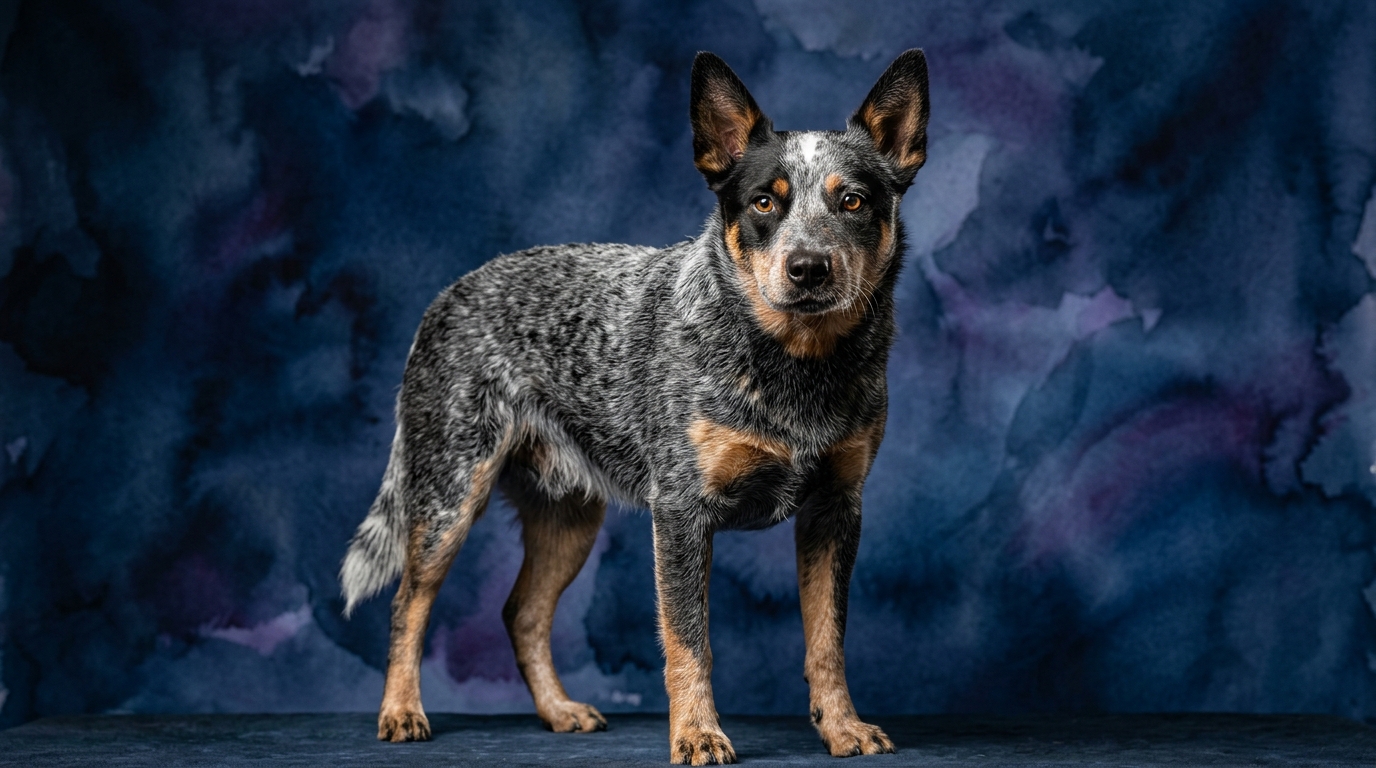
Our Cosmic Pet Pet IQ Lab evaluates canine cognition across five critical dimensions, offering a nuanced look at how breeds process information and interact with their world. The Australian Cattle Dog, a herding powerhouse, consistently scores at the top of the spectrum in many areas. Its Problem Solving ability is rated 5/5, indicating a dog that can quickly assess complex situations and devise effective solutions, a trait honed by generations of managing livestock. Complementing this is a 5/5 Training Speed, reflecting an exceptional eagerness to learn and retain commands, making them highly responsive partners. Memory is also a perfect 5/5, allowing them to recall intricate sequences and past experiences with remarkable accuracy. Their Instinctive Drive, a robust 5/5, points to a powerful internal motivation to work and fulfill their breed-specific purpose, whether that's herding or other demanding activities. Social Intelligence, however, stands at 3/5, suggesting they are capable of understanding social cues but might not always prioritize human social bonding over task execution, or they might be more reserved with strangers.
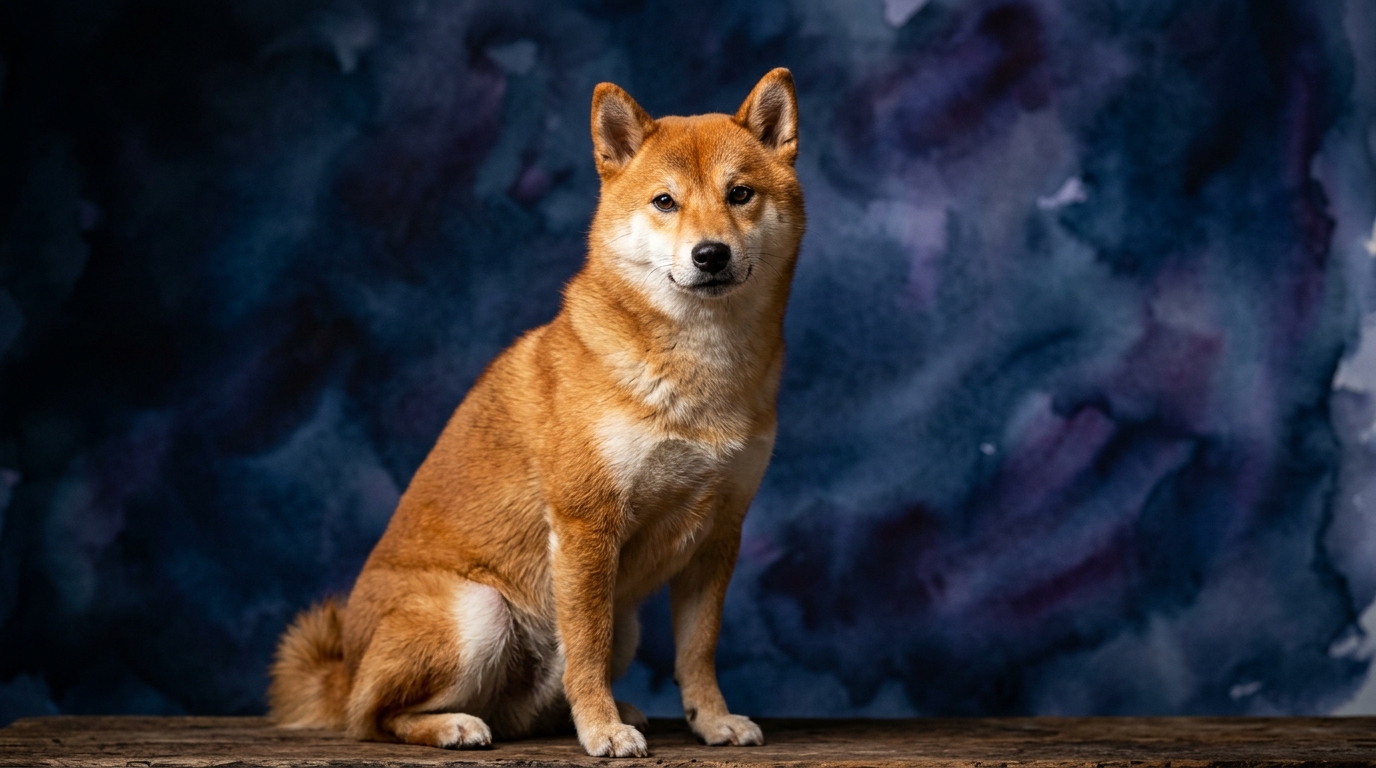
In contrast, the Shiba Inu, an ancient Japanese breed from the Non-Sporting group, presents a distinct cognitive blueprint. While not ranked on the Coren scale, its IQ profile reveals a different set of strengths. Its Problem Solving score of 4/5 is still commendable, indicating a dog capable of independent thought and finding solutions, often on its own terms. Memory is rated 4/5, showing a solid capacity to recall information, though perhaps not with the same precision or depth as the ACD. Where the Shiba truly diverges is in Training Speed, scoring a 2/5; this reflects a breed that is less inclined towards rote obedience and often requires more patience and creative approaches to motivation. Like the ACD, its Instinctive Drive is a powerful 5/5, but this drive often manifests as self-directed exploration and a strong prey drive rather than biddable cooperation. Social Intelligence mirrors the ACD at 3/5, suggesting a similar capacity for understanding social dynamics but with a tendency towards independence and selective engagement, often preferring the company of their chosen few.
Where the Australian Cattle Dog Wins Cognitively
The Australian Cattle Dog's cognitive profile positions it as a master of cooperative intelligence and practical application. Its perfect 5/5 in Problem Solving means these dogs don't just follow orders; they actively engage with challenges, thinking critically to overcome obstacles, whether it's outsmarting a stubborn steer or figuring out a complex puzzle toy. This exceptional problem-solving skill, combined with a 5/5 Training Speed, creates a dog that is not only quick to grasp new concepts but also eager to apply them, making them remarkably adaptable in various working roles. Their 5/5 Memory further solidifies this advantage, enabling them to build upon learned experiences and recall intricate command sequences or environmental layouts over long periods. This trio of high scores makes the ACD a formidable partner for intricate tasks, agility, obedience, and any activity requiring sustained mental effort and precise execution. Their 5/5 Instinctive Drive fuels this cognitive machinery, ensuring they possess an unwavering internal motivation to engage and perform.
Where the Shiba Inu Wins Cognitively
While the Shiba Inu's cognitive scores might appear less 'cooperative' than the ACD's, they represent a unique strength in independent cognition and self-reliance. Its 4/5 Problem Solving score signifies a formidable capacity for autonomous thought; Shibas are adept at figuring things out for themselves, often devising clever, if sometimes mischievous, solutions to challenges without direct human prompting. This independence is a cognitive advantage in situations where self-sufficiency is valued, allowing them to navigate environments and situations with a strong sense of personal agency. The 5/5 Instinctive Drive in a Shiba often translates into a powerful, self-directed motivation, particularly for exploration and scent work, enabling them to pursue their interests with singular focus. This breed's cognitive strengths lie in its ability to operate effectively without constant human oversight, demonstrating a robust internal compass and a capacity for self-entertainment and self-preservation, which can be a distinct 'win' for owners who appreciate a dog with a strong, independent personality.
Which is Easier to Train and Why
When it comes to ease of training, the Australian Cattle Dog holds a clear advantage, largely due to its 5/5 Training Speed. This exceptional score reflects a breed that absorbs new commands and behaviors rapidly, often requiring fewer repetitions to achieve proficiency. Their inherent biddability and strong desire to work alongside their human partners mean they are eager to please and respond well to consistent, positive reinforcement. An ACD typically approaches training as a collaborative effort, thriving on the mental engagement and the satisfaction of a job well done. Their high Memory score also means once a lesson is learned, it tends to stick.
The Shiba Inu, with a Training Speed of 2/5, presents a different training experience. This lower score isn't an indicator of a lack of intelligence, but rather a reflection of their profound independence and discerning nature. Shibas are perfectly capable of understanding commands, but their motivation often stems from what *they* perceive as beneficial, rather than an innate desire to please. Training a Shiba requires immense patience, creativity, and a deep understanding of their unique motivations. They are less likely to perform a task simply because they are asked and more likely to comply if the reward is highly enticing or if the task aligns with their self-interests. This behavioral difference means that while an ACD might happily perform a learned trick for a simple "good dog," a Shiba might demand a high-value treat or a favored toy, making consistent, enthusiastic participation a greater challenge.
Which Suits Active Owners vs. Relaxed Owners
For active owners seeking a true partner in adventure and mental stimulation, the Australian Cattle Dog is an ideal match. Their 5/5 Instinctive Drive, combined with high Problem Solving and Memory, means they thrive on consistent engagement. These dogs need a purpose, whether it's herding, extensive hiking, dog sports like agility or flyball, or advanced obedience. Their physical stamina is legendary, and their mental acuity demands challenging tasks to prevent boredom, which can lead to undesirable behaviors. An owner who can provide several hours of structured activity, training, and mental puzzles daily will find an ACD a devoted and fulfilling companion.
The Shiba Inu, while possessing a 5/5 Instinctive Drive, channels this energy differently. Their drive often manifests as a desire for independent exploration and a strong prey drive, making off-leash activities in unfenced areas risky. While they enjoy walks and playtime, they don't typically demand the same intensity or duration of structured activity as an ACD. A Shiba can suit an owner who enjoys regular, moderate walks and engaging play sessions but perhaps doesn't seek a dog for intense, hour-long training drills or competitive sports every day. Their independent nature also means they are generally more content to relax independently after their exercise needs are met, making them potentially suitable for owners who appreciate a dog with a strong "off switch" for downtime, provided their mental and physical needs are met through quality, not just quantity, of interaction.
The Verdict
Opt for the Australian Cattle Dog if you are an active, experienced owner ready to provide extensive training, consistent mental challenges, and a structured environment for a highly biddable, cooperative partner.
Select the Shiba Inu if you appreciate a dog with strong independence, a clever mind that thinks for itself, and are prepared for a patient, creative training journey with a companion who offers unique charm and self-reliant companionship.
🧠 Find Your Pet's IQ Score
Our Pet IQ Lab assessment covers 25+ tests across 5 cognitive dimensions — personalized to your breed.
Take the Full IQ Test →Frequently Asked Questions
Are Australian Cattle Dogs good for first-time dog owners?
Australian Cattle Dogs can be a handful for first-time owners due to their intense energy, strong working drive, and need for consistent, experienced guidance. Their 5/5 training speed means they learn quickly, but this also applies to undesirable behaviors if not properly managed.
Do Shiba Inus get along well with other pets?
Shiba Inus, with their 5/5 instinctive drive and strong prey drive, often require careful socialization, especially with smaller pets. While some can coexist peacefully, their independent nature and territorial tendencies mean they might prefer to be the sole pet or require cautious, supervised introductions.
How much exercise does an Australian Cattle Dog need daily?
An Australian Cattle Dog requires substantial daily exercise, typically 1-2 hours of vigorous activity, including walks, runs, and mentally stimulating games or training sessions. Their 5/5 instinctive drive and high energy levels mean they need a consistent outlet for their physical and mental prowess to prevent boredom.